Top 6 Best Sewing Machines for Beginners in 2026
Getting started with sewing can feel like a big step, and honestly, picking the right machine can be a bit confusing with all the options out there. I remember my first machine; it felt like a spaceship with all its buttons and dials! But don’t worry, I’ve looked into the best sewing machines for beginners in 2026, and I’m here to share what I found.
My goal is to help you find a machine that makes learning fun and easy, not frustrating. Let’s find the perfect one for you to start creating!
Key Takeaways
- For beginners, ease of use is more important than a high stitch count. Look for features like automatic needle threaders and clear stitch selection.
- A speed control slider is a game-changer for new sewers, allowing you to stitch at a comfortable pace without fabric running away.
- Machines in the $150-$250 range often offer the best balance of features, reliability, and affordability for beginners.
- While basic mechanical machines work, computerized models with LCD screens often make learning easier due to intuitive controls and helpful guides.
- Don’t be afraid to start simple; a machine that handles basic stitches well and is reliable will serve you better than one with too many complex features you won’t use initially.
Why Choose a Beginner-Friendly Sewing Machine?
There are a lot of machines out there, and the amount felt overwhelming at first when I started thinking about sewing. In the articles, there are all the technical specifications and beautiful solutions to feature. If you are a complete novice to sewing machine stitches and fabric like me, it makes all the difference to have a beginner-friendly machine! Not restricting you, setting yourself up for success right from the start.
Machines in the $150–$250 range cover the vast majority of beginner projects. Spending below $100 typically means plastic internal frames, fewer included accessories, and a shorter reliable lifespan based on verified buyer data. Spending above $350 as a first-time buyer adds features you will not use for at least 12–18 months of regular sewing.
Imagine that: an easy-to-use machine, so all you do is concentrate on learning the basics of sewing and not fighting some high-tech controls. They usually include guides, and shorter interfaces are still quite practical. They are designed to be less scary, and that is precisely what I needed. The aim is to have fun and gain confidence, not frustration!
And numerous sewing machines for beginners boast additional conveniences such as an automatic needle threader or transparent bobbins. Yes, they might be small, but these things save a lot of time and hassle. I struggled with needle threading before, and it really killed my creative mood. Having these helpers available out of the box has been quite a game-changer. It feels like a patient teacher is sitting next to you.
Opting for a user-friendly machine means you invest less time on those pesky troubleshooting and more time creating. This is crucial for building momentum and completing projects in a timely manner, which feels very satisfying.
For beginners, you have no need for a machine with a hundred types of stitches. If you are working on beginner-level projects currently, you will need only basic stitches. Many beginner sewing machine reviews praise the zigzag and straight-stitch; 10-30 stitches are more than enough to get your feet wet. It is better to know a few stitches well than get lost in so many possibilities.
If you are in search of inexpensive sewing machines for learning, there are some great ones available that won’t leave you too far down the path to debt. These easiest sewing machines for hobbyists are simple and very convenient base but it works accurately, so they suit well for anyone who wants to express their creative side. If you need professional sewing machine recommendations for hobbyists, search among the most basic and easy-to-use models that have the minimum essential features.
You can find great value in machines that offer just what you need to start creating, like the SINGER 6620C, which offers a good balance of features for new sewers. These easy sewing machines for new users are designed to make your first stitches smooth and successful.
There are a lot of machines out there, and the amount felt overwhelming at first when I started thinking about sewing. If you’re completely new, starting with something simple—like learning from guides such as how to learn sewing, can make a huge difference.
Key Features to Look for in a Beginner Sewing Machine
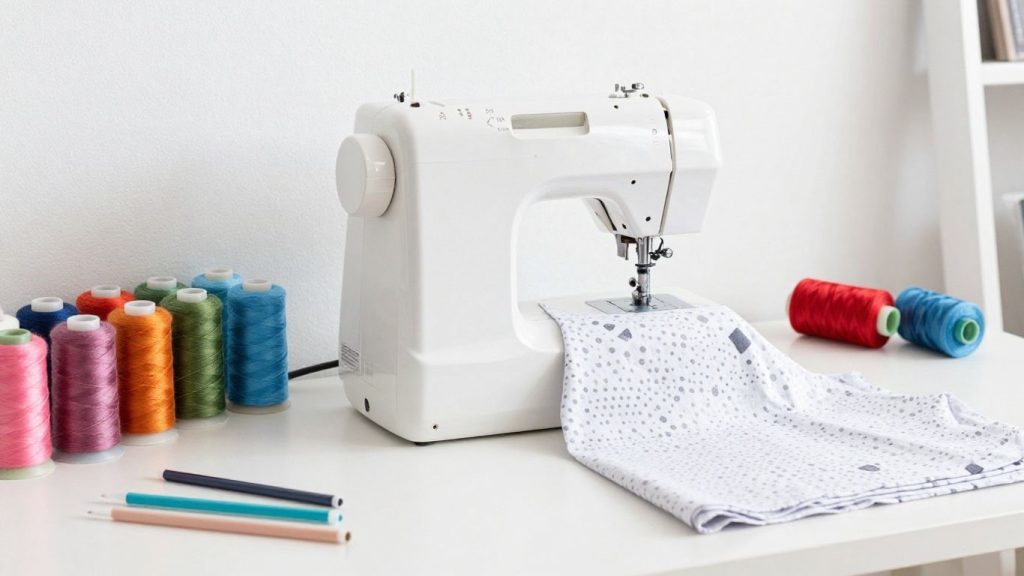
As a beginner, when I started searching for a sewing machine, I was kinda clueless. They come in all sorts of options, different numbers, buttons on them, and more. However, it took a little reading and testing before I figured out that there were indeed some things that really make or break for the complete beginner. It’s not in having the most number of features, but in having exactly the right ones.
Ease of Use
So this is potentially the most important part. If the machine is difficult to understand, then you will just get frustrated with it and likely not sew very much. I hunted for machines that had clear dials and buttons, but also ideally an LCD screen so that you could clearly see what the stitches you selected were doing and your settings.
All of which means you spend more time using the sewing machine for what it was built for instead of fussing around with controls. As you do when establishing a smart home, you want it to ease your life rather than complicate it.
Number of Stitches
All those machines with hundreds of stitches do not get lost in! Realistically, to tackle most beginner-level projects, you need just a handful of basics: a straight stitch for seams, zig-zag for finishing edges, blind hem stitch, and buttonhole stitch.
Oh, some machines have a few decorative stitches that can make sewing enjoyable, but they are not vital when starting. Look for a machine with approximately 10-30 stitches; Anything more is typically excessive at this stage.
Automatic Features (Needle Threader, Bobbin Winder)
You might brush these under the cover as minor things, but they matter a lot. The auto needle threader is a lifesaver. In poor light or with tired eyes, threading the needle is fidgety and frustrating.
Much easier than older front-loaders, a drop-in bobbin system (where you can see the thread supply) is also much simpler to keep track of. These little things save a lot of frustration.
Auto needle threaders and drop-in bobbins save a lot of frustration. Pair that with helpful tools like the best automatic needle threaders guide, and you’ll save even more time.
Weight and Portability
The weight of your machine will matter if you move it periodically, from a closet to the table or to a sewing class, for example. There are heavier machines with a solid metal frame, as well as lighter-weight and portable types of devices.
You also want to think about where you’ll be sewing and if you need to take it around a lot. Over time, in particular by working with this machine more steadily, a lighter machine is likely to be less difficult to deal with, but do not let it lose stability.
Durability and Build Quality
I just don’t want a machine that won’t last, even if I’m still a beginner. Choose machines with a strong build quality. Many entry-level machines sport plastic covers, but a solid metal frame on the inside goes a long way toward leading to an overall more sturdy and durable machine. This is where reading reviews of how well these machines hold up over time comes in very handy.
The drop-down lists can then be filtered according to the maximum number of stitches. It is advisable to select a machine for beginners with a simpler model and useful automatic features rather than a device with a lot of stitch count all at once. If a machine is simple to thread and easy to use, you will have a far better learning experience and be far more productive.
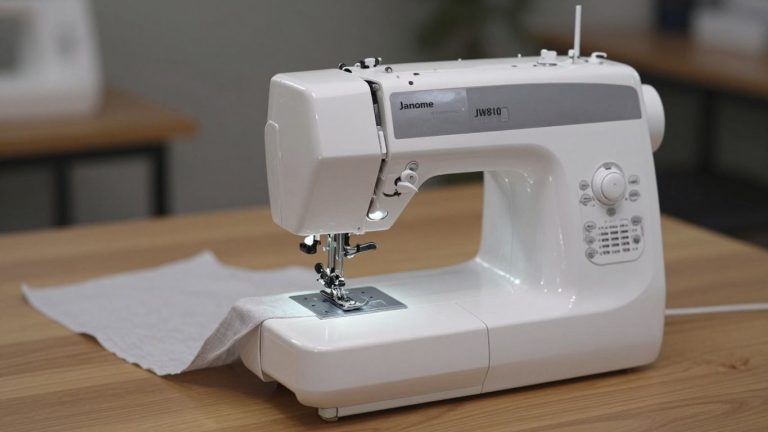
A strong internal frame ensures your machine lasts longer. Reading reviews—like this Janome JW8100 review, can help you judge build quality before buying.
My Top 6 Picks for Best Beginner Sewing Machines
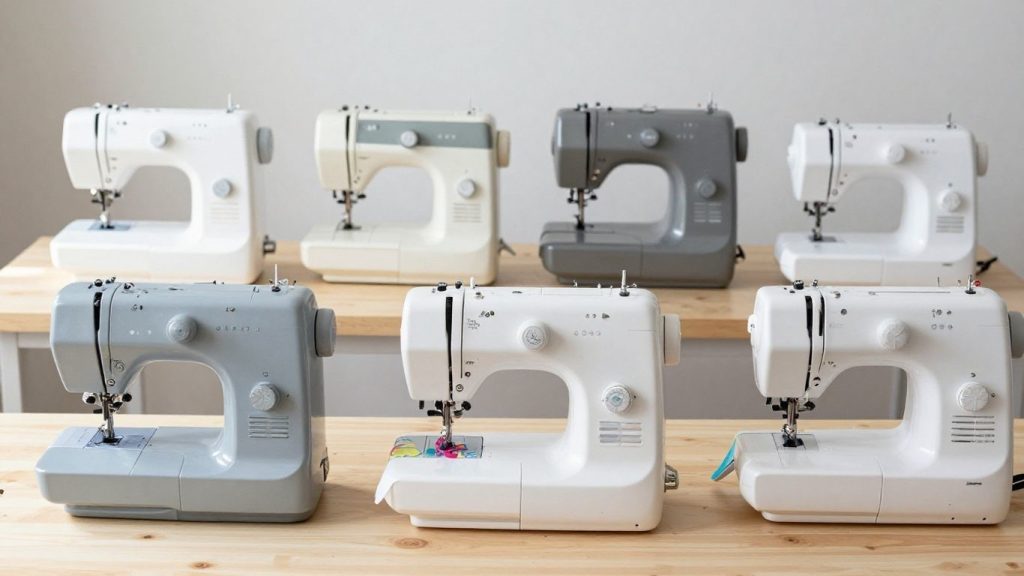
Choosing your first sewing machine can seem like such a big decision when you are starting. I have researched many models for hours on end and compiled a list of the 6 best beginner-friendly sewing machines in 2026.
| Product | Price | Stitches | Best For | MariaSew Rating |
|---|---|---|---|---|
| Brother CS7000X | $249 | 70 | Best overall beginner machine | |
| Brother SE700 | $579 | 103 + 40 embroidery | Beginners who also want embroidery | |
| Janome 4120QDC-G | $799 | 120 | Beginners focused on quilting | |
| Brother XR3774 | $164 | 37 | Tightest budget, solid starter | |
| Janome JW8100 | — | 100 | Step-up from entry-level, long-term use | |
| Singer 4423 Heavy Duty | 239$ | 23 | Beginners sewing denim, canvas, thick fabrics | |
| Juki TL-2010Q | $1,199 | 1 (industrial) | Serious quilters and advanced sewers | |
| Janome Memory Craft Horizon 8200 | $2,099 | 170+ | Advanced quilting and professional use |
These are the ones that caught my eye, really. They can be used out of the box easily, yet are powerful enough to help you along your journey. No matter if you want simple sewing machines for home use, or the best sewing machines for beginners who hobbyist this list covers it all.
1. Brother CS7000X: Best Entry-Level Sewing Machine for Beginners
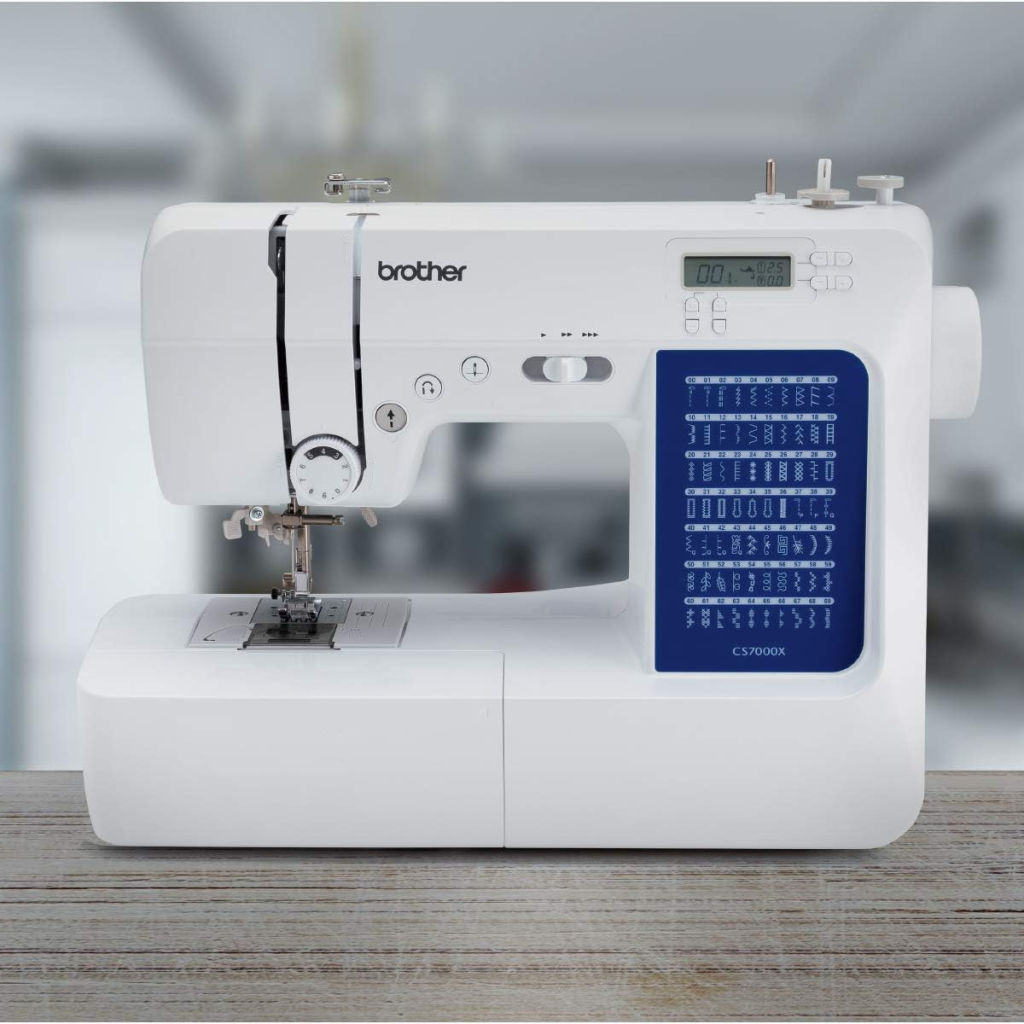
I can also see why this Brother CS7000X is generally considered the best entry-level sewing machine. It has a clear LCD screen that shows what stitch you have selected and which foot/feet need to be used. Can also use the thrust slider when it seems that things are going a bit too fast, very smart. It features plenty of stitches and accessories and is therefore an extremely decent yet overall choice for a beginner.
- Stitches: 70 built-in stitches.
- Simple to Use: Easy interface, with an LCD screen that provides helpful displays.
- Included: Wide table, 10 presser feet.
This machine is the perfect balance between being easy enough for even a brand-new beginner, yet having plenty of features to be able to grow with you as your experience levels up. This is one of the top-rated sewing machines for home use that simply does its job well.
This machine is widely loved for beginners. If you want a full breakdown, check out the detailed Brother CS7000X review.
- Beginner-friendly with an intuitive LCD stitch selection
- Automatic needle threader saves time and frustration
- Drop-in bobbin system — no pulling thread up to start
- Can sew without a foot pedal using machine controls
- Lightweight at 10.5 lbs — easy to move and store
- 70 built-in stitches including decorative and quilting options
- Runs quietly with minimal vibration
- Extension table included for larger quilting projects
- Not suited for heavy-duty or industrial-level materials
- Some users report skipped stitches on multiple layers
- Slight learning curve for absolute beginners
- Bobbin can visibly bounce at highest speeds
- Does not support cone thread without a separate stand
- No UK power adapter included for international buyers
“After a ton of research, I chose this as a basic anyone-can-use-it beginner machine — and the research wasn’t wrong. This machine is genuinely fun to use. It’s incredibly lightweight, easy to thread, and the bobbin is simple with no drama. You don’t even need the foot pedal — you can start, stop, and control speed right from the machine. I already hemmed heavy jeans with no problem. This is a winner. I would absolutely buy again.”
Final Verdict
Buy the Brother CS7000X if you are learning to sew and want a machine that physically prevents you from going too fast before you are ready. The speed slider and LCD presser foot guide are worth the price difference over the XR3774 alone. Skip it if you plan to sew heavy fabrics from the start. The Singer 4423 is the right choice for denim and canvas.
2. JANOME 4120QDC-G: Best Quilting Sewing Machine for Beginners
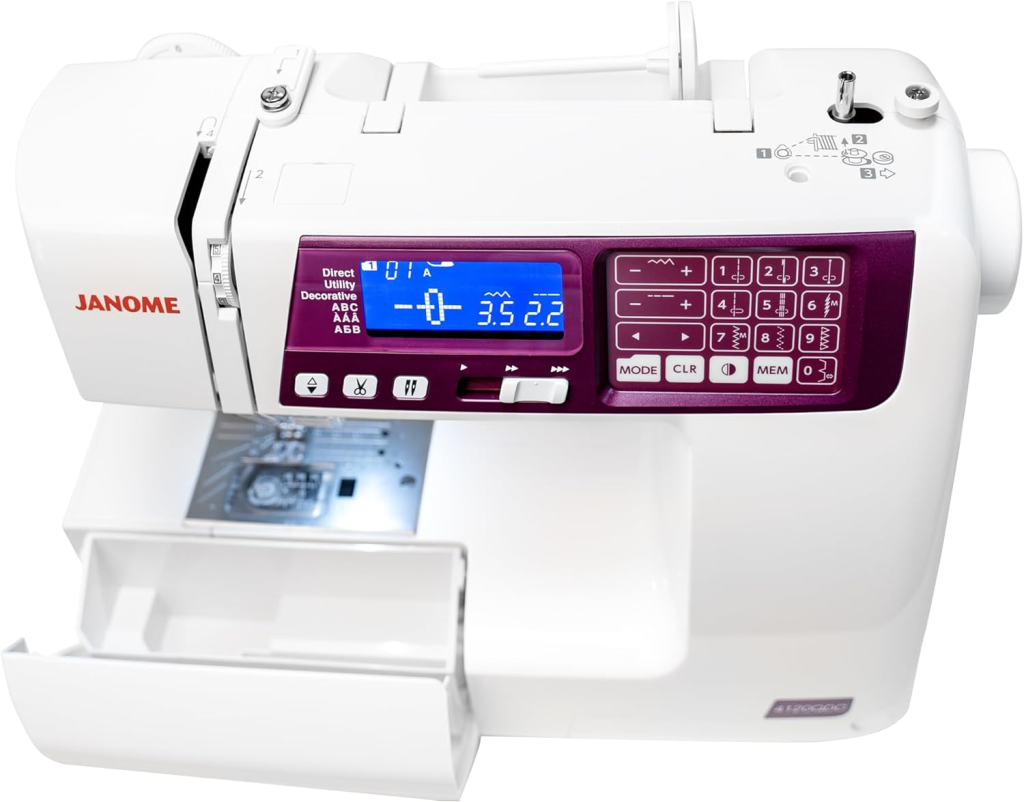
This is an excellent choice from Janome if quilting is what you are after. Equipped with a large extension table, which is very practical for handling larger pieces of fabric like quilt tops. Walking foot–a great invention for evenly feeding multiple layers of fabric. The controls are relatively easy to pick up, and it has tons of stitches for you to play with when working on creative projects.
- Features: Extra-wide extension table, walking foot,120 stitches, automatic needle threader, and top-load bobbin.
- What I Love About It: Makes it easier for new/newish quilters.
- If: You are going to be quilting or tackling larger pieces of fabric.
Perfect if you’re into quilting. You can also explore more options in this guide on best quilting sewing machine.
- Extremely stable and heavy — does not wobble during use
- Automatic thread cutter saves time at the end of every seam
- Start/stop button lets you sew without a foot pedal
- 120 built-in stitches including decorative and alphabet lettering
- Handles a wide range of fabrics — knits, silk, cotton, denim, upholstery
- Bright light and easy-to-read LCD screen
- Runs quietly even through thick quilting layers
- Bobbin winding can be confusing without the second spool holder
- Manual is sparse — limited online support compared to Brother
- Slight pedal-to-machine lag at startup
- Auto needle threader hook is very small — takes practice
- Instructions provided on DVD — no streaming guide available
- Tension adjustment for knit fabrics requires trial and error
“There is nothing that this sewing machine cannot sew. Very stable, the light is bright, the automatic needle threader is so easy to use, and the thread cutter feature is the best. I have sewn jersey knits, cotton, silk, and lace — never had a thread get stuck, no tension problems. If you are looking for a reliable sewing machine without all the bells and whistles of a true embroidery machine, buy this one. It’s just fantastic.”
Final Verdict
Buy the Janome 4120QDC-G if quilting is your primary interest and you want the walking foot and extension table included without additional purchase. It is the most complete quilting starter kit on this list. Skip it if you are not certain quilting is your main focus — the CS7000X covers more sewing types at a lower price, and the Brother SE700 adds embroidery for a comparable investment.
3. Brother SE700: Best Combination Sewing and Embroidery Machine for Beginners
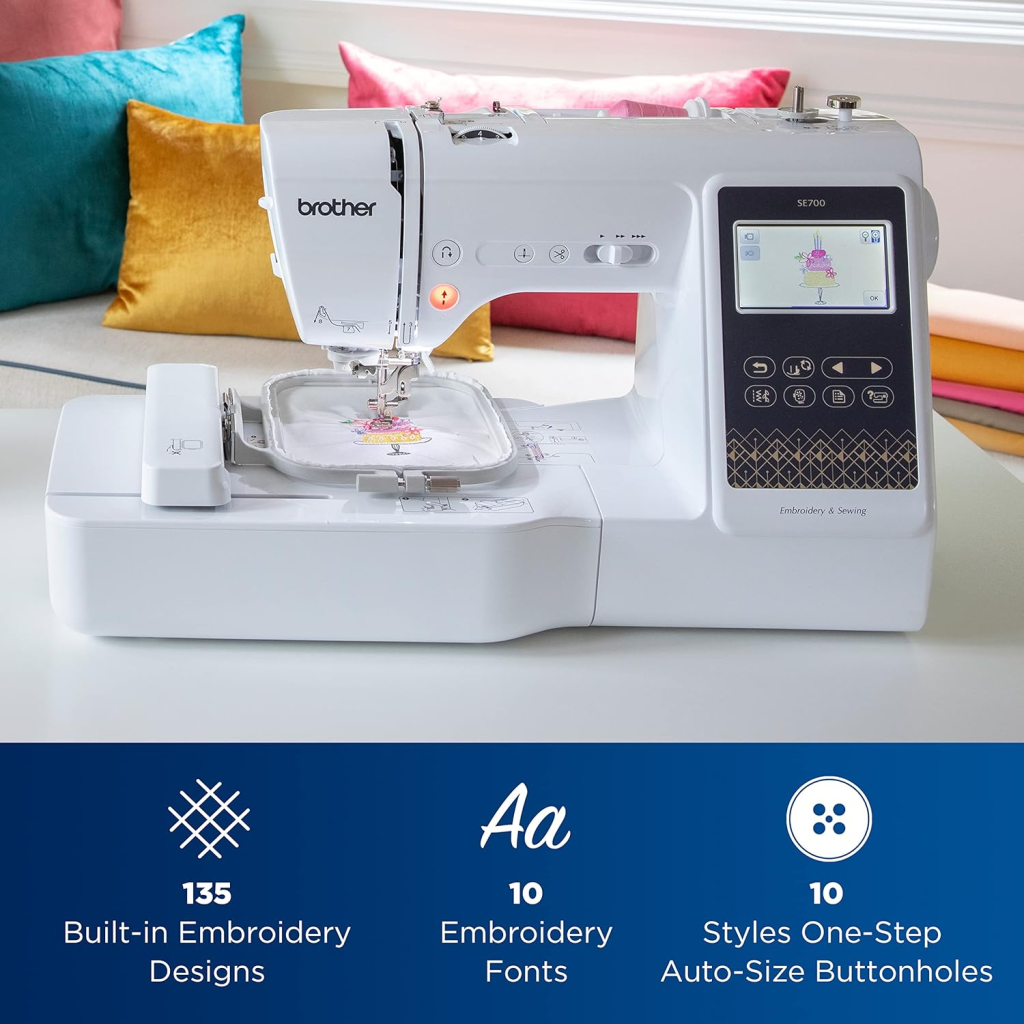
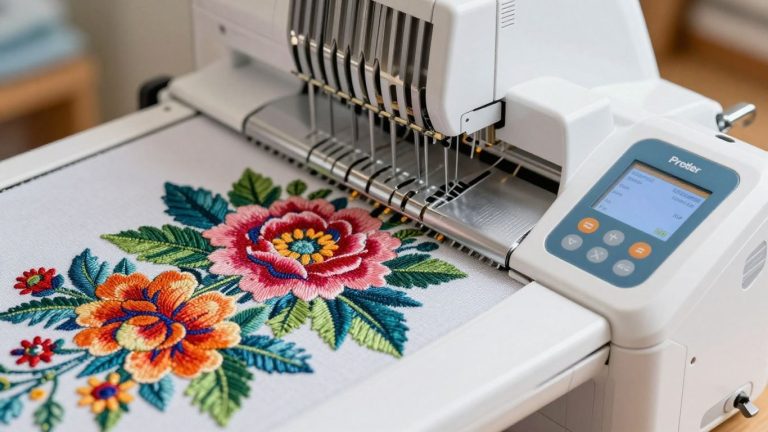
If you want to get your feet wet in embroidery with the rest of regular sewing, the Brother SE700 is one neat option for you. The 2-in-1 feature on this machine means you have a standard sewing machine with basic embroidery capabilities. It was pretty simple and a fun way of customizing your projects. This is a great way to use one machine for two crafts.
- Sewing stitches: 103; Built-in embroidery designs: 40
- Display: Color touchscreen LCD.
- USB Port: Transfer Designs to the Machine
If you want a full breakdown, check out the detailed Brother SE700 review.
- Combines sewing and embroidery in one machine
- Automatic needle threader and one-touch thread cutter
- Speed control prevents beginner mistakes with the pedal
- Crisp touchscreen — easy stitch and setting navigation
- Compatible with Artspira app for custom embroidery designs
- Handles thick quilt sandwiches without stalling
- USB and WiFi design transfer options
- Runs quietly with minimal noise
- Small 4×4″ embroidery hoop limits larger design projects
- Artspira app requires sign-up and can be finicky
- Auto needle threader takes practice to get right
- Some units report bobbin thread pulling during embroidery
- Narrow throat space — not suited for large quilts
- A small number of units arrive with defects
- Customer service response reported as slow by some buyers
“I had high ambitions to buy a much more expensive machine but just couldn’t afford it. I was absolutely blown away by the quality of this little machine. The speed control, needle down option, automatic needle threader, and the ability to automatically cut the thread are game changers. This machine has handled everything I’ve thrown at it without any issues. Brother thought of everything when designing this machine. If you’re a beginner, it is super beginner friendly. I fully recommend it to anyone.”
Final Verdict
Buy the Brother SE700 if you want to personalise fabric projects with embroidered text, monograms, or designs from the first week of owning the machine. The colour touchscreen and USB design import make it the most immediately functional embroidery entry point at this price. Skip it if you are focused purely on sewing garments or quilts — the CS7000X delivers better value for buyers who do not need embroidery.
4. Juki TL2010Q: Best Workhorse Sewing Machine for Beginners
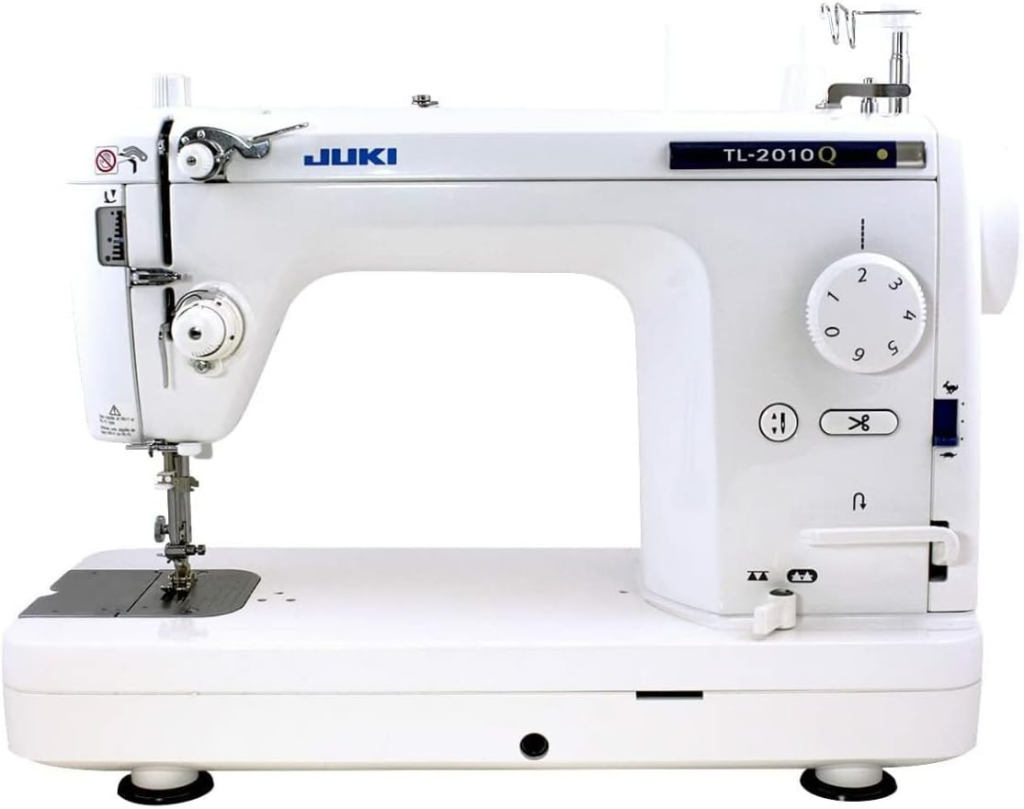
This one is a bit of a beast anyway. The Juki TL2010Q is a speedy and robust machine. Although a bit more advanced, its easy operation and powerful build make it a crisp machine if you intend to sew in advance (like even for a home-business, small) or onto complex projects. Yet this is a machine that feels like it can take anything you throw at it. If you need a machine to last at home, it is surely one of them.
- Build: Heavy-duty aluminum die-cast frame.
- Sewing speed: 1,500 stitches per minute max.
- Straight stitch only Machine: Great for garment sewing & quilting.
- Built almost entirely from metal — extremely durable and sturdy
- Exceptional straight stitch speed and consistency
- Glides through multiple layers of heavy and upholstery fabric
- Speed control dial — set your pace without using the pedal
- Knee lever to lift presser foot — keeps both hands on fabric
- Auto needle up/down and pedal-operated thread cutter
- Runs smoothly and quietly once properly set up
- Ideal for quilting, bag making, and heavy-duty projects
- Straight stitch only — no zigzag or decorative stitches
- Needle threader is finicky and takes practice
- Side-load bobbin and screw-on feet — steeper learning curve
- Requires frequent oiling to maintain performance
- Walking foot can be loud — normal but noticeable
- Tension setup takes time and trial and error
- Heavy at nearly 40 lbs — not as portable as home machines
“I have a small bag-making business and upgraded to this machine almost two years ago. For those trade-offs you get a fast, powerful, durable machine that’s built like a small tank and runs like butter. It has all the features that actually make my life significantly easier — auto needle up/down, speed control, a pedal-operated thread cutter, and a knee lever to lift the foot. For anyone who does mostly straight-stitch sewing like serious quilters or bag makers, this machine can handle whatever you throw at it.”
Buy the Juki TL2010Q if you are a beginner who is already certain your sewing focus is structured garment construction or precision quilting, you intend to sew at high volume regularly, and you are prepared to use a second machine or serger for zigzag finishing and buttonholes. It will last longer and produce more consistent straight seams than anything else on this list. Skip it if you are still discovering what kind of sewing you enjoy.
The CS7000X covers every beginner’s need, costs less, and will not limit you while you find your direction. Come back to the TL2010Q when straight-stitch precision becomes the specific thing holding your work back.
5. Janome Memory Craft Horizon 8200: Best High-End Sewing Machine for Beginners
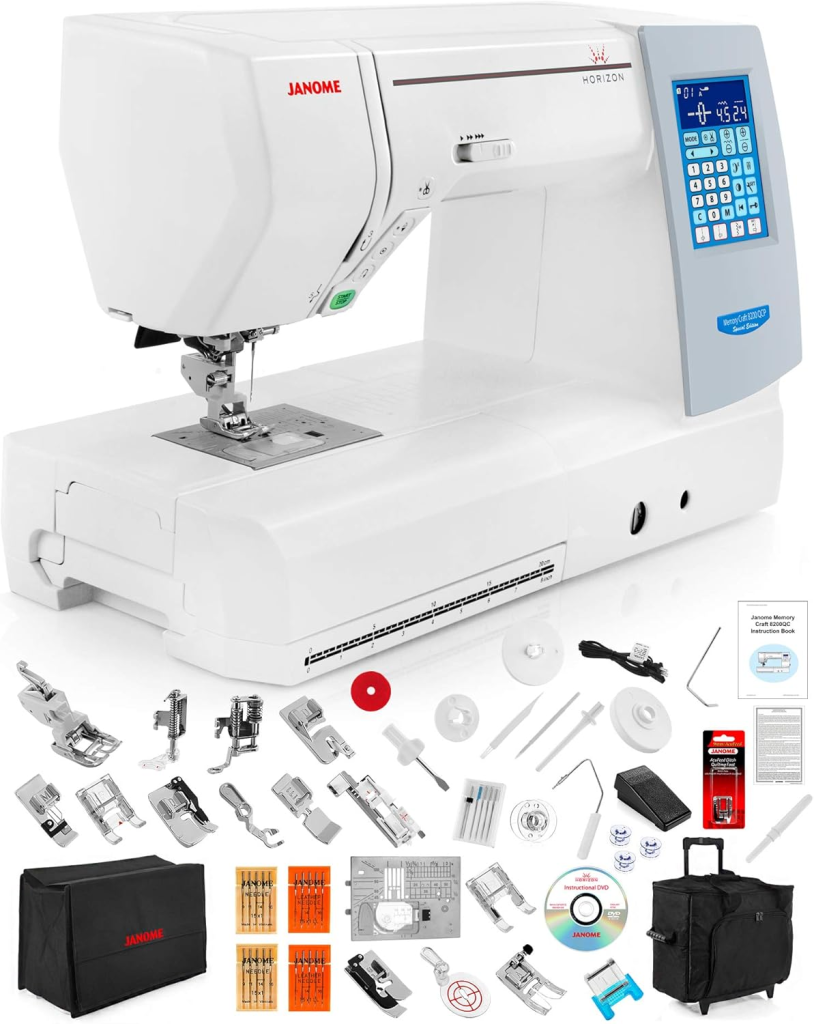
Janome Memory Craft Horizon 8200. This sewing machine is awesome, especially if your budget allows you to afford a truly last-several-years machine. This is a super fancy machine that has an extra-wide work area, a million stitches, and features that allow you to sew like totally seamless. It’s not the least expensive in its class, but the level of quality and performance is obvious. This is a great investment option for beginners who are serious and want nothing less than the best.
- Throat Space: Big 11″ x 5″.
- Stitches: Over 200 built-in stitches.
- Specialties: Auto. bobbin winder, auto. cutter, color touch screen
- Large 11″ throat space — ideal for quilting big projects
- Dual feed attachment for smooth, consistent fabric feeding
- Automatic thread cutter and built-in needle threader
- Knee bar included for hands-free presser foot control
- Runs quietly even on long quilting sessions
- Enhanced lighting around the needle area
- Well built and durable — premium quality at under $5K
- Intuitive controls — tech where needed, simple where expected
- Very heavy — difficult to transport regularly
- Dial stitch selector feels less durable than the touchscreen
- Soft cover hard to find due to the machine’s large size
- Electronics warranty is only 2 years on a $2,000+ machine
- A rare report of foot pedal running on — contact Janome support immediately if this occurs
- Accessories like the soft cover can ship on backorder
“This machine has been in constant use for almost two months. I am really getting into machine quilting my own quilts and am grateful to have a machine with a large harp area, reliable stitching quality, and many features of a far more expensive machine. The dual feed attachment, ability to change needle plates, enhanced lighting, easy controls, knee bar, and automatic thread cutter are all valuable features. I had a Janome before that was fine — but this machine is wonderful.”
Final Verdict
Buy the Janome Memory Craft Horizon 8200 QCP if you have been sewing regularly for at least 12 months, you are producing garments, quilts, or home furnishings at a volume where your current machine’s stitch consistency or throat space is the specific thing limiting your results, and your budget allows a machine you will not outgrow. The 11-inch throat space, 200+ stitches, and automatic cutter are features that pay for themselves over years of daily use, not months of occasional sewing.
6. Brother XR3774: Best Budget Machine for Beginners
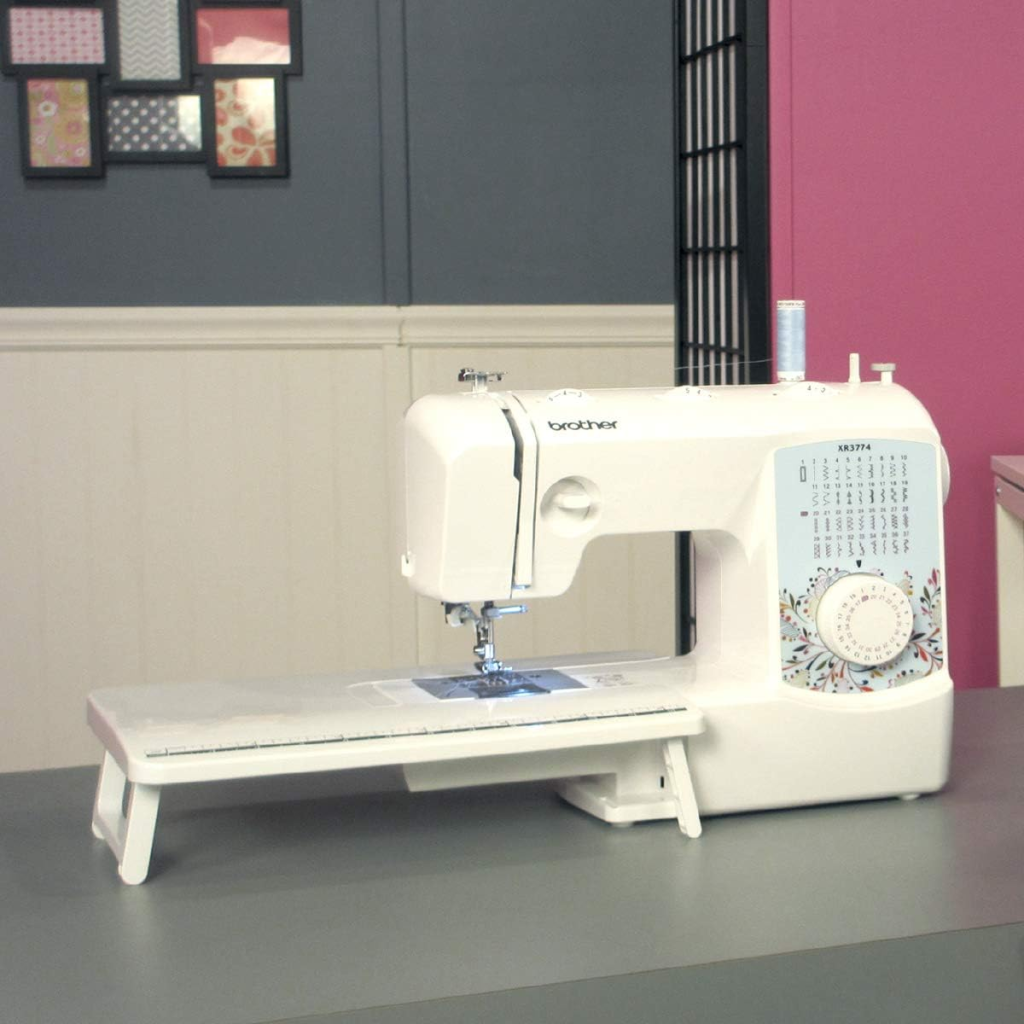
The Brother XR3774 is a very good option for those who are keeping an eye on their wallet. It has decent stitch selection (37 to be precise), and useful extras like a wide table and walking foot that are sometimes added costs with other machines. The price too is quite reasonable, corresponding, and overall, in my opinion, the Bernette B35 is among the top-rated sewing machines for hobby that one can get without emptying his/her pockets. It demonstrates that you don’t have to break the bank to get a good machine.
- Price: Very affordable.
- Features: Large table, walking foot, 37 stitches.
- Best For: Budget-conscious novices who require a few useful features.
Affordable and reliable. Full details are available in this Brother XR3774 review.
- Excellent value — packed with features for the price
- Lightweight and easy to set up and store
- 37 stitches including decorative options
- Automatic needle threader saves time
- Walking foot included — usually sold separately on other machines
- Handles canvas, upholstery, and quilt sandwiches well
- Easy to thread and load the bobbin
- Louder than higher-end machines — vibrates at speed
- Rubber feet grip is weak — machine can move on the table
- Extension table can come loose on larger projects
- Needle threader can bend if forced — handle with care
- Struggles with multiple thick layers of fleece or minky
- No instructional DVD included — online resources only
- Foot controller cord shorter than the power cord
“I didn’t know if I would even want to invest a lot of time into learning to sew — so I bought this for $160. Six months later I’ve made 3 lap quilts, a toddler quilt, 2 quilted sleep sacks, quilted totes, pillowcases, and more. It’s still going strong. Clearly you don’t need an expensive machine to quilt. The walking foot alone is worth it — buying it separately would cost about $20. For a budget quilting machine, this little gem comes with nearly everything you need to get started.”
Final Verdict
Buy the Brother XR3774 if your budget is firmly under 200$ and you need the walking foot and extension table included. It performs reliably within its design parameters. Skip it if you can stretch to the CS7000X, the speed control slider and additional stitches are worth the difference for a beginner, and buyers who purchase the XR3774 frequently report upgrading sooner than expected.
Tips for Using Your New Sewing Machine
So, you’ve just gotten your new little guy sewing machine, and you want to get right into it. I know I was! Before you dive right in and start sewing everything out of sight, let me tell you what I have learned to avoid stress.
First, and this one is huge: Read the manual. Seriously. I know, I know; definitely not a page-turner, but every machine is slightly different. It will even tell you just how to thread it, wind the bobbin, and what all those little dials do. The majority of beginner mistakes that result in skipped stitches or a thread tangle come from improper threading of the machine. All of this takes a couple of minutes and is well worth it.
Here are a few other things I always keep in mind:
- Choose an appropriate needle: Needles vary depending on the type of thread. For the life of me, a universal needle is great for any cotton fabric, but you need a ballpoint needle if you’re sewing with stretchy knits. A thick needle is a necessity for heavy material such as denim. The wrong one can create havoc with skipped stitches and fabric damage.
- Make the machine work for you: The fabric should not be pulled or pushed. The feed dogs (little metal teeth below the needle) move the fabric forward so that you can sew. Just be gentle and use your hands to guide. Pulling it can misalign your needle or damage the feed dogs.
- As you go, press: this is a new dawn for pro results. Press each seam flat with your iron after sewing. This aligns everything for the next step and gives your result a much neater finish.
- Buy decent thread: You don’t need the top-of-the-line, but stay away from those ridiculously cheap spools. It can be difficult to achieve consistent tension; they break easily and tend to shed a lot of lint. A quality thread makes a big difference to how smooth your machine stitches.
- Be clean: Lint accumulates after even a few hours of sewing around the bobbin area. Keep your machine in great running order and prevent problems with a quick brush-out. If your machine requires oiling, check your manual too.
Keep the basic things in mind, like try starting with a straight stitch or zigzag, then you can make adjustments to use decorative stitches your machine may offer! Spend time sewing on scrap fabric first to understand the tension and stitch length before proceeding with your real project. So it is all about confidence, stitch after stitch.
By following these baby steps, sewing becomes a lot more pleasant, and you will be able to create projects that you are truly proud of!
Before you start, it’s helpful to practice small projects like this how to make a simple tote bag at home or even try how to sew an apron to build confidence.
Is It Safe to Buy a Sewing Machine Online?
This question comes up a lot, and my response is usually, ” Yes, but… Purchasing a sewing machine via the internet can be a brilliant process of obtaining a top-notch deal, especially on fashions that could not even be easily available in neighborhood stores.
This is how I have managed to pick up some great machines and avoid spending a fortune in the process. Above all, the secret is eating from good retailers or an official online store. By doing this, you are closer to getting a quality and genuine product that is still under warranty.
Here are a few things I always keep in mind:
- Check the seller’s reputation: Look for reviews and ratings from other buyers.
- Understand the warranty: Make sure you know what’s covered and for how long.
- Confirm shipping details: How is it packaged? Is it insured?
- Read the product description thoroughly: Does it have all the features you need?
As appealing as the convenience and potential for savings from purchasing online is, do not ignore a good local dealer. They provide practical demonstrations, one-on-one advice, and often include beginner lessons. It can be especially valuable as one is learning that personal touch.
Seeing that one can make all the difference when your heart’s set on a particular example. If you want to buy stuff online, though, just research it. From basic hemming to more complex quilting, I’ve discovered some ridiculously priced machines that have completely fit my projects.
Note that you will need to include a good sewing machine carrying bag in all of this, but that’s common sense since protecting your investment in transport is always great.
Wrapping Up Your Sewing Journey
Well, there is my opinion on some extremely rugged stitching makers for novices. I know choosing the first one feels like a momentous occasion, but all three of them are so good that you can’t really go wrong. Lately, I’ve discovered that the machine is much easier to learn than it used to be, and it makes all of the difference.
What that means is you can really learn those stitches and make cool stuff without having to tangle with an intricate button or a tricky bobbin. I’m looking forward to seeing what you create with your new machine!
Frequently Asked Questions
What’s the simplest sewing machine for someone just starting?
In my opinion, the Brother CS7000X is the easiest one to get the hang of. It has a screen that shows you the stitch settings right away, a wider table to keep your fabric steady, and a speed control so you can sew at your own pace. Plus, it comes with 10 different presser feet for all sorts of jobs. The beginners I had tested found it super easy to learn.
How much money should I plan to spend on my first sewing machine?
I’d suggest setting aside about $150 to $250 for a good beginner machine that should last you a good 5 to 10 years. You can find machines for under $100, and they’re okay for learning the very basics, but they won’t let you do as many cool projects. Spending more than $300 usually isn’t necessary unless you really want to do embroidery.
Can I sew thicker fabrics like upholstery material when I’m new to sewing?
You can tackle lighter upholstery fabrics, like canvas or cotton duck, if you have a tougher machine, like the Singer 4423. You’ll want to use a size 16 needle and strong thread. Really thick stuff like vinyl or leather needs special machines, though. I always recommend starting with lighter fabrics and then moving up to heavier ones after you’ve sewn for about 20 to 30 hours.
Do I really need to take a sewing class before I buy a machine?
Not necessarily! There are tons of great YouTube videos, your machine’s manual, and beginner sewing books that can teach you a lot. But, if you can, taking one in-person class, which usually costs around $30 to $75, can really speed things up. You’ll learn how to thread the machine, adjust the tension, and get the basics down in just a couple of hours.
What’s the main difference between a mechanical and a computerized sewing machine for beginners?
Mechanical machines use knobs and levers, making them pretty straightforward but sometimes less exact. Computerized machines use buttons and screens, offering more stitch options, fancy features, and steadier stitch quality. Honestly, for beginners, computerized machines like the Brother CS7000X are often easier to use, even though they might look more complicated at first.
How often should I practice sewing when I’m just starting?
The best way to get good is to practice regularly! Aim to sew at least a few times a week, even if it’s just for 30 minutes. The more you use your machine, the more comfortable you’ll become with threading it, changing stitches, and handling different fabrics. Consistent practice is key to building your skills and confidence.


16 Comments