Best Iron Steamer for Clothes in 2026: Top Picks, Pros, Cons & Buyer’s Guide
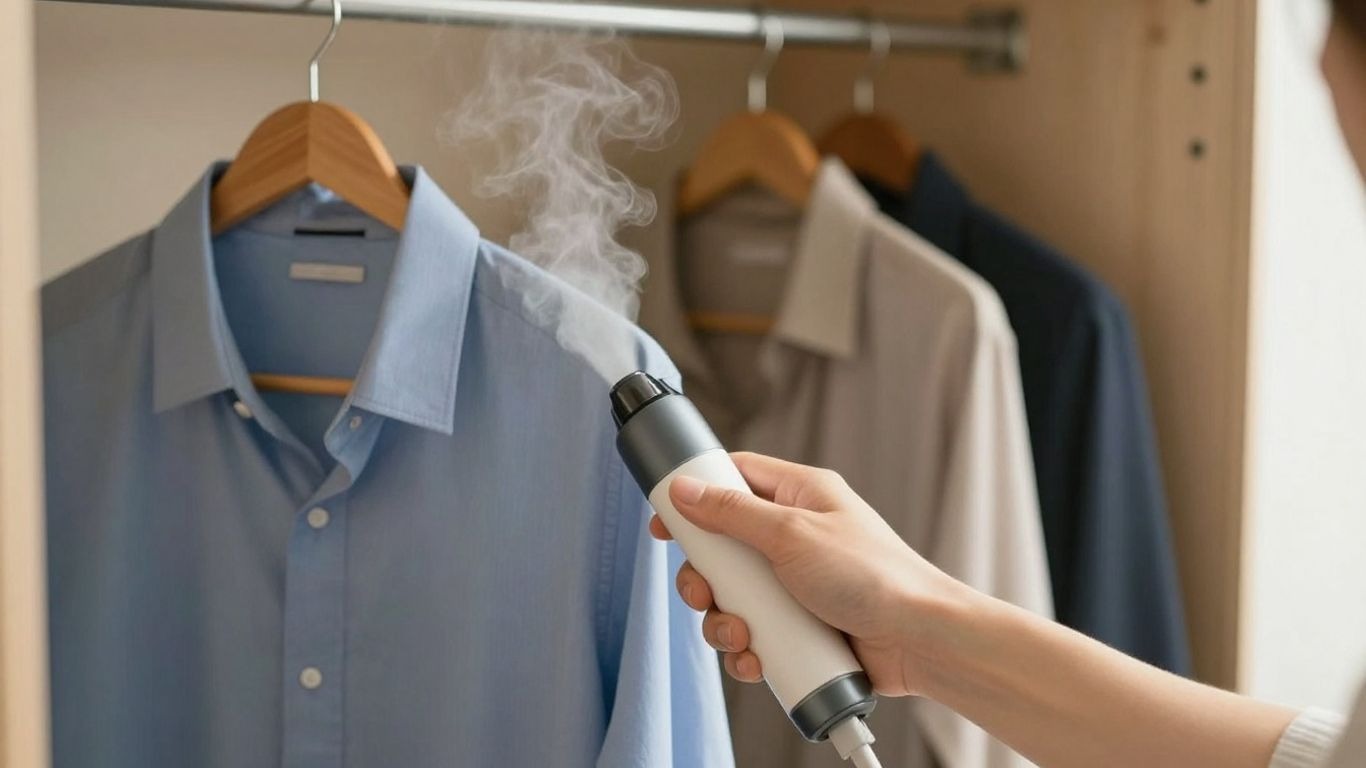
Finding the best iron steamer for clothes in 2026 can make everyday garment care faster, easier, and safer for delicate fabrics. Whether you need a quick wrinkle remover for shirts, a portable travel steamer, or a powerful garment steamer for home use, the right model can help you refresh clothes without using a bulky ironing board. Modern steamers are designed to remove wrinkles, freshen fabrics, and handle items like dresses, suits, curtains, and upholstery with less effort.
In this guide, I will explain how iron steamers work, what features matter most, and which models are worth considering. You will also learn the pros, cons, and final verdict for top-rated steamers so you can choose the right option for your routine, budget, and fabric-care needs.
Key Takeaways
- A good iron steamer removes everyday wrinkles faster than setting up a full ironing board.
- Handheld and travel steamers are best for quick touch-ups, delicate fabrics, and small spaces.
- Steam stations are better for larger laundry loads, thick cotton, linen, bedding, and long sessions.
- A steamer is gentler than direct ironing, but it will not always create sharp creases on dress pants or collars.
- Check voltage, tank size, heat-up time, steam settings, and fabric compatibility before buying.
Best Iron Steamer for Clothes: Quick Answer
The ideal iron steamer for clothes is the one that suits the way you take care of your clothes. A small handheld steamer is often the simplest option if you primarily steam your clothes, dresses, and travel wardrobe. A higher capacity steam station will perform better and longer if you use it for suits, curtains, bedding, linen, or weekly family laundry.
If you are like most buyers, you should not only look at the wattage, but also at the fabric type, water-tank size, heat-up speed, and portability of the steamer. A travel steamer may be ideal for everyday use, and a larger steam station is more useful when you want to get some serious wrinkle removal at home.
If you’re also comparing traditional pressing options, our guide to the best clothing irons explains when an iron may be the better choice.
If you frequently work on sewing projects, pairing a steamer with a mini iron for sewing can make detailed fabric preparation much easier.
Why Choose an Iron Steamer Over a Traditional Iron?
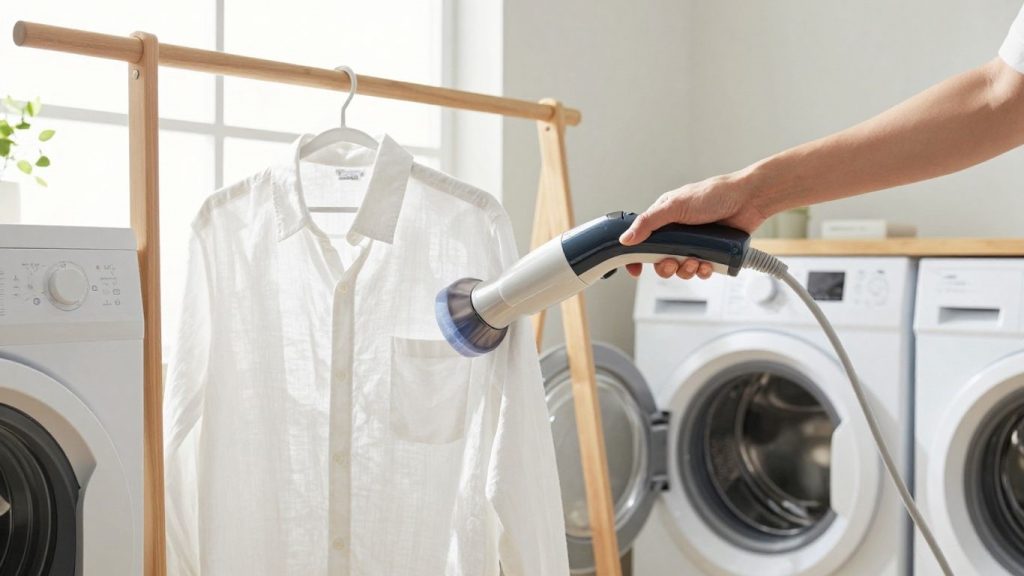
For many fabrics, the best iron steamer is a more convenient, quicker, and safer option than a traditional iron. Traditional irons apply direct heat and pressure, resulting in crisp creases but potentially damaging delicate fabrics. A garment steamer is a device that uses hot steam to soften the fibers of garments, particularly suitable for shirts, dresses, blouses, curtains, suits, and travel clothes.
A steamer is also easier to use when you need a quick pick-me-up before work, before dinner, before traveling, or before a meeting. You can hang the clothing, fill the tank, turn on the heat, and iron without the need for an ironing board. This makes clothes steamers a great option for apartments, dorm rooms, hotels, small laundry areas, and hectic mornings.
However, a steamer is not always a complete replacement for an iron. For sharp creases in trousers, crisp collars, flat seams, and precision work, a traditional iron still performs better. If you’re deciding between different ironing solutions, see our complete guide to the best clothing irons before choosing.
Iron Steamer vs Traditional Iron: What Is the Difference?
There are a lot of buyers looking for an iron steamer because they want something that’s quicker than an iron but more powerful than a simple fabric refresher. The following table provides information on how each tool works in real life, which will allow readers to make their selection based on their wardrobe rather than from product images.
Use this comparison as a buying shortcut. A steamer is typically easier if your clothes are largely lightweight, fine, or travel-related. For clothing that requires a pressed and formal look, an iron or a 2-in-1 steamer-and-iron combo might be the better long-term option.
If your sewing projects require perfectly pressed seams before stitching, you’ll also benefit from reading about the best ironing boards for a more stable work surface.
| Feature | Iron Steamer / Garment Steamer | Traditional Iron |
|---|---|---|
| Wrinkle-removal method | Uses steam to relax fibers while the garment hangs vertically. | Uses heat, pressure, and a flat soleplate on an ironing board. |
| Best for | Shirts, dresses, blouses, travel clothes, curtains, suits, and delicate fabrics. | Dress pants, collars, cuffs, pleats, seams, linen, cotton, and crisp finishes. |
| Fabric contact | Usually light or no direct pressure, depending on the model. | Direct contact with the fabric surface. |
| Setup time | Usually faster and easier for quick touch-ups. | Requires a board or flat surface and more careful temperature control. |
| Finish style | Soft, natural, wrinkle-reduced finish. | Sharper, pressed, more structured finish. |
| Travel use | Better if compact, dual-voltage, and leak-resistant. | Less convenient unless it is a travel-sized iron. |
This table also addresses a common misconception: that steamers are not necessarily stronger than irons. They are just more appropriate for various tasks. A steamer is the fastest, gentlest, and most portable option, and an iron is the best choice when the fabric requires firm pressure or a very crisp edge.
To ensure optimal use, use the appliance with the garment. Heavy linen can take several passes with the steamer or an iron to refresh a silk blouse or travel shirt. This well-rounded description helps to build trust with the buyer and avoid unrealistic product expectations.
Types of Iron Steamers Available
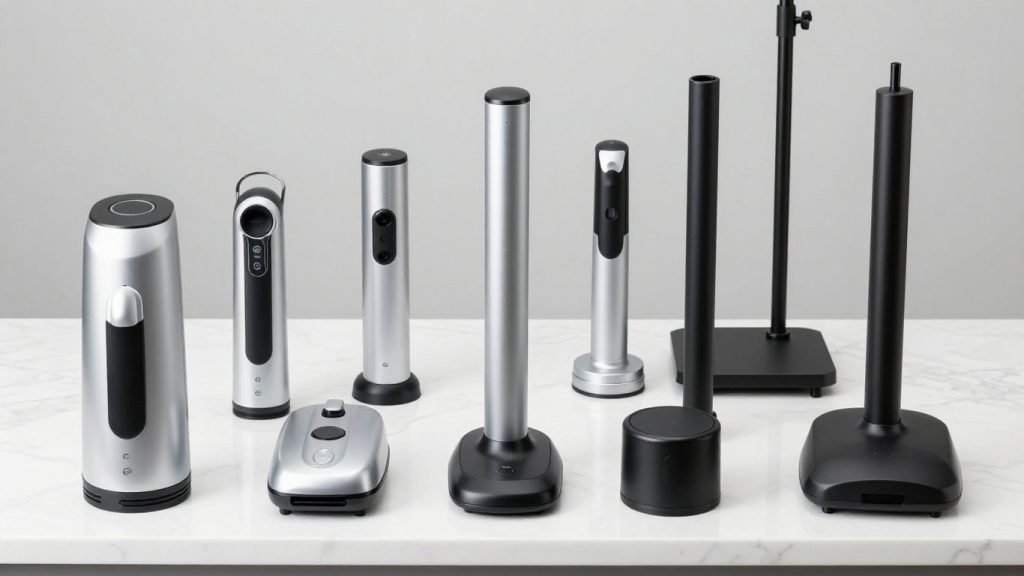
The choice of the unit will depend on how often you steam clothes, if you travel with it, and how much space you have to store it. The majority of consumers will select one of three types: handheld garment steamers, upright garment steamers, or steam stations or steam-generator irons.
There are different strengths in each category. Handheld models are convenient and compact, upright models are ideal for regular use at home, and steam stations offer more power to larger laundry loads. The right choice is not just based on the product rating but also on your wardrobe.
If you regularly sew garments at home, having the right workspace is equally important. Pairing a garment steamer with one of the best sewing chairs can make longer sewing and fabric preparation sessions much more comfortable.
Handheld Garment Steamers
The simplest option for getting rid of wrinkles at home is a handheld garment steamer. They are small, light, and typically warm up rapidly, making them perfect for a single or two shirts before heading out the door. They are great for apartments, dorm rooms, small closets, and those who aren’t interested in installing an ironing board.
The only thing that limits it is the tank size. A handheld clothes steamer is not always the most suitable option for a large load of laundry, as the water tank is smaller and the amount of steam produced may not be as powerful as a full-size clothes steamer. For convenience, rather than for marathon steaming sessions.
For crafters and sewists who travel with their equipment, you may also want to explore the best sewing machine carrying cases to keep your sewing gear protected while on the move.
Upright Garment Steamers
The upright steamers are designed for those who steam multiple garments at a time. They are typically equipped with a larger base, longer hose, and a larger water tank. This makes them suitable for formal wear, uniforms, dresses, curtains, upholstery, and homes that steam clothes frequently.
The downside is that storage space is sacrificed. Upright steamers are not as portable as handheld steamers and are not suitable for travel. But if you are looking for a continuous stream at home, then this category can save you some time and refills.
Travel Steamers
Travel steamers are small steamers that fit in suitcases, hotel rooms, business trips, weddings, and vacations. The ideal travel steamer for clothes is light, easy to pack, and fits the voltage of the country you are traveling to. Dual-voltage models are particularly convenient for traveling abroad, and you might still require a plug adapter.
Travel steamers are smaller and are used for touch-ups of laundry, not for full loads. They can be used to refresh shirts, dresses, blazers, and packed items, but for heavy fabrics, more passes or a more powerful home unit may be needed.
Steam Stations and 2-in-1 Steam Irons
Steam stations and 2-in-1 steamers are designed for those who are looking for more power than a handheld steamer. A steam station typically has a bigger tank and higher steam pressure, and a 2-in-1 steamer-and-iron features a heated panel for light pressing. These units are ideal for those who want the convenience of steaming along with a more refined look.
The drawback is that such devices may be bulkier and costlier. They are ideal for home use where heavy cotton, linen, workwear, curtains, and bedding are used frequently. A small handheld steamer is typically more convenient for quick trips.
If your projects involve quilting or garment construction, using a quality ironing setup alongside the best ironing board helps achieve cleaner, more accurate results.
Key Features to Consider When Buying an Iron Steamer
When considering the purchase of an iron steamer, do not just consider the product name, but also the details that will impact daily use. A model may seem impressive on paper but be a pain to use if the tank is small, the handle is awkward, or the steam button is hard to press for longer sessions.
Steam output, heat-up time, tank capacity, voltage support, weight, grip comfort, steam settings, safety features, and type of fabrics to steam are the most significant buying considerations. The well-matched steamer will be easier to use and will give you better results without much effort.
Steam Output and Heat Settings
The steam output is important because the heavier the fabric, the more moisture and heat will be required to relax wrinkles. Shirts and dresses can be treated with a travel steamer, but linen, denim, cotton, and curtains may require a more powerful steam station or multiple passes. It is useful that the steam can be adjusted because it allows you to set the steam level lower for delicate items.
Heat settings are particularly helpful on 2-in-1 steamer and iron models. Delicate fabrics require low heat, and cotton and linen fabrics can generally be treated to higher heat. When using steam or direct contact heat, always refer to the garment care label, particularly with synthetic blends, coated fabrics, leather, suede, sequins, and plastic trims.
Water Tank Capacity and Refill Ease
Water tank size directly affects how long you can steam before refilling. A small tank keeps the unit light and portable, but it may interrupt you if you steam multiple garments. A larger tank supports longer sessions but adds weight and takes up more storage space.
Use the table below to match tank capacity with real use. This helps readers avoid overbuying a bulky unit or underbuying a tiny model that cannot handle their laundry routine.
| Steamer Category | Ideal Tank Size | Best Use Case | Portability |
|---|---|---|---|
| Travel steamer | Under 6 oz / ~180 ml | Hotel touch-ups, one outfit, suitcase use | Very High |
| Handheld steamer | 6-10 oz / ~180-300 ml | Daily shirts, dresses, small batches | High |
| Upright steamer | 40-70+ oz / ~1.2-2 L | Large batches, suits, curtains, formal wear | Low |
| Steam station | 50+ oz / ~1.5 L+ | Long sessions, thicker fabrics, home laundry | Low to Medium |
If you only need to steam one shirt in the morning, then you should not look for the biggest tank. A smaller unit will be easier to hold and store. Conversely, a family household, stylist, boutique, or someone who wears formal wear often will appreciate a larger tank and more powerful continuous steam.
The design of the refills is important too. The removable tank is easier to fill and clean, and a narrow opening can become a nuisance over time. If you are in a hard water region, see if the manual says to use distilled, filtered, or tap water to minimize mineral deposits.
Heat-Up Time and Continuous Steam Duration
When you need to be ready in a hurry, a quick heating time is a good attribute. Many portable steamers claim to steam in 15-30 seconds, and larger steam stations will steam longer, but not as quickly. This will depend on the type of value you place on speed or long, continuous sessions.
Heat-up speed is not the only factor; it’s also important to have a continuous steam duration. Quick-heating steamers that use up water after one garment may not be suitable for weekly laundry. Consider heat-up time and run time when selecting a model.
Portability, Ergonomics, and Safety
A portable steamer should feel comfortable in your hand, not just look compact in product photos. Test the weight, the shape of the handle, the length of the cord, the ability to rotate the head, and the ability of the unit to stand on a flat surface. If the steamer is not set up properly, it can cause your wrist to get tired during a longer session.
Safety attributes are also important. Clear fill marks, stable bases, heat-resistant panels, leak protection, and auto shut-off are all features that minimize risk. Do not leave a hot steamer unattended and let it cool completely before storing or packing it in a bag.
Fabric Compatibility: What Can You Steam Safely?
One of the most crucial aspects of a reliable iron steamer guide is fabric compatibility. Steam is not as harsh as direct ironing, but not all materials can be used with steam. If the fabric is delicate or valuable, readers should always test a hidden area first and read the garment care label.
The following table provides general guidelines for typical fabrics. It is not meant to replace the garment tag or the product manual, but it does provide some guidance to the user on when to use low steam, high steam, direct pressing, and extra caution.
Steam works well on cotton, wool, linen, and many everyday garments, but certain fabrics require extra caution. For garments that eventually need alterations instead of wrinkle removal, our tutorials on how to sew a hem and how to hand sew a hem can help you extend the life of your clothing.
| Fabric / Item | Steamer Use | Best Practice |
|---|---|---|
| Cotton shirts | Usually Safe | Use steady passes and hold fabric taut for better wrinkle removal. |
| Linen | Usually Safe | Use stronger steam or multiple passes; iron if you need a crisp finish. |
| Silk and chiffon | Use Caution | Use low steam, avoid direct contact heat, and test first. |
| Wool and suits | Usually Safe | Steam lightly from a distance to refresh shape without flattening texture. |
| Denim and heavy cotton | May Need More Power | Use a strong steamer or iron for deep wrinkles. |
| Leather, suede, waxed, coated, or plastic-trimmed items | Avoid | Steam can damage finish, melt trim, or alter texture. |
This fabric advice enriches the article with a semantic layer that is relevant to the reader’s search intent, as many people look for specific types of fabrics when purchasing a steamer, such as “best steamer for silk,” “can steamers work on curtains,” and “steamer for linen shirts.” Answering these questions helps build topical authority and boosts the blog’s likelihood of appearing in search results for long-tail keywords.
It also enhances the trust of users. There are plenty of product guides that overestimate themselves and claim steamers can be used on anything. A more accurate explanation is that steamers are great for lots of clothes, but should be utilized with care on delicate, coated, or structured items.
My Top Picks for the Best Iron Steamers in 2026
The following recommendations optimize the original five products into a clearer, buyer-focused review section. Each model is positioned for a specific use case, such as travel, heavy-duty home use, fast heat-up, or global voltage compatibility. This structure helps readers quickly decide which steamer fits their routine.
| Pick | Best For | Key Strength | Main Limitation |
|---|---|---|---|
| Jack & Rose Travel Steamer for Clothes | International travel and compact packing | 2-in-1 steamer/iron design with compact body | Not as powerful as a full-size steamer |
| Rowenta Master Steam Station VR8338 | Heavy-duty home steaming and pressing | Large tank, steam station power, stainless soleplate | Bulkier and less portable |
| OGHom 110-240V Travel Steamer & Iron | Multi-mode travel use | Dry, low steam, and high steam modes | Small-tank category, not for large batches |
| DRFLASH 2-in-1 Steamer & Iron | Fast daily touch-ups | 1200W power and quick heat-up design | 110-120V model limits global travel use |
| 100-240V 1200W Travel Steamer & Iron 2-in-1 | Global travel and flexible packing | Dual-voltage style listing and compact design | Brand/seller details may vary by listing |
The comparison table provides a quick decision path for readers before the more in-depth reviews. It also enables answer-engine optimization, as it provides a concise, extractable format that AI search systems can easily process and understand for product use cases.
The table should not be used to replace the product reviews, however. The detailed sections below describe who each model is best suited for, what to anticipate in actual use, the key advantages and disadvantages, and the final verdict for the buyer still comparing models.
1. Jack & Rose Travel Steamer for Clothes — Best Compact Travel Pick
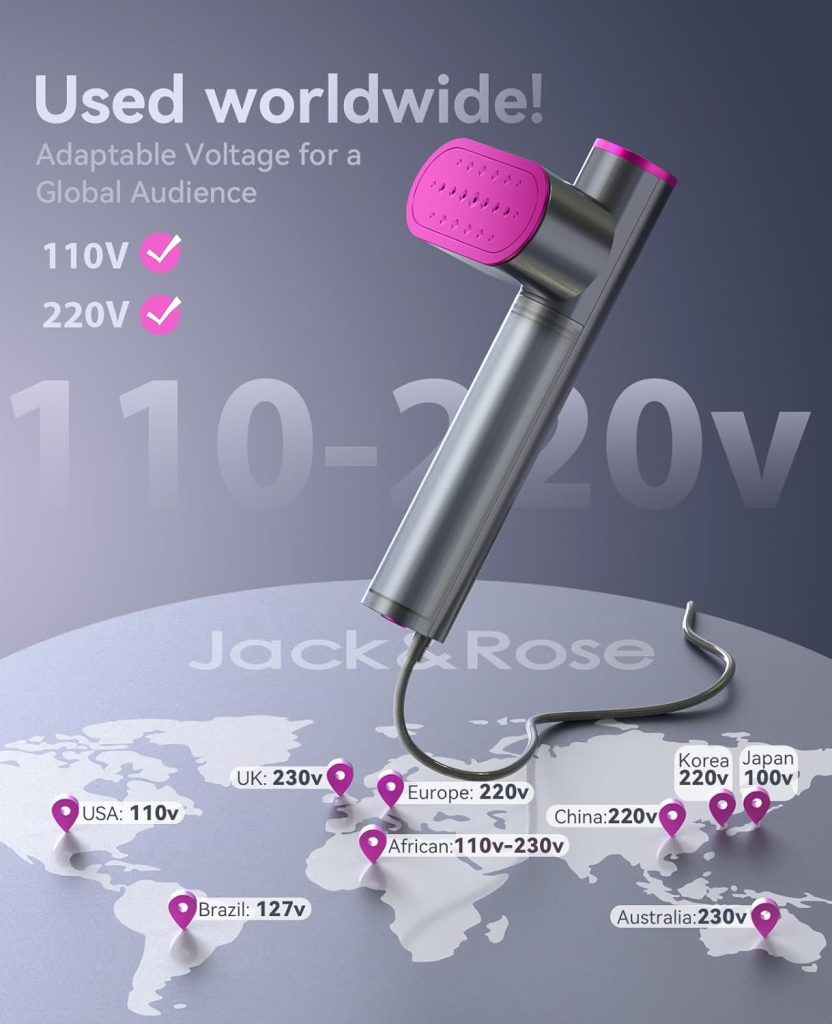
The Jack & Rose Travel Steamer for Clothes is a good option for those who need a single compact steamer and light ironer. It is compact, has a rotating steam head, a travel bag, a long cord, and a heat-resistant plate, making it convenient for use in hotels, business trips, weddings, and vacations. The 2-in-1 design is helpful if you need to hang clothes and give them a soft steamed look or if you want to press lightly on a flat surface.
This is the best model for those who value portability over power. It can quickly steam outfits, shirts, dresses, and blouses, but shouldn’t be expected to steam as a large upright steamer or professional steam station. For those who want to travel with a wrinkle-reduction product, it provides a balance of convenience, portability, and fabric care options.
| Pros | Cons |
|---|---|
|
|
Final verdict: Choose Jack & Rose if you need a compact travel steamer that can also handle light ironing. It is best for quick outfit touch-ups, not for heavy home laundry sessions.
2. Rowenta Master Steam Station VR8338 — Best Heavy-Duty Home Pick
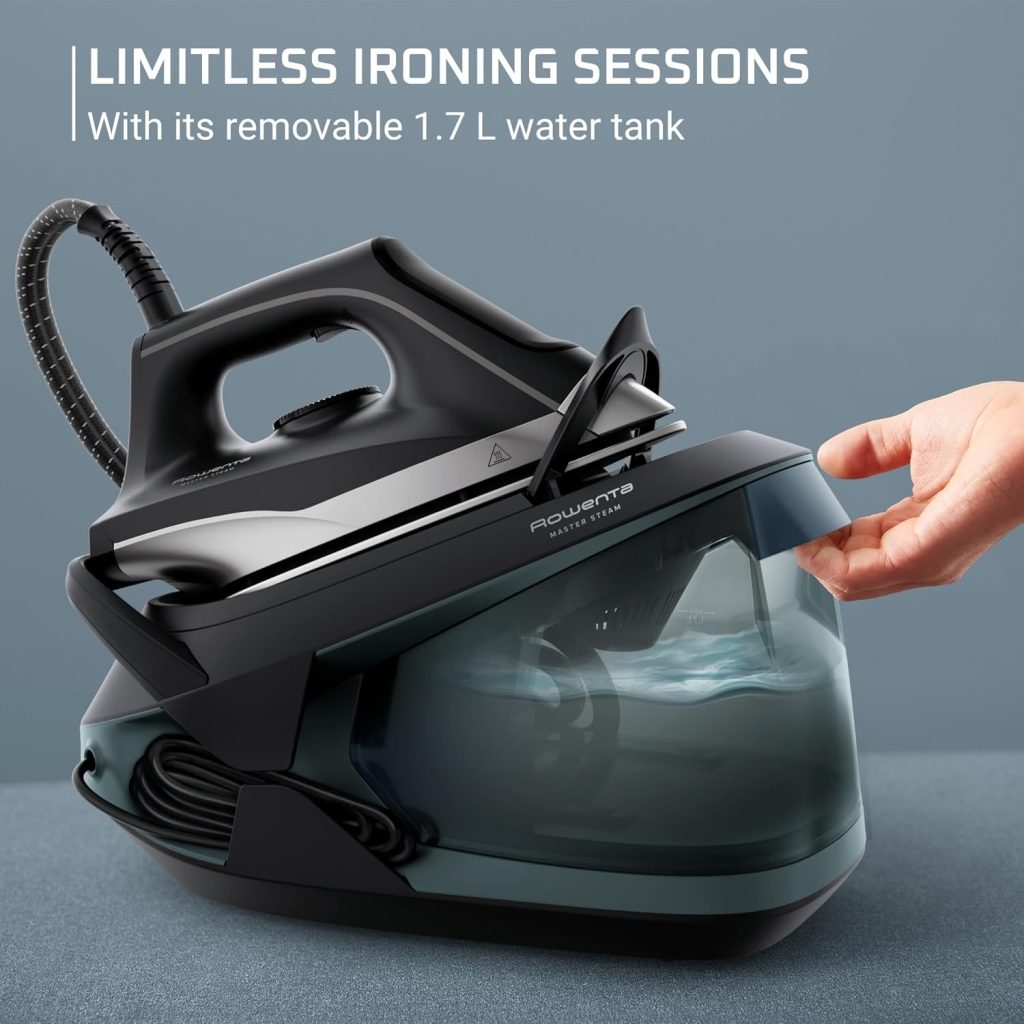
The Rowenta Master Steam Station VR8338 is the most powerful home steam station in this list. It is a steam station in design, rather than a small travel steamer, and features a 57 oz removable water tank, 1750-watt output, stainless steel soleplate, built-in pump technology, and 400 microsteam holes for broader steam distribution. It is ideal for those who frequently wash heavy cotton, linen, curtains, bedding, uniforms, or heavy laundry loads.
This is the best model for those who wish to get more wrinkle removal and longer sessions at home. It’s not as easy to pack or have a small bathroom, but it’s the power that a small handheld steamer can’t even come close to. Rowenta is the top choice among the original five models if you’re looking for a premium finish, endurance, and performance.
| Pros | Cons |
|---|---|
|
|
Final verdict: Choose Rowenta VR8338 if you want serious home garment care power. It is the best fit for heavy fabrics, larger loads, and users who still want a pressed finish.
3. OGHom 110-240V Travel Steamer & Iron 2-in-1 — Best Multi-Mode Travel Pick
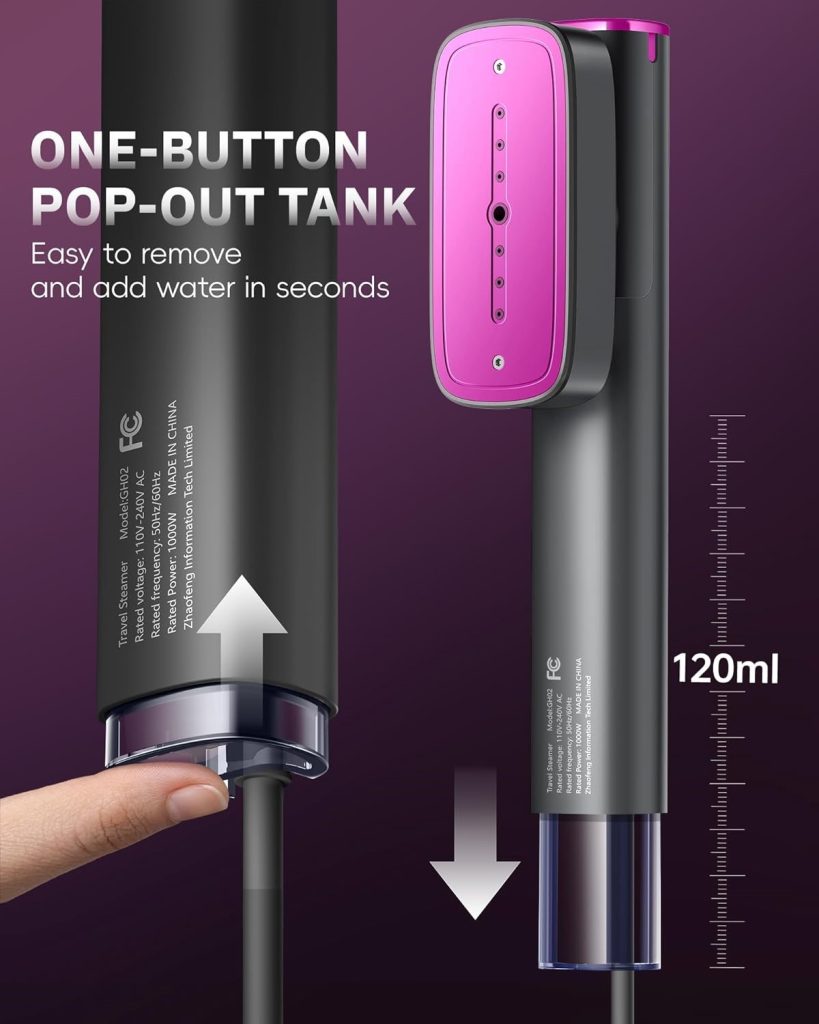
For those who prefer a portable device with greater control, the OGHom 110-240V Travel Steamer & Iron 2-in-1 is a versatile option. It features a 1000W heating power, a head that can be rotated by 90 degrees, dry mode, low steam, high steam, and a 30-second heat-up time. These features make it helpful to alternate between fine fabrics and more robust everyday clothes.
This model is designed for travelers, office users, and apartment owners who need a small wrinkle remover with multiple functions. It is not an alternative to a big steam station, but it is versatile enough for everyday clothes such as shirts, blouses, dresses, and travel clothes. The multi-mode feature is particularly useful if you want to use one fixed steam level for each fabric.
| Pros | Cons |
|---|---|
|
|
Final verdict: Choose OGHom if you want a portable steamer with multiple fabric modes. It is a smart option for travel and daily touch-ups where control matters more than tank size.
4. DRFLASH 2-in-1 Steamer & Iron for Clothes — Best Fast Heat-Up Pick
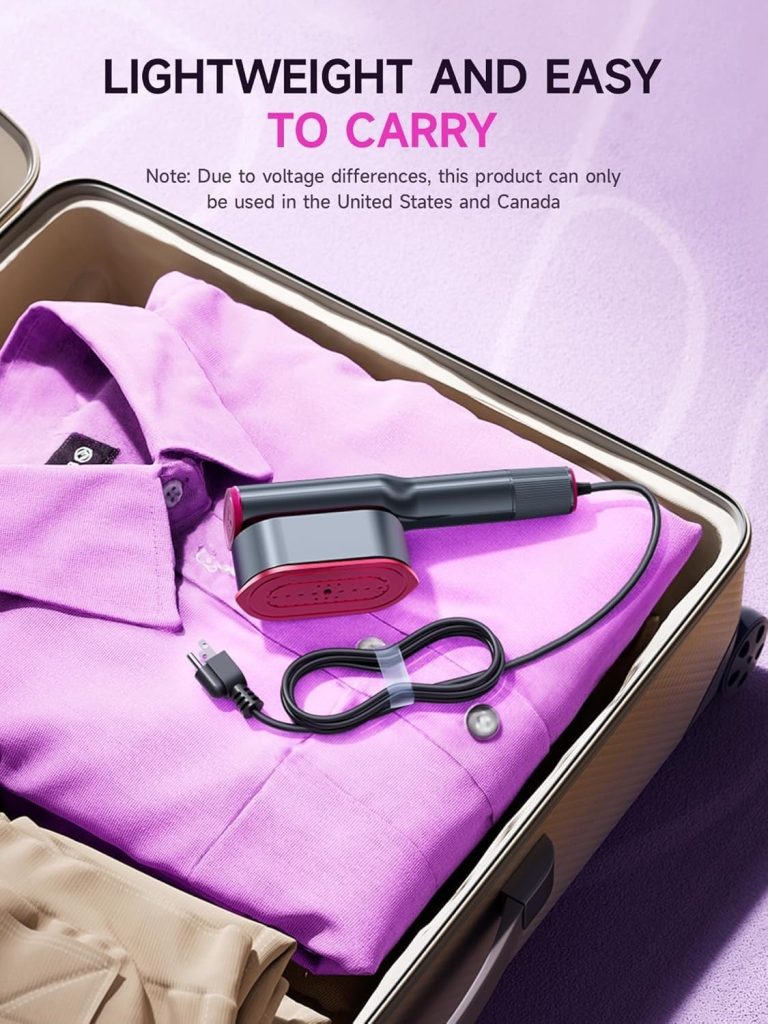
The DRFLASH 2-in-1 Steamer & Iron is designed for those who desire fast results without a big appliance. It has a 15-second fast heat-up design, 1200W power, a large ceramic heat panel, and a compact handheld body. It’s designed to be a convenient wrinkle-removing product for use at home, in travel packs, and for daily outfit preparation.
If you find yourself with wrinkles just before heading out, this model is particularly attractive. The large ceramic panel makes it more like a mini iron for light pressing, and the steam function helps rejuvenate hanging clothes. The primary drawback is voltage: the one listed is 110V-120V, which isn’t ideal for traveling overseas unless you have the right voltage equipment or can convert to that voltage.
| Pros | Cons |
|---|---|
|
|
Final verdict: Choose DRFLASH if speed is your top priority. It is a strong, quick-touch-up option, especially for home users in 110V-120V regions.
5. 100-240V 1200W Travel Steamer & Iron 2-in-1 — Best Global Voltage-Style Pick
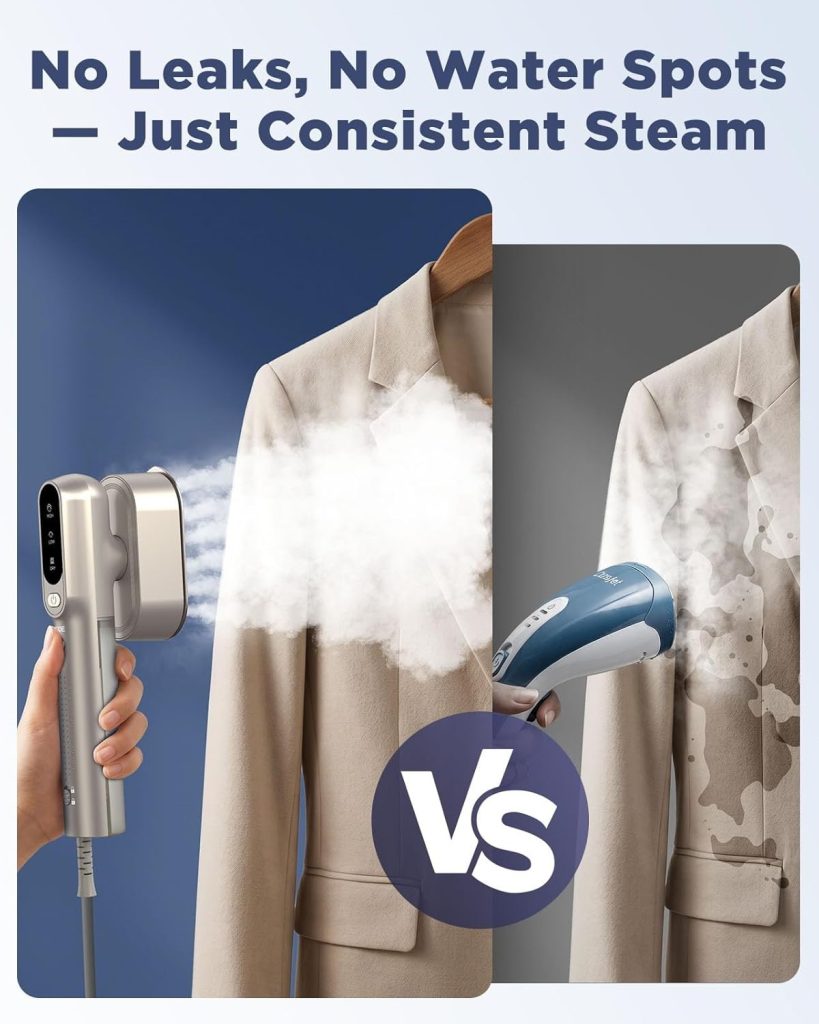
The 100-240V 1200W Travel Steamer & Iron 2-in-1 is created for customers who would like a compact steamer that is versatile enough to operate on any voltage, worldwide. The listing language emphasizes quick heat-up, handheld portability, a large heat panel, and wrinkle removal for traveling, home, hotel, global, and European use. This is a convenient choice for those who wish to have one device for both home and travel.
This product title is used in similar Amazon product listings, so check the live seller, exact brand, warranty, voltage range, tank size, and reviews before publishing or purchasing. If the listing is correct, this type of steamer might be a middle-ground option: more portable than a steam station, but more versatile than a plain mini steamer. It is ideal for light to medium clothing and travel clothes.
| Pros | Cons |
|---|---|
|
|
Final verdict: Choose this 100-240V 1200W style model if global voltage flexibility is your main requirement. It is a practical travel pick, but verify the exact Amazon seller before publishing the recommendation.
Which Iron Steamer Should You Buy?
This will depend on your primary application. For frequent travelers, the key features to consider are compact size, voltage compatibility, leak resistance, and quick heat-up time. For a home user who has bigger laundry loads, they should pay attention to the tank capacity, steam power, soleplate quality, and continuous steam duration.
A simple recommendation path is provided below. This section is good for SEO because it is geared towards buyer intent keywords like “which steamer should I buy,” “best clothes steamer for travel,” and “best steamer for home use.”
| Buyer Type | Best Match | Why It Fits |
|---|---|---|
| Frequent traveler | Jack & Rose or 100-240V 1200W travel steamer | Compact designs are easier to pack and better for hotel touch-ups. |
| Heavy home user | Rowenta Master Steam Station VR8338 | Large tanks and stronger steam support long sessions and thicker fabrics. |
| Beginner / casual user | OGHom or DRFLASH | Simple handheld operation and fast heat-up make daily use easier. |
| International traveler | OGHom or 100-240V style model | Voltage compatibility is more important than raw wattage for global trips. |
| Formalwear user | Rowenta or a true steam iron | A stronger unit is better for crisp finishes and structured garments. |
This table helps the recommendation be more useful as it relates each product to a real-life buyer profile. The article no longer just lists five products at random, but now leads the reader to the model that will work for their wardrobe, travel style, and laundry needs.
This section can also help with monetization as readers can self-identify easily. The traveler will naturally gravitate toward the travel picks and the home user toward the power picks, Rowenta.
How to Use an Iron Steamer Correctly
Relying on a steamer properly enhances outcomes and decreases water spots. Always consult the garment care label, fill the tank to the recommended level, and let the appliance heat up completely before handling the fabric. Place on a sturdy hanger and gently pull the fabric taut with your other hand when steaming.
Slowly slide the steamer up and down, and do not press down too hard unless the steamer is meant to be used directly on the surface. If your fabric is delicate, move the steam head away from the fabric, and if possible, set the steam head to a lower setting. If wrinkles are persistent, do not steam for too long in one area, but repeat passes.
- Check the garment care label before steaming.
- Fill the tank with the water type recommended by the manual.
- Let the unit reach full temperature before use.
- Hang the garment securely and pull the fabric gently taut.
- Steam from top to bottom using slow, even passes.
- Let the garment dry for a minute before wearing or storing it.
If your garment requires alterations before steaming, such as shortening pants or dresses, you may find these tutorials useful:
- How to Hem Pants
- How to Sew a Hem
- How to Hand Sew a Hem
- How to Hem a Dress Without Sewing
- Hemming Tape Guide
Maintenance Tips to Make Your Steamer Last Longer
Regular maintenance helps to maintain steam output and prevent spitting, sputtering, and mineral build-up. Drain the water tank after use, cool the steamer completely, and dry it. Distilled or filtered water may be used to help prevent scale in hard water areas, but always refer to the manufacturer’s manual first.
When the steam output is weak, the appliance may require descaling. Avoid harsh chemicals unless they are specified in the manual. Cleaning a clogged steamer is not only for safe appliance care, but also for safe garment care because a clogged steamer can cause stains on garments, spit water, or produce inconsistent steam.
- Empty the tank after every use to reduce standing-water buildup.
- Let the appliance cool before storing or packing it.
- Use distilled or filtered water if recommended by the manual or if your tap water is hard.
- Clean the steam head and vents when output becomes weak.
- Do not overfill the tank, because this can cause spitting or leaks.
If you also use traditional irons for certain fabrics, keeping them clean is equally important. Choosing one of the best clothing irons with anti-scale features can reduce maintenance over time.
Common Mistakes to Avoid
Poor steamer performance is often due to user error, not the steamer’s failure. The most frequent errors are steaming before the steamer is hot, overloading the tank, positioning the steamer incorrectly, using the wrong setting for delicate fabrics, and assuming that a travel steamer can be used as a full steam station.
Do not use steam on leather, suede, waxed fabrics, and some coated synthetics, which can be damaged by heat or moisture. When in doubt, try a secret spot first or hire professional cleaners for valuable clothes.
When working with handmade garments or sewing projects, preparing fabric correctly before stitching also improves results. Beginners can learn more in our guide on how to learn sewing.
Conclusion: Finding the Best Iron Steamer for Your Clothes
The ideal iron steamer for clothes should fit your lifestyle, the type of fabrics you wear, and the amount of closet space you have. A small travel steamer is ideal for small amounts of fabric or for use in suitcases, and a large steam station is ideal for larger quantities of fabric and heavier fabrics. The initial product selection is a lot easier if the right category is selected.
Of the five optimized picks, Jack & Rose is good for travel, Rowenta is good for home power, OGHom is good for multi-mode control, DRFLASH is good for fast heat-up, and the 100-240V 1200W style model is good for global voltage when verified live. Think about how the product will be used, not the number of watts it has or pictures of the product.
A good steamer can save time, save delicate clothes, and help to keep clothes looking fresher with less effort. The key to success is matching the appropriate appliance, fabric care, maintenance, and expectations with steaming.
Frequently Asked Questions
Can I use a steamer on all types of fabric?
No. Many fabrics can be steamed safely, but you should always check the garment care label first. Steam works well on many shirts, dresses, wool suits, and delicate fabrics, but it can damage leather, suede, waxed materials, coated fabrics, and some plastic trims.
Can a clothes steamer replace an iron?
A clothes steamer can replace an iron for many daily wrinkle-removal tasks, especially on casual clothes and delicate garments. However, an iron is still better for sharp creases, crisp collars, flat seams, and structured clothing.
Is a handheld steamer good for travel?
Yes. A handheld steamer is one of the best wrinkle-removal tools for travel because it is compact, quick to use, and easier to pack than an iron. For international travel, choose a dual-voltage model and carry the correct plug adapter.
How much water tank capacity do I need?
For one or two garments, a small travel or handheld tank is usually enough. For weekly laundry, curtains, suits, bedding, or multiple outfits, choose an upright steamer or steam station with a larger tank.
Why does my steamer spit water?
A steamer may spit water if it is not fully heated, overfilled, held at the wrong angle, or clogged with mineral buildup. Let it reach full temperature, keep it upright when required, and clean it according to the manual.
Should I use distilled water in my steamer?
Distilled water can help reduce mineral buildup, especially in hard-water areas. However, always follow your specific product manual because some brands may allow tap water or recommend a particular maintenance routine.
Do travel steamers work on linen?
Travel steamers can reduce wrinkles on linen, but linen is a stubborn fabric and may need multiple passes. If you want a sharp pressed finish, a traditional iron or strong steam station usually performs better.
Are 2-in-1 steamer-and-iron models worth it?
They are worth it if you want both vertical steaming and light pressing in one portable tool. They are not always as powerful as full steam irons, but they are convenient for travel, hotel rooms, and quick daily touch-ups.
How do I choose the best iron steamer on Amazon?
Check the product title, wattage, voltage range, tank size, heat-up time, steam modes, return policy, seller, verified reviews, and recent buyer feedback. Do not rely only on star rating because availability and listing quality can change.
Which model is best from this list?
For travel, Jack & Rose is the strongest compact pick. For home power, Rowenta VR8338 is the best heavy-duty choice. For quick daily use, DRFLASH and OGHom are practical handheld options