Does Linen Shrink in the Dryer? Safe Linen Drying Guide
I learned this the expensive way, a linen shirt I loved, tumble-dried on regular heat because I was in a hurry, came out fitting like it belonged to someone a size smaller. Linen can shrink in the dryer when it’s exposed to high heat, over-drying, or aggressive tumbling, especially during the first few wash-and-dry cycles. Because linen is made from natural flax fibers, it needs gentler care than many synthetic fabrics, even though it’s strong and long-lasting.
The safest approach is to air dry linen or use the lowest dryer setting for a short time and remove the fabric while it is still slightly damp. This guide explains why linen shrinks, how much shrinkage is normal, how to dry linen safely, and what to do if a linen shirt, dress, sheet, or trouser has already become too small.
Key Takeaways
Does Linen Shrink in the Dryer?
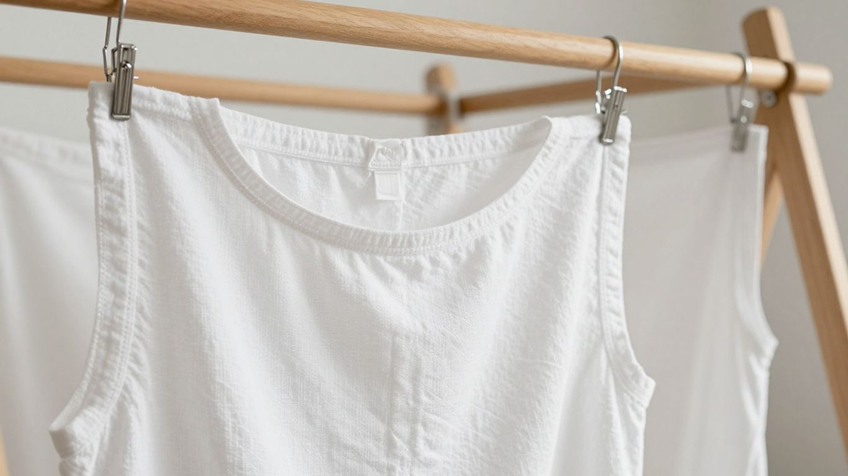
Yes, linen will shrink in the dryer. The danger increases when the dryer is set to medium or high heat, when the cycle is set to last for too long, or when the item is over-dried. Linen fibers will naturally loosen up when wet and can shrink as they dry under heat, so a perfectly fitted linen shirt or pair of trousers might feel tighter after a hot dryer cycle.
However, it does not mean that all linen will shrink significantly. Pre-washed or garment-washed linen is typically more stable than raw linen, as it has already undergone some of the anticipated shrinkage during the manufacturing process. However, the care label should always be your primary reference for washing and drying, as linen weight, weave, dye, finishing, and garment construction all influence linen behavior.
Why Linen Shrinks When Exposed to Heat
The Role of Heat, Moisture, and Agitation
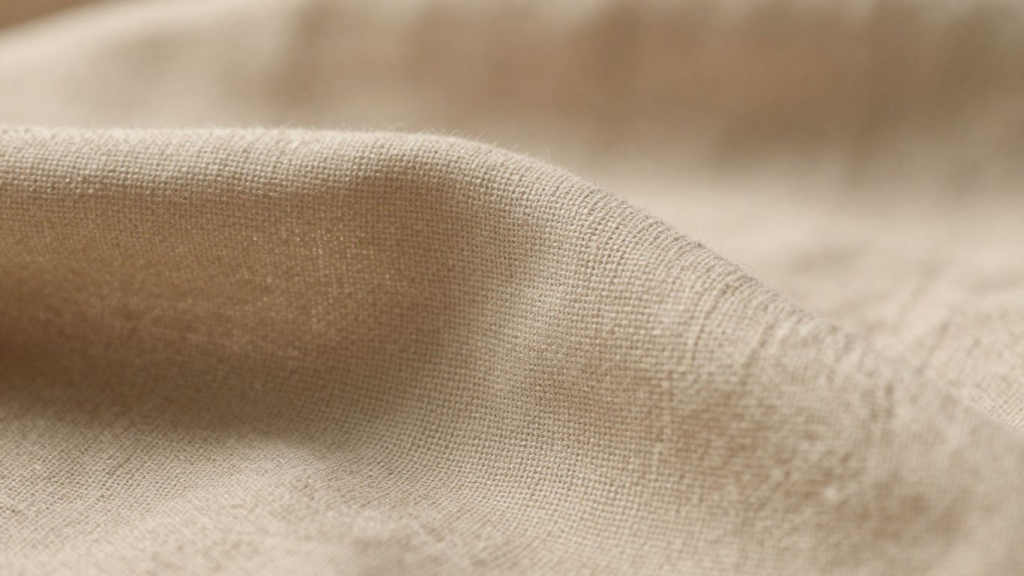
Flax is a plant-based fibre used to make linen, which is frequently stretched and tensioned during spinning, weaving, finishing and garment construction. If water is introduced into the fiber and heat is applied during the drying process, the yarns may return to their unstretched condition. If the fabric continues to tumble after it’s dry, the heat and the mechanical action can cause the fabric to become even tighter.
Hence, the term “dryer shrinkage” is not just a temperature thing. If the low heat cycle is too long, it may still make linen feel stiff, creased, or slightly smaller. The most protective is to wash linen gently, take it out of the washing machine quickly, shake it out, and dry it with little heat and little friction.
Proper washing habits also play a major role in preserving natural fabrics, just as they do when learning how to wash a wool blanket.
Dryer Heat Settings and Linen Shrinkage Risk
The table below summarizes how common dryer settings affect linen. It should not replace the care label, but it gives a clear rule of thumb for everyday laundry decisions. If the garment is expensive, structured, embroidered, lined, or labeled dry-clean-only, avoid machine drying unless the label specifically allows it.
| Dryer Setting | Shrinkage Risk | Best Use for Linen |
|---|---|---|
| High Heat / Heavy Duty | High | Avoid linen because it can shrink, stiffen, weaken fibers, and set deep wrinkles. |
| Medium Heat / Regular | Moderate to high | Use only if the label allows it and the item is not delicate; remove early while damp. |
| Low Heat / Delicate | Lower | Acceptable for many everyday linen items when used briefly and carefully. |
| No Heat / Air Dry | Lowest machine-drying risk | Best machine option when you need airflow without added heat. |
This table can be helpful because many laundry errors occur when linen is used, such as towels, denim, or heavy cotton. Linen dries quickly, so long cycles may not be necessary. A shorter cycle also minimises friction, thereby helping to preserve the surface and shape of the garment.
If it’s any question, begin with less heat, less time. It is always possible to add a few more minutes to the drying time, but it’s not always possible to undo shrinkage once it’s happened when the fibers have set in a smaller shape. When it comes to linen clothing, line drying or flat drying is the better habit for the long-term.
How Much Does Linen Shrink?
The shrinkage will vary depending on the type of fabric used, whether raw, pre-washed, blended, garment dyed, tightly woven, or loosely woven. Linen may shrink significantly after the first wash or dry, and pre-washed linen typically shrinks much less if you wash it according to the instructions on the label.
One safe rule to follow is not to guarantee a specific number for any linen product. Some items will shrink slightly; others may shrink more if exposed to hot water, high dryer heat, or over-drying. The following chart provides realistic expectations without overclaiming.
| Linen Type | Typical Shrinkage Risk | Care Recommendation |
|---|---|---|
| Pre-washed linen clothing | Low to moderate | Wash cool or lukewarm, air dry, or tumble dry briefly on low if allowed. |
| Raw or untreated linen fabric | Moderate to high | Pre-wash before sewing or hemming; avoid high heat and expect some initial movement. |
| Linen sheets and bedding | Moderate | Dry in smaller loads, remove slightly damp, and avoid over-drying. |
| Linen blends | Varies by fiber blend | Follow the care label because cotton, rayon, or synthetic blends change drying behavior. |
This comparison also accounts for the fact that two linen pieces from different brands might not react to the same extent. A pre-washed linen shirt can be washed carefully and retain its fit, or raw linen yardage may require pre-shrinking before cutting and sewing. The difference is not just the fabric; it’s also the process of treatment that occurs before you get it.
When purchasing linen clothing online, be sure that it is either pre-washed, garment-washed, pre-shrunk, or enzyme-washed. Those terms typically indicate that the fabric is already soft and stable, but high heat should still be avoided to prevent damage to the fibers’ texture and durability.
Pre-Washed Linen vs. Raw Linen: Why It Matters
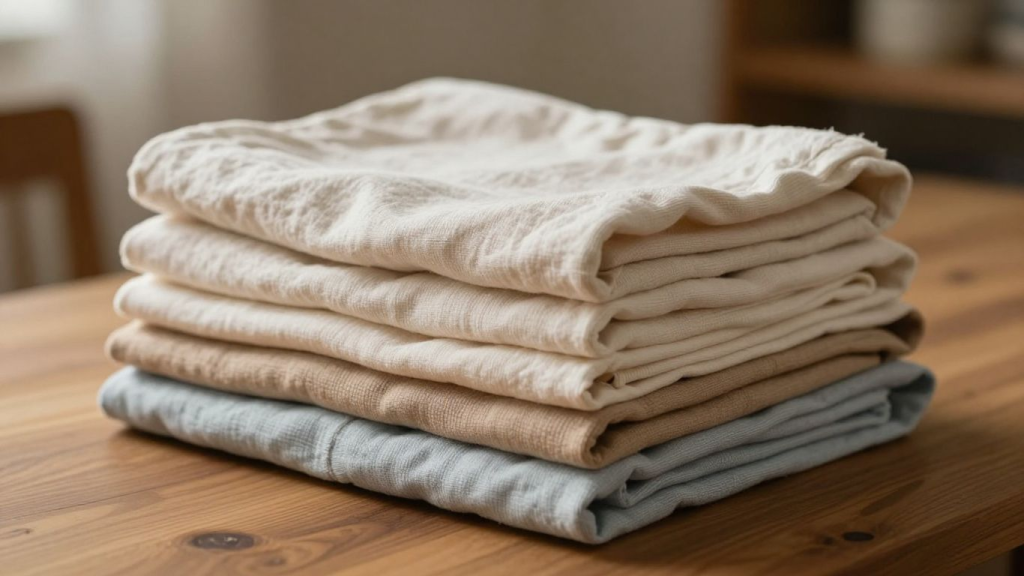
Pre-washed linen has been washed or finished under controlled conditions to minimise the unexpected shrinkage that can occur during washing at home. This makes it a more suitable option for individuals who prefer low-maintenance linen shirts, dresses, bedding, or home textiles. May still contract slightly if not used according to the label, but less so if used according to the label.
Raw linen is not the same. It is not completely relaxed, and the first wash may alter its size, hand feel, and drape. When sewing using raw linen fabric, it is particularly important to pre-wash before cutting pattern pieces. Without taking this precaution, the final garment may shrink later, causing seams, hems, or fit lines to pull out of shape.
If you’re planning sewing alterations after pre-washing, our guides on how to sew a hem and how to hand sew a hem can help you achieve a clean finish.
How to Dry Linen Without Shrinking It
The Best Method: Air Dry Linen
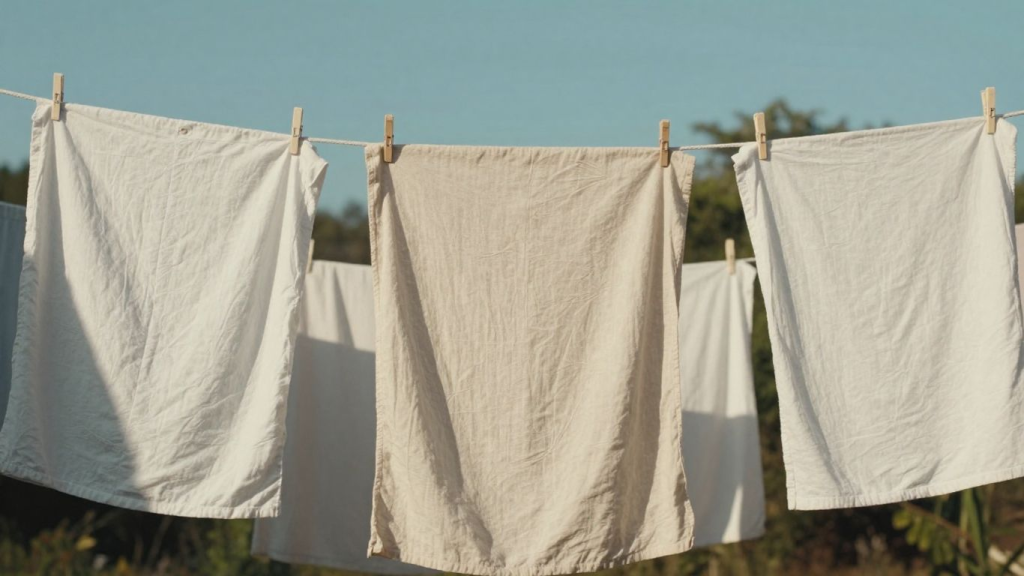
Drying linen in the air is the least damaging and most fabric-friendly way to do it. Wash and pat out wrinkles, smooth seams with your hands, and hang on a padded hanger or drying rack. When using heavier linen, like sheets or curtains, spread the fabric out so it doesn’t stretch from one point.
Avoid strong sunlight, as it can dry out and, over time, make some fabrics harsher and fade colors. Air drying also helps to maintain the softness of linen, one of its main advantages.
| Best Practice: For the lowest shrinkage risk, wash linen on a gentle cycle, shake it out immediately, air dry it away from harsh direct sun, and iron or steam it while slightly damp if you want a smoother finish. |
How to Use a Dryer Safely If You Must
Air drying may not be feasible in certain situations, such as humid weather, apartments, shared laundry rooms, or during the winter. If you need to use a dryer, choose low heat, delicate, no heat, or air dry. Do not let the cycle get too long, and inspect the item before it is completely dry.
The best dryer habit is to take out the linen when it is still a bit damp and hang or lay it flat to complete the drying process. This will help to minimize heat exposure and over-drying and will help to make wrinkles easier to smooth. Avoid leaving linen in the drum after the cycle, as the heat may continue to crease and dry the fibers.
1. Check the care label first, especially for lined garments, trims, embroidery, or blends.
2. Shake out the item after washing so the fabric is not twisted or bunched.
3. Set the dryer to low heat, delicate, no heat, or air dry.
4. Use a short cycle and check every few minutes instead of running a full heavy-duty cycle.
5. Remove the linen while slightly damp and finish drying on a hanger or rack.
Best Drying Method by Linen Item
The various types of linens require slightly different drying techniques due to weight, seams, and construction. A linen shirt is light and easy to reshape, and linen sheets or curtains will retain more moisture and will wrinkle if packed into a dryer.
Follow the instructions below when planning a laundry load. It’s particularly useful for those who are looking for “can I put linen pants in the dryer,” “how to dry linen sheets,” or “how to dry linen curtains without shrinking.”
If your linen pants need resizing after washing, you may also find our tutorial on how to hem pants helpful.
| Linen Item | Safest Drying Method | Extra Care Tip |
|---|---|---|
| Linen shirts and blouses | Hang dry on a padded hanger | Smooth collars, plackets, cuffs, and side seams while damp. |
| Linen pants and shorts | Lay flat or hang from the waistband | Reshape legs and avoid clothespin marks on visible areas. |
| Linen dresses | Hang dry unless heavy or stretchy | Support the shoulders and avoid pulling from one narrow strap. |
| Linen sheets and duvet covers | Line dry or tumble briefly on low | Dry in smaller loads to reduce creasing and uneven drying. |
| Linen curtains | Hang while damp if the label allows | Let gravity release wrinkles, but protect floors from drips. |
This table can also be used to maintain fit. Clothing with seams, elastic, lining, or decorative elements may require more care than plain linen sheets. If the fabric is still slightly wet, a few hems or seams can be adjusted to restore the original shape before the fabric dries.
When it comes to bedding and curtains, it’s not about the speed of airflow, but about the airflow. Even at a low heat setting, a dryer that is too full can cause the linens to dry unevenly and wrinkle heavily. When drying large loads, it is easy to achieve better drying results by dividing the load into smaller pieces.
How to Wash Linen Before Drying
Drying is just a portion of the linen shrinkage prevention process. The wash cycle is also important. Use cool or lukewarm water, a gentle cycle, and mild detergent. Do not overstuff the washer, as linen may wrinkle due to friction, and seams or fibers could be stretched.
Separate light and dark colored linen items prior to washing, and turn garments inside out if they show visible buttons, embroidery, or surface details. Unless the care label specifically permits it, do not use chlorine bleach as it can damage natural fibers and reduce the lifespan of the fabric.
If mildew does develop, follow our guide on how to get mold out of clothes to clean affected garments safely.
- Wash linen with similar colors and similar fabric weights.
- Use a gentle detergent and avoid heavy fragrance or harsh additives.
- Choose a gentle cycle instead of a heavy-duty wash.
- Remove linen promptly after washing to prevent deep wrinkles and a mildew smell.
- Shake out the fabric before hanging or placing it in the dryer.
How to Unshrink Linen Clothing
A reduced-size linen article might not be restored to its original size, but little shrinkage can be enhanced. The aim is to soften the fibers by using cool water and gently shape the fabric while it is still wet. It’s most effective with plain, unlined, non-fancy clothes.
Do not use hot water, hard pulling, or a hair dryer during this time. In many instances, it was a matter of heat, and forcing the fabric can cause the seams to get distorted. Take your time and do not stretch the object in one step.
1. Fill a basin with cool water and add a small amount of mild hair conditioner or gentle fabric conditioner.
2. Soak the linen item for about 20 to 30 minutes so the fibers can relax.
3. Drain the basin and press out water gently; do not wring or twist the fabric.
4. Lay the item on a clean towel and gently stretch it back toward its original shape.
5. Pin or weigh the edges lightly if needed, then let the item air dry flat.
| Important Note: Unshrinking linen is not guaranteed. It may help with small fit changes, but severe heat shrinkage, seam distortion, or fabric damage may not be fully reversible. |
Common Linen Drying Mistakes to Avoid
Most linen shrinkage problems come from small habits repeated over time. A single low-heat dryer cycle may not ruin a durable linen shirt, but regular over-drying can make linen feel rougher, tighter, and more wrinkled. Preventing damage is much easier than repairing it.
- Do not use high heat or heavy-duty dryer settings for linen.
- Do not leave linen in the dryer until it is bone dry.
- Do not overload the washer or dryer with heavy mixed fabrics.
- Do not twist or wring linen after hand washing.
- Do not assume every linen blend needs the same care as 100% linen.
- Do not store damp linen in plastic bags or closed hampers, as trapped moisture can encourage mildew. If this happens, our guide on how to get mold out of clothes explains safe ways to remove mold without damaging delicate fabrics.
A better routine is simple: wash gently, dry slowly, and reshape while damp. Linen has a naturally relaxed look, so chasing a perfectly crisp finish with aggressive heat is usually unnecessary. If you prefer a smoother look, iron the fabric while slightly damp or use a garment steamer after it has air dried.
Drying Linen in Humid, Cold, or Small-Space Homes
Air drying linen may take longer if you live in a humid climate or a small apartment. The answer is not high dryer heat; it’s improved airflow. Locate the drying rack in a room with a fan, dehumidifier, open window, or airy room. Leave space between to allow moisture to drain away evenly.
In cold weather, linen can be dry on the outside but still be damp in the seams or waistbands. Allow more time to fold or store in thicker areas. This will stop the fabric from developing a mildew smell and maintain its fresh and airy feel.
Does Linen Shrink More Than Cotton?
Both linen and cotton are natural plant fibers and can shrink if washed or dried incorrectly. Pre-washing linen makes it more stable, but raw linen may shrink significantly in the first few washings. Cotton can be quite unpredictable when it comes to weave, finish, and whether it is pre-shrunk or not.
The real question is not which fabric shrinks more in all situations, but how the garment was constructed and the method of drying. A linen shirt that has been pre-washed and carefully dried can keep its shape longer than a cotton shirt dried on high heat. The shrinking of a raw linen fabric when it is dried aggressively can be more than expected.
Linen Shrinkage Prevention Checklist
Use this checklist before drying linen clothing, bedding, or home textiles. It is designed as a quick answer section for readers who want the safest method without reading the entire guide again.
- Read the care label before washing or drying.
- Use cool or lukewarm water and a gentle wash cycle.
- Air dry whenever possible.
- If using a dryer, choose low heat, delicate, no heat, or air dry.
- Remove linen while slightly damp.
- Smooth seams, collars, hems, and waistbands by hand before the fabric fully dries.
- Store linen only when completely dry in a breathable space.
Conclusion: Can You Put Linen in the Dryer?
Some linen items can be placed in the dryer, but with caution. Air drying remains the safest way to dry linen, particularly high-quality linen clothing, raw linen fabric, delicate items, or items that are not easily replaceable. When using the machine, the two most important rules are to use low heat and short timing.
The most important fact to remember is that it’s not linen that is the issue; it’s high heat and over-drying. Cool washing, careful handling, low or no dryer heat, and damp reshaping will keep linen comfortable, breathable, and beautiful for years.
If washing causes a garment to become longer or shorter than expected, simple alterations can help restore the fit. Depending on the item, you can follow our tutorials on how to hem a dress without sewing, how to sew a hem, or how to hem pants for easy adjustments.
Frequently Asked Questions
Does linen shrink every time you wash it?
No. Most noticeable shrinkage usually happens during the first few washes or when linen is exposed to high heat. Once the fibers stabilize, careful washing and drying should cause much less change.
Can 100% linen go in the dryer?
Yes, some 100% linen items can go in the dryer if the care label allows it, but the safest setting is low heat, delicate, no heat, or air dry. Remove the linen while slightly damp.
Will linen shrink in cold water?
Cold water greatly reduces shrinkage risk, but it does not protect linen from dryer heat later. The dryer is often the bigger risk when shrinkage happens after washing.
Is air drying better than tumble drying linen?
Yes. Air drying is gentler because it avoids added heat and reduces mechanical tumbling. It is the preferred method for preserving linen size, texture, and drape.
Can I iron linen while it is damp?
Yes. Linen is usually easier to iron when slightly damp. Use the temperature recommended on the care label, and use steam or a pressing cloth for delicate finishes.
Can I use fabric softener on linen?
It is usually better to avoid heavy fabric softener because it can coat fibers and affect breathability. If you want softer linen, use gentle washing, avoid over-drying, and let the fabric soften naturally over time.
How do I dry linen sheets without shrinking them?
Dry linen sheets in smaller loads, use low heat or air dry if machine drying, and remove them while slightly damp. Shake and smooth them before hanging or folding.
Can I unshrink linen after it has dried?
Sometimes minor shrinkage can be improved by soaking in cool water with a small amount of conditioner and gently reshaping while damp. Severe heat shrinkage may not fully reverse.
Does pre-washed linen shrink?
Pre-washed linen is generally more stable than raw linen, but it can still shrink or weaken if exposed to high heat or over-drying.
Should linen be stored folded or hanging?
Either can work, depending on the item. Store linen completely dry in a breathable space. Hang shirts and dresses to reduce creases, and fold sheets or table linens neatly in a cool, dry area.