
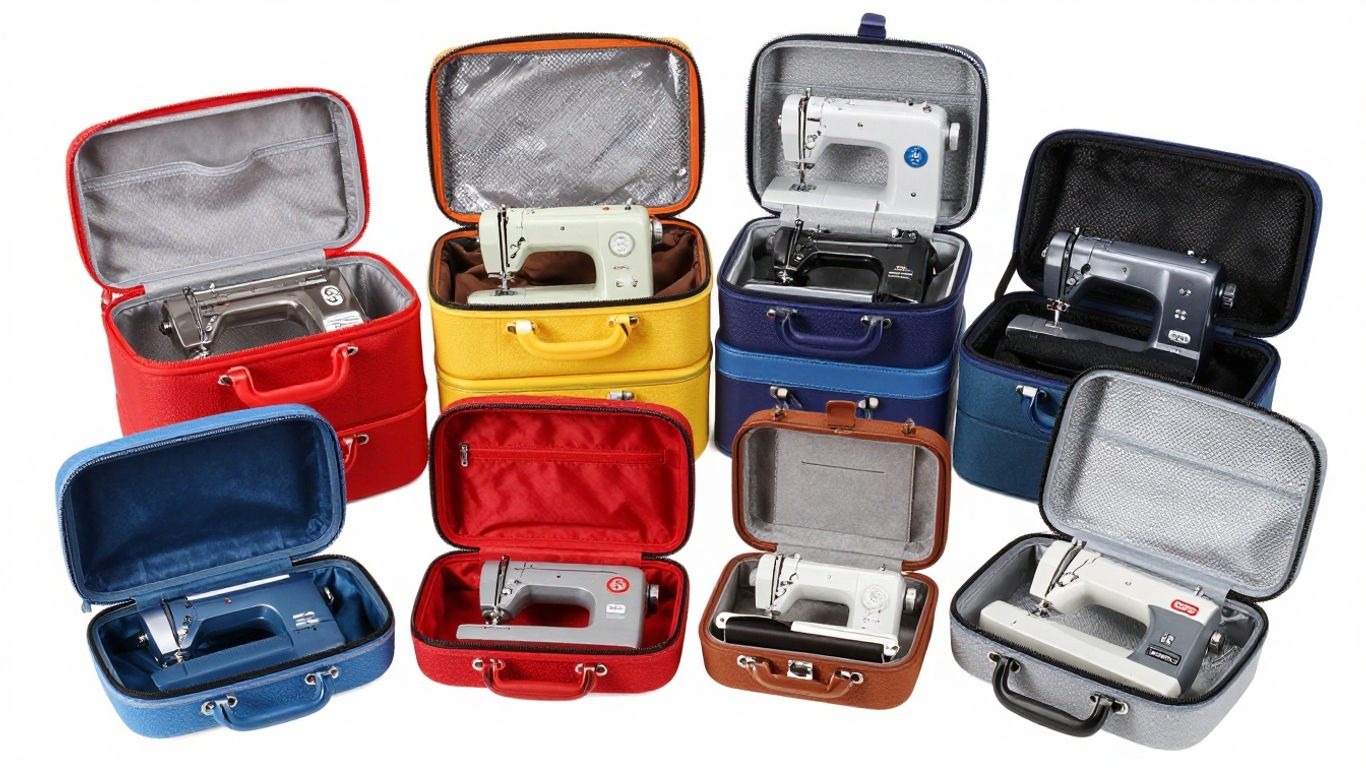
Top Sewing Machine Carrying Cases for Safe & Easy Transport
I’ve been sewing for a while now, and I’ve learned that getting your machine from point A to point B without a hassle is pretty important. It’s not just about looking good at sewing class; it’s about keeping your machine safe. I’ve tried a few different ways to transport my sewing machine, and let me tell you, a good carrying case makes all the difference.
It protects your investment and makes trips to workshops or friends’ houses so much easier. I want to share what I’ve found works best for keeping my sewing machine safe and making travel a breeze.
Key Takeaways
- When looking for a sewing machine carrying case, pay attention to how well-made it is and what materials it uses. You want something that will last.
- Make sure the case you pick is the right size for your machine. It should fit snugly but not be too tight.
- Good padding is key to protecting your sewing machine from bumps and drops during transport.
- Look for cases with plenty of pockets. These are super handy for keeping all your sewing tools and accessories organized.
- Consider how easy the case is to carry. Handles, shoulder straps, and even wheels can make a big difference, especially if you travel a lot.
Why You Need a Sewing Machine Carrying Case
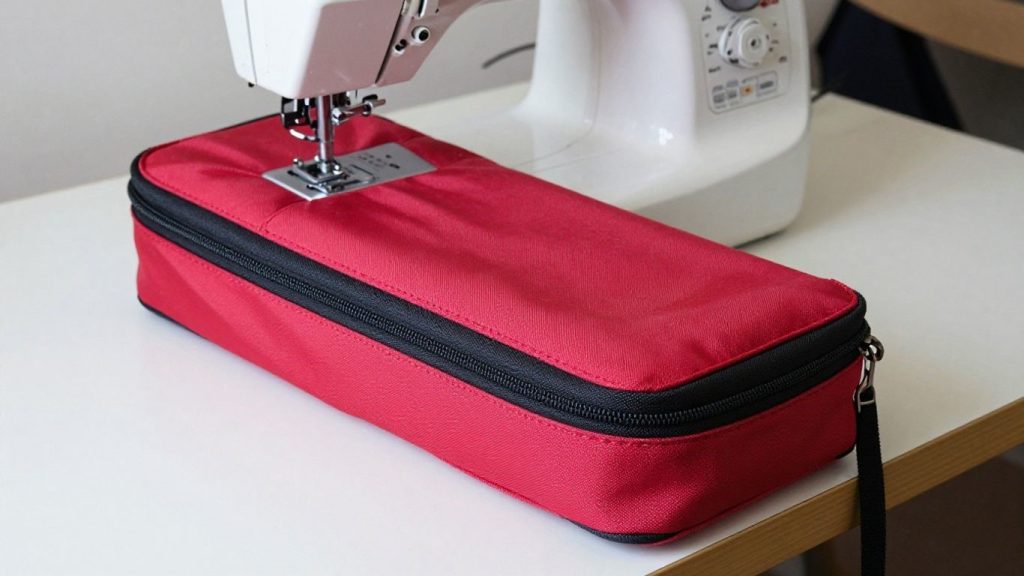
I know that in the past, I would literally just throw my sewing machine into a random bag somewhere when I had to drag it around. It was always a risk, praying something didn’t get jostled too far out of place. But after just a few too many near-misses, where my machine felt like it was rattling around loose as a bolt, I knew that I needed to do something better. The best way to take care of your sewing machine is not just about comfort – it’s a necessary measure so you can part with investing in something expensive and still keep your sanity.
Now, think about this: a sewing machine (especially the heavy-duty ones like SINGER 6620C) is not something you will lift each time. Without adequate back support, wearing one can lead to back pain or even unintentional falls. A dedicated carrying case is an armored dome of sorts. You’ll find it cradling your machine, whether on the way to a sewing class or over to a friend’s for one of those “my little blotch” weekends.
On top of that, these cases usually come with extra pockets; a godsend in keeping all those little accessories – the foot pedal, the power cord, bobbins, and even your fav pair of fabric scissors eager to go sewing- organized and together! You would not have to scramble around looking for that one key part right when you want it!
A quality sewing machine case lets you get lost in what matters most, your creative project, and let go of the worries that accompany even the short trip to the next quilt class – will my machine make it? It’s peace of mind in a bag.
A great case provides more than just protection; it makes moving your machine that much easier. Most of them include soft handles, shoulder straps, and even wheels that transform what once was a heavy task into an easy one. It truly changes how much and how often I am ready to take my machine out on the town. So, if sewing is your passion (by the way, there is no hatter that costs you), getting the right case for it will be no brainer. The notion that repairable sewing machines expand on your capability to sew is an easy one to comprehend, pretty much essential for any individual who loves to sew, and needs their mix machined in order as the decades progress.
Now think about this: a sewing machine (especially heavy-duty ones like those reviewed in SINGER 4452 Heavy Duty Sewing Machine Review) isn’t something you casually carry around.
Key Features to Look for in a Sewing Machine Carrying Case
There are a few things I really consider when I am on the lookout for a new sewing machine carrying case that make all the difference. That means not just anything will do: It has to be functional, but my vehicle also needs to keep me safe while getting wherever it is I have to go, easier than before.
Durability and Material
I start off looking at the material of the case itself. Sign up for the Headlines email, and get the latest news delivered to your inbox every morning. A robust case should be able to survive a little vibration, whether that’s in the back of the car or just getting it through a door frame.
This typically bets on heavy-duty polyester or nylon type fabrics. I assess the strength of zippers and stitching as well. Nobody wants to deal with a zipper (we’ve all had those bags that disintegrated), and zippers that don’t undo are a giant pain in the ass.
A strong case made of polyester or nylon is essential. Just like investing in quality machines such as in Brother CS7000X review, durability matters.
Size and Fit
We know this one seems obvious, but you will be shocked to see how many people buy the wrong size case. Now we really do need to measure your machine before purchasing a case! Don’t just guess! All manufacturers will provide the dimensions that their case is designed to fit, so cross-reference that with the size of your machine.
A case that is too tight can not close properly at all, or put pressure on some parts of the machine. On the other hand, something that is too holster will cause your machine to run around, and that’s not very protective.
Always measure your machine. Different models like those in Brother CS7205 review vary in size, so guessing won’t work.
Padding and Protection
That is where the real protection comes in. I prefer cases with a well-cushioned inside. Thick foam or padded lining is really shock-absorbent. Certain cases even boast a removable padded bottom board that improves security further.
Consider how your machine might be knocked around when shipped. And the more padding, the better it is shielded from bumps and vibrations. Come October 2023, I learned never to cheap out on my padded shorts.
Good padding is non-negotiable. It protects your machine from shocks—especially useful when transporting advanced machines like in Janome MC6650 review.
Storage Pockets and Organization
I prefer cases that not only fit the machine but also have additional pockets. They are great for keeping all of my sewing stuff neat. Things like:
- Power cords and foot pedals
- Extra bobbins and needles
- Scissors and seam rippers
- Small rulers and marking tools
Dedicated pockets mean no digging through a jumbled mess to locate something. It also prevents smaller items from scratching the machine itself.
Extra pockets are a lifesaver. You can keep tools, similar to organizing items in a best sewing box.
Ease of Transport (Handles, Straps, Wheels)
Last but not least, how easy is it to transfer coverage? I look out for those sturdy, comfy handles. Some have a shoulder strap, and I always check that it is adjustable or padded. Wheels are a complete work-changer for heavier machines or if I’m on the move with it.
They remove so much pressure from my back and arms. I seek out well-constructed wheels that roll easily, and a telescoping handle that extends and retracts without any fuss. It can make a world of difference for me when I am off to a sewing class or a retreat.
Top Sewing Machine Carrying Cases for Travel and Storage
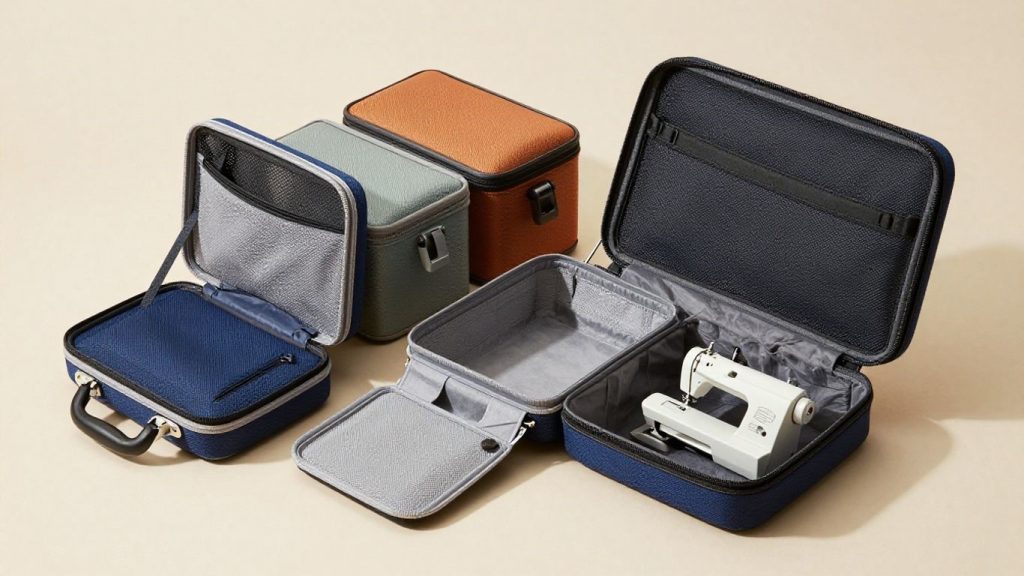
Hey, let us discuss the real stars of the show in getting your sewing machine from point A to point B with no mess, none. I’ve browsed a lot of sewing machines, travel bags, and, truth be told, the right bag can make a world of difference.
You need more than a bag; you need the ability to safely transport your sewing machine and make yourself comfortable. Whether that is to a class, retreat, or simply moving it to another room, I have put together some of the best cases for swering machines available.
The right case can completely change your sewing experience. Whether you’re working on projects like how to make a simple tote bag at home or attending classes, a good case is essential.
HOMEST Sewing Machine Carrying Case with Storage Pockets
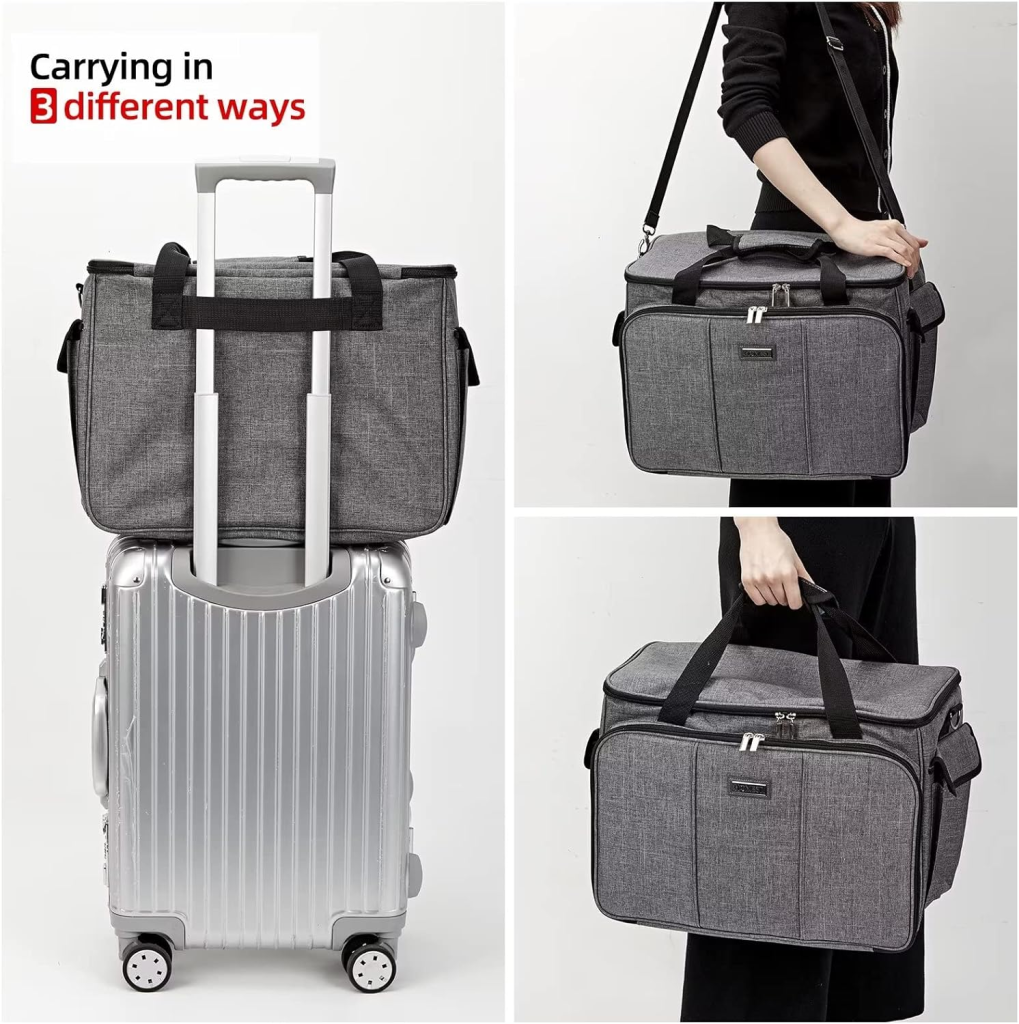
If looking for a good all-rounder tote, this case from HOMEST is not too shabby. This is a major plus for being able to fit virtually on any standard machine. Gets bonus points for all the storage pockets (where else are you going to keep all those little notions and accessories? This one is even portable with a shoulder strap, so it works okay at some capacity if you need to bring your sewing machine on short trips. Grey is a neutral tone, and the patent style adds a touch of glam. It is the kind of sewing machine travel bag that has some looks and practicality in the right ratio.
JJRING Sewing Machine Carrying Case, Heavy Duty Tote
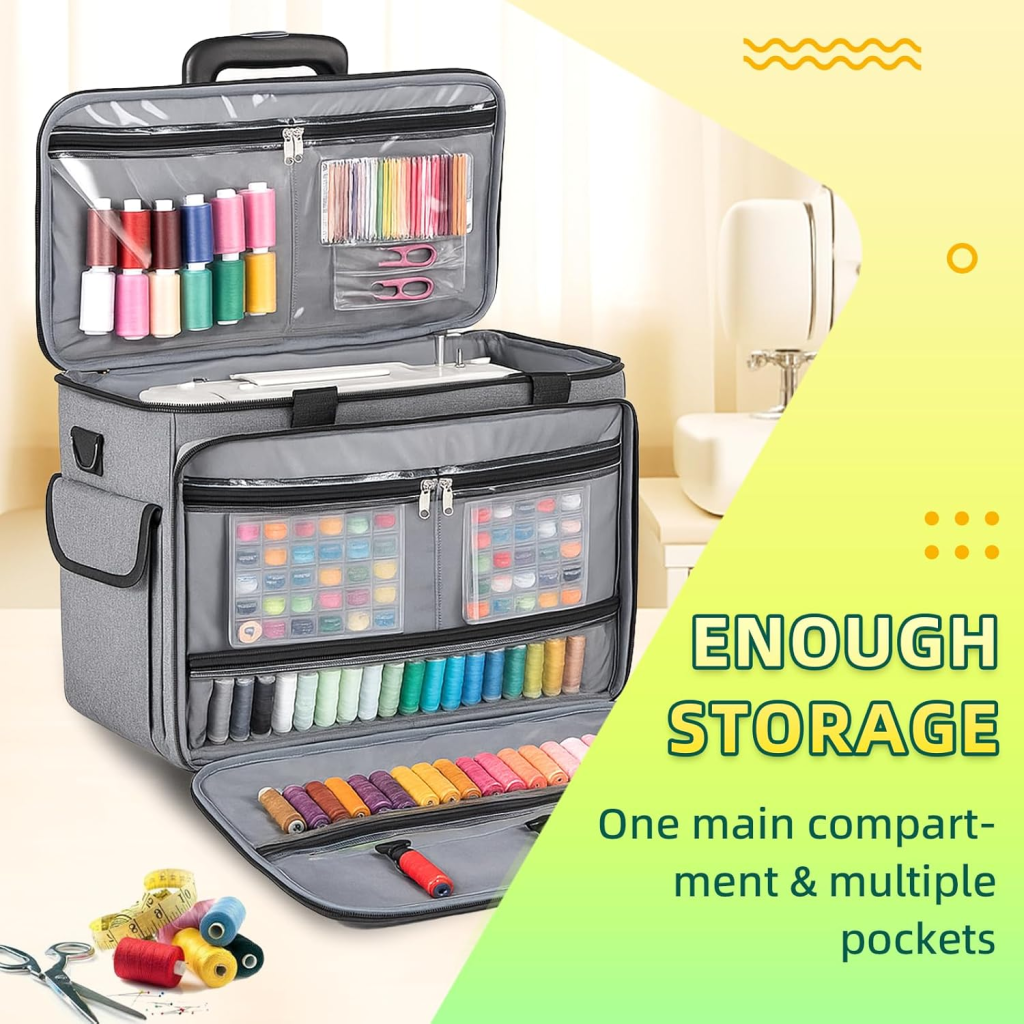
But for something a little more industrial, the JJRING case is definitely worth checking out. It feels very solid, and the padding looks like it would do a good job protecting your machine. Another one in the tote style with a shoulder strap, just like the HOMEST bag, that’s great for carrying. Without a doubt, it is one of the best portable sewing machine carriers for daily usage. It seemed to be a solid option for ensuring my machine was safe while traveling. It is good, basic, serviceable stuff.
Anitor Sewing Machine Carrying Case with Removable Padding
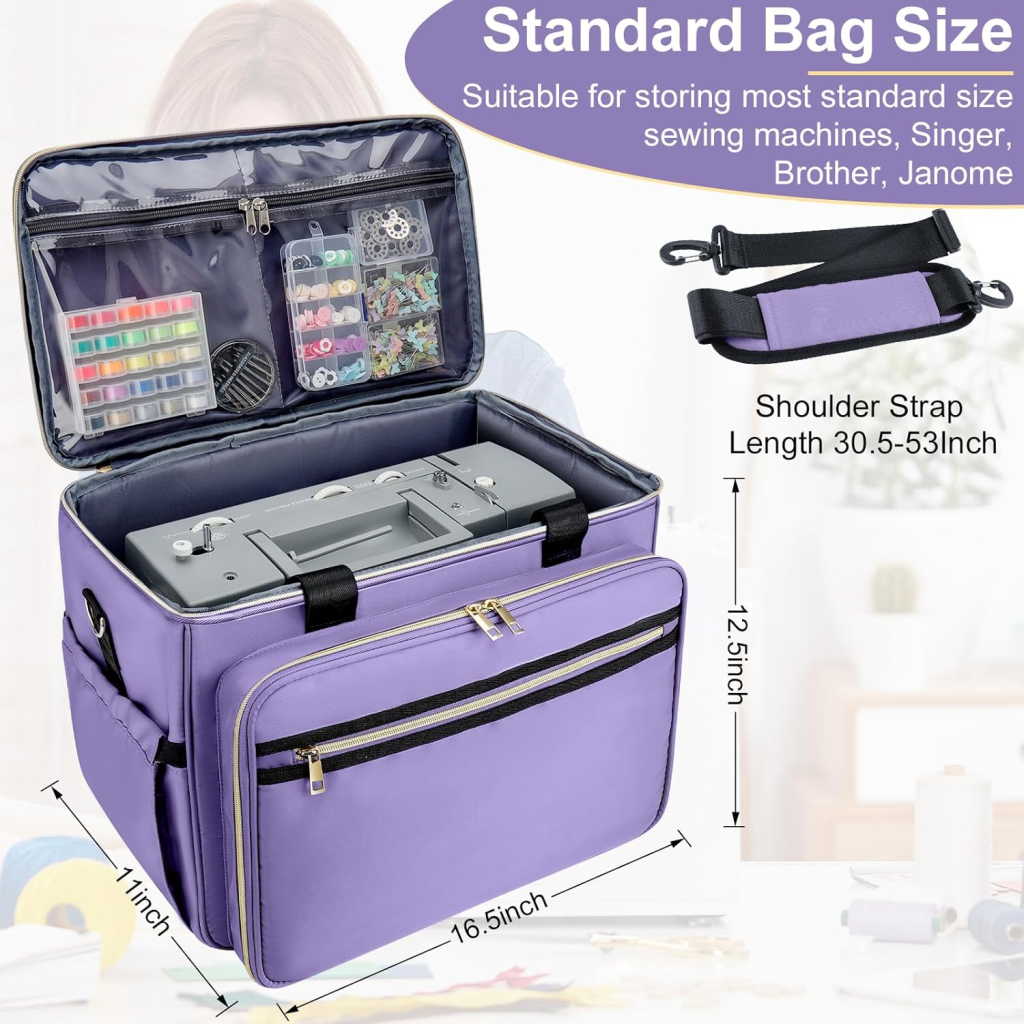
What really stood out to me in the Anitor case was the removable bottom padding. That’s a clever touch to protect the bottom of your machine. And it has room for accessories as well, which is always a plus. Replacing the ubiquitous grey or black with a hint of personality in purple, it is a great option if you want to ensure the machine is well-padded. If you want solid protection, this has to be a top bet for the best sewing machine travel case.
CAB55 Sewing Machine Case – Carrying Bag with Removable Padding, Tote for Machine and Accessories
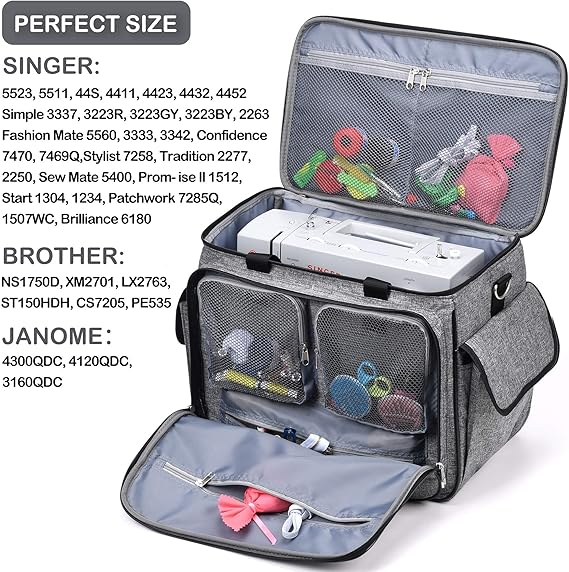
CAB55, similar to the Anitor, also has removable padding, and this is a very important detail for any good sewing machine protective cover. It can carry both your machine and your accessories, a go-to solution. It does feel high-quality and protective. I most definitely have this one down in my recommendations for solid sewing machine transport solutions. It is extremely utilitarian to hold everything in place and secure.
Consider how frequently your machine will be on the move and what level of protection it requires when selecting a carrying case for your sewing machine. A basic tote will be sufficient to transfer it from one end of the room to another, but if you are doing longer hauls or some heavy handling, you’ll prefer something with wheels and considerably more padding.
Here’s a quick look at some key features I considered:
- Padding: How much cushioning is there? Is it removable?
- Storage: Are there enough pockets for your feet, bobbins, and other bits?
- Fit: Does it truly fit most standard machines, or is it a tight squeeze?
- Durability: What’s the material like? Will it hold up over time?
- Portability: How easy is it to carry? Does it have a good strap or handles?
Tips for Maintaining Your Sewing Machine Carrying Case
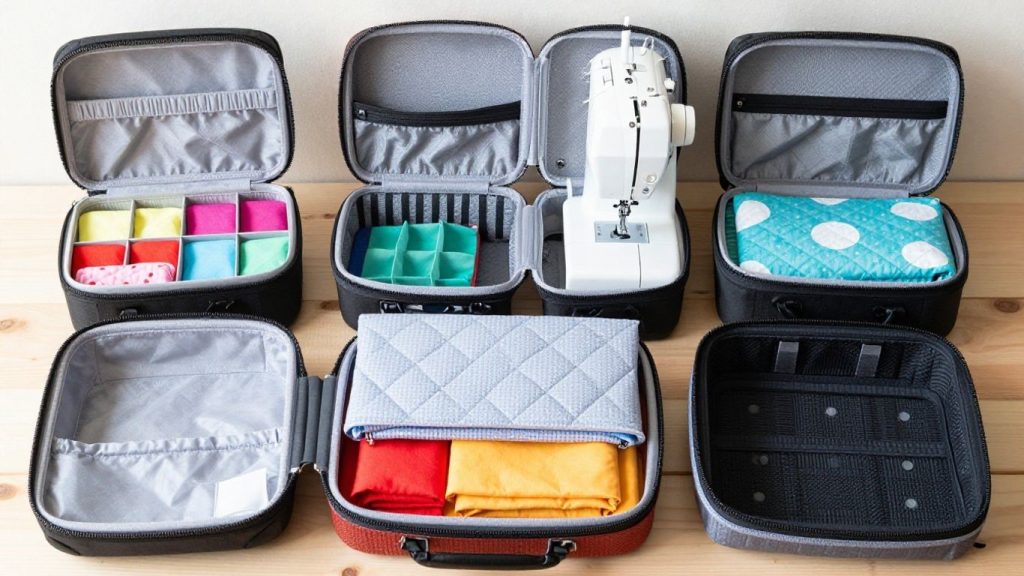
Caring for your sewing machine carrying case is pretty simple, but it really helps extend its life and how well it protects your machine! I have discovered that a low dose of consistent care has high dividends.
Firstly, always allow your machine to cool down before you pack it away. And if you have been sewing for some length of time, then yes, the machine can become hot, and moisture sometimes condenses inside the case, not ideal for either the cloth or the machine. All that is needed is a few minutes to breathe.
When I’m not playing with my case, I keep it in a dry and sunny place. It doesn’t do well if you toss it in a hot car or the damp basement. It is like storing any other piece of equipment; a stable environment helps.
Cleaning is also important. On the outside, a damp cloth is usually all it takes to clean most marks or scrapes. I would only ever consider using a mild soap on it if it were filthy, but small, inconspicuous areas would be tested first. As for the “interior,” I typically just vacuum out loose fluff or errant threads. It helps you stay organized and keeps that dusty aroma away from the building.
For example, if your case has wheels or zippers, check in on them now and then. Silicone spray helps zippers slide, and a quick wipe down often works wonders on rollers that feel stiff. This case is one of the best storage solutions for a sewing machine, and maintaining it in great condition will allow it to last for many more years, as these are long-lasting organizers.
Don’t overstuff your case. We know how it feels to want every accessory you own in your daily handbag, but if the seams and zippers have to fight for the space, they will begin to suffer, which means your bag has a far shorter life span. Have the needed things, and whenever needed, use a different organizer for transportation.
Also, organizing your sewing workflow—like in serger vs sewing machine—can reduce wear and tear on your accessories.
Wrapping Up Your Sewing Machine Transport
So, there you have it. Searching for the perfect sewing machine case is not like digging for a treasure. Here are a few excellent options I’ve scoured that make hauling your machine to classes and/or retreats so much easier. Make sure you measure your machine and consider what aids you need to bring with you. A decent case will keep your machine safe and all your bits and bobs together. So now we can focus on the fun part, sewing! Happy travels and happy stitching!
Finding the right case doesn’t have to be complicated. Just like choosing the right machine from guides like best quilting sewing machine, it’s all about your needs.
Frequently Asked Questions
How do I know if a sewing machine carrying case will fit my machine?
Since I am picky about whether my sewing machine will fit in a case, I always check the measurements of my machine and compare them to the inside measurements listed for the case. A lot of them make cases to fit most standard-sized machines, which is super convenient!
What’s the big deal about using a sewing machine case?
A decent case is like a bouncer for your sewing machine! Whether it is just sitting at home or taking a trip to the sewing class, it will protect from dust, bumps, and spills. In addition, most of them come with useful pockets to hide all your sewing stuff.
Are those rolling sewing machine bags really tough?
From what I’ve seen, yes! The rolling ones tend to be more functional. They have robust frames, wheels that roll without much effort, and some will even have handles that can be extended, making it so much easier to move your machine around rather than straining your back.
Can I just use a dust cover if I’m traveling?
A dust cover is good at keeping the machine clean when it is simply sitting there. However, if you are bringing it with you to places, I highly recommend a padded carry case or a rolling tote. These can offer significantly better resistance to bumps and drops here and there.
Do these cases have enough room for my sewing stuff?
A lot of the cases I examined provide a good load of pockets and compartments. I can almost always get my threads, scissors, extra presser feet, and even small projects in there. It allows for proper organization AND extremely easy access to it!
What makes a sewing machine case a good choice?
I have a few things I am attentive to: it must be constructed of heavy material, rugged nylon or polyester, ones that do not disintegrate. Just so it fits nicely into my machine, neither too tightly nor loosely. And no one needs to mention that decent padding from inside is essential as well, so that it stays safe and away from bumps. I guess this is the best part, more pockets mean smiling for me!

2 Comments