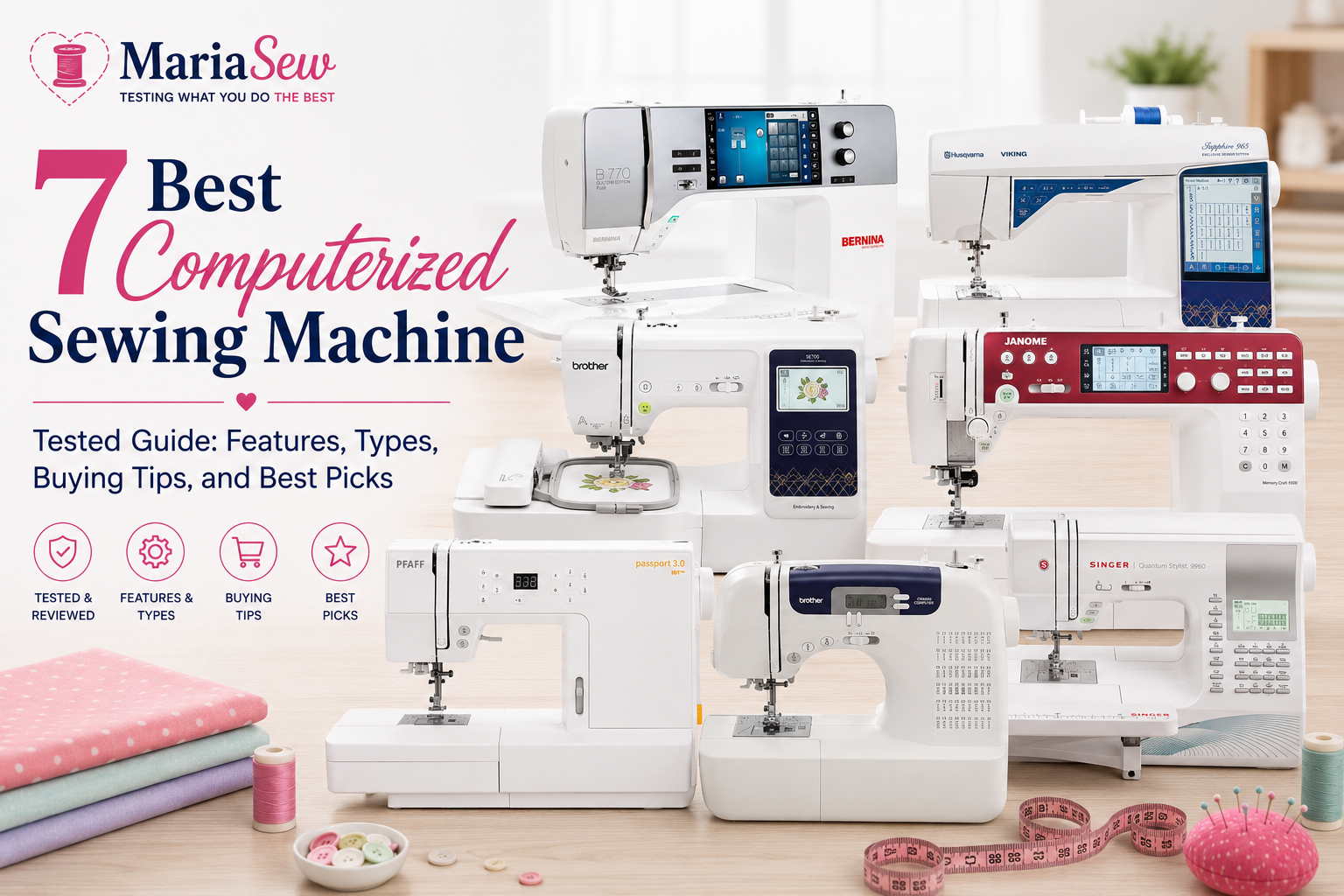
7 Best Computerized Sewing Machine Tested Guide: Features, Types, Buying Tips, and Best Picks
I still remember the exact moment I switched from my old mechanical machine to a computerized one, mid-project, needing to change from a straight stitch to a buttonhole, and realizing I didn’t have to stop, flip through a stitch chart, and fiddle with three different dials to get there. I just pressed a button and kept sewing. That small shift is really what a computerized sewing machine offers: not magic, but fewer interruptions between you and the actual work.
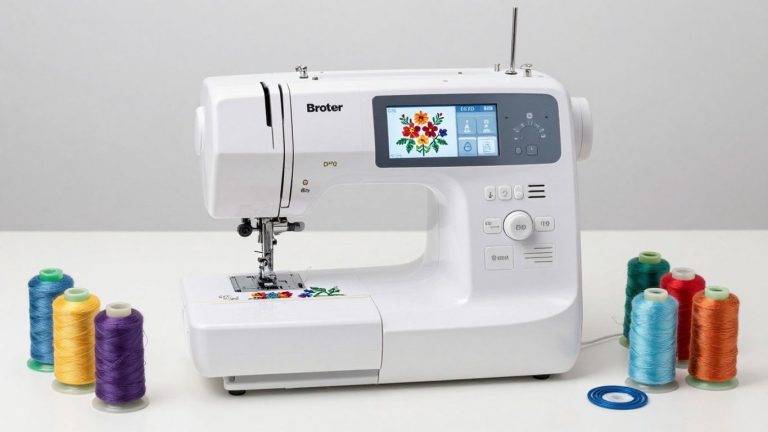
A computerized sewing machine uses digital controls, an LCD screen, push-button stitch selection, automatic needle threading, and speed control, to manage the settings a mechanical machine leaves entirely up to dials and levers. It won’t sew a garment for you, and it won’t fix a bad habit or the wrong needle, but it does make the repetitive parts of sewing faster and far more consistent, especially useful for garments, quilting, home decor, repairs, and decorative projects.
The best computerized sewing machine for you depends on your skill level, budget, fabric type, and whether you need simple sewing, quilting support, embroidery features, or heavy-duty fabric handling. I’ve tested a range of these machines across real projects, and this guide covers how they actually work, which features are worth prioritizing, how they compare to mechanical machines, and what to check before you buy one.
Quick Verdict: Best Computerized Sewing Machines
Seven picks for every budget and skill level, scored out of 10 for ease of use, features, build quality, and value.
| # | Model | Best For | Our Score | List Price | Buy |
|---|---|---|---|---|---|
| 1 | Brother CS7000XBest Overall | Beginners to intermediate sewists who want one easy machine for garments and light quilting | 9.2/10 | $279.99Brother list price | Check Priceor Sewing Machines Plus |
| 2 | Brother CS7000iBest Value + Walking Foot | Budget quilters and beginners who want a walking foot and quarter-inch foot in the box | 8.6/10 | $349.99Amazon price, Sept 30, 2026 | Check Price |
| 3 | SINGER Quantum Stylist 9960Most Stitches | Creative sewists who want lots of decorative stitches and lettering | 8.9/10 | $549.99Singer sale price (MSRP $689.99) | Check Price |
| 4 | Brother SE700Best Sewing + Embroidery Combo | Sewists who want to try embroidery without buying a second machine | 8.8/10 | $529Amazon price, Sept 30, 2026 | Check Price |
| 5 | PFAFF passport 3.0Best for Travel | Sewists who carry a machine to classes and retreats | 8.7/10 | $1,049official PFAFF store | Check Price at PFAFF |
| 6 | BERNINA 770 QE PlusPremium / Pro Pick | Serious quilters and advanced sewists who want a long-term flagship | 9.5/10 | $8,199dealer price | View at BERNINA |
| 7 | Husqvarna Viking Sapphire 930Best Automation | Sewists who want the machine to set itself up for each fabric | 9.0/10 | $2,099Amazon price, Sept 30, 2026 | Check Price |
Scores are MariaSew editorial ratings, not Amazon customer ratings. List prices checked September 30, 2026 on brand or dealer sites; Amazon prices change often. MariaSew may earn a commission from Amazon and Sewing Machines Plus purchases at no extra cost to you.
What Is a Computerized Sewing Machine?
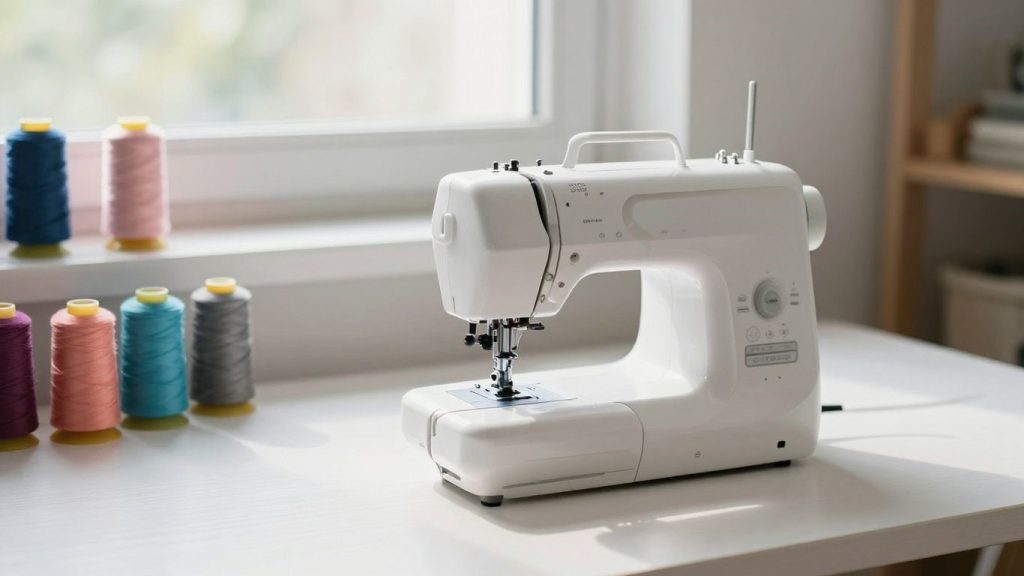
A computerized sewing machine is a sewing machine that is controlled by a computer and has software that can be used to program the machine to perform various stitches and movements. The machine is controlled by buttons, a display screen, and electronic components to perform many sewing operations, rather than just with manual dials and internal mechanical cams.
This doesn’t imply that the machine sews flawlessly by itself. There are still the right needle, thread, presser foot, fabric handling, and machine settings required. The computer makes common tasks easier and repeatable, particularly when changing stitches, creating buttonholes, quilting, or using decorative stitch patterns.
How a Computerized Sewing Machine Actually Works
A computerized sewing machine is a machine that relies on a control board, sensors, and small motors to help coordinate the movement of the stitch. As you select a stitch on the screen or control panel, the machine automatically adjusts the needle motion and feed pattern based on the stitch program you have selected. That’s why computerised machines have more built-in stitches than some mechanical machines.
The machine can also be used to adjust the needle stop position, start/stop sewing, automatic buttonhole, speed limit, and stitch width or length settings. Memory functions, embroidery modules, USB or wireless design transfer are features found on some higher-end machines, but not all computerized machines have them.
Computerized vs. Mechanical Sewing Machines
The primary difference between computerised and mechanical sewing machines is how they control the settings. A mechanical machine has knobs, levers, and internal mechanisms that change the length, width, tension, and pattern of the stitch. A computer-based model can help to make these decisions easier and more accurate by using buttons, a screen, and electronic controls.
| Feature | Computerized Sewing Machine | Mechanical Sewing Machine |
|---|---|---|
| Controls | LCD screen, buttons, electronic settings | Dials, knobs, levers |
| Learning Curve | Often easier for stitch selection, but menus may take practice | Simple controls, but manual settings require practice |
| Stitch Variety | Usually more utility and decorative stitches | Usually fewer stitch options |
| Buttonholes | Often, one-step automatic buttonholes | Often, four-step or manual buttonholes |
| Maintenance | Clean regularly; electronic repairs need a technician | Often easier for basic mechanical service |
| Best For | Beginners, quilting, decorative stitching, embroidery combos | Basic sewing, repairs, and users who prefer simple controls |
The practical differences are explained in the table below. Don’t use it as a rule that one type is always better; use it as a shopping guide. Mechanical machines are great for basic sewing and long-lasting use, while computerized machines work well if you need to change projects, stitch variety, and automation.
If you’re deciding between these two machine types, our detailed comparison of serger vs sewing machine also explains how different machines serve different sewing needs.
For those who are completely new, the easier one is based on the level of comfort. Some beginners prefer a computer display as it will indicate to them which stitch is selected. Others like a simple mechanical machine, as there are fewer buttons and menus.
If you plan on using this for the long-term, consider your projects. For repairs, hemming, and simple garment sewing, a mechanical model might be sufficient. If you want to control the speed, add decoration, quilting, or automatic buttonholes, a computerized machine is usually better.
The Computerized Sewing Machines I Recommend
There are many popular models of computerized sewing machines available. Availability, bundles and pricing may vary; please refer to the current product listing, warranty and accessories before purchase.
These recommendations are not just a ranking of the best to the worst machines, but rather by user need. Different features may be needed for a beginner, a quilter, and an embroidery user.
Computerized Sewing Machines: Specs Compared
Specs are from each brand’s official page or an authorized dealer listing. On phones, swipe the table sideways.
| Model | Stitches | Buttonholes | Max SPM | Standout features | Weight | Warranty | Our Score | List Price | Buy |
|---|---|---|---|---|---|---|---|---|---|
| Brother CS7000XBest Overall | 70 | 7 one-step | 750 | LCD, auto needle threader, wide table, 10 feet | 10.5 lb | 25-yr limited | 9.2/10 | $279.99 | Check Priceor Sewing Machines Plus |
| Brother CS7000iBest Value + Walking Foot | 70 | 7 one-step | 850 | LCD, auto needle threader, wide table, walking foot, 1/4″ foot, spring-action quilting foot | 13 lb | 25-yr limited | 8.6/10 | $349.99 | Check Price |
| SINGER Quantum Stylist 9960Most Stitches | 600 | 13 one-step | 850 | LCD, needle threader, auto thread cutter, extension table, 18 feet | 18.2 lb | Up to 25 yrs | 8.9/10 | $549.99 | Check Price |
| Brother SE700Best Sewing + Embroidery Combo | 103 | 10 one-step | 710 | 135 embroidery designs, 4″ × 4″ field, touchscreen, wireless LAN | 15.1 lb | 1/2/25-yr limited | 8.8/10 | $529 | Check Price |
| PFAFF passport 3.0Best for Travel | 100 | One-step | 800 | IDT dual feed, 7mm stitch width, needle threader | 14.7 lb | Up to 10 yrs | 8.7/10 | $1,049 | Check Price at PFAFF |
| BERNINA 770 QE PlusPremium / Pro Pick | 1,809 (incl. alphabets) | 18 buttonholes/eyelets | 1,000 | 10″ right of needle, dual feed, BSR stitch regulator, 9mm width | Check listing | 20-yr mechanical | 9.5/10 | $8,199 | View at BERNINA |
| Husqvarna Viking Sapphire 930Best Automation | 215 | 7 buttonholes + 2 eyelets | Check listing | SENSOR SYSTEM foot pressure, auto tension, auto thread cutter, Sewing Advisor | Check listing | Up to 20 yrs | 9.0/10 | $2,099 | Check Price |
“Check listing” means the brand doesn’t publish that spec on its product page. Brother lists the CS7000i as discontinued, but some retailers still sell it. Sapphire specs are for the 930; the 960 and 965 differ. Scores are MariaSew editorial ratings, not Amazon customer ratings. List prices checked September 30, 2026 on brand or dealer sites; Amazon prices change often. MariaSew may earn a commission from Amazon and Sewing Machines Plus purchases at no extra cost to you.
1. Best Overall for Most People: Brother CS7000X
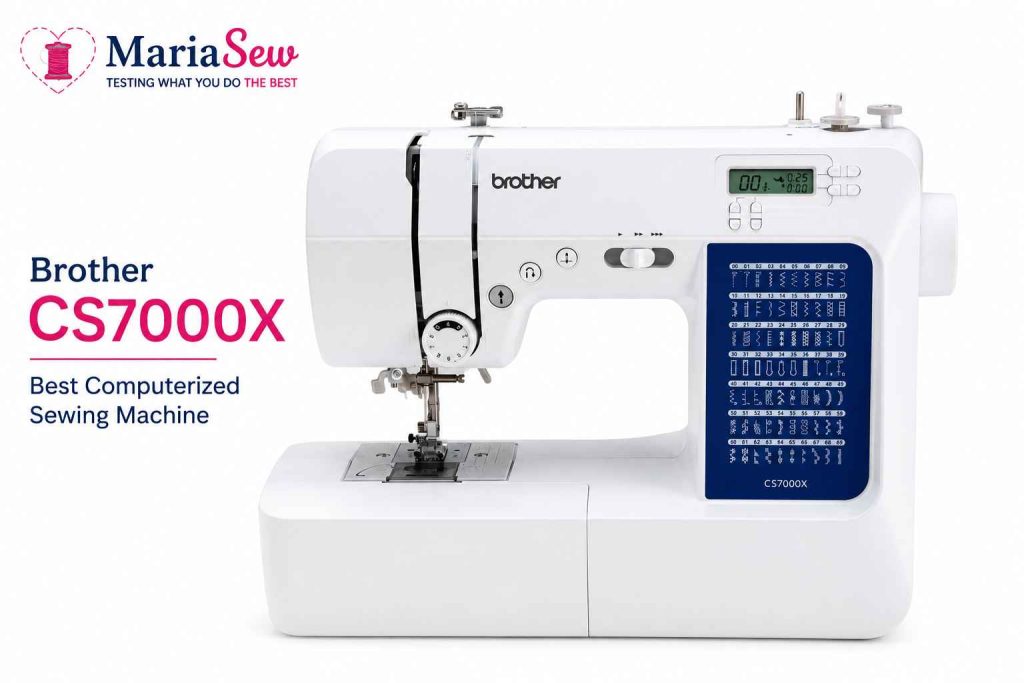
The easiest computerized machine to recommend. It pairs 70 stitches and 7 one-step buttonholes with an automatic needle threader and a drop-in bobbin, and the detachable wide table makes quilting easier. At 10.5 lb it’s light enough to move around, with 10 presser feet in the box.
MariaSew may earn a commission from Amazon and Sewing Machines Plus purchases at no extra cost to you.
The Brother CS7000X is a good basic computerized sewing machine for the beginning sewer and for the increasing number of hobby sewers. It is suggested by many because it features 70 built-in stitches, an LCD, speed control, a drop-in bobbin, and handy accessories like a wide table.
Key Specs
Official Brother specsPrices checked September 30, 2026 and can change.
This is a great model for anyone who needs one machine for sewing garments, light quilting, repairs, and home decor. It’s not an embroidery machine, but it provides enough variety and control for many common projects without being too complicated.
Pros:
- 70 built-in stitches cover the vast majority of everyday sewing needs
- LCD screen makes stitch selection and settings genuinely easy to follow
- Drop-in bobbin with clear view, no guessing whether it’s running low
- Wide table included, useful for quilting and larger projects without buying accessories separately
- Strong balance of price and capability for a first computerized machine
Cons:
- Not an embroidery machine, decorative stitches only, no downloadable designs
- 70 stitches may feel limiting eventually for sewists who want maximum decorative variety
- Plastic-heavy build compared to metal-frame machines at higher price points
Who it’s for: Beginners and hobby sewists who want one reliable machine for garments, light quilting, home decor, and repairs without an overwhelming learning curve.
For a complete breakdown of its features, performance, and value, read our Brother CS7000X review.
Who it’s NOT for: Sewists who need embroidery capability, or advanced users who’ve outgrown a 70-stitch library and want a larger creative range.
2. Best Value Option: Brother CS6000i
For years this was the go-to budget computerized machine, with 60 stitches, 7 one-step buttonholes, an automatic needle threader, a wide table, and a walking foot in the box. Brother has now discontinued the CS6000i and it’s out of stock, so we no longer recommend hunting for one.
Buy this instead: Brother CS7000i. It’s the step-up model from the same family, with 70 stitches (10 more), 7 auto-size buttonholes, an automatic needle threader, a drop-in bobbin, a backlit LCD, and a wide table. The box includes 10 sewing feet (including a walking foot and ¼″ piecing foot) plus a protective hard case. Brother lists it as discontinued, but it’s still in stock on Amazon.
As an Amazon Associate, MariaSew earns from qualifying purchases at no extra cost to you.
The Brother CS6000i has long been a favorite among home sewists, thanks to its 60 built-in stitches and easy-to-use digital interface and controls. It is frequently used for simple sewing, mending, and light quilting.
This model has been around for many years, so buyers should determine if they are buying new stock, renewed stock, or used stock. It can be a good deal if it is offered from a reputable dealer, but warranties and extras should be checked before buying.
Pros:
- 60 built-in stitches, genuinely enough for most everyday sewing and light quilting
- Easy-to-use digital interface, a proven, long-standing favorite for a reason
- Generally more affordable than newer Brother models with similar core function
- Well-documented online, tutorials and community support are easy to find given how long it’s been on the market
Cons:
- An older model, buyers need to confirm whether they’re purchasing new, renewed, or used stock
- Fewer stitches and slightly less refined feed system than the newer CS7000X
- Warranty coverage varies significantly depending on where and how it’s purchased
Who it’s for: Budget-conscious beginners and casual sewists who want a proven, well-reviewed computerized machine without paying for the newest release.
Who it’s NOT for: Buyers who want guaranteed new-condition stock with full manufacturer warranty, or anyone planning to quilt regularly and needing a wider table or stronger feed system.
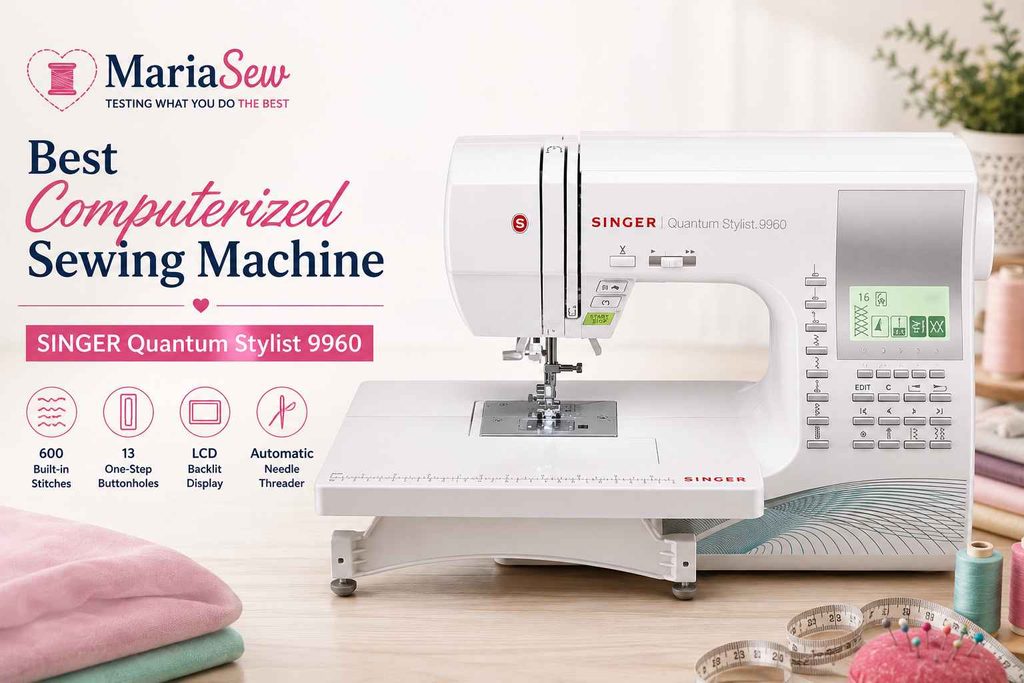
3. Most Stitch Variety: SINGER Quantum Stylist 9960
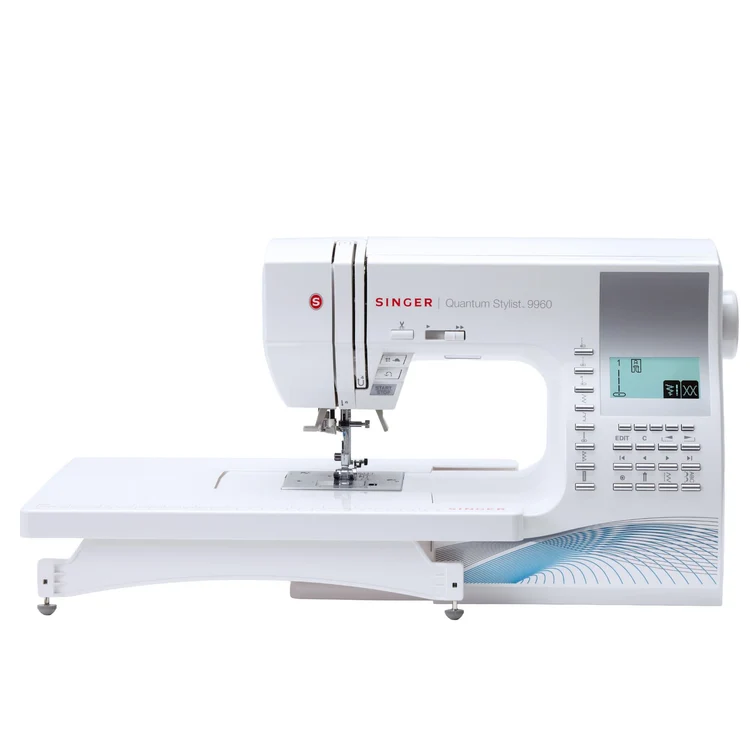
The stitch-variety champ. The 9960 packs 600 stitches, 5 alphabet fonts, and 13 one-step buttonholes, plus a built-in thread cutter that trims both threads at the push of a button. The large extension table and 18 presser feet make it ready for garments, home décor, and decorative work straight out of the box.
As an Amazon Associate, MariaSew earns from qualifying purchases at no extra cost to you.
The SINGER Quantum Stylist 9960 is a feature-packed computerised sewing machine with a large stitch library, typically 600 stitches. It also has useful features like an automatic needle threader, buttonhole options, and a thread cutter button for many listings.
This is the best model for sewists who wish to have more creative control, more garment options, and more decorative stitch variations. It may be more complicated than a beginner machine, so it’s better for those who are comfortable with learning menus and settings.
Pros:
- 600 built-in stitches, by far the largest library among these four machines
- Automatic needle threader reduces a common beginner frustration
- Built-in thread cutter button on many listings, a genuine time-saver during long sessions
- Wide stitch variety supports serious decorative and creative garment work
Cons:
- The sheer number of stitches and menus can feel overwhelming for a true beginner
- More expensive than simpler Brother models with a fraction of the stitch count
- Most users only regularly use a small percentage of the 600 available stitches
Who it’s for: Sewists who genuinely want creative range, decorative stitching, garment variety, and are comfortable learning a more complex menu system.
Who it’s NOT for: Absolute beginners who want simplicity, or anyone who mainly needs basic utility stitches and doesn’t want to pay for features they won’t use.
4. Best Sewing and Embroidery Combo: Brother SE700
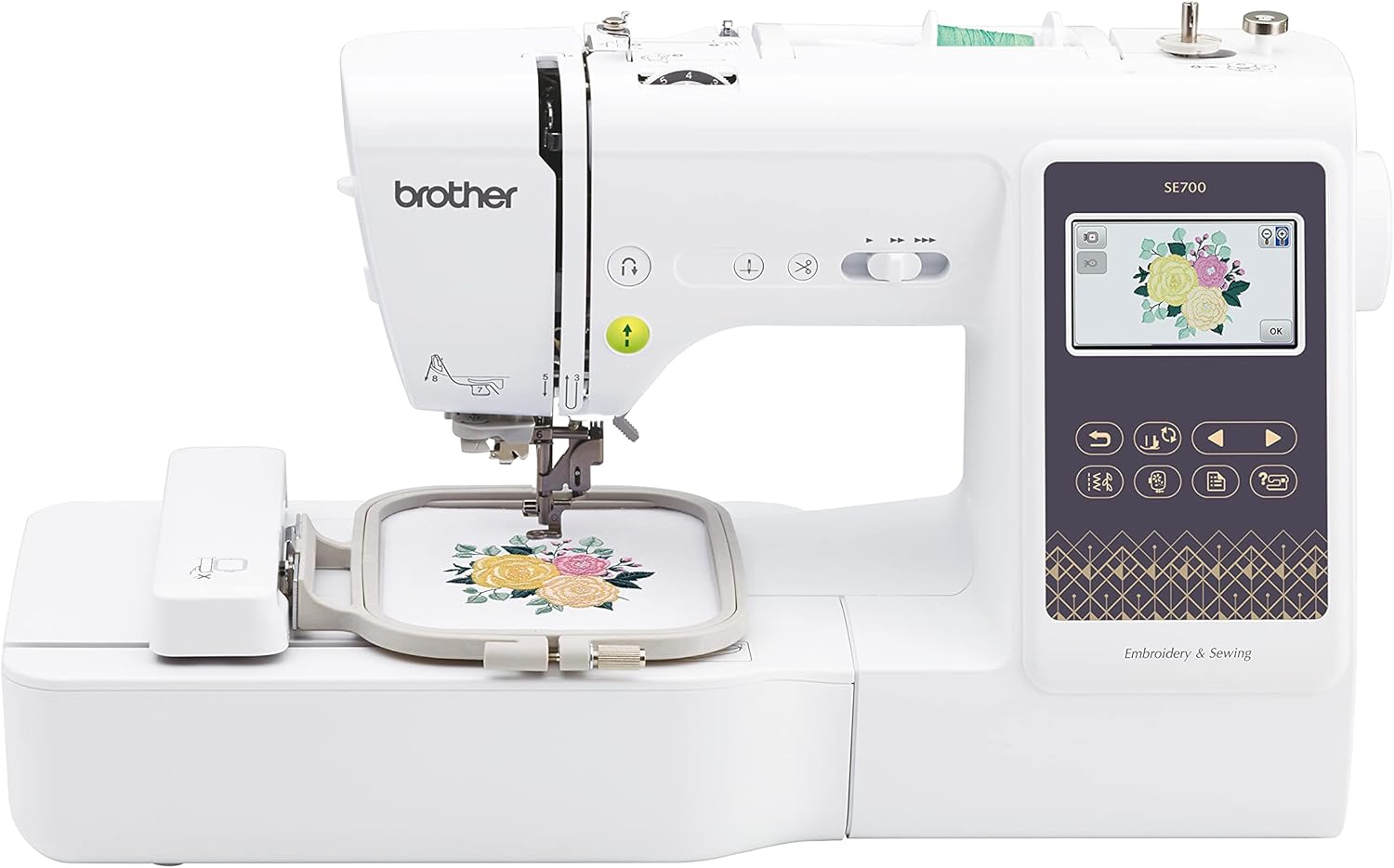
Two machines in one. The SE700 sews with 103 stitches and 10 one-step buttonholes, then switches to embroidery with 135 built-in designs and a 4″ × 4″ field. Its color touchscreen and wireless LAN make it easy to preview and send designs. The small hoop suits monograms, patches, and small motifs rather than large designs.
As an Amazon Associate, MariaSew earns from qualifying purchases at no extra cost to you.
The Brother SE700 is a sewing and embroidery combination machine, unlike a standard computerized sewing machine. It is intended for those who want to sew common projects and embroidery designs, names, monograms, and decorative motifs.
Key Specs
Official Brother specsPrices checked September 30, 2026 and can change.
It is ideal for custom-made gifts, simple embroidery work, and fabric decoration. When purchasing, verify embroidery field size, design transfer methods, hoop size, and whether the software or app workflow is included and whether it meets your requirements.
Pros:
- Genuine sewing and embroidery combo, one machine covers both needs
- Real hoop system and built-in embroidery designs, not just decorative stitches
- USB and design transfer support for importing custom embroidery files
- Good entry point into embroidery without needing a fully dedicated embroidery-only machine
Cons:
- Significantly more expensive than sewing-only machines like the CS7000X or CS6000i
- Embroidery field size is smaller than dedicated, higher-end embroidery machines
- Steeper learning curve, managing both sewing and embroidery functions takes real time to master
- Software/app workflow for design transfer adds another layer of setup beyond straightforward sewing
Who it’s for: Sewists who specifically want to add embroidery, monograms, custom designs, personalized gifts, to their sewing without buying two separate machines.
Who it’s NOT for: Anyone who only sews garments or does repairs and has no interest in embroidery, the added cost and complexity aren’t justified without using that function.
5. Pfaff Passport 3 — Best for Travel
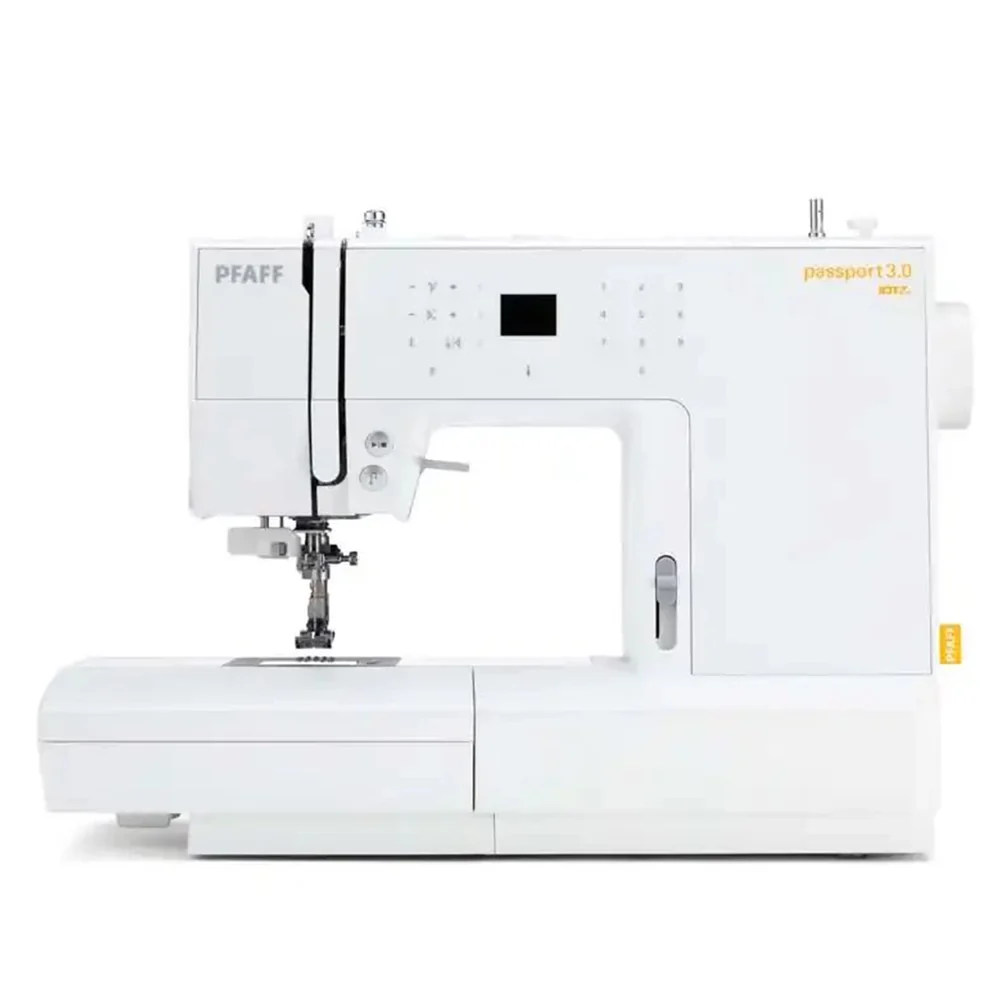
A compact machine that sews like a bigger one. PFAFF’s built-in IDT dual-feed system feeds layers evenly without a separate walking foot, and you get 100 stitches, a 7mm stitch width, and a needle threader in a 14.7 lb body. It’s a premium price for its size, but ideal if you sew away from home.
This is a regular (non-affiliate) link to the official PFAFF store. MariaSew earns nothing from it.
The Pfaff Passport 3 is built around Pfaff’s signature IDT (Integrated Dual Transport) feed system, a genuine engineering differentiator that feeds fabric from both the top and bottom simultaneously, helping keep layered or slippery fabric aligned without the fabric shifting or puckering. Real sewists in online community discussions specifically single this machine out as the lightest and most travel-friendly in Pfaff’s lineup.
PFAFF passport 3.0: Key Specs
Official PFAFF specsPrice checked Sept 30, 2026 · regular (non-affiliate) link
🛒 Buy Now at PFAFFThis is the machine to consider if portability genuinely matters to you, sewing classes, retreats, or a smaller dedicated space where a large flatbed machine isn’t practical.
Pros:
- IDT dual-feed system genuinely improves handling on layered and slippery fabric
- Lightest, most portable option in this lineup, well-suited to classes and retreats
- Compact without sacrificing computerized features
Cons:
- Smaller workspace than large-flatbed machines like the Janome MC6650 or Bernina 770 QE Plus
- Less ideal for large quilting projects specifically
Who it’s for: Sewists who travel to classes or retreats regularly and want a genuinely portable machine without sacrificing real dual-feed performance (IDT system).
Who it’s NOT for: Quilters working on large projects who need maximum throat space, portability and workspace are a genuine trade-off here.
6. Bernina 770 QE Plus — Premium / Professional Pick
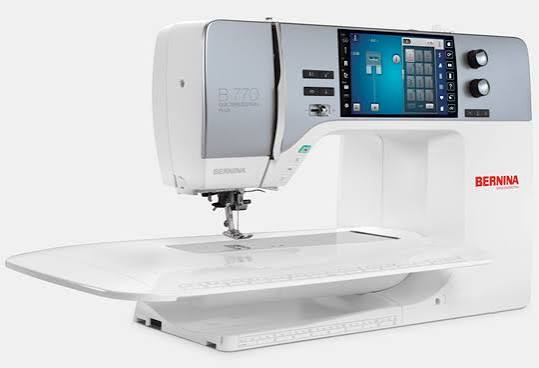
A true flagship for quilters. The 770 QE Plus gives you 10″ of space to the right of the needle, BERNINA’s dual feed, and the BSR stitch regulator for even free-motion quilting, with 9mm stitch width and 1,000 stitches per minute. It’s embroidery-ready with an optional module. The price is steep, so buy it through a dealer who offers classes and service.
As an Amazon Associate, MariaSew earns from qualifying purchases at no extra cost to you.
The Bernina 770 QE Plus sits at the top end of this lineup, a high-end computerized machine with an extra-large workspace built for durability and professional-level sewing. Bernina’s reputation is built on a strong metal frame and dual feed system standard across most models, engineering meant to hold up under serious, regular use rather than occasional hobby sewing.
Key Specs
BERNINA & dealer specsPrices checked September 30, 2026 and can change.
At an estimated $5,500-$8,000+, this is a genuine investment machine, priced for sewists running a business, teaching, or sewing daily at an advanced level, not a first or even second machine for most home sewists.
Pros:
- Extra-large workspace, genuinely suited to large quilts and professional-scale projects
- Strong metal frame and dual feed system built for heavy, regular use
- Bernina’s dealer network is known for strong training and support
Cons:
- Premium price puts it out of reach for most beginner and hobby sewists
- Feature depth this advanced has a real learning curve
Who it’s for: Advanced quilters and serious hobbyists who need an extra-large workspace and are ready to invest in a premium, professional-level machine built to last for years of heavy use.
Who it’s NOT for: Beginners, casual sewists, or anyone without the budget or workload to justify a professional-tier machine. This is best evaluated in person at an authorized Bernina dealer before buying.
7. Husqvarna Viking Sapphire 930/960/965
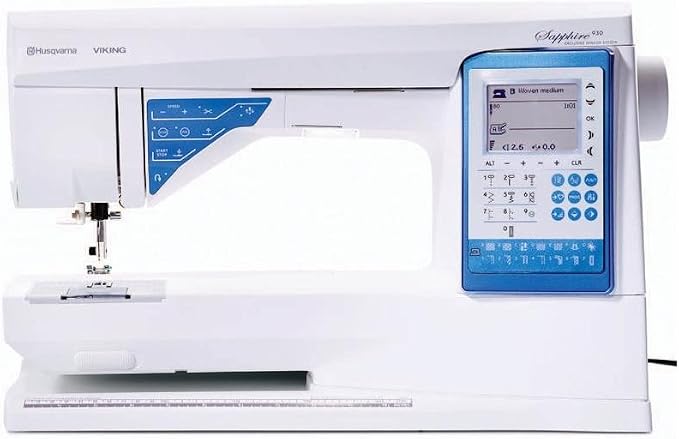
The machine that thinks for you. The Exclusive SENSOR SYSTEM adjusts presser foot pressure to your fabric, the self-adjusting tension and Sewing Advisor set up the stitch for you, and an automatic thread cutter tidies every seam. Add 215 stitches and nearly 10″ of space to the right of the needle, and it’s a fantastic quilting and garment machine. The 960 and 965 add more features, so compare listings.
As an Amazon Associate, MariaSew earns from qualifying purchases at no extra cost to you.
The Sapphire series sits in Husqvarna Viking’s mid-to-premium lineup, and what stands out across the range is how much of the routine setup work is automated. Real sewists discussing these machines specifically point to automatic presser foot lift, automatic tension adjustment, and automatic thread tie-off as genuine, meaningful conveniences, small steps that add up over a long sewing or quilting session. The 965 and 960 models add omnidirectional stitch capability, useful for decorative work and quilting motifs that don’t follow a straight line.
Husqvarna Viking Sapphire 930: Key Specs
Official Husqvarna Viking specsAmazon price checked Sept 30, 2026 · As an Amazon Associate, MariaSew earns from qualifying purchases.
🛒 Buy Now on AmazonThis isn’t a machine we’ve tested hands-on yet, so treat this as a starting point for research rather than a final verdict, but based on verified specs and real user discussion, it’s a genuinely strong option for sewists who want a machine that handles more of the technical decision-making automatically.
Pros:
- Automatic presser foot lift reduces manual adjustment during long projects
- Automatic tension setting removes a common source of trial-and-error frustration
- Automatic thread cutter and tie-off save real time across a sewing or quilting session
- Omnidirectional stitches (965/960) offer genuine creative flexibility for decorative and quilting work
- Strong reputation among long-time Husqvarna Viking owners for consistent stitch quality
Cons:
- Premium pricing compared to entry and mid-range machines from Brother, Singer, or Janome
- Automation-heavy design may feel like less direct control for sewists who prefer manual settings
- Harp/workspace size on some models has been noted as a limiting factor for large quilting projects
- Husqvarna Viking dealer network may be less widespread than Brother or Singer, worth checking service availability in your area before buying
Who it’s for: Sewists who value automation, automatic presser foot lift, automatic tension, and thread tie-off, and want a machine that handles routine setup steps so they can focus on the actual sewing.
Who it’s NOT for: Budget-conscious beginners, or anyone who prefers manual control over automated settings, the automation is the machine’s main selling point, so it’s wasted value if you don’t want it.
How I Test Computerized Sewing Machines
I’ve been sewing for 12 years, and every computerized machine I recommend has either gone through genuine hands-on testing in my own sewing space, or been thoroughly researched against verified manufacturer specs and real, documented owner experiences when a hands-on unit wasn’t yet available. I believe in being upfront about which is which, so you know exactly how much weight to put behind each recommendation.
For machines I’ve personally tested, I run the same core checks every time: stitch quality on multiple fabric weights, how intuitive the LCD and button controls actually are once the “new machine” learning curve wears off, how the automatic needle threader performs after repeated use (not just the first try), how the bobbin system holds up over a real project, and whether the included accessories are genuinely useful or just filler. I also test buttonhole consistency, since that’s one of the clearest signs of whether a machine’s automation actually works as promised.
For machines still on my research list, I verify specifications directly against the manufacturer’s official documentation, cross-reference real owner discussions and reviews from established sewing communities, and only include a model if the information is consistent and well-supported across multiple sources. I don’t guess at specs, and I don’t present research-based coverage as if it were hands-on testing.
Every recommendation in this guide is marked clearly so you know which category it falls into. A feature only earns a place in this guide when it genuinely improves control, consistency, or day-to-day usability, not because it sounds impressive on a spec sheet.
Types of Computerized Sewing Machines
Not all computerized sewing machines are created equal. Some are designed for beginners, some for quilting, some for embroidery, and some for heavier fabric work. It is more significant to select the right category than the machine with the largest number of stitches.
Before purchase, list the projects you sew the most. Someone creating pillow covers and cotton skirts won’t have the same machine as someone creating quilts or embroidered gifts, denim bags, or custom garments.
Beginner Computerized Sewing Machines
Beginner computerized sewing machines are designed to be easy to set up, have clear stitch selection, have simple threading paths, and have speed control. These typically feature utility stitches, a few decorative stitches, an automatic needle threader, and one-step buttonholes.
These machines are ideal for beginners, for creating simple crafts, for hemming pants, sewing pillow covers, and for doing simple repairs. If you are a beginner, don’t buy embroidery that is too complicated or has a lot of stitch libraries in it unless you know you will use them.
These machines are ideal for beginners, for creating simple crafts, for hemming pants, sewing pillow covers, and for doing simple repairs. If you’re buying your first machine, our roundup of the best sewing machines for beginners can help narrow your choices.
Quilting Computerized Sewing Machines
Computerized sewing machines for quilting typically have features that make it easier to handle larger fabric layers. Find an extension table, needle up/down control, walking foot, free-motion quilting, adjustable speed, and stable feeding.
For a complete breakdown of its features, performance, and value, read our sewing machine extension table guide.
You don’t have to get the most expensive quilting machine, but you want to have enough room and control to move your fabric around without any problems. When quilting large quilts, it is more important to have space in the throat and table support than to have hundreds of decorative stitches.
If quilting is your primary focus, you may also want to explore the best quilting sewing machines before making your final decision.
This table shows that quilting is about control and fabric handling. A machine with fewer stitches but better fabric support can outperform a machine with more decorative stitches and less workspace.
| Quilting Feature | Why It Matters | Buyer Tip |
|---|---|---|
| Extension Table | Supports larger quilt pieces | Useful for beginners and large projects |
| Walking Foot | Feeds layers evenly | Helpful for quilt sandwiches and slippery fabrics |
| Needle Up/Down | Helps pivot and control corners | Very useful for quilting and applique |
| Speed Control | Prevents sewing too fast | Important for curves and free-motion work |
| Drop Feed / Free Motion | Allows creative quilting movement | Check if the model supports it |
When reviewing quilting models, also check the included accessories. A wide table, walking foot, quilting foot, and guide accessories can add real value because buying them separately may increase the total cost.
Embroidery and Sewing Combo Machines
Not every sewing machine is a computerized embroidery machine. For stitching logos, names, decorative designs, or downloaded embroidery designs, you need a sewing and embroidery combo machine or a dedicated embroidery machine.
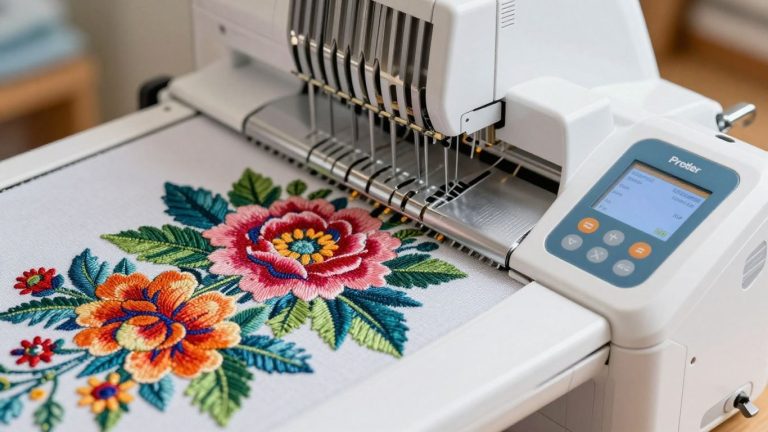
Embroidery machines typically feature an embroidery arm, a hoop system, built-in designs, design editing tools, and a means of transferring designs via USB, wireless LAN, or software. These machines are more expensive, but they are the right machines to buy if you want to embroider.
If embroidery is your priority, our guide to the best embroidery sewing machines compares models designed specifically for embroidery work.
Heavy-Duty Computerized Sewing Machines
Heavy-duty computerised machines are suitable for those who want digital controls and also thicker fabric handling. They can be more powerful, sturdier, have improved feeding mechanisms, and have a higher lift presser foot.
But ‘heavy duty’ doesn’t necessarily imply that the machine can sew anything. Even with thick denim seams, leather, upholstery, and several layers of canvas, the right needle, thread, speed, and machine rating are still required. When you are working with heavy fabric, select a model designed for heavy fabrics.
When you’re working regularly with thick materials, comparing machines from our best Brother sewing machines or best Singer sewing machines guides can be helpful since both brands offer heavy-duty options.
Key Features to Look For When Buying a Computerized Sewing Machine
Not all the best computerized sewing machines have the most stitches. A few stitches are used by many buyers on a regular basis, including straight stitch, zigzag, stretch stitch, blind hem, overcasting, and buttonhole.
Pay attention to the things that will make your daily sewing easier. A good bobbin system, speed control, lighting, and presser feet could be more important than hundreds of decorative patterns.
LCD Display and Simple Controls
The LCD provides a clear view of the selected stitch, stitch width, stitch length, and, in some cases, the recommended presser foot. This will minimize trial and error and prevent novices from picking the wrong configuration.
The display should be easy to read, and the buttons should be intuitive. Beginners might feel overwhelmed by too many menus, so easy-to-navigate machines are a significant purchase consideration.
Automatic Needle Threader
Use an automatic needle threader to save time and eye strain. It is particularly useful for novices, older sewers, and those who frequently switch colors.
This feature is still on the learning curve. It is best used when the needle is in the correct position and the thread is properly guided, so always use the manual rather than forcing the mechanism.
If this feature is especially important to you, check our recommendations for the best automatic needle threaders to see which machines perform best.
One-Step Buttonhole
A one-step buttonhole feature is used to make a buttonhole in one automatic step, typically using a special buttonhole foot. This is very handy for shirts, dresses, pillow covers, bags, and repairs to clothes.
This is more important than having hundreds of decorative stitches if you sew clothes. When you are making your first garment, you can make it look much more professional if you create consistent buttonholes.
Speed Control and Start/Stop Button
Speed control allows you to control the speed of the machine, which is useful when sewing around curves, corners, around delicate fabric, or small pieces. It also allows the novice to develop confidence without losing control of the fabric.
Some of the computerized machines also have a start/stop button so that you can sew without the foot pedal. It can be handy for long seams, quilting, or those using hand controls.
Stitch Count and Stitch Quality
Stitch count is important, but stitch quality is more important. If the machine has fewer stitches but the stitch selection, feeding, and tension control are easier to use, then a machine with 70 stitches may be more beneficial to most people than one with 600 stitches.
Search for a variety of utility, stretch, decorative, quilting, and buttonhole stitches. In addition, look to see if the stitch width and length can be adjusted since customization can help you to match the stitch to the fabric.
Presser Feet and Accessories
The value of a machine can be altered by the accessories included. Some helpful presser feet are a zipper foot, a buttonhole foot, an overcasting foot, a blind hem foot, a walking foot, a quilting foot, and a button sewing foot.
Keep extra feet and bobbins readily available. Generally, accessories, manuals, tutorials, and replacement parts are more readily available for a machine from a well-supported brand, making it easier to maintain.
Keep extra feet and bobbins readily available. A dedicated sewing box can help organize accessories, while a sewing machine extension table provides better support for larger projects.
Price Tiers: What You Get for Your Money
Computerized sewing machines vary widely in price. The right budget depends on whether you need a beginner machine, a quilting machine, a sewing-and-embroidery machine, or a high-end creative system.
The table below gives a general buying framework. Actual prices change often, but the feature differences usually follow the same pattern.
| Price Tier | Typical Features | Best For |
|---|---|---|
| Budget / Entry Level | Basic LCD screen, utility stitches, automatic needle threader, one-step buttonholes | Beginners, repairs, simple crafts |
| Mid-Range | More stitches, better accessories, extension table, speed control, quilting features | Hobby sewists, garment makers, quilters |
| Sewing + Embroidery | Hoop, embroidery designs, design transfer, sewing stitches | Personalized gifts, monograms, embroidery projects |
| High-End / Advanced | Large throat, advanced software, memory, premium feeding, larger workspace | Advanced quilters, serious hobbyists, small creative businesses |
Don’t assume that the more expensive it is, the better the machine will be for you. Embroidery or advanced memory settings may not be useful to a beginner who just hems pants and makes small crafts.
If you’re not sure, select a machine that will accommodate your current work and then some. For a hobby sewist looking for value, a mid-range computerized sewing machine may be the safest bet.
Best Computerized Sewing Machine by User Type
The easiest way to choose a machine is to match the model to your main project type. A machine that is perfect for embroidery may be unnecessary for simple clothing repairs, while a basic machine may feel limiting for advanced quilting.
Use the table below as a quick decision guide. After reading it, review the paragraphs that follow so you understand why each category matters.
| User Type | Best Machine Type | What to Prioritize | Watch Out For |
|---|---|---|---|
| Complete Beginner | Entry-level computerized sewing machinee.g. Brother CS7000X, Singer HD 4432 | Simple screen, speed control slider, automatic needle threader, drop-in bobbin | Machines with too many stitches you’ll never use, low motor power that stalls on 2+ fabric layers |
| Garment Maker | Computerized machine with buttonholes and stretch stitchese.g. Singer Quantum Stylist 9960 | One-step buttonholes, zipper foot, stretch/knit stitches, adjustable stitch length and width | Missing a narrow zipper foot in the box, buttonhole feature that requires manual sizing |
| Quilter | Computerized quilting machinee.g. Janome HD3000, Janome Horizon 8200QCP | Extension table, walking foot compatibility, wide throat space, needle up/down memory | Small workspace under 7 inches, no walking foot included or sold separately |
| Embroidery User | Sewing-and-embroidery combo machinee.g. Brother SE725, Singer Legacy SE300 | Hoop size range, number of built-in designs, USB/design transfer support, embroidery field size | Small default hoop that limits design size, proprietary design formats that limit software |
| Heavy Fabric User | Heavy-duty machine with a strong feed systeme.g. Singer Heavy Duty 6800C, Janome HD3000 | High motor amperage, extra presser foot lift height, metal internal frame, denim/leather needles | Plastic internal frames that flex under thick seams, low presser foot lift on 4+ fabric layers |
This table is helpful because many shoppers tend to buy too much or too little. The beginner might not need an embroidery machine, and a quilter might outgrow a small entry-level machine that has limited workspace.
Consider what you will be sewing in the next year. For those who are primarily making curtains, repairing clothes, and making cotton crafts, a basic to mid-range computerized model will suffice. If you are going to do this on a regular basis, then you should get a machine that is designed for quilting or embroidery.
Choose Your Computerized Sewing Machine
Find the line that sounds most like you. That’s your machine.
If…
I’m a beginner or want one do-it-all machine
If…
I want a budget machine that’s ready for quilting
If…
I want tons of decorative stitches and lettering
If…
I sew at classes and retreats
If…
I’m a serious quilter with a big budget
If…
I want the machine to set itself up for me
Prices checked September 30, 2026 and can change. MariaSew may earn a commission from Amazon and Sewing Machines Plus purchases at no extra cost to you. PFAFF and BERNINA links are regular (non-affiliate) links.
Common Buying Mistakes to Avoid
Many computerized sewing machine mistakes happen before the first stitch. Buyers often focus on stitch count, price, or brand name while ignoring the features that affect daily use.
Avoid these common mistakes before purchasing a machine:
- Buying the machine with the most stitches, even if you only need utility stitches.
- Assuming every computerized machine has automatic tension or automatic thread cutting.
- Choosing an embroidery machine when you only need decorative sewing stitches.
- Ignoring throat space and table support when planning to quilt.
- Forgetting to check included accessories and warranty status.
- Buying a machine that is too heavy if you need portability.
- Expecting a home sewing machine to handle industrial leather, upholstery, or thick seams daily.
- Not reading the manual before using automatic needle threading or bobbin winding.
If portability matters, don’t forget to factor in a sewing machine carrying case to protect your investment during transport or storage.
Computerized Sewing Machine Maintenance Tips
Computerized machines still need regular cleaning and careful use. Lint buildup, dull needles, incorrect threading, and wrong bobbins can cause stitching problems even when the machine has digital controls.
Follow the maintenance instructions in your manual because each model is different. Some sewing machines should not be oiled by the user unless the manual specifically says so. Digital components and timing issues should usually be handled by a qualified technician.
- Clean lint from the bobbin area regularly.
- Replace dull or bent needles often.
- Use the correct needle for each fabric.
- Use the bobbin type recommended by the manufacturer.
- Rethread the machine if stitches look uneven.
- Cover the machine when not in use.
- Keep food, liquids, and dust away from the screen and controls.
- Schedule professional service if the machine becomes noisy, skips stitches, or shows electronic errors.
If you’re unsure about proper threading after maintenance, follow our step-by-step guide on how to thread a sewing machine. Understanding the main sewing machine parts also makes routine maintenance much easier.
Pros and Cons of Computerized Sewing Machines
Computerized sewing machines offer real advantages, especially for stitch selection and automation. They can save time, reduce setup frustration, and provide more creative options than many basic mechanical machines.
At the same time, they can cost more and may require professional repair if an electronic part fails. The table below gives a balanced view so buyers can make a realistic decision.
| Pros | Cons |
|---|---|
| Easy stitch selection through the screen or buttons | Usually more expensive than basic mechanical machines |
| Speed control helps beginners sew safely | Electronic repairs can require a technician |
| One-step buttonholes improve garment results | Menus and buttons may feel overwhelming at first |
| More decorative and utility stitches | Not all models handle heavy fabrics well |
| Helpful features like needle up/down and start/stop sewing | Some automatic features still have a learning curve |
The advantages are strongest for users who sew often or want to grow into more advanced projects. If you only sew once or twice a year, a computerized model may be more machine than you need.
The drawbacks are manageable if you choose a model that matches your needs, read the manual carefully, and maintain the machine properly.
Final Recommendation
A medium-level computerized sewing machine is the most cost-effective, user-friendly, and versatile option for most beginning and casual sewists. Seek out an LCD, speed control, automatic needle threader, one-step buttonholes, drop-in bobbin, adjustable stitch length and width, and a helpful set of presser feet.
If you’re looking for one safe recommendation category, look for a model such as the Brother CS7000X style of machine: features that will allow growth, but not so many that it’s intimidating. If you are only interested in sewing, don’t bother with a sewing and embroidery machine, and if you are looking for embroidery, opt for a heavier-duty machine.
If you’re comparing brands before buying, our guides to the best Brother sewing machines, best Singer sewing machines, and best Janome sewing machines provide additional recommendations for different budgets and sewing styles.
Frequently Asked Questions
What is a computerized sewing machine?
A computerized sewing machine uses electronic controls and built-in software to manage stitch selection, stitch length, stitch width, needle position, and other functions. It is different from a mechanical machine because many settings are selected through buttons or a screen.
Is a computerized sewing machine good for beginners?
Yes, many computerized sewing machines are good for beginners because they include clear stitch selection, speed control, automatic buttonholes, and helpful threading features. Beginners should choose a simple model with an easy screen instead of an overly complex machine.
Is a computerized sewing machine better than a mechanical sewing machine?
It depends on your needs. Computerized machines are better for automation, stitch variety, and convenience. Mechanical machines can be better for simple repairs, lower cost, and users who prefer manual controls.
Can computerized sewing machines sew thick fabrics?
Some can sew medium-weight denim, canvas, and layered fabrics when used with the correct needle, thread, and speed. However, not every computerized machine is heavy-duty, so check the model rating before sewing thick materials regularly.
Do computerized sewing machines automatically adjust tension?
Some higher-end models may include automatic or assisted tension, but many computerized machines still use manual tension adjustment. Always check the specific model details instead of assuming this feature is included.
Can I embroider with any computerized sewing machine?
No. A regular computerized sewing machine may have decorative stitches, but embroidery requires a dedicated embroidery machine or a sewing-and-embroidery combo machine with a hoop system.
How many stitches do I need?
Most beginners only need essential stitches such as straight, zigzag, stretch, blind hem, overcasting, and buttonholes. More stitches are useful for decorative sewing, quilting, and creative projects, but they are not always necessary.
How long do computerized sewing machines last?
With proper cleaning, careful use, and professional servicing when needed, a good computerized sewing machine can last many years. Longevity depends on build quality, usage level, maintenance, and availability of parts.
Should I buy the Brother CS7000X or the Singer 9960?
Choose the Brother CS7000X if you want a simpler, beginner-friendly computerized sewing machine with quilting support. Choose the Singer 9960 if you want a much larger stitch library and more advanced creative features.
What should I check before buying?
Check stitch options, buttonholes, speed control, bobbin system, included presser feet, weight, warranty, manual availability, service support, and whether the machine fits your actual sewing projects.