
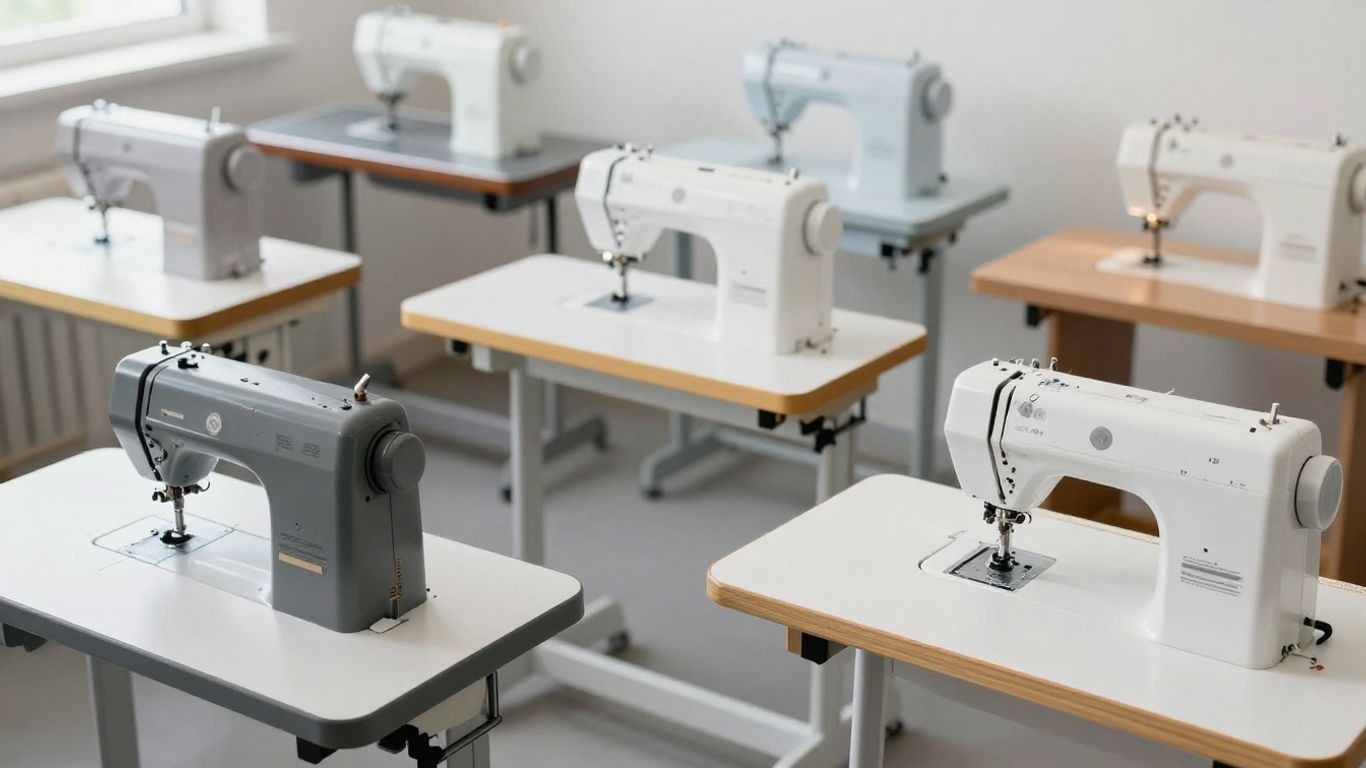
Sewing Machine Extension Table: Top Picks for 2026
I’ve been sewing for years, and one thing I always struggled with was having enough space to work on bigger projects. My sewing machine just sits there on my regular desk, and fabric tends to fall off or get bunched up. It’s a real pain, honestly.
That’s why I started looking into a sewing machine extension table. It seemed like a simple fix, and after trying a few out, I can tell you it makes a huge difference. If you’re running into the same issues, stick around because I’m sharing my top picks for 2026.
Key Takeaways
- A sewing machine extension table gives you more flat surface area around your machine, which is great for larger sewing projects like quilts or garments.
- These tables help keep your fabric steady and supported, preventing it from dragging or getting uneven, leading to more accurate stitches.
- There are different kinds, including ones that fit most machines (universal) and ones made for specific brands.
- Some extension tables are designed to fold up or be portable, making them a good choice if you don’t have a dedicated sewing space.
- When picking one, think about your machine’s make and model, how much extra space you really need, and if you need it to be easy to store.
What is a Sewing Machine Extension Table?
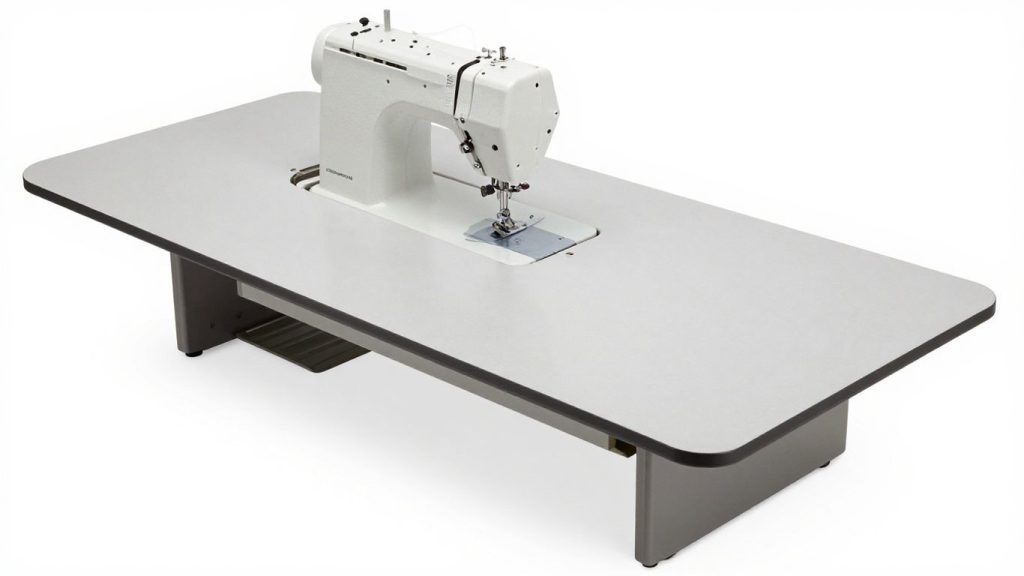
As a new quilter, I realized rather quickly that working with bigger pieces of fabric on a traditional sewing machine setup was frustrating. At the most basic level, a sewing machine extension table is an added Platform that attaches to your sewing machine, giving you more surface area on which to sew. This prevents fabric from sliding off the edge as much, which especially comes in handy when you’re sewing quilts or sewing heavier fabrics.
A proper extension table is about more than just space; it’s extra stability where you need it most. What distinguishes these tables from each other is the following:
- Creates more surface area, which can be handy when you’re working on larger patches.
- Prevent thick or heavy fabric from dragging or bunching.
- Keeps the fabric steady as you sew, making your stitches neater.
The kind that will really surprise you. Some are universal, that it could clip on most sewing machine brands, while others are tailored for individual sewing machine models to get a perfect fit. Storage also becomes less of a hassle with foldable options, especially when you’re working in a confined space or need to tidy things up quickly!
For longer seams, you’ll find it a night-and-day difference, and with smaller surfaces preventing that obnoxious droop in the fabric.
The great thing is that you do not have to go right now and order a whole new desk or piece of furniture. The sort of extension table you can get instantly makes the configuration that you have rather more effective for larger roles.
This becomes especially useful when working on projects like how to make a simple tote bag at home or sewing large fabrics.
Why You Need a Sewing Machine Extension Table
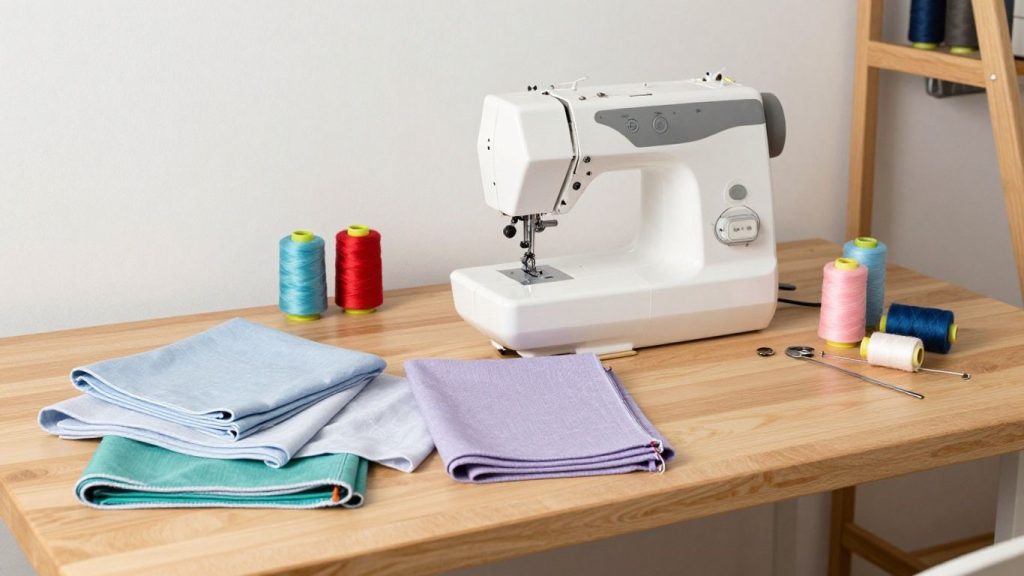
I sort of assumed that when I started sewing, I would need nothing more than my machine and any extras. I think, “Well, the default setup should be fine”. Then I moved on to bigger projects, quilts and curtains, and quickly saw that my little sewing space had its limitations. It was at that moment that I discovered the wonder of sewing machine extension tables.
Increased Workspace for Larger Projects
So this is, without a doubt, the number one reason why I heart my extension table. It basically provides your sewing machine with a much larger sewing surface. The extension table gives you a flat, stable platform that extends out from your machine, rather than your fabric always falling off the sides.
So much of this extra space is a boon for organizing large projects, fabric. Imagine how an enormous king-size quilt or a long dress would be without that extra set of hands – it is a wrestling match. The table glides nicely with the fabric, and you can concentrate on your stitching instead of battling gravity.
If you’re into quilting, you may also want to check the best quilting sewing machine for better performance.
Improved Fabric Support and Stability
More space is nice, but an extension table truly provides stability. The weight of heavier fabrics or multiple layers will pull down on your machine, ripping it to shreds as you sew. That weight is spread with an extension table and provides a level of stability during sewing.
That translates into less wobble and fewer missed stitches. It just makes the entire thing feel more organized and business-y, even at home.
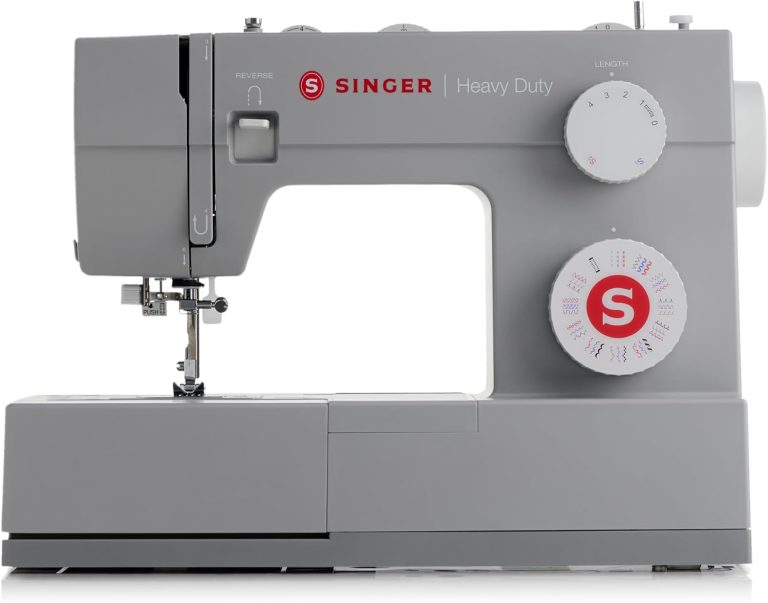
Machines like Singer 4452 Heavy Duty Sewing Machine Review highlight how powerful machines benefit even more from stable surfaces.
Enhanced Accuracy and Precision
Due to the fact that it is better supported and more stable, I have found my sewing has become much more accurate. When your fabric is not sagging or moving without you asking it to, it’s an easier task to direct where you want it to go. That’s very important for matching seams, topstitching, or sewing with delicate fabrics, which could easily get distorted.
This gets me much closer to getting nice crisp lines and a result that has some level of finish. Think of the presser foot as a performance enhancer for your sewing machine; it makes those fiddly bits so much easier. It’s a bit like choosing a good luxury watch – the right accessory makes all the difference in how you feel and perform.
For example, machines reviewed in Brother CS7000X Review show how precision improves with proper setup.
Types of Sewing Machine Extension Tables
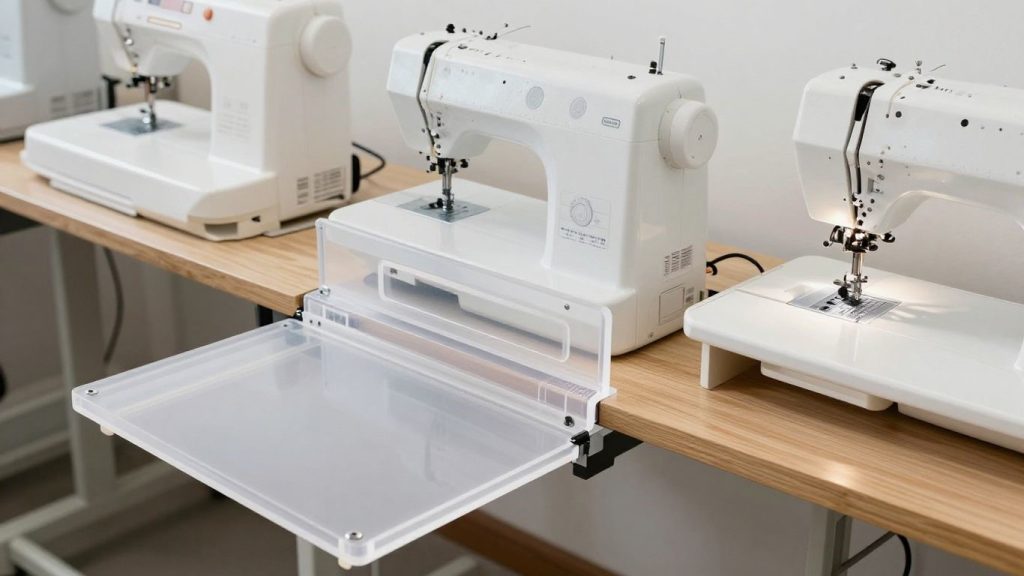
When I first started sewing more complex projects, I quickly realized my standard sewing machine setup just wasn’t cutting it. The fabric would bunch up, and keeping things straight felt like a wrestling match. That’s when I started looking into different kinds of sewing machine extension tables, and let me tell you, there’s more variety than I expected!
Universal Extension Tables
For many sewists, these are the workhorses. These are intended to be used with many sewing machines, and typically snap directly to the free arm of your machine. This is really all to build a flat sewing machine surface that extends out from the actual machine.
They are typically constructed of durable plastic or acrylic and are a nice idea to gain surface area without needing to buy a whole new sewing table. A decent universal table works wonders when you’re working with bigger pieces of material or quilting, which I realized was the main thing!
They work well with beginner-friendly setups like those in sewing kits for beginners you can buy online.
Brand-Specific Extension Tables
These are the everyday workhorses for many sewists. They have a universal fit with many that attach to the free arm of your machine. Essentially, this is just a bigger flat sewing surface away from the sewing machine.
They are typically made out of heavy-duty plastic or acrylic, and they provide a way to acquire extra sewing area without the need for purchasing an entirely new sewing table. If you are working with larger pieces of fabric or do quilting, a good universal table can make such a difference!
For example, if you own machines like those in Brother XR3774 Review or Janome 2212 Review, brand-specific tables work best.
Foldable and Portable Options
Foldable and portable extension tables are a godsend for those of us with limited space, or if you enjoy sewing in different spots throughout the house. These commonly fold up so that the legs fit inside the desk, and they store away nicely in a closet or under a bed.
Others are made to be small and lightweight for taking with you to sewing class or a friend’s place. These are great, and I love having one for traveling to my parents’ place, as it means I’m not suddenly going to have to stop all of what I’m working on just because I’m not at home. They are great as they are a free-standing, large sewing table addition that does not use permanent real estate.
Depending on your machine and sewing habits, the type you select can vary from one another. If you are not sure which one to buy, don’t go for the first one that comes your way; consider what your primary use case will be. A well-arranged sewing table will take your sewing to the next level.
Transform your sewing station with panels that can turn your small machine into a bigger, stronger workspace for large projects. No matter if you are making a quilt or a big piece of garment, that additional sewing machine workspace is priceless. Sort of like a table extension for my craft table, only free and without the bulk.
Perfect for small spaces, especially if you’re working in compact setups like those in small apartment ideas.
Top Sewing Machine Extension Tables for 2026
When sewing larger projects, particularly a quilt, I have found that the basic sewing machine surface just does not measure up. It is tight, and I keep worrying that it will flee. This is where an extension table really helps.
It’s like making the sewing machine a giant work area. I have researched what should be among the best available choices for 2026 and wanted to share a few that caught my attention.
If you’re using heavy-duty machines like those in Singer Heavy Duty 4423 Review, an extension table becomes almost essential.
SINGER Gray Extension Table for Heavy Duty Mechanical Machines
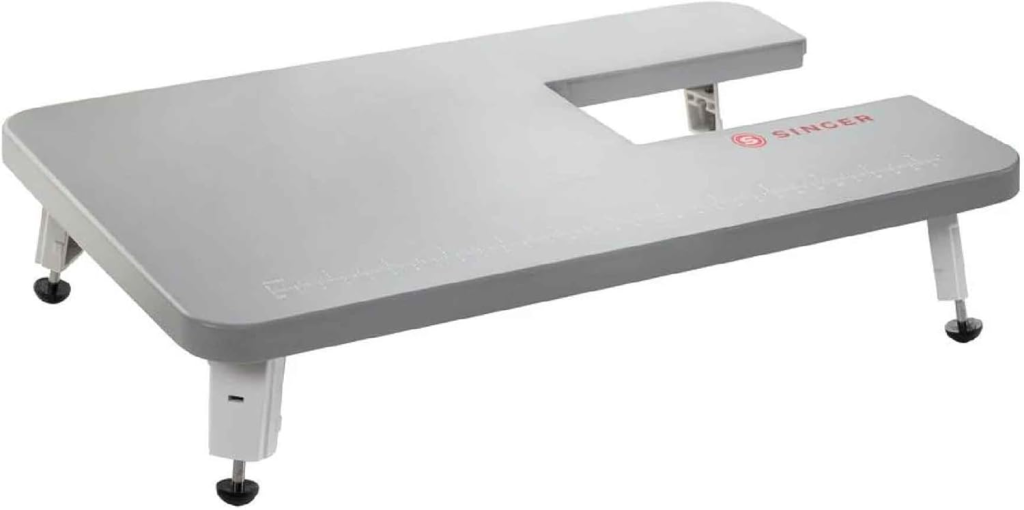
The SINGER Sewing Company Gray Extension Table is particularly suitable for heavy-duty mechanical sewing machines of the type 4411, 4423, and 4452. Its biggest advantages are that it provides a more extensive and stable sewing area, which is ideal for quilting, curtains, denim working, or other oversized fabric work. It also aids in preventing the fabric from being pulled and helps keep the stitches clean and precise over prolonged sewing times.
With a foldable leg design, this serger is stable but still compact enough for beginner sewists with tight spaces. The ease with which it fits in a compatible machine and the amount of headache it takes out when tackling heavy fabric are praised by users a lot. This option is one of the best extension tables you can use for larger projects if you’re looking to get your hands on a good sewing machine.
Pros:
- Large and stable sewing surface
- Foldable leg for better support
- Great for quilting and heavy fabrics
- Compatible with multiple SINGER models
- Easy to attach and remove
Cons:
- Only fits selected mechanical models
- Takes extra desk space when open
- Gray color may not match all setups
Verdict: A dependable extension table that improves workspace comfort and fabric handling for heavy-duty sewing projects.
These insights are based on real Amazon customer reviews, tested experiences, and well-researched user feedback.
Works perfectly alongside machines reviewed in Singer HD4411 Prisma Review.
StitchTech Sewing Machine Extension Table Compatible with Singer Heavy Duty Models
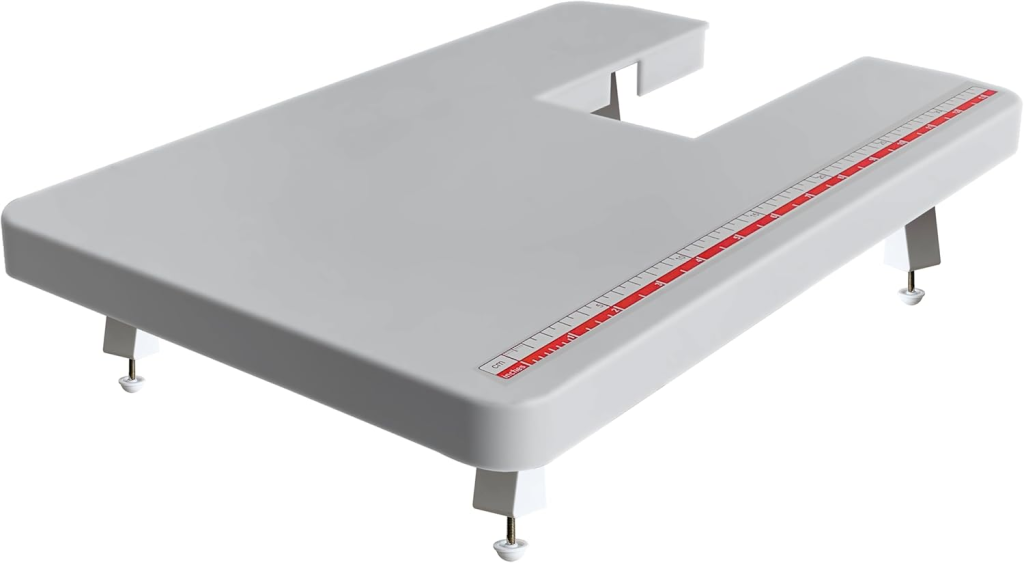
The StitchTech Sewing Machine Extension Table is an essential addition to work better with SINGER heavy-duty sewing machines. Its generous 15″ x 10″ surface provides added support for larger fabrics, ensuring a better balance and consistency in the stitching line while quilting, garment sewing, and crafting. It works well for smaller sewing rooms as well, due to its compact size.
Most users appreciate that it is relatively easy to set up and may be quite lightweight, making it an excellent choice for users who must travel or store it when not in use. This offers a smoother surface that minimizes fabric drag and enhances control while sewing. If you are looking for an inexpensive add-on for your sewing machine desk, this table provides great functionality without any extra complications.
Pros:
- Affordable workspace expansion
- Lightweight and easy to handle
- Compatible with many SINGER models
- Helps improve stitching stability
- Good size for everyday sewing
Cons:
- Smaller than premium extension tables
- Limited advanced features
- Plastic construction feels basic
Verdict: A budget-friendly sewing machine extension table that adds practical workspace support for daily sewing tasks.
These insights are based on real Amazon customer reviews, tested experiences, and detailed user research.
Pairs well with compact machines like Singer M1000 Review.
Sewing Machines Extension Table for Singer Heavy Duty Sewing Machines
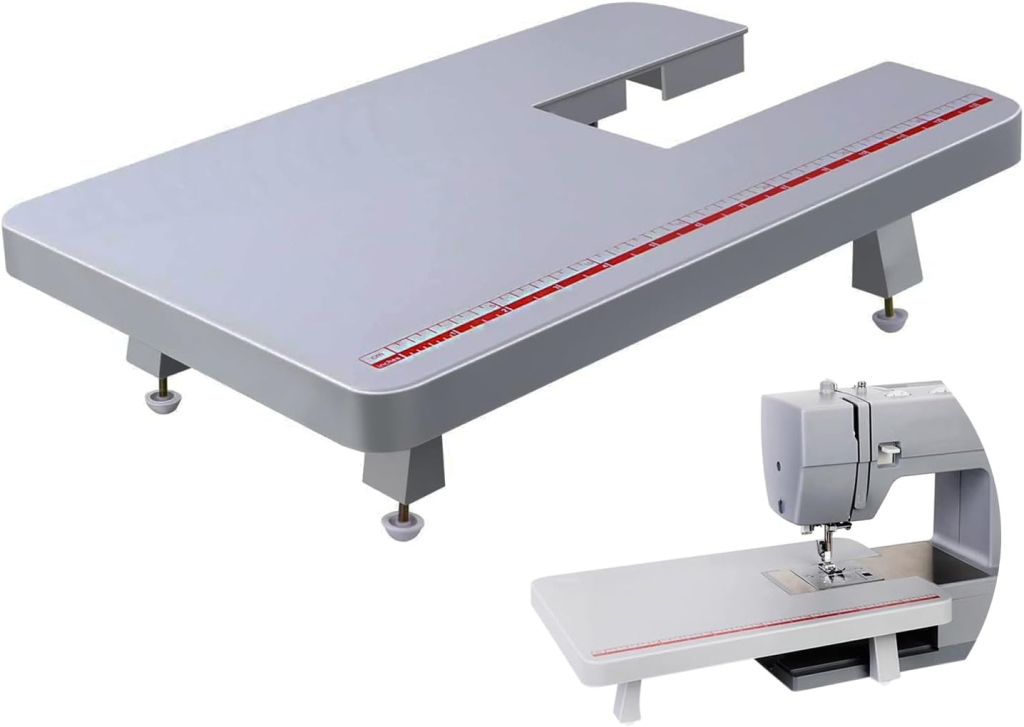
This extension table for SINGER heavy-duty sewing machines like 4411 and 4452; The larger sewing area also supports larger materials, good for quilts, jackets, and home décor fabrics that require constant repositioning. This makes for a much more comfortable sewing experience on longer projects.
Users like that it is easy to set up and a stable platform, particularly with heavy fabrics, which have a tendency to pull away from the machine bed. The design is practical, with no bells and whistles, which suits both beginners and experienced sewists. It acts as a good basic expansion of any sewing workspace.
Pros:
- Expands sewing workspace effectively
- Stable support for larger fabrics
- Easy installation process
- Good compatibility with SINGER models
- Helpful for quilting projects
Cons:
- Basic design without extra features
- May feel lightweight for some users
- Limited compatibility outside SINGER models
Verdict: A simple and functional extension table that improves sewing comfort for larger fabric projects.
These insights are based on real Amazon customer reviews, tested usage reports, and detailed product research.
Especially useful if you’re comparing machines like Singer HD500 vs Singer 4452.
CKPSMS Adjustable Height Extension Table for Brother Sewing Machines
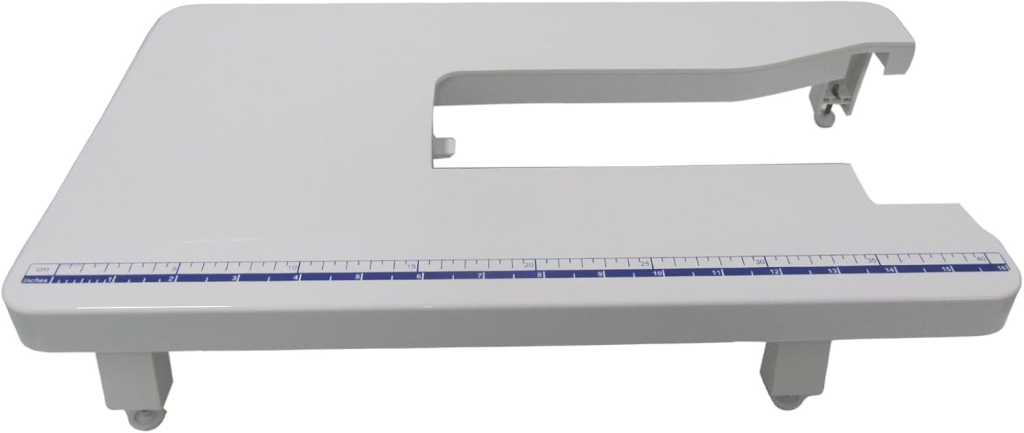
The CKPSMS Adjustable Height Extension Table is unique due to its adjustable height options. I find it makes for a better ergonomic sewing experience when making long curtains and is compatible with several Brother Innovis & embroidery machines. One more thing that is going to give you a leg up is the wider sewing area, which provides better fabric handling and accuracy.
The expandable feature of it is effective for quilting, embroidery, and bigger sewing projects that require correct alignment. I’ve noticed many more users saying it’s great for multi-machine setups and also smooths out fabric movement significantly. If you’re one of the Brother users who needs flexibility and comfort, this extension table is a terrific overall value.
Pros:
- Adjustable height for better ergonomics
- Wide compatibility with Brother models
- Great for quilting and embroidery
- Improves fabric control and alignment
- Comfortable for long sewing sessions
Cons:
- Setup may take extra adjustment time
- A white surface can show marks easily
- Higher price than basic extension tables
Verdict: A versatile and ergonomic extension table ideal for Brother users handling detailed or large sewing projects.
These insights are based on real Amazon customer reviews, tested experiences, and extensive product comparisons.
Works well with embroidery machines like Brother PE900 Review.
SINGER Extension Table for Computerized Heavy Duty Sewing Machines
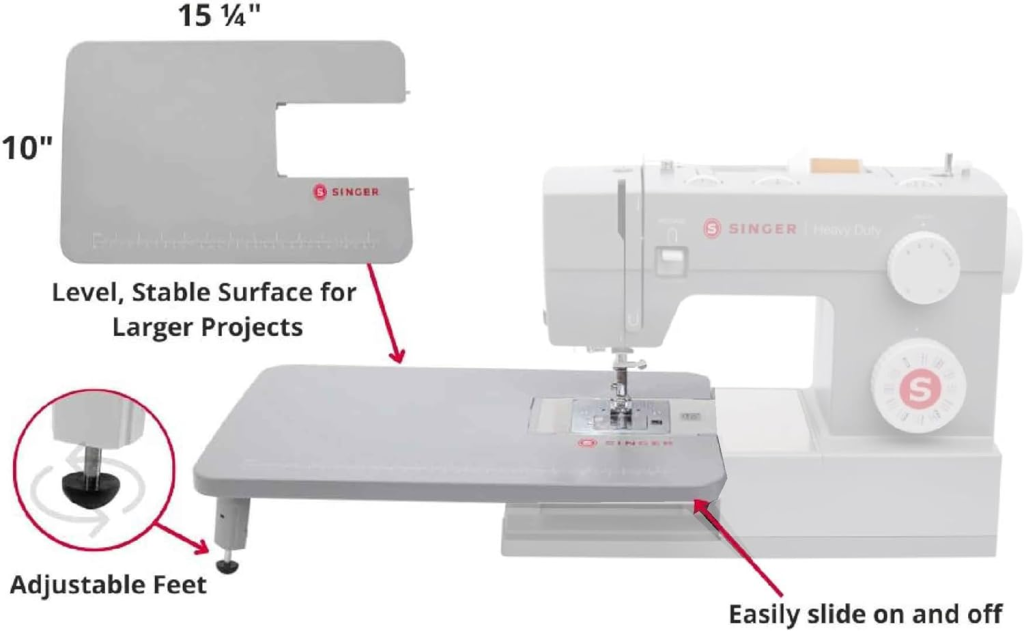
This SINGER Extension Table is an assistive tool for quilting, garment construction, and large sewing tasks when you need extra space. With a snap-on design, its installation is quick, and the leg fold helps enhance stability during high-speed sewing. This prevents your fabric from shifting and allows for a smoother sewing performance.
The larger working space allows bulkier fabrics and makes for cleaner stitch lines, something frequently mentioned by users. Additionally, the table can be conveniently dismantled and stored away when finished working from home, allowing for compact sewing areas. This is especially great for sewists who do large creative projects on the regular.
Pros:
- Convenient snap-on installation
- Stable foldable leg support
- Excellent for quilting projects
- Expands the sewing surface effectively
- Easy to store after use
Cons:
- Compatible only with specific models
- Plastic material may feel lightweight
- Requires careful alignment during setup
Verdict: A practical sewing machine extension table that adds valuable workspace and stability for computerized heavy-duty sewing.
These insights are based on real Amazon customer reviews, tested experiences, and well-researched sewing community feedback.
When choosing an extension table, always double-check compatibility with your specific sewing machine model. A stable surface is more important than you might think, especially for free-motion quilting or working with heavy materials. Look for features like adjustable legs or foldable designs if storage space is a concern for you.
Here’s a quick look at some key features:
- Increased Surface Area: All these tables aim to give you more room to maneuver fabric.
- Stability: A wobbly table is worse than no table at all. Look for sturdy construction.
- Compatibility: Make sure it fits your machine model.
- Portability/Storage: Foldable legs or a compact design can be very helpful.
I’m leaning towards the adjustable height option for my own setup, but honestly, any of these would be a significant upgrade from my current setup. It’s all about finding the right sewing machine workspace solutions for your needs.
Pairs nicely with computerized models like Singer Quantum Stylist 9985 Review.
How to Choose the Right Extension Table for Your Needs
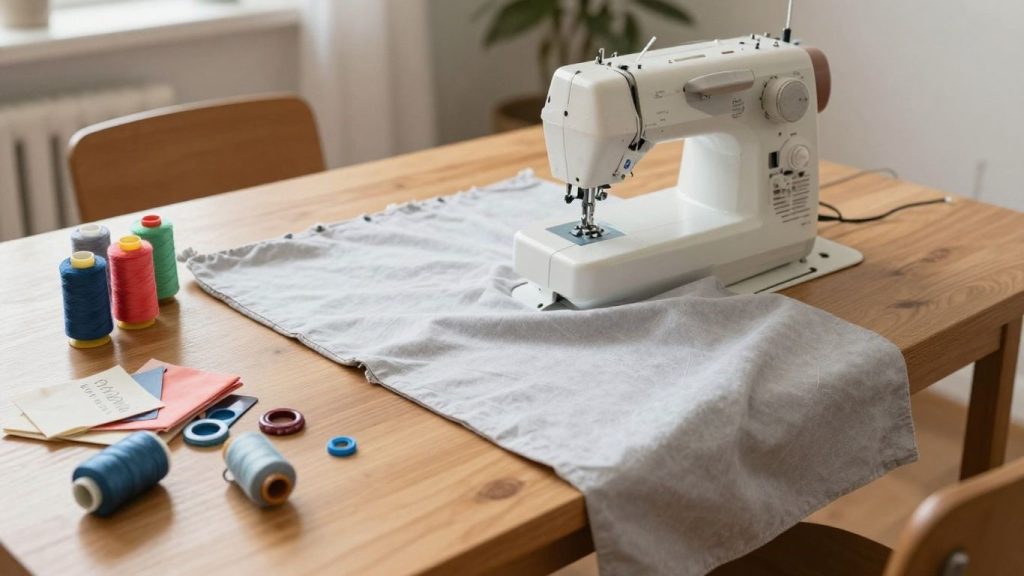
So, you want to buy an extension table for your sewing machine? Good move — particularly if you’ve ever fought your way through a large quilt or yardage of fabric. Selecting the right one is not very hard, but there are a few things that I always keep in mind.
First off, compatibility is key. You need to ensure that the table you are purchasing fits your sewing machine properly. Others are for specific brands, or you could say, specific models, and some are universal. I found that out the hard way when I bought one that appeared to fit, but all the mounting holes were wrong. You should confirm once again with your machine’s make and model as per the product description. Take a few minutes extra here to avoid frustration later!
And then you have the size of your workspaceüber which one needs. Identify what type of projects you do more often. If you’re mainly working with small clothes, a smaller extension should do. Now, if you’re into quilting or crafting large home decor items, then you should opt for a mat that gives as much extra area as possible. For my quilting, it is so important to have at least 15 more inches if working with wider fabric. Width also matters, but not just length!
Place the stability and how it gets fixated. Are its legs robust and fold outwards, or does it snap onto the machine? Legs tend to provide a much sturdier surface, so it may work well with heavier fabrics or when you’re really putting the pedal to the metal. Some are crafted to be the core extension table in craft table settings – engineered, that is, to be as indestructible.
Come to think of it, another important thing is storage and portability. A collapsible table/multipurpose sofa/resting table is a lifesaver if space is limited. It can be folded neatly when not in use. And some have small storage spaces, which makes it easy to keep your modes of ideas or seam rippers close.
Here’s a quick checklist I use:
- Machine Compatibility: Does it fit my specific sewing machine model?
- Workspace Size: Will it give me enough extra room for my typical projects?
- Stability: Does it have a solid base or legs?
- Portability/Storage: Can I easily store it when I’m done?
- Build Quality: Does it feel sturdy and well-made?
Taking these points into consideration will help you find an extension table that makes your sewing life a lot easier. It’s a small investment that can really pay off in terms of comfort and better results. For more on sewing accessories, you might find this guide on air fryers surprisingly helpful for kitchen prep before you get back to your stitches.
Also, if you enjoy organizing your workspace, guides like window treatment ideas and reading nook ideas can inspire a better sewing setup.
Wrapping Up
So after looking at all these lists, I really did find that having a sewing machine extension table makes a difference. Having more space is one reason, but there’s so much more to it. It is about making the whole process of sewing easier.
Having that extra surface area reduces stress and keeps things organized, whether you’re making a large quilt or doing a minor sewing repair. I do know from personal experience that my projects are a lot easier without things being turned sideways in my way and not having enough space. It is an easy thing to add, but it dramatically alters how I approach my sewing.
Frequently Asked Questions
What exactly is a sewing machine extension table?
Think of it as a helpful add-on for your sewing machine. It’s basically a flat surface that attaches to your machine, making the area around the needle much bigger. This gives you more room to handle big fabric projects without them falling off.
Why would I need one of these extension tables?
If I’m working on larger items like quilts or curtains, a standard sewing machine area can feel really cramped. An extension table gives me way more space to lay out my fabric smoothly. It also helps keep the fabric steady, which means my stitches are more accurate and look neater.
Are there different kinds of extension tables out there?
Yes, there are a few main types. Some are made to fit pretty much any sewing machine, kind of like a universal fit. Others are designed specifically for certain brands or even particular models of sewing machines. I’ve also seen some that fold up, which is super handy if I don’t have a lot of space.
How do I pick the best one for my sewing machine?
First, I need to know my sewing machine’s model number to make sure the table will fit. Then, I think about what I usually sew. If I do a lot of big quilting projects, I’ll want a bigger table. If I move around a lot or have limited space, a foldable one might be better. Checking reviews from other sewers is also a good idea.
Will an extension table work with my heavy-duty sewing machine?
Many extension tables are actually made with heavy-duty machines in mind! The ones I’ve looked at often mention compatibility with specific heavy-duty models. They’re usually built to be sturdy enough to handle the extra weight and vibration from those powerful machines.
Is it hard to attach an extension table to my sewing machine?
Generally, no. Most extension tables are designed to be pretty easy to set up. Some just slide into place or use a simple snap-on system. They often have little legs that fold out to support the table, so it’s usually just a matter of attaching it and unfolding the legs.

3 Comments