15 Free Pajama Pants Sewing Patterns for Beginners and Beyond
Free pajama pants patterns are easy to find. Ones with clear sizes, honest instructions and a download that still works are harder. I’m Maria, a mother of three with 12 years of sewing behind me, and I compared 15 free patterns and tutorials for women, men, kids and whole families, from cut-and-fold beginner methods to pocketed pants with a fly.
You will also find a beginner-friendly sewing sequence, waistband and sizing advice, common fit fixes, and practical answers to the questions that slow new sewists down. Start with a stable woven fabric and a pattern that matches your measurements, then choose the extras that make your finished pants comfortable to wear.
15 Free Pajama Pants Patterns Compared
First pair? Start with a green “Beginner” pattern in a stable woven cotton or flannel.
| Pattern | Skill level | Who it fits | Fabric | How it’s free | What it teaches | |
|---|---|---|---|---|---|---|
| Free Pajama Pants for First-Time Sewists | ||||||
1 SewGuide Simple Pajama PantsSewGuide |
Beginner | Adult (drafted to you) | Woven | Free online tutorial | Draft your own pattern from measurements | |
2 SewGuide Pants with Separate WaistbandSewGuide |
Beginner+ | Adult (drafted to you) | Woven | Free online tutorial | Practice an attached waistband | |
3 SewGuide Pajama Pants with PocketsSewGuide |
Beginner+ | Adult (drafted to you) | Woven | Free online tutorial | Add simple side pockets | |
4 Walk the Plank PJ BottomsPatterns for Pirates |
Beginner | Adult unisex | Woven cotton, flannel | Free with signup | No outer side seams; several lengths | |
| Free Adult and Unisex Pajama Pants | ||||||
5 Effie Woven Pajama Pants5 out of 4 Patterns |
Beginner | Adult | Woven cotton, flannel | $0 checkout | Graded adult PDF with instructions | |
6 Haymitch Pajama Pants5 out of 4 Patterns |
Beginner+ | Adult | Soft woven | $0 checkout | Classic loose fit with extra options | |
| Free Kids’ and Family Pajama Patterns | ||||||
7 Kids’ Woven Pajama Pants5 out of 4 Patterns |
Beginner | Kids | Woven | $0 checkout | Matches the adult Effie and Haymitch | |
8 Cuffed Pajama Bottoms & Shorts[Add designer] |
Beginner | Kids | Woven or knit | Free PDF | Cuffs instead of a narrow hem | |
9 Family Pajama PantsLife Sew Savory |
Beginner | Kids to adults | Check pattern | $0 download + tutorial | One style for the whole family | |
| Free Detailed Pajama Pants and Lounge Sets | ||||||
10 Unisex Pajama Bottoms with PocketsSo Sew Easy |
Intermediate | Adult unisex, S–2XL | Check pattern | Pay what you want ($0 option) | Pockets and fly-front detail | |
11 Girl Pajamas PatternCraft Passion |
Beginner+ | Girls | Check pattern | Free drafting reference + tutorial | Pants plus a matching top | |
12 Boy Pajamas PatternCraft Passion |
Beginner+ | Boys | Check pattern | Free drafting reference + tutorial | Pants plus a matching top | |
13 Palermo PajamasMood Sewciety |
Intermediate | Adult | Drapey fabrics | Free PDF | Polished coordinated set | |
14 Lydia Loungewear SetMood Sewciety |
Intermediate | Adult | Brushed knit | Free PDF | Cuffed jogger-style pants | |
15 Linden Sleepwear ShortsMood Sewciety |
Intermediate | Adult | Lightweight fabrics | Free PDF | Flared sleep shorts for warm weather | |
Access terms can change; check each designer’s current size chart, seam allowance and download conditions before cutting. “Check pattern” means the fabric type is set by the designer’s instructions. Children’s sleepwear may need to meet specific flammability or fit rules; a free loose-fit pattern does not guarantee compliance.
For a first pair, a simple elastic-waist woven pattern or SewGuide’s basic drafting tutorial keeps the construction manageable. The no-side-seam Walk the Plank pattern is another beginner-friendly option; the 5 out of 4 Effie and Haymitch patterns offer more defined adult sizing and variations. For children, cuffed bottoms or the free Kids’ Woven Pajama Pants pattern from 5 out of 4 are useful starting points, provided you check applicable sleepwear safety requirements. The best pattern is the one whose body and finished measurements, fabric recommendations, and access method work for your project.
Key Takeaways
I compare pajama patterns by comfort and construction first, because a free PDF is only useful if its measurements and instructions make sense for the person wearing it.
- Choose by hip, waist, rise and finished measurements rather than your usual store-bought size.
- Stable woven cotton or flannel is easier for beginners; knit pants need a stretch-compatible stitch and appropriate needle.
- A free online drafting tutorial, a no-cost shop download, and a PDF sent after signup are different access formats.
- Check seam allowance, printing scale, grainline and whether pockets or elastic are included before cutting.
- For children’s sleepwear, confirm the relevant safety rules and garment requirements instead of assuming any loose cotton pattern is suitable.
A reliable first pair has comfortable sitting ease, an elastic that does not roll, and hems that clear the floor. Extras such as pockets or cuffs can wait for the next version.
Why Make Your Own Pajama Pants?
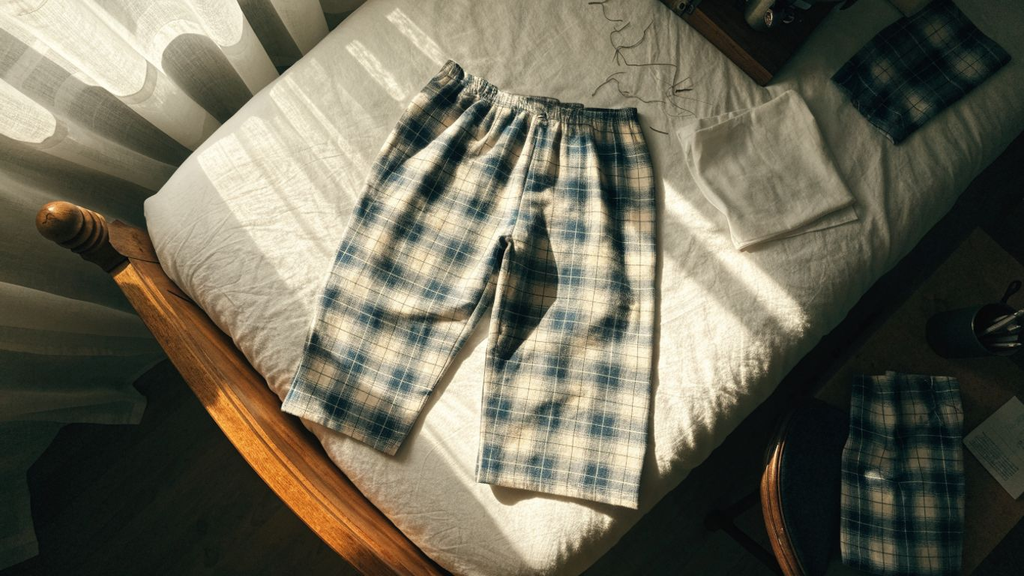
Sewing your own pajamas lets you choose fabric weight, leg shape, pocket placement and waistband comfort instead of accepting a fixed ready-to-wear combination. An elastic-waist design is particularly satisfying for beginners: it introduces the crotch seam, inseam, fabric grain, casings and hems without needing a zipper or tailored waistband.
Making your own pair does not automatically save money once fabric, elastic and time are counted. The lasting benefit is control over fit and repairability. I prefer to treat the first pair as a fit and technique sample, then refine length, rise, elastic tension and fabric choice when making another pair.
How I Choose, Prepare and Sew Pajama Pants at MariaSew
When I plan pajama pants, I start with the wearer and the fabric rather than the pattern cover. I measure the fullest hip, waist and preferred outseam, then read the designer’s body-size and finished-garment charts. I check how the pants will feel when sitting and bending, not only standing. I also confirm whether the proposed fabric is woven or knit because changing the fabric type can change both the fit and the way the seams behave.
Before sewing the final garment, I check the paper pattern scale, study the grainline, press the fabric and sew a sample seam using the same number of layers as the real project. During construction I watch the crotch curve, keep the seam allowance consistent, and try on the pants before fixing the elastic and hems. Those are the checkpoints I use to evaluate a pajama-pants project; I am not claiming to have personally completed every independently published pattern described below.
For the setup and stitch testing behind this routine, see my sewing machine basics guide, then use the same scrap-fabric checks before each new fabric or seam finish.
What Does “Free Pajama Pants Pattern” Mean?
Some of the designs below are complete PDF patterns offered at a $0 checkout. Others are online drafting tutorials that show you how to make your own paper pieces. A few belong to free loungewear sets whose pants or shorts can be sewn separately. Access terms can change, so check the designer’s current instructions; a free pattern does not mean every optional printable, video course or add-on is also free.
Because this article contains only MariaSew internal hyperlinks, the designers are credited by name but their websites are not linked. The descriptions are editorial summaries, not redistributed cutting templates. Use each original pattern maker’s instructions as the source of truth for exact sizes, yardage, seam allowances and assembly steps.
What to Check Before Choosing a Pajama Pants Pattern
A good selection begins with fit, fabric and construction order. The following features make a more meaningful comparison than judging a pattern by an appealing print or a generic “beginner” label.
Body Measurements and Finished Garment Ease
Compare waist and full-hip measurements with the pattern size chart, then look at the garment’s finished circumference. Sleep pants usually need comfortable room through the seat and thigh, but the amount depends on fabric stretch and the intended fit.
Rise, Crotch Shape and Sitting Comfort
Front and back rise are not necessarily identical. If pants pull downward when seated, bunch at the front or feel tight through the seat, review the crotch shape and rise before blaming the waistband alone.
Woven or Knit Fabric Compatibility
Flannel, poplin and many cotton wovens behave differently from jersey and interlock. Use a knit-friendly stitch and needle when stretch must be preserved; a woven pattern should not automatically be cut from stretch fabric without checking the designer’s guidance.
Elastic Waist, Drawstring and Casing Depth
The elastic width and casing allowance must match. If the casing is too narrow, the elastic twists or snags; if the elastic is too tight, the pants are uncomfortable despite generous hip ease.
Leg Shape, Inseam and Hem Allowance
Straight, tapered, cuffed and wide-leg versions change both silhouette and fabric requirements. Check where the finished leg should fall before shortening the paper pieces, and leave sufficient hem allowance.
Pockets, Cuffs and Optional Details
Pockets, cuff bands, trims and faux fly details can make pajamas more useful, but they add seams and possible bulk. I prefer one new technique per project so a beginner can understand what caused any fit or stitching problem.
PDF Format, Print Scale and Included Seam Allowance
Many downloadable patterns offer A4 or US Letter pages; some also offer A0 or projector files. Print any calibration square at actual size and verify whether seam allowance is included before cutting fabric.
Children’s Sleepwear Safety
In the United States, children’s sleepwear can be subject to specific flammability or tight-fitting requirements. A loose-fitting cotton pajama style should never be assumed to comply simply because its pattern is available for free.
Pajama Pattern Features and Specifications: Quick Reference
Before comparing individual designs, I narrow the options using the same checklist: fit first, fabric second, then construction complexity and access format. This prevents choosing a pattern that looks quick online but needs a different fabric, extra size grading or more printing work than expected.
The table is a reference to the types of information you should verify in each designer’s instructions, not an attempt to assign one universal seam allowance or fabric quantity to every pajama pattern. The exact numbers can change with size, leg length and fabric width.
- First check body measurements, finished measurements and the intended amount of ease.
- Then confirm fabric type, pattern format, elastic width and construction options.
- Finally check the actual pattern version and any free-download conditions.
| Feature / Specification | What to Check Before Cutting |
|---|---|
| Sizing and fit | Waist, full hip, finished hip, rise and leg length by size |
| Fabric type | Woven vs knit; weight, recovery and care instructions |
| Waistband | Elastic width, casing depth, optional drawstring or separate band |
| Leg design | Straight, wide, tapered, shorts, capris or cuffs |
| Pattern assembly | PDF paper size, scale square, printing layers and seam allowance |
| Skill level | Pockets, fly, curved seams, cuffs and other construction steps |
| Free access | Open webpage, $0 download, account or email signup |
When two free patterns meet your needs equally well, choose the one with clearer measurements and instructions. That makes the learning experience more predictable than selecting the pattern with the most optional features.
15 Free Pajama Pants Sewing Patterns and Tutorials to Try
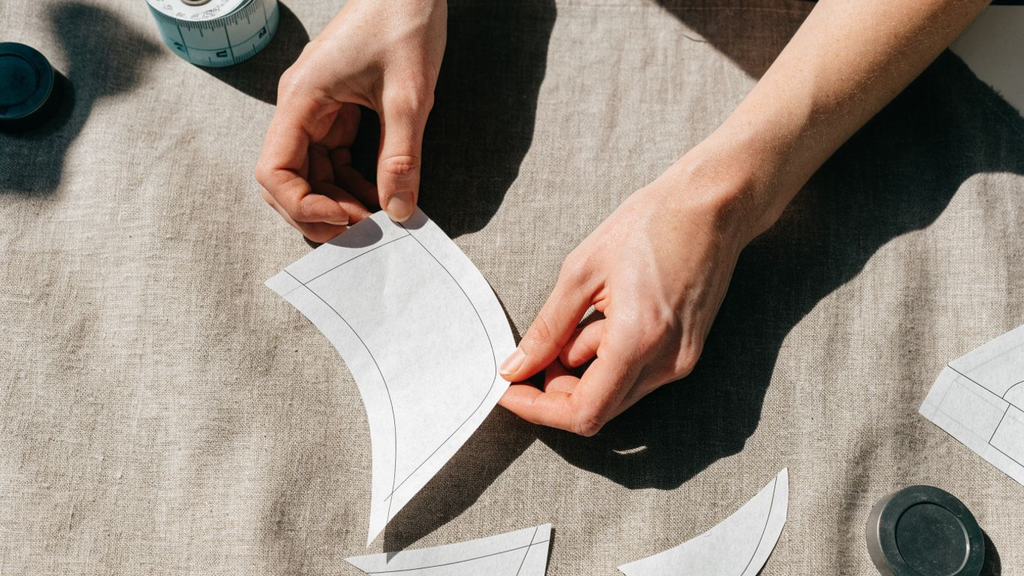
The fifteen choices below include standalone pajama PDFs, free drafting methods and pants or shorts included in free sleepwear and loungewear sets. Each entry identifies the original publisher and explains the distinctive construction benefit, so you can search for the exact resource by its title without adding external hyperlinks to this article.
Free Pajama Pants for First-Time Sewists
1. SewGuide Simple Pajama Pants, Pattern-Free Method
SewGuide’s first pajama-pants method is a practical choice if you want to understand the shape of a pair of loose trousers rather than print many tiled pages. The on-page drafting directions use measurements to establish the leg and crotch outline. I would treat the resulting paper pattern as a first sample and verify the hip room and rise on inexpensive woven fabric before using favorite flannel.
The best part is learning where the seam allowance, hem and waistband depth belong in the cutting plan. Do not borrow measurements from an unrelated pattern or assume the illustrated dimensions fit every body. A simple elastic casing keeps this entry approachable, while a careful sit-and-bend fit check makes it more useful than judging the pants on a hanger.
2. SewGuide Pajama Pants With a Separate Waistband
A separately attached waistband is a useful step up after a basic fold-over casing. SewGuide includes this as a distinct construction method, allowing you to work with a band that can be shaped or adjusted apart from the leg pieces. I like the technique for practice because the waistband can be checked before it is stitched to the main body.
Measure the seam line of the pants and the waistband carefully so the pieces join without unwanted stretching or puckering. Depending on fabric and elastic, the band may need interfacing or a particular attachment sequence; follow the published method rather than assuming every separate waistband uses the same allowance. It is a technique-focused free tutorial, not a standalone graded PDF.
3. SewGuide Pajama Pants With Pockets
SewGuide’s pocket variation teaches an everyday useful feature without turning loose sleep pants into a tailored trouser project. Pockets make sense for lounging, especially when you want somewhere to keep tissues or a phone, but they must be positioned so the opening stays accessible after the waistband is folded or attached.
I would mark the pocket position on both legs while the fabric is still flat, match the four pocket pieces carefully, and press each seam before joining the side edges. Keep pocket bags light so they do not pull down the fabric. This is a free variation of a drafted pajama style; use the tutorial’s specific pocket and cutting instructions.
4. Walk the Plank PJ Bottoms by Patterns for Pirates
Walk the Plank is a strong beginner option because its simplified design avoids ordinary outer side seams. The publisher offers adult unisex sizing with several inseam and length options, which is useful for families who want a similar look without trying to invent the fit from scratch. It is designed around woven fabrics such as cotton and flannel.
The absence of a side seam changes the cutting layout, so be sure the fabric width and grainline suit the selected size. I would compare the available rise options and finished measurements before choosing a size, then practice the crotch seam and elastic casing on scrap fabric. This is a free pattern with signup-based access rather than an unrestricted instant download.
Free Adult and Unisex Pajama Pants
5. Effie Woven Pajama Pants by 5 out of 4 Patterns
Effie is a named, no-cost woven pajama pants pattern in the 5 out of 4 free pattern collection. It is useful when you want a graded adult pattern and instructions instead of drafting the whole leg shape yourself. I would choose it for cotton or flannel projects where the fabric does not need a stretch-dependent fit.
The store offers Effie as a $0 product, which may involve an account or checkout even though no pattern price is charged. Before cutting, compare the publisher’s size chart and pattern version with your measurements, then check the waistband construction, seam allowance and printing format. A free price does not automatically make the pattern an easy fit for every body.
6. Haymitch Pajama Pants by 5 out of 4 Patterns
Haymitch is another free 5 out of 4 design, intended for comfortable, loose pajama bottoms with more options than the plainest beginner pattern. It is a good choice for someone who wants a traditional sleep-pants silhouette and may prefer additional details such as pockets or a fly-related option where the selected instructions provide them.
I would keep the first version simple and check the rise, outseam and finished hip measurements carefully, since unisex or relaxed patterns still vary between wearers. Use a soft woven fabric and plan the length before cutting a directional plaid. The retailer lists Haymitch at $0; confirm any account or checkout steps at the time you obtain it.
Free Kids’ and Family Pajama Patterns
7. Kids’ Woven Pajama Pants by 5 out of 4 Patterns
This free children’s pattern appears alongside the adult Effie and Haymitch files in the same designer’s collection, making it useful for coordinating family projects. It offers a clearer starting point than shrinking an adult template by eye, because children’s body proportions and waistband placement cannot be assumed from adult pants.
Check the child’s actual hip and leg measurements instead of relying only on an age label. More importantly, do not equate a loose woven pants pattern with compliance as regulated children’s sleepwear. For actual bedtime use, confirm the relevant fabric, fit and flammability requirements; otherwise treat the design as a sewing study or casual pants where appropriate.
8. Free Cuffed Pajama Bottoms and Shorts
It offers a free children’s PDF with a cuffed bottom and shorts option. The cuff finish can spare a beginner from handling a narrow conventional hem, while giving the leg a clear finished edge. The designer provides child sizing and guidance for adjusting length, rather than expecting one inseam to suit every child.
I would make the cuffs from fabric appropriate to the selected version and test whether the leg opening is comfortable without becoming restrictive. The designer discusses using both woven and knit fabrics, but the construction and stretch requirements still need checking. As with every children’s pajama pattern, the sewing directions alone do not establish sleepwear safety compliance.
9. Family Pajama Pants by Life Sew Savory
Life Sew Savory’s free family pajama pattern covers children through adults, offering a consistent style for coordinating sets. It is particularly useful if you want to make several pairs in different prints while keeping the basic assembly familiar. The publisher provides a $0 downloadable pattern and a separate sewing tutorial.
I would measure each person independently and avoid copying elastic lengths from one pair to the next. For group sewing, label each cut piece and keep fronts, backs and size-specific markings together. The family concept is attractive, but verify the fit and applicable children’s sleepwear requirements for every intended wearer rather than assuming one safety or sizing rule covers all.
Free Detailed Pajama Pants and Lounge Sets
10. So Sew Easy Unisex Pajama Bottoms With Pockets
So Sew Easy publishes a free unisex pajama-bottom PDF with pockets, a fly-front detail and an elastic-waist approach. Compared with basic pull-on pants, this is a more involved project that teaches pocket bags and extra front construction. The publisher offers sizes S to 2XL and includes finished-measurement information to guide fitting.
I would not begin this design with expensive silk or unfamiliar slippery cloth. Make a fabric sample, confirm printing at actual size, and follow the designer’s stated 5/8-inch seam allowance instead of substituting a generic number. The pattern is available through a pay-what-you-want option including $0, so its access method differs from a simple web-only tutorial.
11. Girl Pajamas Pattern by Craft Passion
Craft Passion’s girls’ pajama project includes pants as part of a coordinated set, along with a downloadable drafting reference and instructional walkthrough. It can be useful for learning how a children’s pants pattern is constructed and for practicing fabric layout and waistband details on a small garment.
I would compare the published measurements with the specific child rather than relying on the age range. The project may also involve sewing the matching top, which is separate from the pants and increases the overall workload. Treat its supplied dimensions as pattern-specific, and review the relevant sleepwear safety rules before choosing fabric for actual nighttime use.
12. Boy Pajamas Pattern by Craft Passion
The related Craft Passion boys’ pajama pattern offers another child-size reference and explains differences in details from the girls’ version. It is helpful for learning that pocket shape, hems and optional fly treatments are construction choices, not fixed requirements for every wearer. The pants can be studied separately from the matching top.
I would pay close attention to the pattern’s instructions and to any steps it refers back to in the companion tutorial. Keep the front and back pieces correctly identified before cutting, and verify the chosen size on the child’s actual measurements. Free access and a child-size label are not substitutes for confirming garment safety and comfortable fit.
13. Palermo Pajamas by Mood Sewciety
Mood’s Palermo Pajamas pattern is a coordinated sleepwear set, with pants that can serve as a more polished project once basic seams feel comfortable. The collection includes styling details beyond ordinary pull-on bottoms, so it can be a suitable next step when you want to practice working from a complete graded pattern and instructions.
Because Palermo is a set, do not assume the fabric quantity for the entire outfit equals the amount required for the pants alone. Read the cutting layout and the appropriate view, and check the fabric’s drape against the design. The published pattern is free, with access and download instructions given by Mood, but the article does not reproduce or redistribute its files.
14. Lydia Loungewear Set by Mood Sewciety
Lydia includes relaxed jogger-style pants alongside a top and is worth considering when you prefer cuffs and a softer loungewear feel rather than a straight woven pajama leg. The designer describes the set in a brushed knit and provides illustrated instructions for the pant seams, elastic waist and leg finishes.
I would test the chosen fabric’s recovery and run a sample seam before cutting a full pair. Although some roomy designs can accommodate more than one fabric category, that does not mean every substitute will drape or wear the same way. This is a free loungewear-set pattern, not a stand-alone woven pajama PDF; account for the difference when deciding what to sew.
15. Linden Sleepwear Shorts by Mood Sewciety
The Linden Sleepwear Set includes flared sleep shorts as well as a camisole, making the bottoms a useful warm-weather alternative to full-length pajama pants. It is best viewed as a sleep-shorts project rather than described misleadingly as a trousers pattern. The designer’s free PDF includes a short elastic-waist construction and finer fabric suggestions.
I would choose it after practicing straight-seam pajama bottoms, because lightweight fabric and the specified finishing can be less forgiving. Check the original cutting layout, the stated seam allowance and the PDF access instructions before starting. Its shorts-only focus expands the range of this collection while keeping the category honest: fifteen free pajama-bottom and lounge options, not fifteen identical long-pants PDFs.
What Fabric Is Best for Pajama Pants?
Fabric changes the feel and fit as much as the pattern does. I match the cloth to the designer’s intended construction, then check care instructions before cutting. A beginner should also consider how the fabric behaves at the machine, not just how soft it feels in the store.
Cotton Poplin and Stable Wovens
Poplin and other smooth woven cottons press cleanly, making them reliable for learning grainline, casings and hems. Check the fabric weight: very crisp material can feel less soft for sleepwear than a lighter, washed cotton.
Cotton Flannel
Flannel is popular for cozy pajamas and is easier to handle than many silky fabrics. Prewash as recommended, check shrinkage and keep directional prints or nap consistent across both legs.
Jersey and Interlock Knit
Knit fabric adds stretch and softness, but its seams and hem need enough give to remain comfortable. Choose a knit-compatible pattern when possible and test a suitable stretch or narrow zigzag stitch before assembly.
Linen, Rayon and Silky Fabrics
Lightweight linen can feel airy, while rayon or silky cloth may have attractive drape but need more careful cutting. Avoid changing a stable-woven beginner pattern to a slippery fabric without a sample and a clear plan for seam finishing.
If you are switching to knit fabric, my step-by-step stretch-fabric guide covers needle, stitch, feeding and hemming choices that matter for comfortable lounge pants.
How to Sew Pajama Pants: My Step-by-Step Beginner Workflow
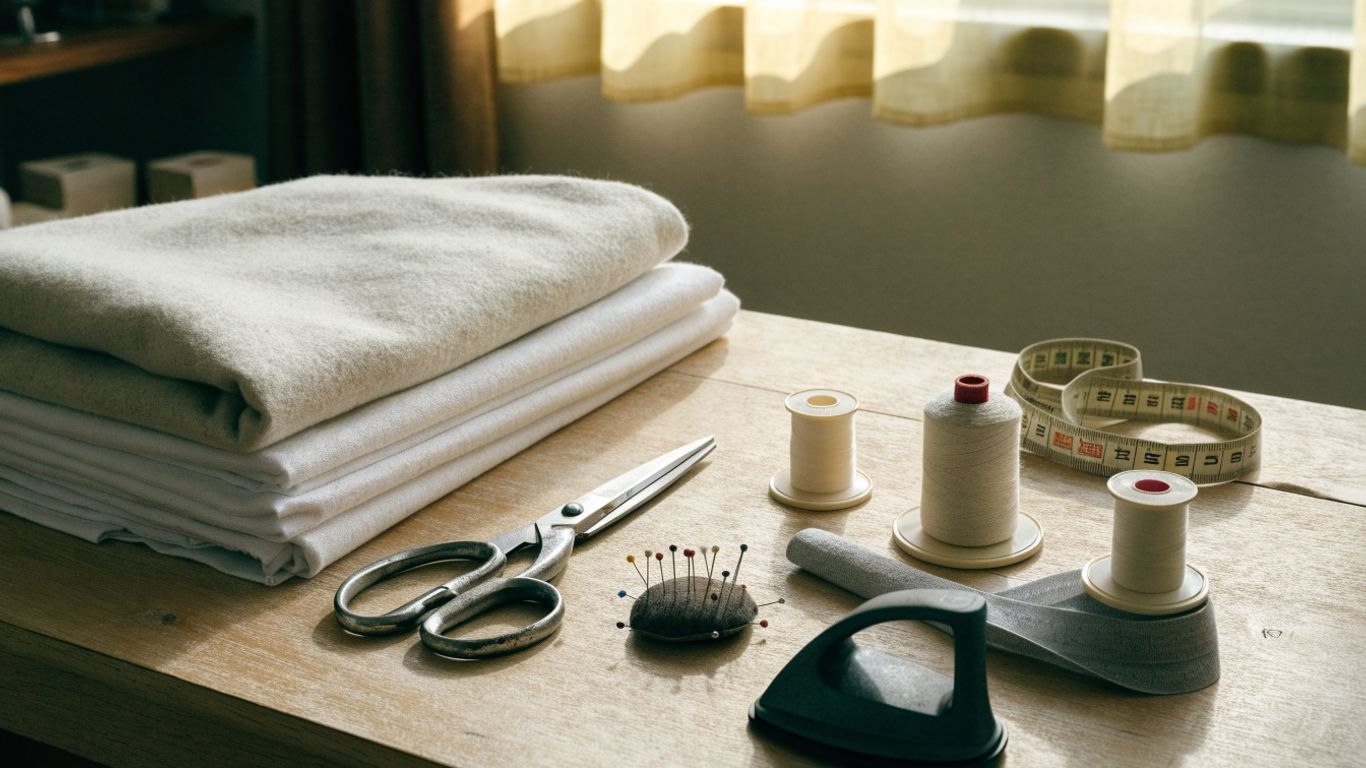
Each designer may assemble the pants in a different order, especially if there are pockets, a fly or separate waistband. The sequence below describes a common, plain elastic-waist pull-on style. Follow the original pattern’s notches, allowances and instructions wherever they differ.
- Measure and choose a size. Compare full hip, waist, rise and finished measurements; decide on intended leg length before cutting.
- Prepare and print. Prewash fabric if appropriate, press, print at 100% scale where using a PDF and confirm the test square and seam allowance.
- Cut and label pieces. Align grainlines, cut mirrored fronts and backs correctly, and transfer notches and waistband or pocket marks.
- Make a stitch sample. Use matching fabric layers to check the needle, stitch length, thread tension and whether the seam needs to stretch.
- Construct the legs in the pattern’s order. Sew the specified inseams, side seams where present and rise seams without stretching the crotch curve; finish raw edges as required.
- Add the waist finish. Press and sew the casing or attached waistband, leave the required opening, thread elastic and secure it after a comfortable try-on.
- Check fit and finish hems. Sit, move and bend to test crotch and seat ease; confirm both legs match, finish hems, press and trim threads.
If pockets, cuffs or a functioning fly are part of the selected design, add them in the original pattern’s construction sequence rather than trying to retrofit them after every seam is finished. For a broader skills refresher, see my introductory sewing techniques guide.
I use the same fundamental checks in my 15 sewing techniques for beginners: a consistent seam allowance, correct stitch formation, pressing after key seams and an intentional final fit check.
How to Choose Pajama Pants Size and Adjust the Fit
Pants sizing is about body shape and intended ease, not a single number. Hip circumference is often an important starting point for pull-on pants, but waistband comfort, rise, seat shape and leg length can still need attention. Read both the body-size chart and the garment-finished-measurements chart when the designer supplies them.
If the Waist Feels Too Tight
Measure the elastic against the wearer before joining the ends. If the casing is comfortable but the pants still pinch at the waist, adjust the elastic length or size as directed; do not remove necessary hip and seat ease to solve a waistband issue.
If the Pants Pull Across the Seat
Look for diagonal drag lines, a strained crotch seam or too little hip room while sitting. Compare the rise and finished hip with the intended body, then make a test pair or targeted adjustment rather than simply adding width at the waistband.
If the Legs Are Too Long or Short
Use the pattern’s designated lengthen/shorten lines where available. A hem-only change can alter a tapered silhouette or cuff position, so check the intended leg shape and finished inseam before cutting.
If Knit Seams Wave or Pop
Check whether the seam was stretched under the presser foot, whether a suitable needle was used and whether the stitch has enough give. Test small changes on scrap instead of repeatedly unpicking the finished garment.
If fit is new to you, start with easy sewing projects for beginners to build confidence with measuring, cutting, elastic casings and hems before attempting a more detailed pajama set.
Common Pajama Pants Sewing Mistakes to Avoid
The most frustrating problems usually start before the machine reaches the final hem. I use a short checkpoint list to identify preventable mistakes while the fabric is still easy to correct.
- Choosing by store size alone. Compare the designer’s body measurements and finished hip or waist dimensions.
- Printing a PDF with “fit to page.” Use actual size and check the calibration square.
- Ignoring the included seam allowance. A wrong allowance changes fit and can make front and back pieces fail to match.
- Cutting directional flannel or stripes without checking grainline, nap and print alignment.
- Pulling knit fabric through the machine. This can stretch the seam and make hems wave.
- Trapping twisted elastic inside the casing. Test its movement before permanently closing the opening.
- Hemming before trying the pants on with the intended footwear or standing posture.
- Assuming a child’s loose sleepwear pattern automatically meets safety requirements. Check the applicable rules for actual bedtime garments.
I correct one cause at a time, beginning with paper fit, cutting and threading before changing tension or the pattern shape. Accurate cutting and a deliberate try-on save far more effort than trying to hide a poor fit with a deeper hem.
Care, Durability and Reusing the Pattern
Follow the actual fabric and thread care instructions after sewing. Secure elastic ends, finish seam edges according to fabric type and avoid overheating delicate synthetic fibers when pressing. I wash a first pair as recommended before making multiples, because laundering can reveal shrinkage, twisted elastic or seam puckering that was not visible during the first fitting.
Keep a short note with the pattern that records the size used, alterations, fabric width, elastic length and finished inseam. That turns a free pattern into a repeatable project without assuming the same measurements will suit every wearer or every fabric. Avoid reproducing or distributing another designer’s PDF: retain their attribution and follow the original usage conditions.
Final Verdict: Which Pajama Pants Pattern Should You Make First?
For the simplest first pair, start with a plain elastic-waist woven pattern or a clear online drafting tutorial. For graded adult PDF options, Effie, Haymitch and Walk the Plank are useful comparisons; for family matching, consider Life Sew Savory’s pattern. When you are comfortable with the basics, move to the pocketed So Sew Easy pants or a full Mood loungewear set. Shorts and more detailed options belong in this guide because they teach related sleepwear construction, not because they are identical long-pants patterns.
Check the original pattern’s access terms and size chart, test a seam in your fabric, and fit the pants before hemming.
Frequently Asked Questions
What is the easiest free pajama pants pattern for a beginner?
A simple woven elastic-waist tutorial is usually the most manageable. Choose one with clear measurements, few pieces and a basic waistband before progressing to pockets, separate waistbands or fly details.
Are the fifteen patterns all free PDFs?
No. This roundup intentionally includes free PDF downloads, $0 checkout patterns and free drafting tutorials, plus shorts or trousers from free sets. A web tutorial is not necessarily a downloadable file.
How much fabric do I need for adult pajama pants?
That depends on the size, fabric width, leg length, pattern layout and whether the cloth is directional. Use the individual designer’s yardage chart and add only the extra amount it recommends for shrinkage or pattern matching.
Can I make pajama pants without a sewing machine?
Yes, but long seams take more time by hand. Use secure stitches suited to the fabric and reinforce high-stress points. A sewing machine makes construction quicker and more consistent for most beginners.
How do I choose the right pajama pants size?
Measure the waist and fullest hip, consult the designer’s size chart and check the finished measurements where provided. Allow for the intended sleepwear ease and a comfortable seated fit.
Can I sew woven pajama pants from jersey?
Not without checking the pattern and fit. A woven pattern may be adapted in some cases, but the amount of stretch and recovery can change the way the garment fits and hangs.
What elastic is best for pajama pants?
Use the elastic width and type specified by the pattern, with a casing large enough for it to move without twisting. Test comfort on the wearer before permanently securing the elastic ends.
Do pajama pants need pockets?
No. Pockets are useful for lounging but add bulk and more sewing steps. A plain pair is often the best first project; add pockets once basic seams and fit feel predictable.
How do I shorten pajama pants without ruining the shape?
Use lengthen/shorten lines on the pattern when available and check where the leg tapers or a cuff sits. If the leg is straight, a measured hem alteration may be enough.
What if my crotch seam feels tight when I sit?
Recheck the rise, seat ease and crotch curve as well as the chosen size. A waistband adjustment alone will not fix insufficient room through the seat and crotch.
Is flannel better than cotton poplin?
Neither is universally better. Flannel is often warmer and softer, while poplin may feel lighter and easier to press. Check both comfort and the pattern’s fabric guidance.
Are children’s handmade cotton pajamas automatically safe for sleep?
No. Children’s sleepwear can be subject to specific flammability and fit rules. In the US, requirements differ for qualifying tight-fitting sleepwear and other children’s sleepwear. Seek appropriate guidance before using a homemade design as nighttime sleepwear.
Can I sell pajama pants made from a free pattern?
It depends on the original designer’s license and any applicable safety or labeling laws. Free access to the pattern does not automatically grant unrestricted commercial rights.
What is the best project after basic pajama pants?
Try an elastic-waist pair with pockets, a knit lounge design or a coordinated set. My apron pattern roundup is another way to practice cutting, hems and structured construction without demanding tailored fitting.
For more beginner-friendly projects that build the same measuring and finishing skills, explore my free apron sewing pattern roundup and step-by-step sewing lessons.