Best Cordless Electric Scissors in 2026: Top 5 Tested Picks
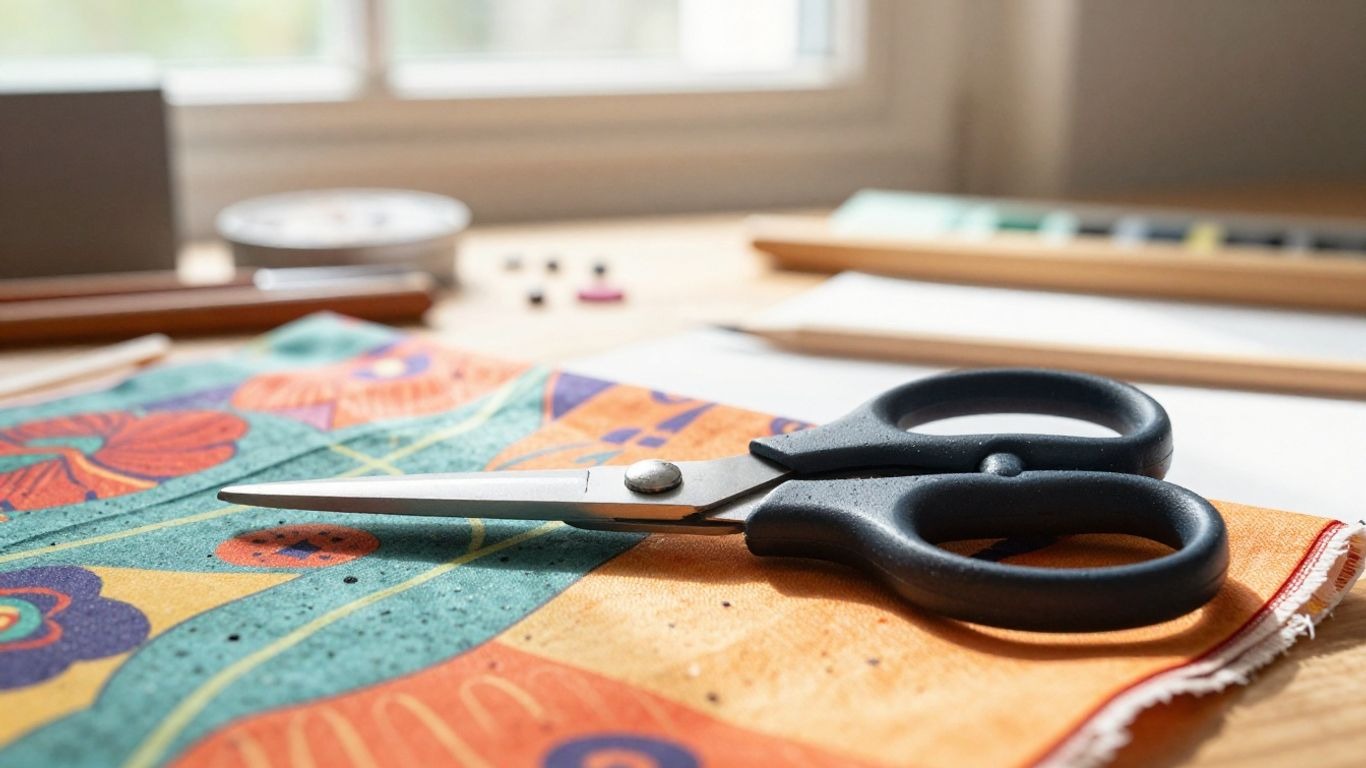
The best cordless electric scissors can make cutting fabric, cardboard, leather, carpet, and craft materials faster, cleaner, and easier on your hands. Instead of forcing manual scissors through thick layers, these rechargeable cutters use a small powered blade system to reduce wrist fatigue and improve consistency.
For crafters, quilters, small-business shippers, DIY users, and home organizers, the right electric cutter can turn repetitive trimming into a smoother, safer workflow. This 2026 guide explains what to look for, compares the top models, and breaks down each pick with practical pros, cons, and final verdicts so you can choose the right tool for your projects.
Key Takeaways
- Cordless electric scissors are best for repetitive cutting tasks where comfort, speed, and consistent motion matter more than ultra-fine hand control.
- Most compact 4V models are designed for soft or semi-rigid materials such as cardboard, fabric, felt, plastic packaging, thin carpet, and light leather within the listed thickness limit.
- Battery runtime, charge style, blade replacement options, grip comfort, and safety-lock design are more important than color or accessory count.
- A powered cutter should not be treated as a metal-cutting tool unless the manufacturer specifically lists that material; using it on the wrong surface can damage the blade and motor.
- The best choice depends on your main task: cardboard breakdown, sewing and quilting, general craft work, light upholstery, or mixed household use.
Quick Answer: Are Cordless Electric Scissors Worth It?
Cordless electric scissors are a good investment if you cut boxes, fabric panels, carpet scraps, leather strips, craft foam, plastic packaging, and several project pieces frequently. They are particularly beneficial for individuals who find manual scissors to be tiring to use due to repetitive squeezing. The motorized blade motion is not meant to take the place of careful guiding, but rather to lessen the physical effort required to move the blade through thicker materials.
Not the most effective tool for every job! Fine lace, very delicate silk, sharp inside corners, metal, heavy wire, and hard plastic may still need special shears, snips, or a manual cutting tool. However, for most home or craft applications, a rechargeable cutter can be a sensible upgrade when paired with the appropriate material thickness and a flat cutting surface.
Why Switch to Cordless Electric Scissors?
When cutting through long lines, heavy packaging, or multiple craft pieces, a power-assisted cutting tool can make all the difference. The motor maintains constant pressure on the blade, and you need only focus on steering, not squeezing. This can help to ease the strain on your sewing preparation, scrapbooking, shipping work, organizing your closet, and household DIY projects. Pairing these cutters with the right sewing kits for beginners can make crafting projects even more efficient.
The greatest advantage is not only speed but consistency. A quality cordless cutter will help to keep the cutting path smooth in cardboard, felt, light carpet, vinyl-like materials, and multiple layers of stable fabric. Slowly navigating around curves and holding slippery materials is still necessary, but repetitive cutting is easier to predict with the tool than with just hand strength. If you’re preparing fabric for sewing projects, understanding sewing machine parts can also help you achieve cleaner assembly after cutting.
Key Features to Look for in the Best Cordless Electric Scissors
The right electric scissors should match your material, hand size, charging routine, and safety expectations. A powerful model with a poor grip may be tiring, while a lightweight model with limited cutting depth may not handle the work you actually need. Before choosing, compare the practical features below instead of relying only on product photos.
Battery Life and Charging Setup
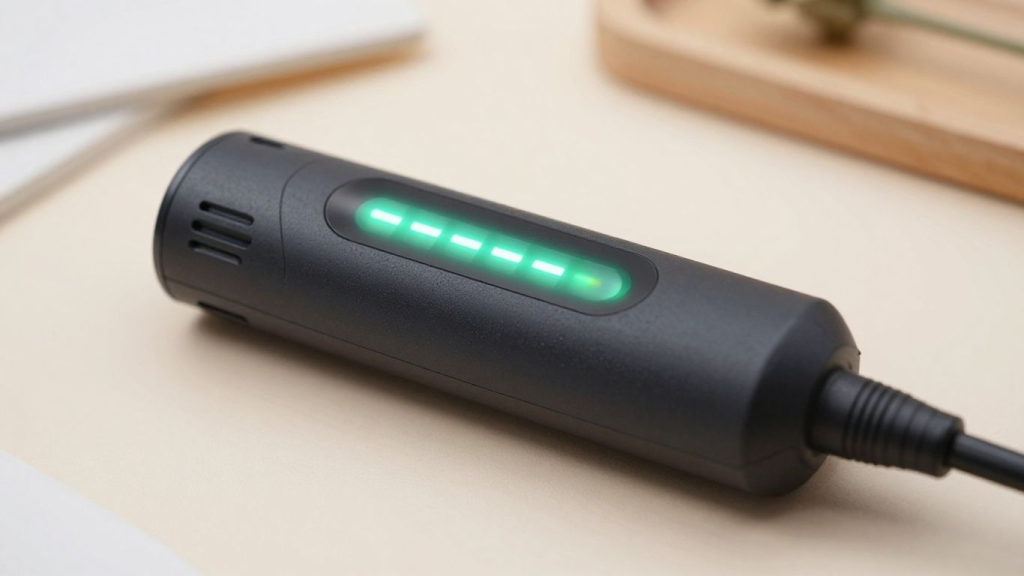
Battery performance depends on more than the charging port. USB-C can be convenient, but runtime is mainly shaped by battery capacity, motor draw, blade resistance, and how thick your material is. If you cut boxes or upholstery-style materials in batches, look for a model with a clear battery indicator and a realistic runtime window.
| Feature | What It Means for Buyers |
|---|---|
| Charging style | USB or USB-C charging is convenient for home, craft rooms, and mobile workstations. |
| Runtime | Short sessions may need 20-30 minutes; large projects benefit from longer runtime or fast charging. |
| Battery indicator | LED lights or digital displays help prevent power surprises mid-cut. |
| Pass-through use | Do not assume the tool can be used while charging unless the manual says so. |
This table is a planning guide and not a universal specification chart. The performance of the battery and charging will depend on the model, the bundle, the charger, and the thickness of the material being wrapped, so a tool that works well on wrapping paper will not last as long when used to cut carpet or thick corrugated cardboard.
Ideally, this tool should be charged completely prior to a major job and should not be pushed at a speed that exceeds the speed of the blade. When the cutter slows down, has ragged edges, or is warm, stop and see if the blade is dull, if the material is too thick, or if the battery is low.
Blade Material, Cutting Capacity, and Replacement Blades
Blade material is dependent on the model. Some cutters specify stainless steel blades; others specify SK5, titanium-coated, or high-carbon style cutting parts. The most critical is whether the blade is appropriate for your primary material and if replacement blades are readily available.
The capacity reduction should be considered as a genuine reduction. Most compact electric scissors are made for about 1/4″ thick soft or flexible material, but thick materials may feel tougher on the motor than the measurement indicates. Test on scrap material before cutting out an important garment panel, leather piece, or carpet strip. For fabric projects, it’s also worth knowing how to sew a hem before making final cuts.
Safety Lock, Blade Guard, and Grip Comfort
These tools are powered by moving blades, so safety features are important. A dual-action trigger, lock-off button, blade guard, and controlled start prevent accidental activation when storing, moving, or picking up the tool from a workbench. These features are particularly crucial in households with children or communal craft rooms.
Comfort of grip is also crucial. If the tool is too large or heavy, it can offset the ergonomic advantage, particularly for those with wrist sensitivity. Find a handle that allows your wrist to remain neutral, has a good reach for the trigger, and lets you direct the cutter without gripping too tightly.
Top 5 Cordless Electric Scissors Compared
The table below summarizes the five models mentioned in the original draft and reorganizes them by best use case. This quick comparison helps readers identify the right starting point before reviewing each product in detail.
| Model | Best For | Standout Features | Common Materials |
|---|---|---|---|
| Fanttik C8 Nano EasySwap | Best Premium Compact Pick | LED display, quick blade change, multiple speeds, Type-C charging | Cardboard, leather, carpet, packaging, crafts |
| ZEITE 4V Cordless Electric Scissors | Best Simple Starter Kit | 4V motor, storage box, USB charging, listed 1/4-inch cardboard capacity | Cardboard, thin carpet, plastic, light leather |
| 4V Cordless Electric Box Cutter with 2 Rotary Blades | Best Budget All-Around Option | Two blades, safety lock, LED light, rechargeable setup | Shipping boxes, crafts, fabric, plastic packaging |
| Pink Power Cordless Electric Scissors | Best for Fabric and Crafting | Soft-grip handle, compact body, rechargeable lithium-ion battery | Sewing, quilting, scrapbooking, cardboard, leather |
| SHALL 4V Cordless Electric Scissors | Best Lightweight Safety-Focused Pick | Safety lock, LED light, replacement blade, 4V battery system | Fabric, leather, carpet, cardboard, plastic |
There is no one cordless cutter that fits all users. Torque, blade durability, and battery life are more important for a person who primarily uses the machine to break delivery boxes, and smooth steering, fabric control, and clean edges are more important to a sewing user. That’s why the detailed reviews below emphasize use case instead of just features.
Availability, accessories, colors, and exact specifications may differ from seller to seller and bundle to bundle. Check the most recent product page or with the seller for the contents of the package, replacement blade compatibility, warranty, and material thickness supported on the current product page.
Our Top Picks for the Best Cordless Electric Scissors in 2026
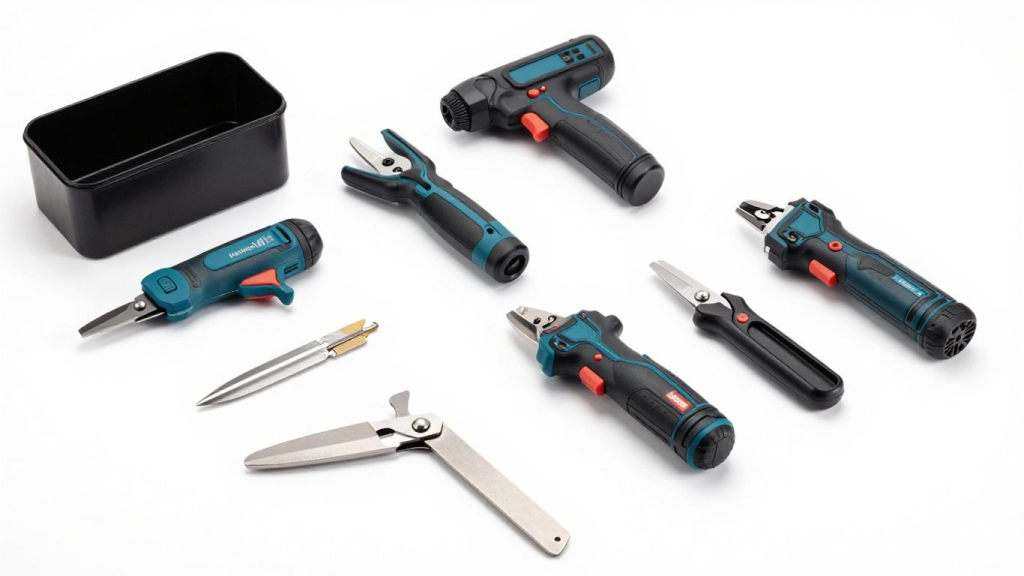
The following reviews expand the five models from the draft into clearer buyer-focused sections. Each product includes two optimized paragraphs, five pros, three cons, and a short final verdict so the reader can compare the options quickly without losing important details.
1. Fanttik C8 Nano EasySwap Electric Scissors
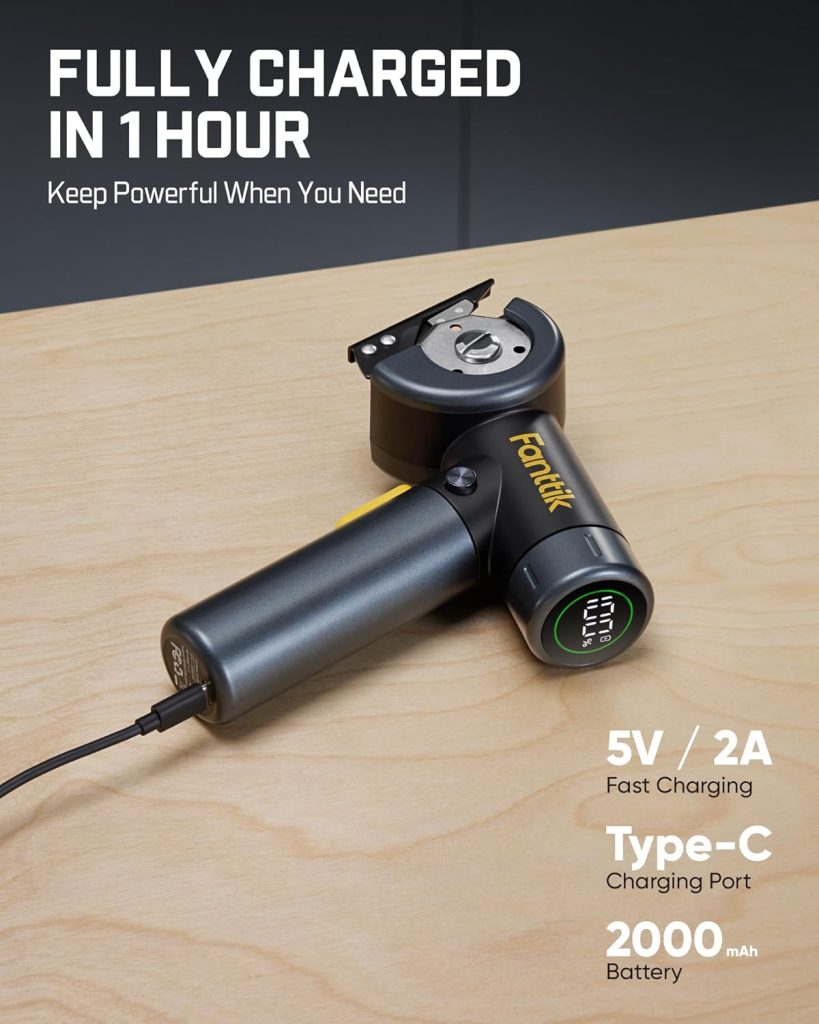
For those who wish to enjoy a more refined cordless cutting experience, the Fanttik C8 Nano EasySwap is one of the best options. It has an LED display, an EasySwap blade system, and a compact design, which makes it more advanced than many simple electric scissors. It provides a more streamlined process for cardboard, packaging, craft paper, carpet, and light leather, as you can keep an eye on power and swap blades without slowing down the project.
This is particularly helpful for those who cut a variety of materials and need more control than a single-speed budget cutter offers. The multi-speed feature links the blade movement to the material, helping to match the blade to the material when transitioning from thin packaging to denser craft pieces. It’s not a substitute for industrial shears, but one of the most versatile compact solutions for daily do-it-yourself, shipping, and craft room needs.
Pros
- LED display makes battery and speed status easier to monitor.
- EasySwap blade design reduces downtime when changing cutting attachments.
- Multiple speed settings provide better control across different materials.
- A compact cordless body is easier to store than full-size power shears.
- Good match for mixed household projects such as boxes, craft sheets, carpet pieces, and light leather.
Cons
- Premium features may cost more than basic 4V cutters.
- Still limited by compact-tool cutting depth, and should not be forced through dense materials.
- Replacement blade availability should be checked before purchase.
Final Verdict:
Choose the Fanttik C8 Nano if you want a feature-rich cordless cutter with better control and a more modern interface. It is the strongest overall pick for mixed materials and frequent home use.
2. ZEITE 4V Cordless Electric Scissors
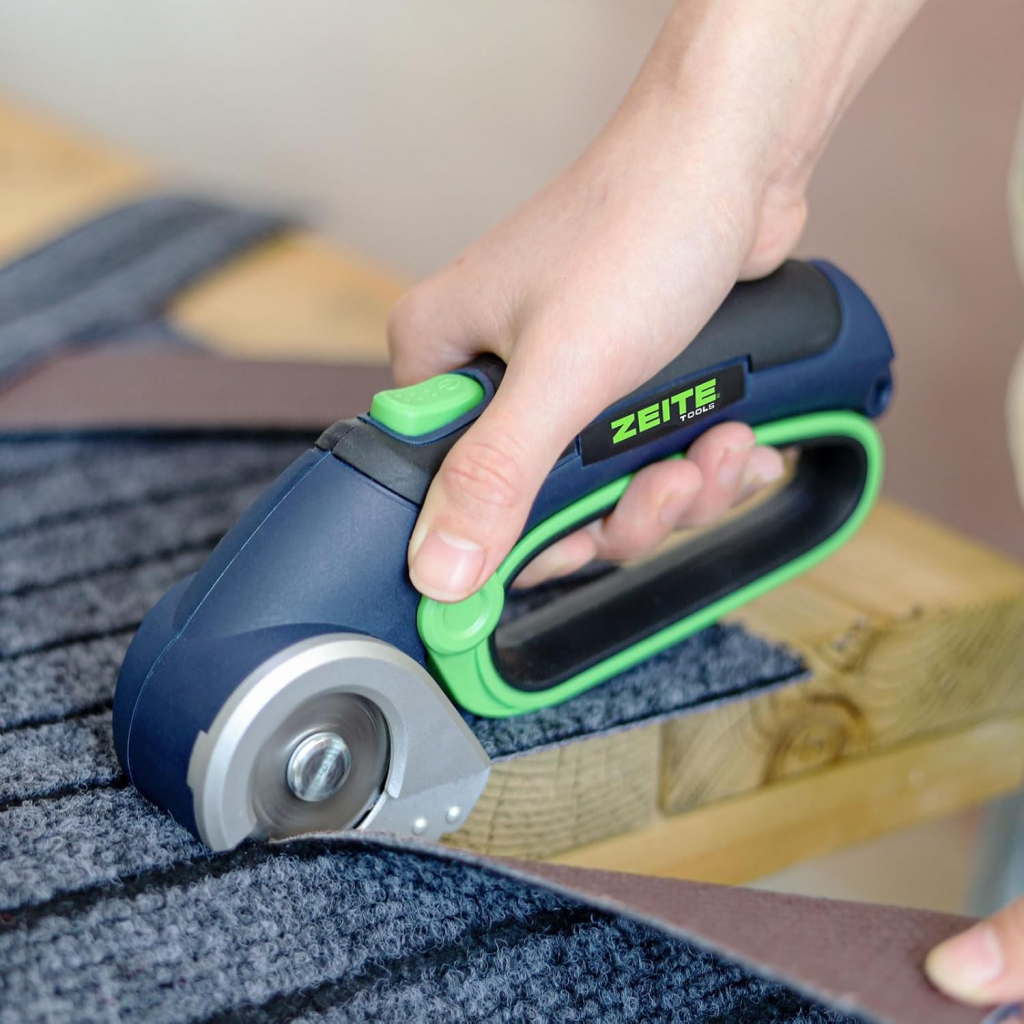
For those new to scissors and looking for a simple, easy-to-use, and rechargeable electric pair of scissors, the ZEITE 4V Cordless Electric Scissors are a great option. The listed 4V system, storage box, USB charging cable, and two-blade package keep the tool organized between projects. It’s best for cardboard boxes, thin carpet, flexible plastic, light leather, and general craft materials in the recommended capacity.
It’s a good choice for those who need a budget-friendly utility knife for home projects but don’t need a high-end craft-room centerpiece. The primary benefit is convenience: charge it, store the spare blade safely, and use it for repetitive cutting tasks that would otherwise fatigue your hand. It may lack some of the display and quick-change options of more expensive models, but it’s an easy way to get into battery-powered cutting.
Pros
- The simple 4V design is beginner-friendly and easy to understand.
- A storage box helps keep blades and accessories organized.
- The listed cutting capacity is suitable for many light household materials.
- USB charging is convenient for craft rooms and home workbenches.
- Good starter option for users moving from manual scissors to powered cutting.
Cons
- Less feature-rich than premium models with digital displays or speed modes.
- May struggle if pushed through dense or oversized materials.
- Best for occasional or moderate use rather than heavy daily cutting.
Final Verdict:
Pick the ZEITE 4V if you want a simple, organized, entry-level cordless electric scissors kit. It is a good value-focused option for cardboard, light carpet, plastic, and small DIY projects.
3. 4V Cordless Electric Box Cutter with 2 Rotary Blades
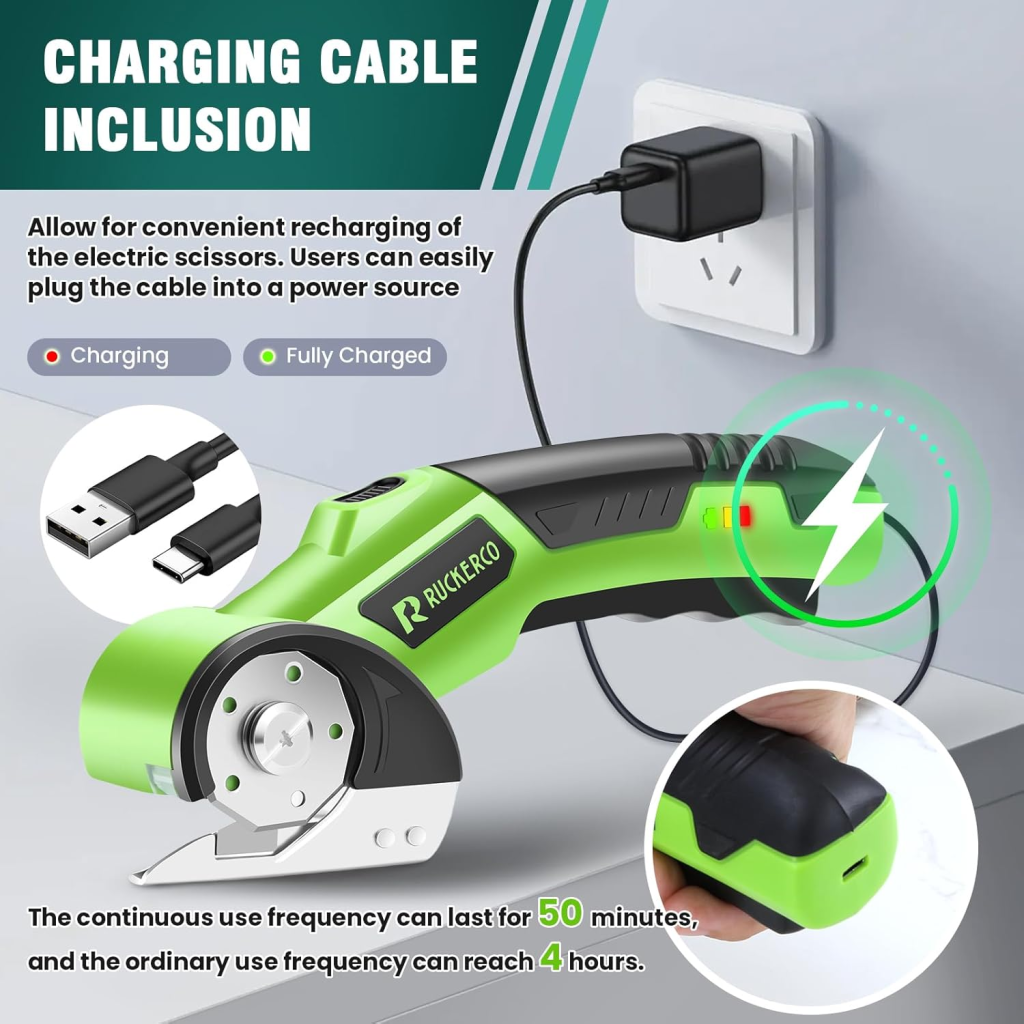
The 4V Cordless Electric Box Cutter with 2 Rotary Blades is a versatile tool for those who need one for shipping boxes, craft materials, fabric scraps, plastic packaging, and light leather. It is useful to have a 2 blade system as this allows one blade to be used for cleaner craft materials and the other for rougher cardboard work. The rechargeable feature is also more convenient than having to store disposable utility blades for each job.
Such a model is ideal for consumers who are looking for value, ease of use, and convenience. Safety lock and LED light allow easier control in dim corners or storage areas, and a compact body for quick cutting sessions. Many of these products have the same listing names, so buyers should take the time to compare the exact battery capacity, blade compatibility, and warranty information before selecting a particular bundle.
Pros
- Two rotary blades give the user more flexibility for different materials.
- Rechargeable design reduces dependence on disposable blade tools.
- Safety lock helps reduce accidental activation during storage or handling.
- LED light can improve visibility along cardboard folds or marked lines.
- Good for general home use, package breakdown, crafts, and light DIY cutting.
Cons
- Generic model names can make specification comparison confusing.
- Exact runtime and motor strength may vary by seller or version.
- Not ideal for users who need a well-known brand ecosystem or easy long-term parts support.
Final Verdict:
Choose this 4V two-blade box cutter if you want a budget-friendly tool for mixed household cutting. It is best for practical daily use, but buyers should verify exact specs and replacement blade options first.
4. Pink Power Cordless Electric Scissors Fabric Cutter
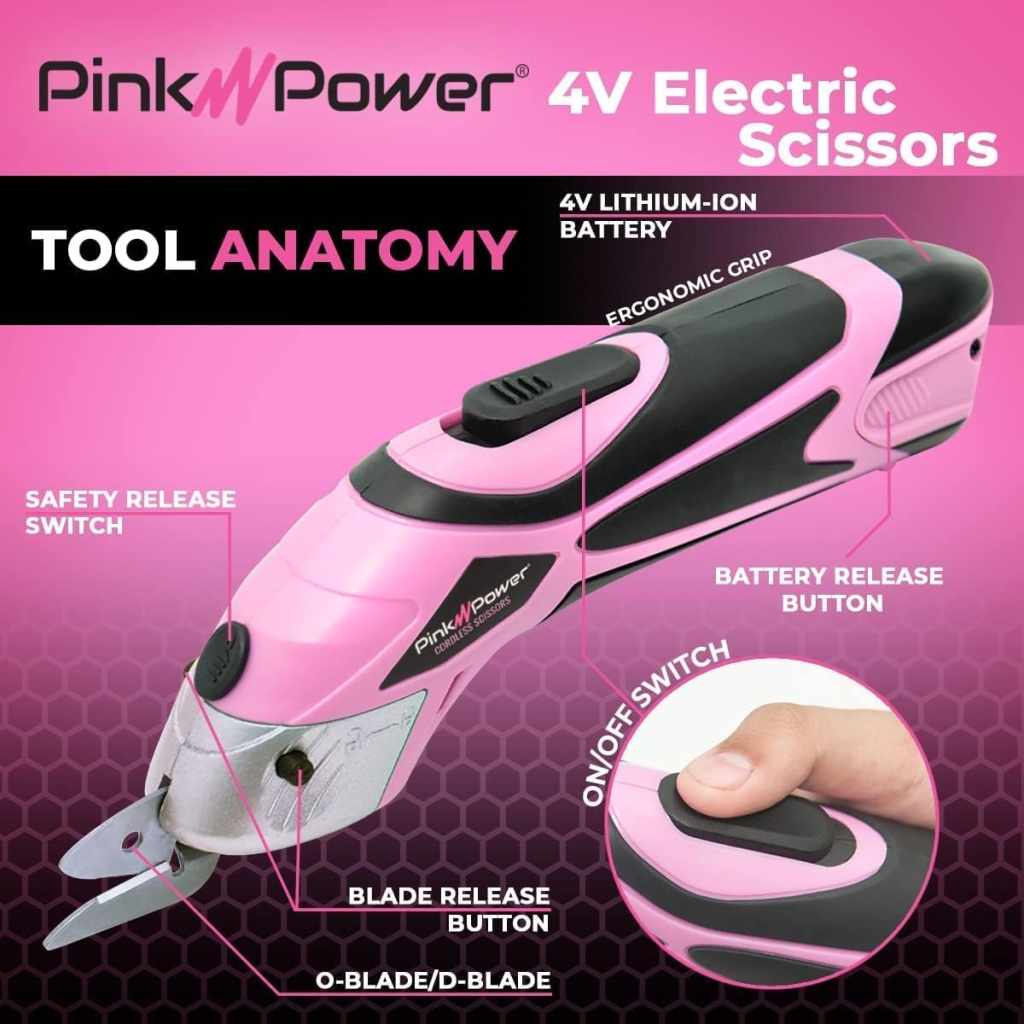
For craft enthusiasts looking for a comfortable cutting tool for fabric, sewing, quilting, scrapbooking, cardboard, and light household materials, the Pink Power Cordless Electric Scissors will be a good choice. The soft-grip style and compact body minimize hand strain during longer project sessions. The powered blade cutting action can be easier to operate for those who are creating fabric pieces or cutting out the same template over and over again.
For those who value ergonomics and brand loyalty, this model is particularly attractive. It’s more suited for fabric, paper, cardboard, and craft materials than for heavy-duty construction cutting, so treat it as a precision helper and not a heavy-duty construction cutter. It provides a comfortable and practical cutting experience for sewing rooms, craft benches, and home studios.
It pairs especially well with the best quilting sewing machines for quilting enthusiasts working on larger fabric projects.
Pros
- Soft-grip handle supports better comfort during extended craft sessions.
- Useful for fabric, paper, cardboard, leather pieces, and scrapbooking materials.
- Compact design makes it easier to guide around templates and project shapes.
- Rechargeable battery setup is convenient for regular craft-room use.
- Strong option for sewing, quilting, and hobby users who want reduced hand fatigue.
Cons
- May not be the best choice for very thick cardboard or dense carpet.
- Color and styling may not appeal to all tool buyers.
- Fine lace, slippery silk, and precision corners may still need manual shears.
Final Verdict:
Choose Pink Power if your main goal is comfortable cutting for sewing, crafting, and light household materials. It is one of the best choices for fabric-first users who want less hand strain.
5. SHALL 4V Cordless Electric Scissors
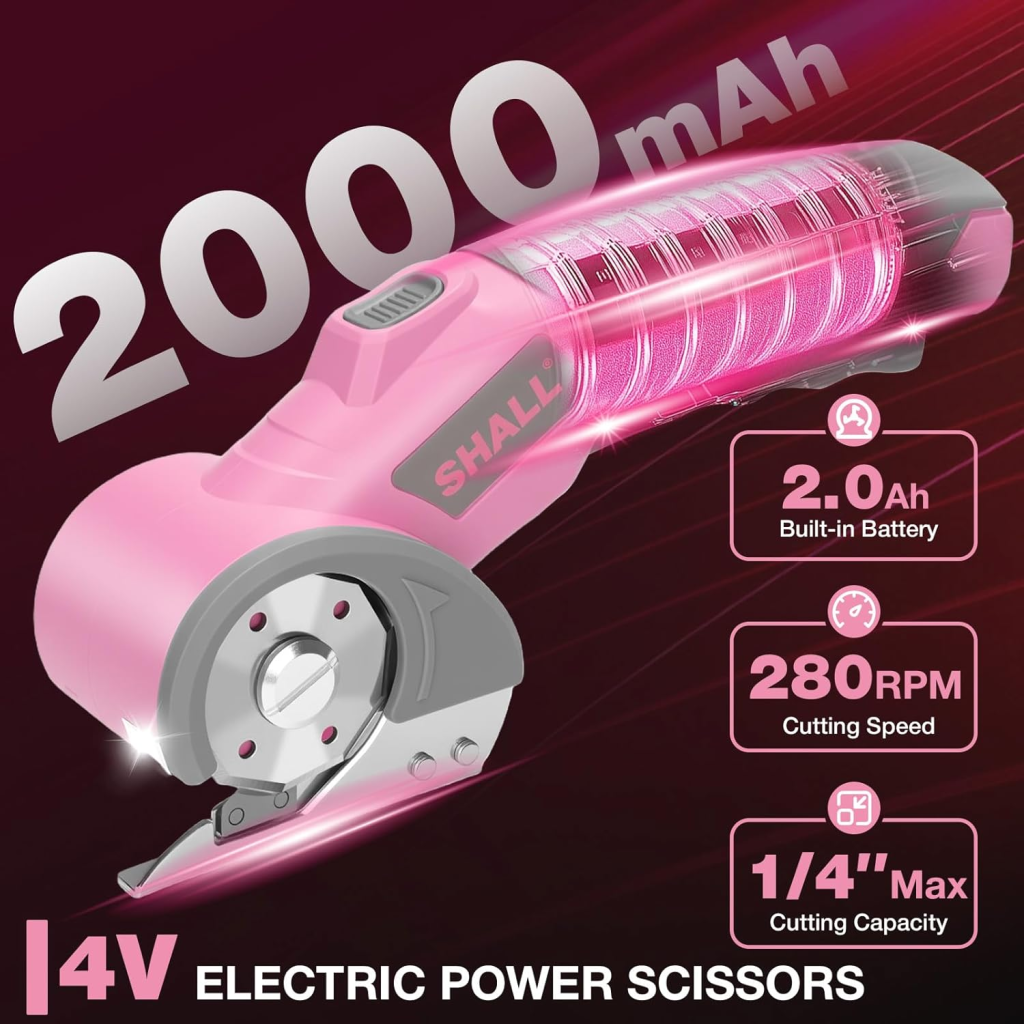
The SHALL 4V Cordless Electric Scissors are a safety-oriented selection for those who prefer a low-weight rotary cutter with a lock system, LED light, and replacement blade support. It is designed for flexible materials like fabric, cardboard, leather, carpet, PVC-like sheet materials, and plastic packaging within the recommended thickness range. It is a good choice for home use with care due to the blade guard and dual-action activation.
This is the ideal model for those seeking a small, easy-to-use, and store cutter. The lightweight construction helps to prevent fatigue, and the LED light can be helpful when cutting along marked lines or in poorly lit areas. It is similar to other 4V cutters in that it works best when the person using it lets the motor do the work and does not push the blade through dense material at too high a speed.
Pros
- Safety lock and blade guard support safer handling.
- LED light improves visibility on marked cutting lines.
- Lightweight design is easier to control for quick home tasks.
- Suitable for several flexible materials within the listed cutting limit.
- Replacement blade support helps extend practical usefulness.
Cons
- Runtime may be shorter during continuous heavy-duty cutting.
- Not designed for metal, heavy wire, or rigid hard materials.
- Some users may prefer a display-based model for clearer battery feedback.
Final Verdict:
Choose the SHALL 4V if you want a lightweight, safety-conscious electric cutter for fabric, boxes, carpet pieces, and light home projects. It is a strong pick for users who value control and safer activation features.
What Can You Cut with Cordless Electric Scissors?
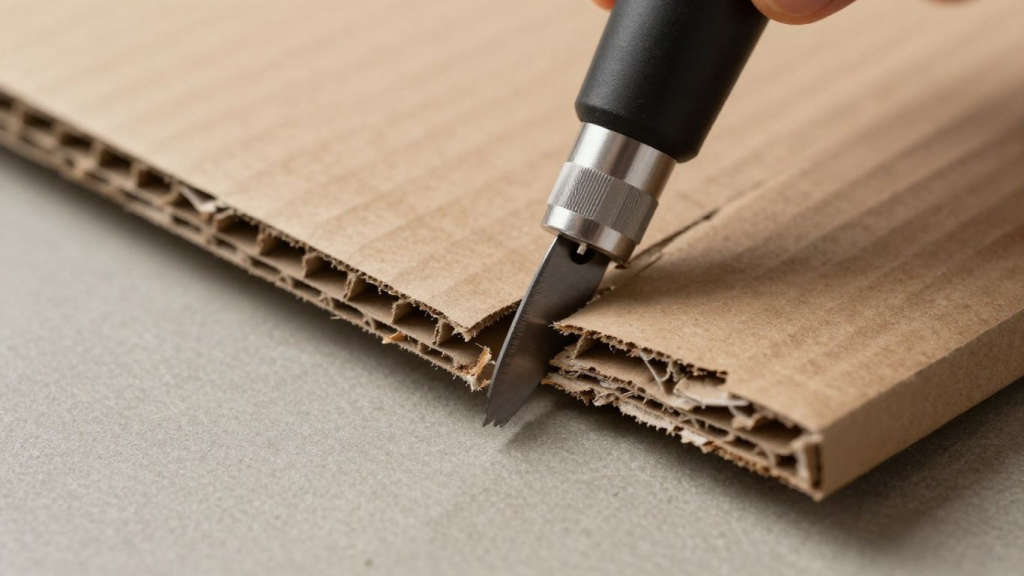
For materials that are flexible or semi-rigid, are guided into a rotary blade, cordless electric scissors are the best option. They are particularly helpful for opening plastic packages, cutting thin leather, cutting felt, cutting craft foam, trimming shipping boxes and fabric panels, and shaping light carpet scraps. The performance of the material is dependent on the sharpness of the blades, the thickness of the material, the density of the material, and the steady handling of the tool by the user.
If you’re preparing pieces for a sewing project, following how to sew a fabric bag is a practical way to put clean cuts into practice.
To get clean cuts, hold the material flat, support both sides of the cut, and cut at a rate at which the blade cuts and doesn’t chew. Stop and inspect the blade, battery charge, and material thickness if the tool stalls or ragged edges are formed. Test on scrap for delicate fabrics as powered cutters may pull or snag loose weaves. Keeping your sewing workspace organized with a best sewing box also helps protect blades and accessories between projects.
| Material | Recommended Use | Important Caution |
|---|---|---|
| Corrugated cardboard | Excellent for package breakdown and storage prep. | Flatten boxes first and avoid hidden staples. |
| Fabric and felt | Good for stable fabrics, quilting pieces, felt sheets, and craft panels. | Fine silk and lace may need manual shears. |
| Leather and vinyl-like sheets | Useful for thin craft pieces within the listed cutting limit. | Avoid forcing dense hides or thick folded seams. |
| Plastic packaging | Good for flexible plastic, blister edges, and shipping wrap. | Do not use on rigid hard plastic unless listed as safe. |
| Carpet remnants | Useful for light trimming and small DIY pieces. | Dense carpet backing can overload compact cutters. |
The following table is intended to assist in the matching of materials, but should not be used in place of the manufacturer’s instructions. The two materials can be the same thickness, but one could be significantly heavier or harder than the other, altering the performance of the tool. Follow the manual and discontinue use of the cutter when it overheats, stalls, or vibrates abnormally.
If you cut multiple materials, it’s a good idea to have one blade set up for clean fabric and one for cardboard or tougher packaging. This decreases lint, adhesive buildup, and sewing/craft accuracy blade dulling.
How to Choose the Right Cordless Electric Scissors
The most important material to cut when making a good buying decision is the one you use the most. If you’re primarily opening boxes, then opt for a cutter that has good cardboard performance, a sturdy guard, and a comfortable trigger. If you are primarily cutting fabric, it’s important to have a smooth blade path, minimal vibration, and a grip that allows you to follow pattern lines with control.
Using a reliable best sewing table can also improve stability while cutting and preparing fabric.
Long-term costs should also be compared. A less expensive cutter could be less valuable if replacement blades are hard to come by, and a more expensive cutter could be worth it if it saves time and works well from session to session. Consider the whole ownership experience rather than the price of the vehicle.
- Choose a tool based on your main material: fabric, cardboard, carpet, leather, plastic, or mixed use.
- Check the listed cutting capacity and stay within that limit.
- Confirm replacement blades are available before buying.
- Look for a safety lock, blade guard, and trigger design you can operate comfortably.
- Choose a battery setup that fits your work habits: quick top-ups for short tasks or longer runtime for batch cutting.
- Read the manual before first use and test on scrap material.
Maintenance Tips for Long-Lasting Blades and Battery Life
The best cordless cutter is one that keeps the blade clean and sharp. Clean the blade area of cardboard dust, adhesive residue, fabric fibers, and lint after each session. When there is sticky buildup, it creates friction and can result in rough cuts, causing the motor to have to exert more effort than it needs to.
Battery maintenance is also important. Keep the tool in a cool, dry location; do not leave it in direct heat, and recharge following the instructions. If you intend to store it for an extended period of time, consult the manufacturer’s guidelines for battery maintenance to ensure that the battery does not deteriorate more quickly than necessary. Regular maintenance of your cutting tools complements proper care of your best clothing irons and other sewing equipment.
| Maintenance Timing | What to Do |
|---|---|
| After each use | Wipe blade area, remove lint, inspect guard, and store safely. |
| Weekly or frequent use | Check blade sharpness, clean residue, and confirm screws or attachments are secure. |
| Before large projects | Fully charge the battery and test cut on scrap material. |
| When cutting performance drops | Replace or clean the blade instead of forcing the motor. |
The objective of maintenance is to keep the motor as well as the blade in good condition. Pushing a dull blade through thick cardboard or carpet creates more heat and strain and can reduce the life of the blade. Typically, performance is maintained with simple cleaning and timely replacement of blades.
Do not use harsh cleaners unless specified in the manual. Most compact electric cutters are safer when a dry cloth is used, light debris removal is performed, and when they are stored carefully. Stop using the tool if it starts to make unusual noises, vibrates heavily, or fails to cut material that it has previously cut.
Safety Tips Before Using a Powered Cutting Tool
In many instances, cordless electric scissors are easier to use than manual shears, but they are still powered cutting tools. Do not place fingers, loose fabric, cords, jewelry, or hair in the blade path. Lock off when not using the tool, and never give to others with the blade out or the trigger unlocked.
A stable work surface makes the tool safer and more accurate. Secure large items with clamps or hold them, cut away from the body, and ensure the blade guard is used. Keep the tool and spare blades in a locked or out-of-reach place if children are around.
Common Mistakes to Avoid
- Forcing the cutter through materials thicker than the manufacturer recommends.
- Using one dirty cardboard blade on clean sewing fabric and expecting crisp results.
- Ignoring battery level and blaming the tool for weak cutting performance.
- Trying to cut metal, heavy wire, staples, or rigid plastic with a tool designed for flexible materials.
- Skipping test cuts on delicate, stretchy, or slippery fabric.
- Storing the tool with the safety lock off or the blade exposed.
Final Verdict: Which Cordless Electric Scissors Should You Buy?
The Fanttik C8 Nano EasySwap is the most powerful choice overall for most users, featuring a modern display, speed control, rapid blade changes, and a compact design. It is ideal for mixed material cutting and for everyday use. The ZEITE 4V is a simpler starter option that is easy to understand and use for occasional projects.
Pink Power is recommended for fabric first users for its comfort for craft, and the SHALL 4V is recommended for those who want a lightweight, safety-focused cutter. For the home user who needs a box cutter but doesn’t want to spend a lot of money, the generic 4V, two-blade box cutter is a good option, but the exact specifications need to be carefully reviewed because similar box cutters may be different depending on the seller and the bundle.
Frequently Asked Questions
Are cordless electric scissors good for fabric?
Yes, they can be useful for stable fabrics, felt, quilting pieces, and repeated straight cuts. For slippery silk, fine lace, or intricate curves, manual sewing shears may offer better control.
Can cordless electric scissors cut cardboard?
Yes, many models are designed for corrugated cardboard and shipping boxes. Flatten the box, remove staples or tape buildup when possible, and avoid forcing the tool through layers thicker than the listed capacity.
Do electric scissors replace manual scissors?
Not completely. They are excellent for repetitive or thicker cutting, but manual scissors are still better for delicate fabrics, tiny corners, thread trimming, and high-precision sewing work.
Are cordless electric scissors safe?
They can be safe when used correctly, especially models with a safety lock, guard, and controlled trigger. They should still be treated as powered cutting tools and kept away from children.
How long do the blades last?
Blade life depends on what you cut and how often you use the tool. Cardboard, carpet, and adhesive packaging dull blades faster than clean fabric or paper.
Can I cut metal with cordless electric scissors?
Most compact cordless electric scissors are not designed for metal or heavy wire. Cutting the wrong material can damage the blade, overload the motor, and create a safety risk.
Should I use a cutting mat?
A cutting mat is useful for protecting the table and stabilizing thinner materials. It is especially helpful for craft work, pattern cutting, and clean, straight lines.
Can I use the tool while it is charging?
Only do this if the manufacturer clearly allows pass-through operation. Otherwise, fully charge the tool first and use it unplugged as intended.
What is the best cordless electric scissors model overall?
For mixed home use, the Fanttik C8 Nano EasySwap is the most complete option because it combines power monitoring, speed control, and quick blade changes. The best model for you still depends on your main material and budget.
What should I check before buying?
Check cutting capacity, battery runtime, blade replacement availability, safety lock design, grip comfort, warranty details, and whether the product is suitable for your specific materials.