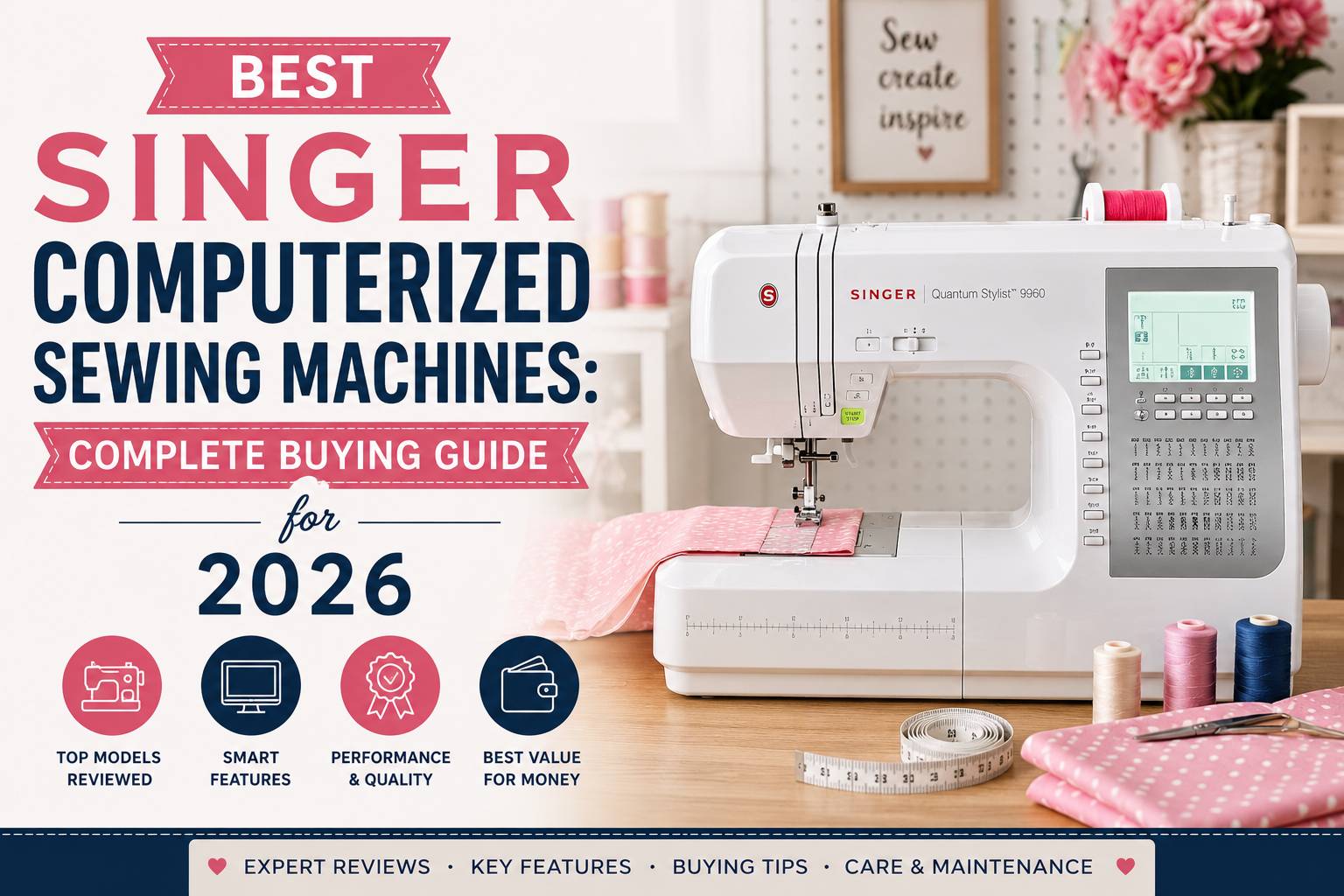
Best Singer Computerized Sewing Machines: Complete Buying Guide for 2026
The best Singer computerized sewing machine for most home sewists is the Singer Quantum Stylist 9960 because it combines a large stitch library, automatic features, built-in lettering, speed control, and a generous accessory package in one machine. Beginners who want a simpler learning curve can start with a model like the Singer C7250 or C7290Q, while quilters and makers working on larger projects should prioritize an extension table, needle up/down control, and stable fabric support.
If you sew denim, canvas, or thick layers often, a computerized Heavy Duty Singer model such as the 6600C Sterling can be a better fit than a standard lightweight machine. This guide compares the top Singer computerized sewing machines available through Amazon listings and authorized retailers, explains the features that actually matter, and helps you choose the right machine for your skill level, budget, and sewing style.
- Singer computerized sewing machines are best for sewists who want push-button stitch selection, more consistent settings, built-in stitch libraries, and time-saving automation.
- The Singer Quantum Stylist 9960 is the strongest all-around pick for users who want room to grow, thanks to its 600 built-in stitches, lettering fonts, and automatic convenience features.
- The Singer C7250 and C7290Q are strong choices for everyday sewing, quilting, home decor, and intermediate projects because they balance useful features with an easier interface.
- A computerized sewing machine is not automatically an embroidery machine. Most Singer computerized models offer decorative stitches and lettering, while true embroidery requires a dedicated embroidery or sewing-and-embroidery combo model.
- Before buying on Amazon, confirm seller reputation, return window, warranty coverage, current stock status, and whether the listing is new, renewed, refurbished, or open-box.
Quick Answer: Which Singer Computerized Sewing Machine Is Best?
The Singer Quantum Stylist 9960 is the most versatile Singer computerized sewing machine available to most people, without venturing into the higher price and complexity of a full sewing and embroidery combo machine. It is particularly beneficial for sewing garments, decorative stitching, quilting, buttonholes, basic monogramming, and long-term skill development.
If you’re looking for a more user-friendly, everyday computerized machine with a decent stitch variety and LCD screen, you’ll want to select the Singer C7250. If quilting support and included presser feet are more important, then choose the Singer C7290Q. If fabric piercing power, sewing speed, and a computerised interface for heavier projects are your top priorities, then you should opt for the Singer Heavy Duty 6600C Sterling.
What Is a Singer Computerized Sewing Machine?
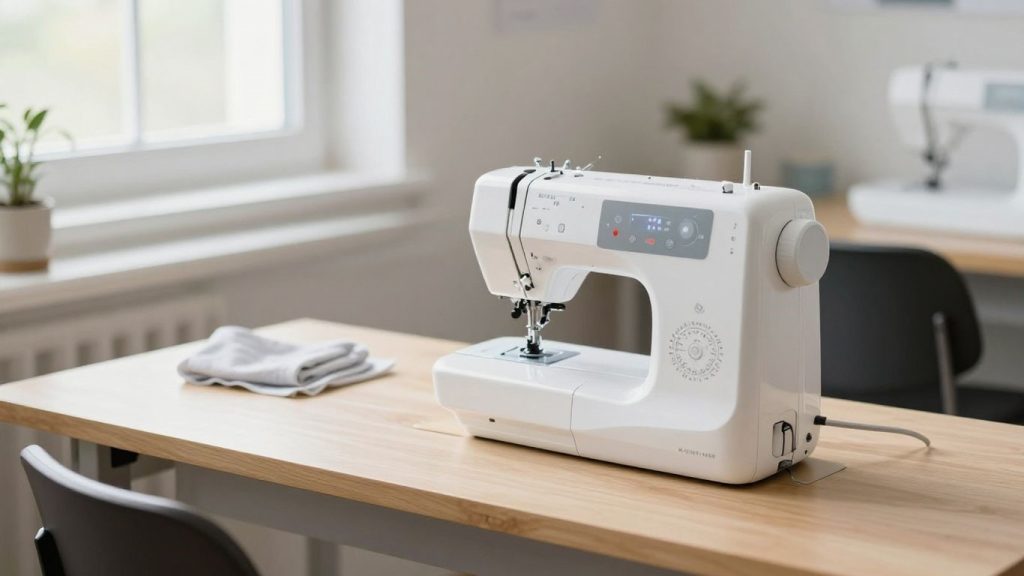
A Singer computerized sewing machine has electronic controls that are used to control the stitch selection, stitch length, stitch width, and other settings by using buttons, an LCD screen, or a touch-control interface. Rather than having to rotate multiple dials, you choose a stitch number or category, and the machine will use
It is particularly useful for those who sew clothes, quilts, crafts, decorate their homes, or make gifts and are looking for repeatability in their work with computerized machines. They eliminate guesswork, but they don’t eliminate the need for correct needles, thread, stabilizer, presser feet, and fabric testing. Matching machine settings to material will always give the best results.
Computerized vs Mechanical vs Embroidery Machines
The terms computerized, digital, and embroidery machine are not synonymous and are used by many beginning users as such. Knowing the difference will help you avoid one of the most frequent buyer’s errors – buying a computerized sewing machine and thinking it will perform the same functions as a full embroidery machine.
The table below is a basic decision-making guide. It describes the different types of machines and which ones are best suited for what, and why a Singer computerized machine is typically in the middle between a mechanical machine and a dedicated embroidery machine.
| Machine Type | How It Works | Best For | Important Limitation |
|---|---|---|---|
| Mechanical sewing machine | Uses manual dials and levers for stitch selection and settings. | Basic repairs, hemming, simple garments, beginners on a tight budget. | Fewer stitches and less automation. |
| Computerized sewing machine | Uses electronic controls, LCD screens, or buttons to select stitches and recommended settings. | Garments, quilting, crafts, decorative stitches, buttonholes, and monogram-style lettering. | Not the same as full embroidery unless the model is sold as an embroidery combo. |
| Sewing and embroidery combo machine | Combines normal sewing with embroidery designs, hoops, and often USB/Wi-Fi design transfer. | Custom embroidery, logos, large monograms, and decorative design work. | Usually higher cost, steeper learning curve, and more software involvement. |
The most practical improvement for most home sewists is a computerized machine, which increases the speed of sewing, allows access to stitches, and provides greater uniformity without requiring you to use embroidery software or hoop your work. That is why models like the Singer 9960, C7250, and C7290Q are popular among those who desire creative flexibility but still require a normal sewing machine for their regular work.
A computerised Singer with lettering might be sufficient if you are primarily interested in sewing names, small labels, and decorative borders. When you need to embroider custom logos, large names, imported designs, or dense filled embroidery, you should choose an embroidery machine rather than a regular computerized sewing machine.
Why Choose a Singer Computerized Sewing Machine?
A Singer computerized sewing machine is helpful since it takes a lot of the hassle out of regular sewing. Push-button stitch selection, default stitch settings, speed control, automatic needle threading, one-step buttonholes, and LCD guidance get you from setup to stitching quickly. This is particularly useful when alternating frequently between seams, hems, stretch stitches, decorative stitches, and buttonholes.
Singer is also one of the most famous brands in home sewing, having a long history of sewing machines and a vast range of accessories, manuals, replacement parts, and tutorials. That support is important because a machine is not just a one-time purchase; it’s a tool you can use for years with various fabrics, repairs, learning levels, and creative projects.
Learning the purpose of common sewing machine parts also makes troubleshooting and maintenance much easier.
The greatest benefit is growth. The beginner may begin with straight stitches, zigzag stitches, and simple buttonholes, and then progress to decorative borders, quilting stitches, lettering, topstitching, applique, and craft projects, without having to buy a new machine. This makes a proper computerised model a good investment in the long run.
If you’re just starting your sewing journey, our guide on how to learn sewing provides a practical roadmap.
Key Features to Look for in a Singer Computerized Sewing Machine
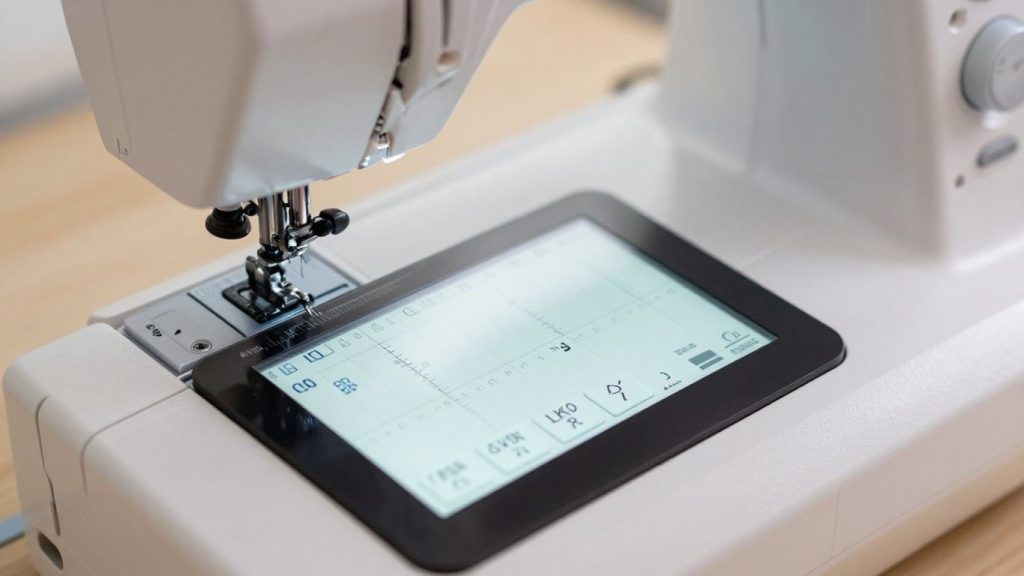
The highest stitch count does not necessarily indicate the best Singer computerized sewing machine. The right machine is the one that’s right for your actual projects: garment sewing, quilting, thick fabric, home decor, mending, monogramming, and craft work. Having a large stitch library is only useful if the machine has the controls, presser feet, and workspace you need.
Before purchase, carefully compare the following features. These are the features that have more of an impact on the usability of the product in everyday use than marketing terms.
Stitch Options and Stitch Applications
Singer tends to distinguish between built-in stitches and stitch applications. The actual stitch patterns that are stored in the machine are the built-in stitches. Stitch applications are the various types of sewing that can be made with these stitches, including seams, hems, stretch seams, buttonholes, decorative edging, quilting lines, applique, and lettering effects.
This is important because one model might have 200 built-in stitches and 417 stitch applications, while another has 600 built-in stitches and over 1,000 stitch applications. If you are a beginner, 100-200 built-in stitches are more than enough. A bigger library allows for more creative space for quilting or personalizing.
Automatic Needle Threader and Thread Cutter
An automatic needle threader can save time and eye strain, particularly if you frequently change colors. Most Singer computerized models have an inbuilt needle threader, but the actual threading procedure varies from model to model, so it is important to read the manual.
Not all Singer computerized machines have a built-in thread cutter, but it is a great feature on higher-quality machines. It cuts the top and bobbin threads with a single press of the button, helpful for quilting, chain piecing, decorative stitching, and projects that have numerous stop-start seams.
If you’re considering an accessory instead, compare the options in our guide to the best automatic needle threaders.
LCD Screen and Button Controls
The LCD screen shows the selected stitch number, stitch width, stitch length, and sometimes the recommended presser foot. This helps to build confidence as you can check the settings before sewing rather than making a guess based on a setting dial.
If you are a beginner, it’s better to have a simpler LCD interface than too many menus. Repeatable decorative work can be time-saving for experienced users thanks to more buttons, memory functions, mirror imaging, and stitch sequencing.
Speed Control and Start/Stop Button
Speed control allows you to set the top speed of the sewing machine, useful for curves, corners, applique, buttonholes, and for beginners to practice. Some models have a start/stop button to sew without using the foot pedal, providing greater control for long seams or slow decorative stitching.
This feature is particularly helpful for users who are learning how to control the machine. You can reduce the pressure on the pedals and gradually gain confidence with consistent and predictable movement.
Needle Up/Down and Extension Table
Needle up/down is a little feature that can have a significant impact. It enables the needle to catch in the fabric and makes it simpler to turn around corners, applique shapes, quilt blocks, and topstitching lines. Quilters and garment makers should consider this a top-priority feature.
An extension table is used for extra support for quilts, curtains, coats, home decor, or larger fabric pieces. For quilting, sewing bags, or dealing with bulky fabric, opt for a model or bundle with an extension table or one that is available as an accessory.
If you’re shopping separately, see our recommendations for the best sewing machine extension tables.
One-Step Buttonholes
A one-step buttonhole makes a buttonhole that fits the button in the buttonhole foot. This is a lot easier than a 4-step manual process and will help to create more uniform results with shirts, dresses, jackets, pillow covers, and craft projects.
Don’t just consider the variety of buttonhole types. While most users will only need a few good choices, garment makers may want to have several different styles for various fabrics and garment designs.
Feature Checklist by Skill Level
Not all sewists require the same type of computerized sewing machine. A beginner requires simplicity and guided settings, a quilter requires more space, and a maker requires more fabric handling. Similar features to skill level ensure that the buyer does not overspend on tools that they will not use.
When considering individual Singer models, use this table to determine which level of features is appropriate. It is written for the intent of the buyer, and each row is a relationship between a feature group and the type of person who will most benefit from it.
| Skill Level | Must-Have Features | Nice-to-Have Features | Best Project Types |
|---|---|---|---|
| Beginner | Automatic needle threader, LCD screen, top drop-in bobbin, simple stitch selection. | Speed control, one-step buttonhole, clear presser-foot guide. | Mending, hemming, basic garments, crafts, pillow covers. |
| Intermediate | More stitches, adjustable length/width, one-step buttonholes, stronger accessory set. | Needle up/down, start/stop button, stitch memory, extension table. | Garments, home decor, bags, stretch fabrics, decorative stitching. |
| Quilter | Extension table, needle up/down, drop feed, quilting feet, stable frame. | Thread cutter, walking foot, free-motion foot, speed control. | Quilts, patchwork, applique, large fabric projects. |
| Heavy fabric user | Metal frame, stronger motor, adjustable presser foot pressure, high sewing speed. | Computerized stitch selection, top drop-in bobbin, automatic buttonholes. | Denim, canvas, bags, thick seams, upholstery-style home projects. |
If you are purchasing a machine for the first time, don’t just go for the highest stitch count. A machine that has fewer stitches, but is set up well, has clear controls, and helpful accessories can be more productive than a complex machine that seems daunting.
If you have some time to spare, opt for a long-term upgrade by selecting the skill level one higher than what you already have, if the budget permits. This provides time to expand your quilting, decorative stitching, buttonholes, and advanced garment-making skills without having to change the machine too early.
Best Singer Computerized Sewing Machine by Skill Level
The following recommendations are based on Singer Computerised machines that are listed on Amazon and/or through official or authorised retailers. Amazon prices, sellers, and inventory can change rapidly, so please verify the current listing, warranty, return policy, and seller status before publishing affiliate links or adding product schema.
Don’t recommend a machine solely because of its low price for SEO and buyer trust. A good recommendation should include who the machine is for, the important features, the limitations of the machine, and why this model is better than a more expensive or complicated machine.
1. Singer Quantum Stylist 9960 – Best Overall Singer Computerized Sewing Machine
For sewists who wish to have one computerized machine that can sew garments, quilt, create decorative stitches, make home decor, and grow their creative skills over time, the Singer Quantum Stylist 9960 is the best overall option. It comes with 600 built-in stitches, 5 lettering fonts, 13 automatic one-step buttonholes, automatic needle threading, automatic thread trimming, speed control, and a huge accessory package. This combination makes it more capable than most entry-level computerized machines without the need for a full embroidery setup.
This model is particularly good for intermediate and advanced home sewists who wish to try out stitch sequencing, decorative borders, monogram-style lettering, quilting details, and professional-looking buttonholes. It can be used by beginners, but the many buttons and options can be confusing at first. For a machine that can grow for several years, the 9960 is the safest choice.
Those interested in another premium computerized Singer should also read our Singer Quantum Stylist 9985 review.
| Pros | Cons |
|---|---|
|
|
The Singer Quantum Stylist 9960 remains one of the strongest feature-packed sewing machines in its price range. It offers an exceptional combination of stitch variety, automation, included accessories, and ease of use that few competitors can match for under the premium price category. For hobbyists, garment makers, crafters, and occasional quilters, it delivers outstanding value and enough features to grow with your skills.
However, buyers planning to sew every day, work with heavy materials regularly, or rely heavily on the automatic thread cutter should be aware of the recurring reliability concerns reported by long-term owners. If maximum durability and long-term dependability are your highest priorities, investing in a higher-end Janome, Juki, or Baby Lock machine may be worthwhile. Otherwise, for most home sewists, the Singer 9960 remains an easy recommendation because of the impressive performance and feature set it provides for the price.
2. Singer C7250 – Best Everyday Computerized Singer for Home Sewists
For those who want a modern computerized sewing machine but don’t want to go all the way to the 9960, the Singer C7250 is a good option. It comes with 200 built-in stitches and 417 stitch applications, an LCD screen, adjustable stitch length and width, built-in lettering, speed control, and in many bundles, an extension table and one-step buttonholes. This makes it versatile enough to use for clothing, home decor, repairs, and creative projects.
The C7250 is a solid choice for anyone who is just starting and would like some space to expand, and for those who are intermediate-level sewers looking for some practical features, but not a huge stitch library.
It’s also a great Amazon buy, it comes with an accessory kit, as the presser feet and extension table can save you on additional purchases down the road. Always check if the Amazon item comes from a trusted seller and if there is warranty support.
3. Singer C7290Q – Best Singer Computerized Sewing Machine for Quilting
The Singer C7290Q is designed for sewists who wish to get quilting assistance while remaining in the home computerized sewing-machine classification. It has 417 stitch applications, a lettering font, LCD guidance, and a solid selection of quilting-friendly presser feet. Extension table for larger quilts and home decor projects, needle up/down control for applique, topstitching, and free-motion practice.
This is the more appropriate option when you have projects that involve quilt blocks, patchwork, large fabric panels, bags, or decorative stitching on larger fabrics. While it’s still easy to use for newer sewers, it really comes into its own once you begin using the included presser feet and larger workspace. If you’re primarily doing small repairs, it could be more than you need, but if quilting is in your future, it’s a good investment.
| Pros | Cons |
|---|---|
|
|
Good for quilt piecing and free-motion quilting, especially with the speed control. But enough owners report bird’s nesting, broken needles, and a failing reverse button that reliability is a real concern. Worth it if you’re patient with bobbin tension tweaks — skip it if you need it to work perfectly out of the box.
4. Singer Heavy Duty 6600C Sterling – Best Computerized Singer for Thick Fabric
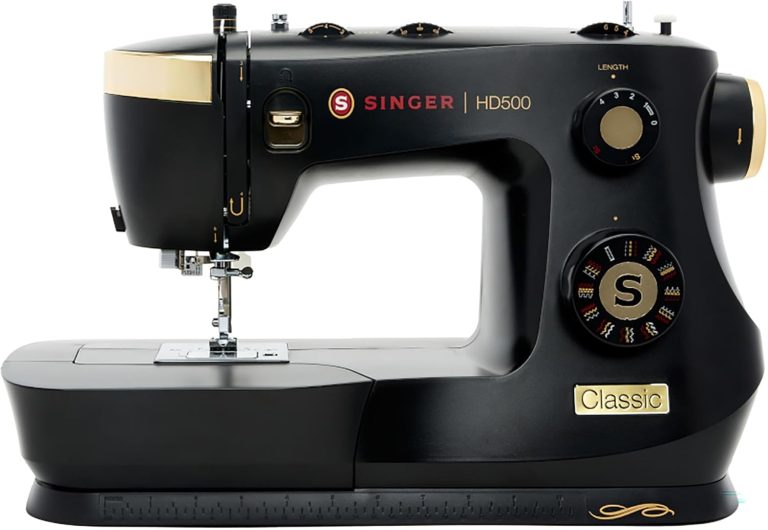
For sewers who want the convenience of computerized controls and also need a little more power to work with denim, canvas, multiple layers, costumes, bags, or home decor, the Singer Heavy Duty 6600C Sterling is the best choice. According to Amazon listings, it features 100 built-in stitches, 215 stitch applications, a metal frame, six one-step buttonholes, strong piercing power, and a sewing speed of up to 1,100 stitches per minute. This is in contrast to lighter computerised machines that specialise primarily in decorative stitch variety.
This model is suitable for sewing use, not for decoration. If you use a thick fabric frequently and want something that is more of a workhorse than a pretty machine with an LCD screen and a computer program for stitch selection, then choose it. For heavy fabrics, use the right needle size, thread type, and presser foot; even a heavy-duty computerized machine can falter if it’s set up for a different fabric.
You can also compare it with other heavy-duty models in our Singer Heavy Duty 6800C review and Singer Heavy Duty 4423 review.
| Pros | Cons |
|---|---|
|
|
The Singer Heavy Duty 6600C Sterling is a solid pick for anyone who wants a step up from a basic machine without going fully computerized. Its metal frame, higher stitch speed, and stitch quality hold up well for everyday sewing and heavier fabrics, and most owners find it easy to get running quickly.
The one real gap is documentation — no printed manual, and the guidance that is included doesn’t cover much. If you’re comfortable looking up settings online or ordering the manual separately, this machine delivers strong value for its price. If you need everything explained out of the box, budget extra time upfront to get familiar with it. If you’re also comparing it to its computerized sibling, see our Singer Heavy Duty 6800C review.
Every machine on MariaSew.com is tested hands-on across real sewing projects before it’s included in a review or comparison. We don’t rely on spec sheets alone — each machine is put through the same core checks so the results are comparable across models.
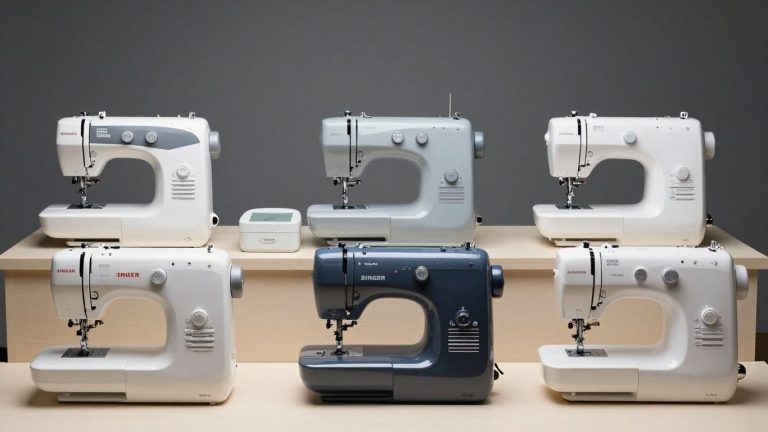
Top Singer Computerized Machine Comparison
A comparison table is a great way to get readers to make a quick decision on a purchase, particularly when you are reviewing a product or writing an affiliate blog. This table is not intended to be a price ranking, but rather a breakdown of use case, stitch range, and why each machine is a good choice for the user.
This section at the top or middle of the blog is good for SEO and AEO value. It provides Google, AI answer engines, and readers with a structured summary that can be used again in snippets, buying guides, and product comparison results.
| Model | Best For | Key Strengths | Potential Drawback | Who Should Buy It |
|---|---|---|---|---|
| Singer Quantum Stylist 9960 | Best Overall & Long-Term Growth | 600 built-in stitches, 5 fonts, 13 buttonholes, thread cutter, large accessory kit. | Can feel complex for absolute beginners. | Sewists who want one machine for garments, quilting, decorative stitches, and creative growth. |
| Singer C7250 | Best Everyday Home Sewing | 200 built-in stitches, 417 applications, LCD screen, extension table, speed control. | Availability and bundle contents can vary by seller. | Beginners and intermediates who want useful features without too much complexity. |
| Singer C7290Q | Best for Quilting | 417 stitch applications, extension table, 12 presser feet, lettering, quilting-friendly controls. | More than needed for basic repairs only. | Quilters, bag makers, and sewists handling larger fabric projects. |
| Singer Heavy Duty 6600C Sterling | Best for Thick Fabric | 100 built-in stitches, 215 applications, metal frame, 1,100 SPM, stronger piercing power. | Fewer decorative options than 9960. | Users sewing denim, canvas, costumes, bags, and heavier home decor. |
The best general advice for most readers? The Singer Quantum Stylist 9960 is the best overall choice, and the Singer C7250 is the easier choice for day-to-day use. That sort of setup will attract both seasoned buyers and novices who might be daunted by the prospect of purchasing a machine with features.
For audiences that are quilters or those sewing thicker fabric, add the C7290Q and Heavy Duty 6600C Sterling to separate use case sections. This makes the article more semantically complete, as it addresses the actual question people have about Singer computerized sewing machines: beginner use, quilting, garments, thick fabric, and value.
How to Choose the Right Singer Computerized Sewing Machine
Start with your real projects, not the spec sheet. A quilter needs an extension table and needle up/down. A garment maker needs consistent buttonholes, stretch stitches, and useful presser feet. A beginner needs clarity and confidence. A person sewing jeans, bags, or canvas needs a stronger motor and the correct needle setup.
If you’re still deciding which brand offers the best fit for your sewing style, compare them in our Brother vs Singer sewing machines guide.
A machine that is perfect for one sewist can be frustrating for another. Use the checklist below before buying so your recommendation aligns with fabric type, project size, and skill level.
- List the fabrics you sew most often: cotton, knit, denim, canvas, fleece, satin, quilting cotton, or upholstery-style fabric.
- Decide whether you need decorative stitches, lettering, and monogram-style personalization, or true embroidery with design import.
- Check whether the machine includes an automatic needle threader, one-step buttonholes, speed control, and needle up/down.
- Confirm the included presser feet. Buying feet separately can increase the real cost of the machine.
- Verify the seller, warranty, return period, and whether the Amazon listing is new, renewed, or refurbished.
Maintenance Tips for Singer Computerized Sewing Machines
- A computerized sewing machine still needs regular maintenance.
- Keep the bobbin area clean, remove lint after heavy projects, change needles often, use the correct bobbin class, and follow the manual when oiling or servicing because not every modern machine should be oiled by the user.
- For best results, test stitches on a scrap of the same fabric before sewing the final project.
- Adjust needle size, thread type, stitch length, and tension gradually.
- If your machine makes loops, breaks thread, or skips stitches, start with the basics: rethread the top thread, reinsert the bobbin, replace the needle, and clean the bobbin area before assuming the machine is defective.
Common Buying Mistakes to Avoid
- Buying only for stitch count instead of matching the machine to real projects.
- Assuming every computerized Singer can do full embroidery. Most standard computerized models do decorative stitches and lettering, not imported embroidery designs.
- Ignoring the included accessories. Presser feet, extension tables, and hard covers can change the real value of a bundle.
- Buying a refurbished or renewed machine without checking the warranty and return terms.
- Using the wrong needle or thread for thick fabrics and then blaming the machine for skipped stitches or jams.
Final Verdict: Which Singer Computerized Sewing Machine Should You Buy?
Singer Quantum Stylist 9960 is the best all-around Singer computerized sewing machine. It provides you with the most creative flexibility, a big stitch library, lettering, buttonholes, automation, and sufficient accessories for serious long-term use. It’s ideal for sewists who don’t want to have to replace their machine soon.
For a more basic, everyday model, opt for the Singer C7250. If you want to quilt, then the Singer C7290Q is the one you should go for. For heavy-duty fabrics, speed and piercing power, the Singer Heavy Duty 6600C Sterling is the best choice. The machine with the largest number on the box is not the right machine; it’s the machine that fits your fabric, your projects, and your confidence level.
If you’re also evaluating dedicated heavy-duty models or beginner-friendly alternatives, explore our guides to the best Singer sewing machines and best sewing machines for beginners.
Frequently Asked Questions
What is the best Singer computerized sewing machine overall?
The Singer Quantum Stylist 9960 is the best overall choice for most sewists because it offers a large stitch library, built-in lettering, automatic needle threading, thread trimming, speed control, 13 one-step buttonholes, and a strong accessory package.
Are Singer computerized sewing machines good for beginners?
Yes, many Singer computerized machines are good for beginners because they simplify stitch selection and offer helpful features like automatic needle threading, LCD screens, speed control, and one-step buttonholes. Beginners should choose a model with clear controls instead of buying only for the highest stitch count.
Can a Singer computerized sewing machine do embroidery?
Some Singer machines are sewing-and-embroidery combo machines, but most standard Singer computerized sewing machines do not do full embroidery. They usually offer decorative stitches and lettering for monogram-style personalization, not imported embroidery designs.
What is the difference between built-in stitches and stitch applications?
Built-in stitches are the actual stitch patterns stored in the machine. Stitch applications are the different techniques you can perform using those stitches, such as seams, hems, decorative borders, quilting, buttonholes, and lettering.
Which Singer computerized machine is best for quilting?
The Singer C7290Q is a strong quilting-focused option because it includes an extension table, quilting-friendly accessories, LCD stitch selection, lettering, and a wide range of stitch applications. The Singer Quantum Stylist 9960 is also a strong choice for quilters who want a larger stitch library.
Which Singer computerized machine is best for denim or thick fabric?
A computerized Heavy Duty Singer model such as the Singer Heavy Duty 6600C Sterling is better for denim, canvas, and thicker layers because it focuses on stronger piercing power, a metal frame, and faster sewing speed. Use denim needles and suitable thread for best results.
Do I need 600 stitches on a sewing machine?
Most beginners do not need 600 stitches. A smaller stitch library is enough for basic sewing, repairs, and simple garments. However, a larger stitch library is useful if you enjoy decorative sewing, quilting, personalization, and experimenting with creative finishes.
Is an automatic needle threader worth it?
Yes, an automatic needle threader is worth it for most sewists because it saves time, reduces eye strain, and makes frequent thread changes easier. It is especially helpful for beginners, quilters, and anyone who changes colors often.
How often should I service a Singer computerized sewing machine?
Clean lint from the bobbin area regularly and change needles often. For professional servicing, follow the manual and consider annual service if you sew frequently, work with lint-heavy fabrics, or notice unusual noise, skipped stitches, or feeding problems.
Should I buy a Singer sewing machine from Amazon or the official Singer website?
Amazon is useful for price comparison, fast shipping, and reviews, while the official Singer website and authorized dealers may offer clearer warranty support and product guidance. Before buying, compare seller status, return policy, warranty coverage, and included accessories.