How to Stop Hair Fall After Pregnancy: Postpartum Hair Loss Causes & Treatments
Hair fall is something I’ve dealt with on and off for years. At first, I just tried to ignore it, hoping it would stop on its own. But seeing more hair in the shower drain every morning made me worry. I tried changing shampoos, eating more veggies, and even cutting back on heat styling, but nothing seemed to work right away.
Medically reviewed by a board-certified dermatologist for accuracy. This article reflects personal experience alongside professionally reviewed information, it is not a substitute for individual medical advice.
Figuring out how to stop hair fall can feel overwhelming, especially with so many products and tips out there. In this article, I want to walk through what I’ve learned about why hair falls out, what treatments are out there, and some simple things you can do at home that might actually help.
Key Takeaways
- Figuring out the cause of hair fall is the first step, sometimes it’s genetics, sometimes it’s diet, stress, or something else.
- Gentle hair care and avoiding harsh treatments can make a big difference in reducing hair loss.
- There are medical treatments like minoxidil and finasteride, but it’s important to talk to a doctor before starting anything new.
- Eating a balanced diet with enough protein and iron can help support healthy hair growth.
- If hair loss is sudden, severe, or comes with other symptoms, it’s smart to see a dermatologist to rule out any health problems.
Understanding Hair Fall: What Is Normal vs. Excessive
I used to worry every time I found a bunch of hair in my shower drain, but it turns out that some hair loss is just part of the normal cycle of this body part’s life. It’s normal for most people to lose around 50 to 100 hairs each day. That may seem like a lot, particularly when you see strands on your pillow or in your hair brush, but if new hair is sprouting in its place it’s simply what our bodies do.
But how do you know if what you’re going through is too much? Here’s a quick rundown:
- If your hair appears to be thinning significantly overall.
- If you notice bald patches or random areas where locks are missing.
- If you notice a lot more hair coming out than normal when washing or brushing.
Sometimes daily routines and lifestyle habits affect hair health more than we realize, stress, sleep, and diet all show up in your hair before you notice them anywhere else. If dry, brittle hair is part of what you’re dealing with alongside shedding, our best hair oil for dry hair guide covers that side of things.
| Type | Normal Amount | Warning Signs |
|---|---|---|
| Daily Shedding | 50-100 hairs | Sudden increase in fallout |
| Hair Loss | Varies | Patches, thinning, no regrowth |
When I first noticed that my ponytail seemed noticeably thinner, I began counting the hairs that came out every day, hoping it was just in my head. If you’re worried because you’re shedding more than 100 hairs a day, or if there’s a sudden dramatic change in how thick your hair is, that’s a good reason to pay attention and possibly consult with a doctor.
Bottom line: you lose hair, it’s a part of life, but if something feels wrong like when the hairs caught in your brush are more than what was there before or when you notice your part widening, it might be time to take a closer look at what’s going on.
Postpartum Hair Loss: Why It Happens and When It Stops
If your hair started shedding heavily a few months after having a baby, you’re not imagining it, and it’s genuinely one of the most common causes of sudden hair fall in women. During pregnancy, higher estrogen levels keep more hairs in their growth phase than usual, which is why many women notice thicker, fuller hair while pregnant. After delivery, estrogen drops back to normal, and all those hairs that were “on hold” enter the shedding phase at once. This is called telogen effluvium, and it’s a real, well-documented hormonal process, not a sign that something is wrong.
In my own experience, this kind of shedding felt much more dramatic than everyday hair loss, handfuls in the shower, visible thinning at the temples, hair on every surface. That intensity is normal for postpartum shedding specifically, even though it can be alarming to go through.
What to Expect With Postpartum Hair Loss
- Shedding typically starts around 2-4 months after delivery
- It usually peaks between months 3-4 and gradually slows down
- Most women see hair return to its normal fullness by 6-12 months postpartum
- Breastfeeding can sometimes extend the shedding period slightly due to continued hormonal shifts
Because this type of hair loss is driven by hormones returning to their pre-pregnancy baseline, it almost always resolves on its own without treatment. Gentle hair care, the same habits covered later in this guide, can help minimize breakage while your hair cycle resets, but there’s no need for medication or aggressive intervention in most cases.
When postpartum shedding is worth mentioning to a doctor: if it hasn’t started improving by month 6, if you’re seeing patchy rather than overall thinning, or if it’s accompanied by other new symptoms like fatigue or changes in your periods, since thyroid changes are also common after pregnancy and can sometimes overlap with normal postpartum shedding.
Hair Fall vs. Hair Loss: What’s the Real Difference?
I used to use “hair fall” and “hair loss” interchangeably, but they actually describe two genuinely different things, and knowing which one you’re dealing with changes what you should expect and do about it.
Hair fall (telogen effluvium) is temporary, diffuse shedding across your whole scalp, triggered by something specific: pregnancy, illness, stress, surgery, crash dieting, or a major life event. It’s your body pushing more hairs than usual into the shedding phase at once. The good news is that telogen effluvium almost always resolves on its own once the trigger passes, hair regrows because the follicles themselves are healthy, they’ve just been pushed into a temporary resting phase.
Hair loss (androgenetic alopecia), often called pattern baldness, is a different process entirely. It’s progressive, genetically influenced, and follows a predictable pattern, receding at the temples and thinning at the crown in men, and diffuse thinning at the part line in women. Unlike telogen effluvium, it doesn’t reverse on its own, the follicles gradually shrink over time, and treatment (like minoxidil or finasteride) is aimed at slowing or partially reversing that process, not just waiting it out.
If your shedding is sudden, widespread, and tied to something specific that happened a few months ago, you’re likely dealing with hair fall. If it’s been gradual, follows a recognizable pattern, and runs in your family, that points more toward hair loss, and it’s worth a conversation with a dermatologist about treatment options rather than waiting it out.
How Long Does Postpartum Hair Loss Last?
If your hair started shedding heavily a few months after having a baby, you’re not imagining it, and you’re genuinely not alone. A peer-reviewed cross-sectional study found that over 90% of women experience postpartum hair loss, with shedding typically starting around 2.9 months after delivery, peaking around 5.1 months, and resolving by roughly 8.1 months on average. The same study identified longer-term breastfeeding and preterm labor as factors linked to a higher likelihood of noticeable shedding.
During pregnancy, higher estrogen levels keep more hairs in their growth phase than usual, which is why many women notice thicker, fuller hair while pregnant. After delivery, estrogen drops back toward its pre-pregnancy baseline, and all those hairs that were “on hold” enter the shedding phase at once. This process is called telogen effluvium, and it’s a well-documented hormonal response, not a sign that something has gone wrong with your health.
In my own experience, this kind of shedding felt far more dramatic than everyday hair loss, handfuls in the shower, visible thinning near my temples, hair on every surface in the house. That intensity is genuinely normal for postpartum shedding specifically, even though it can be alarming to go through, especially the first time.
What the Research Says to Expect
- Shedding typically begins around month 2-3 after delivery
- It usually peaks around month 5, based on published research averages
- Most women see hair return to its normal fullness by 8-12 months postpartum
- Longer breastfeeding duration and preterm delivery are both linked to a higher likelihood of noticeable shedding
Because this type of hair loss is driven by hormones returning to baseline, it almost always resolves on its own without treatment. Gentle hair care, the same habits covered later in this guide, can help minimize breakage while your hair cycle resets, but there’s usually no need for medication or aggressive intervention.
When postpartum shedding is worth mentioning to a doctor: if it hasn’t started improving by month 8-9, if you’re seeing patchy rather than overall thinning, or if it’s accompanied by other new symptoms like fatigue or changes in your menstrual cycle, since thyroid changes are also common after pregnancy and can sometimes overlap with normal postpartum shedding.
Common Causes of Hair Fall
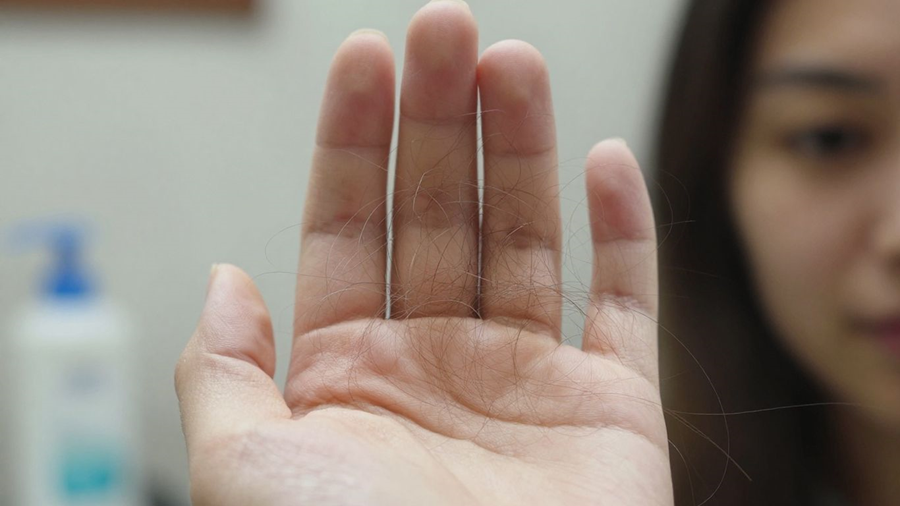
Then, it seemed like all of a sudden I was seeing more hair in my brush, on my pillow and even in the drain while showering. That’s a little scary, to say the least, and I’ve been trying to figure out what’s happening.
Genetics and Heredity
This is a huge one for many people, myself included. (“If my family saw major hair loss, I probably will too.”) It is commonly known as male-pattern baldness or female-pattern hair loss, and it is associated with aging. It’s just in my genes, and it’s a prevailing reason for hereditary hair loss.
Hormonal Imbalances
My hair is threatened around my hormones. Pregnancy, childbirth, menopause or thyroid issues can send my system reeling. It could definitely cause more hair to fall out than normal when my hormones are imbalanced. It’s one of the usual suspects behind shedding hair that I’m watching.
Nutritional Deficiencies
My diet directly reflects in my hair. My hair can suffer if I’m not getting enough iron, protein or other important vitamins and minerals. In rare instances, very low caloric restriction can lead to tremendous hair loss. It’s a reminder that healthy hair requires a well-rounded diet.
It’s a reminder that healthy hair requires a well-rounded diet, the same nutrients that show up in our best hair oil for hair growth guide work from the outside in, but they can’t replace what your diet needs to provide.
Lifestyle and Environmental Factors
My daily routine and environment also contribute. Smoking, for example, can cause inflammation that aggravates hair loss. Even some styles that tug on my hair, such as corn rows and extensions, can be damaging. Plus, harsh chemical treatments from color or perms can make my hair weak.
Stress is another big culprit; a very stressful event can lead to significant shedding a few months down the line. These are all major causes of excessive shedding (in me) that I can try to control.
This is enough to freak out about and a layman struggles to connect the dots on what could possibly be the reason behind hair fall. But knowing these common causes is the first step in seeking solutions. It’s about examining my body, my habits and my environment to find out what could be contributing to the issue.
Here are some of the common culprits:
- Genetics: Predisposition inherited from family.
- Hormonal Shifts: Pregnancy, menopause, thyroid problems.
- Dietary Gaps: Lack of iron, protein, or other vital nutrients.
- Stress: Significant emotional or physical stress events.
- Harsh Hair Practices: Tight hairstyles, chemical treatments, excessive heat.
- Medical Conditions: Certain illnesses or medications.
Does Stress Really Cause Hair Fall?
Yes, and this isn’t just anecdotal. A study published in the Journal of Investigative Dermatology, “Burden of Hair Loss: Stress and the Underestimated Psychosocial Impact of Telogen Effluvium and Androgenetic Alopecia” (Hadshiew et al.), specifically documented the connection between significant stress and telogen effluvium, the same shedding mechanism behind postpartum hair loss, just triggered by a different kind of physical or emotional strain.
The mechanism is genuinely similar to what happens after pregnancy: a major stressor, whether that’s illness, surgery, grief, or a prolonged period of high emotional strain, can push a larger-than-usual number of hairs into the shedding phase simultaneously. Because hair growth cycles are slow, this stress-related shedding often doesn’t show up until two to three months after the stressful event itself, which is part of why the connection can feel confusing or hard to pin down in the moment.
In my own experience, I didn’t connect a stretch of noticeably worse shedding to a stressful period at work until I looked back and realized the timing lined up almost exactly with that two-to-three-month delay. That lag is a real, documented feature of stress-related telogen effluvium, not a coincidence.
The reassuring part: like postpartum shedding, stress-related hair fall is almost always temporary. Once the stressor resolves and your body’s systems settle back down, hair typically returns to its normal growth pattern within a few months. Managing stress directly, through sleep, movement, or whatever genuinely works for you, is a legitimate part of addressing this type of shedding, not just a vague wellness suggestion.
Medical Treatments for Hair Fall
When I began noticing an increase in the amount of hair that was coming out in my brush compared to normal, I felt a bit lost. It’s easy to get panicked, but fortunately there exist bona fide medical treatments that can help. These aren’t so much quick fixes as tweaks that can help treat the deeper issues behind hair loss and thinning.
For many, particularly those struggling with hereditary hair loss such as male or female pattern baldness, topical minoxidil (a.k.a. Rogaine) is often the first port of call, it’s the only over-the-counter treatment currently approved by the FDA for hair loss, according to the American Academy of Dermatology.
You apply it topically, right to your scalp, and it can help slow hair loss down, or even spur some regrowth. It’s sold over-the-counter, which is relatively easy to find.
Then there’s finasteride, which is a prescription medication usually prescribed to men with male pattern baldness. It works in another way, by influencing hormones. This is something to discuss with a doctor to see if it’s appropriate for you.
The only other thing I’ve read about is Platelet-Rich Plasma or PRP therapy. That includes drawing your blood, treating it to extract platelets and then injecting that plasma back into your scalp. The theory is that these platelets aid in stimulating hair follicles and promoting new growth. That sounds a little intense, but many people swear by it for their slow-down of loss, and boosting regrowth.
For more extensive hair loss, follicle transplant surgery is a more complex process. Surgeons harvest hair from thicker parts of your scalp and transplant it to thinning spots. It’s a larger commitment in terms of price and recovery, but it can provide permanent results.
Here’s a quick look at some common medical approaches:
- Minoxidil: Topical treatment, available over-the-counter, for slowing loss and promoting regrowth.
- Finasteride: Prescription oral medication, primarily for men, that targets hormonal causes of hair loss.
- PRP Therapy: Involves injecting concentrated platelets from your own blood into the scalp to stimulate follicles.
- Hair Transplant Surgery: A surgical procedure to move hair from denser areas to thinning areas.
These medical cures are sometimes the best hair loss solutions after natural treatments for hair fall have failed. They may be especially effective for hair thinning and are among the most directed methods of growing back hair.
Hair Fall in Men vs. Women: Key Differences
I noticed while researching treatments that a lot of hair loss content is written as if it only affects men, and that’s genuinely inaccurate. Androgenetic alopecia (pattern hair loss) affects both sexes, but it shows up differently, and the treatment paths often diverge too.
In men, research consistently shows that androgenetic alopecia affects roughly 50% of men by age 50, and up to 80% by age 70. It typically follows a recognizable pattern, receding at the temples first, then thinning at the crown, eventually meeting in the middle for some men. Finasteride, a prescription medication, is commonly used specifically for male pattern baldness because it targets the hormone (DHT) most responsible for this pattern in men.
In women, pattern hair loss is also genuinely common, with research showing a notable rise in incidence after menopause, and prevalence climbing to over 50% in women over 80. But it presents differently: rather than a receding hairline, women typically see diffuse thinning at the crown and a widening part line, while the frontal hairline itself is usually preserved. Because of this different pattern and different hormonal drivers, finasteride isn’t typically the first-line option for women, treatment usually starts with topical minoxidil instead, and any hormone-related treatment needs a doctor’s guidance given how differently hormones function across sexes and life stages.
The practical takeaway: if you’re a woman experiencing gradual, pattern-based thinning rather than the diffuse, sudden hair fall covered elsewhere in this guide, it’s worth bringing up pattern hair loss specifically with a dermatologist, since it’s a real, common, and treatable condition in women too, not just something that happens to men.
Home Remedies to Stop Hair Fall
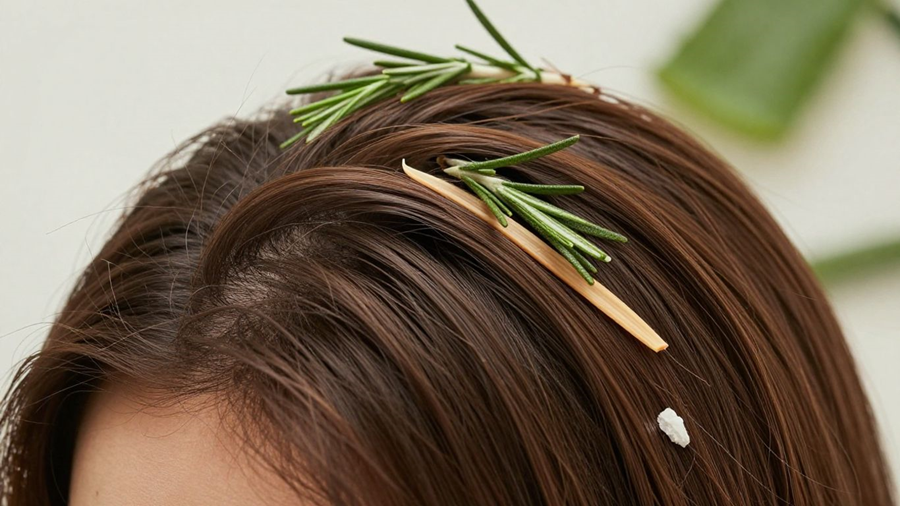
When more of my hair than usual started to show up in my brush, I freaked out a bit. It’s tempting to panic, but before you start buying every product on the store shelf, let’s go over some things you can attempt right in your home. Here are some of my favorite remedies for hair loss—focusing on natural, holistic options.
For one, diet matters a great deal. If your body is not getting the right fuel, you can’t expect healthy hair. So I learnt that protein is really important when it comes to hair growth. Lean meats, fish, eggs, beans and nuts. Iron is another big one; spinach, lentils and lean beef are good sources.” A lack of these in your diet will surely lead to hair fall.
Aside from diet, there are a few simple practices that can help. For example, I try to regularly massage my scalp. It’s really nice, and the thought is that it increases blood flow to the hair follicles. Others swear by essential oils mixed with a carrier oil such as coconut oil. Rosemary and lavender are often touted for their ability to stimulate hair growth. Just make sure you dilute them the right way, a few drops is often enough if mixed in with carrier oil, a tablespoon or so.
If you want a deeper look at which oils actually have real evidence behind them, our best hair oil for hair growth guide breaks down what’s worth trying.
Here are a few natural hair regrowth tips I’ve come across:
- Scalp Massage: Gently massage your scalp for a few minutes daily. You can do this dry or with a bit of warm oil.
- Aromatherapy Oils: Mix a few drops of rosemary or lavender essential oil with a carrier oil (like coconut or jojoba) and massage into your scalp. Leave it on for at least 30 minutes before washing.
- Protein-Rich Foods: Make sure your diet includes plenty of protein from sources like eggs, fish, nuts, and legumes.
- Iron-Rich Foods: Incorporate foods like spinach, lentils, and lean red meat to ensure adequate iron intake.
Patience is also key with these natural remedies. They aren’t magic bullets, and the results aren’t immediate. There is no one size fits all as what works for you may not work in exactly the same way for someone else. Take a softer approach, healer your body internally.
If you have been searching for natural remedies for thinning hair or even natural remedies for baldness, then these approaches could be a good place to start. They’re typically harmless, and they can promote overall hair health. If you’ve got major hair fall, however, a conversation with a doctor is always helpful to rule out any underlying medical issue. These natural treatments for preventing hair loss can help, but should be an addition to the care of a medical professional if your case requires it.
Diet and Nutrition Tips for Healthy Hair
I didn’t realize how much what I was eating impacted my hair until I started paying more attention. It turns out that eating the right foods has a real impact, not just in energy but in how my hair feels and looks. Hair health is directly linked to the nutrients with which I feed my body every single day.
Kitchen habits influence health outcomes, just like selecting efficient appliances from best kitchen appliances or best kitchen appliances for baking supports better daily routines.
Here’s a quick look at what really matters for hair when it comes to diet:
- Lean protein: My hair is made mostly of protein, so including chicken, eggs, beans, or nuts in meals helps keep it strong.
- Iron: Low iron can mean noticeable hair shedding. I try to load up on spinach, lentils, and sometimes lean red meat.
- Omega-3 fatty acids: For softer, shinier hair, I aim for salmon, walnuts, or flaxseed.
- Zinc and biotin: I notice more breakage when I skip on whole grains, seeds, and eggs.
- Vitamins A, D, and E: These vitamins support hair growth and scalp health. I snack on carrots, avocados, and fortified cereals.
Here’s a simple table I use for reference:
| Nutrient | Good Sources | Benefits to Hair |
|---|---|---|
| Protein | Eggs, fish, beans, nuts | Builds hair shaft |
| Iron | Spinach, lean beef, lentils | Prevents shedding |
| Omega-3 Fatty Acids | Salmon, walnuts, flaxseed | Adds shine, hydrates scalp |
| Zinc | Pumpkin seeds, chickpeas | Reduces breakage |
| Biotin | Eggs, whole grains | Promotes growth, strength |
To be honest, it’s not a special food (like carrots or nuts) that provides you with instant success, but incorporating the quantity of these into balanced eating provides for my hair long term so I see a gradual positive change. If you’ve been experiencing significant hair loss and have not made dietary changes, it may also be time to check in with a physician.
Hair Care Practices to Prevent Hair Fall
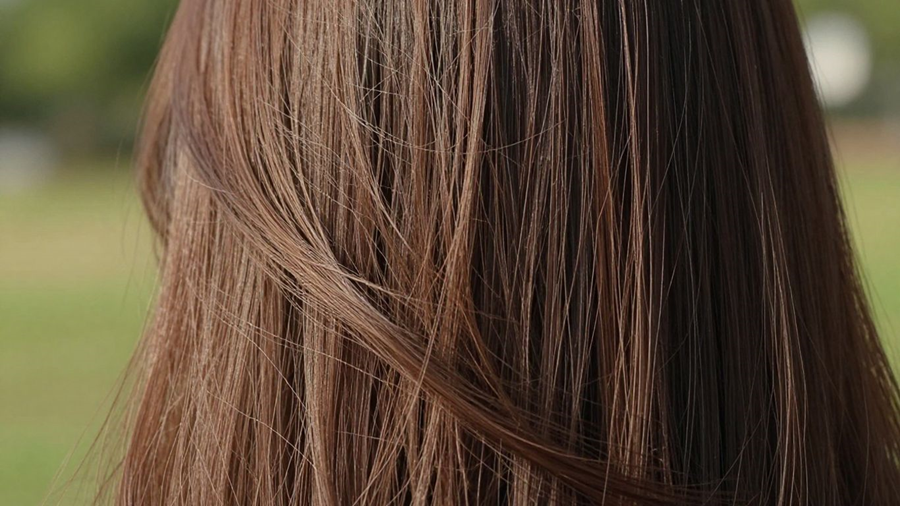
I always say that when it comes to keeping hair on your head and not in your brush or shower drain, little things add up. The right daily habits make all the difference when it comes to preventing hair thinning, and they’re easier to adopt than you’d think. Here’s what I personally do and recommend if you’re serious about preventing thinning hair:
I apply a moisturizing conditioner after every wash to prevent breakage. I’ll sometimes squeeze in a few pumps of leave-in conditioner, if my hair feels dry.
During the drying process, I put my hair in a microfiber towel and air dry when possible.Heat styling is not something I do very often, only for special occasions and always at the lowest setting, and when I do, having the right dryer for curly or textured hair makes a real difference in how much damage that occasional use actually causes.
My routine forbids tight ponytails, braids or buns. If you want to steer clear of traction alopecia (that’s hair loss due to pulling), ease up on those hairstyles.
I style with a wide-tooth comb or my fingers, avoiding rough brushing, particularly when I’m wet, as that’s when it breaks most easily.
Here’s a quick table I put together from my own routine for limiting damage. Trust me, it really helps:
| Good Habit | Bad Habit |
|---|---|
| Air-drying hair | Frequent use of hot tools |
| Loose hairstyles | Tight buns, braids, ponytails |
| Gentle detangling | Brushing wet hair aggressively |
What surprised me is how much extra hair I was able to hold on to when I treated my hair with a light hand, less heat, fewer chemicals, softer combs. Small tweaks became visible results over the months. If you follow these routines, you may see less hair on your brush and more on your head.
When to See a Doctor
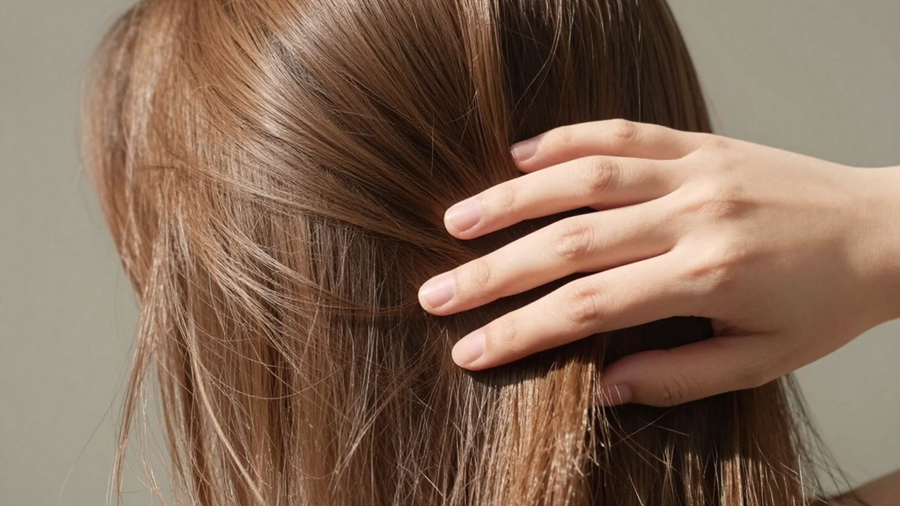
Though most hair fall issues can be treated with the help of at-home remedies and changes in lifestyle, there are circumstances where seeking professional medical help is paramount. If my hair loss happens suddenly or within a short period of time, or I see large bald spots forming, that’s a definite red flag for me.
Seek help anyway if the hair fall is associated with other symptoms such as itching, redness, scaling or pain in the scalp. In some cases, hair loss can be a symptom of an underlying health problem, such as a thyroid issue or nutritional deficiency, so it’s advisable not to just ignore those cues.
Here are some more scenarios when I’d schedule an appointment:
- You have a major uptick in shedding that doesn’t resolve after a few weeks.
- There are signs of infection on your scalp, such as sores or pus.
- You think your hair loss is linked to a new medication you’re on.
- You are feeling really upset because of the hair fall.
And do not hesitate to contact a doctor or dermatologist.” They will help determine the exact reason for your hair fall and suggest the optimum action plan. Finding a dermatologist who understands your concerns is essential for receiving the appropriate diagnosis and treatment plan. They can provide treatments beyond what you do at home, especially if it’s very specific, think conditions like alopecia areata or scalp infections.
Hair Fall Myths: What Actually Doesn’t Work
Between all the products and advice out there, a few persistent myths about hair loss keep circulating, and I fell for a couple of these myself before actually looking into the research. Here’s what the evidence actually says.
Being willing to say “this doesn’t actually work” matters as much as recommending what does, chasing a myth-based fix wastes time that could go toward something with real evidence behind it.
Wrapping Up: Taking Control of Your Hair Health
So, dealing with hair loss can feel like a real headache, can’t it? I’ve learned that it’s not just about finding some magic cure. It’s really about figuring out what’s going on with my body and hair. Whether that means making some changes to what I eat, being gentler with my hair, or even talking to a doctor, there are steps I can take.
It’s easy to get overwhelmed by all the products out there, but focusing on the basics, good nutrition, less stress, and proper hair care, seems like the most sensible path forward. If things don’t improve, I know seeing a dermatologist is the next best move to get personalized advice. Ultimately, I feel more hopeful knowing there are ways to manage this and hopefully see some positive changes.
Frequently Asked Questions
How much hair loss is normal?
It’s totally normal to lose about 50 to 100 hairs each day. My hair goes through a cycle, and new hairs grow to replace the ones I shed. When I start losing way more than that, or when fewer hairs grow back, that’s when it’s considered hair loss, or alopecia.
What are the main reasons for hair loss?
There are a bunch of reasons why I might be losing hair. It could be because of my genes, like if my parents experienced hair loss. Sometimes, it’s due to changes in my hormones, not getting enough important nutrients like iron or protein, or even stress from things like surgery or illness. Even certain hairstyles that pull my hair too tight can cause it to fall out.
Can I treat hair loss at home?
Yes, I can try some things at home! Eating foods rich in protein and iron, like beans, eggs, and lean meats, can help. Some people find that massaging their scalp or using certain oils, like pumpkin seed oil, might help. It’s also super important to be gentle with my hair – avoid super hot water, harsh chemicals, and tight hairstyles.
What kind of foods are good for my hair?
To keep my hair healthy, I need to eat a balanced diet. Foods packed with protein are key, so I’ll look for things like eggs, fish, nuts, and lean meats. Iron is also really important, so I’ll try to include spinach, lentils, and lean beef in my meals. Making sure I eat enough calories overall is important too!
Should I take hair growth supplements?
I need to be careful with supplements. The U.S. Food and Drug Administration (FDA) doesn’t really check these products before they go on the market, so their safety and how well they work aren’t guaranteed. In fact, getting too much of certain vitamins, like Vitamin A or E, can actually make hair loss worse. It’s best to talk to a doctor before I start taking any supplements.
When should I see a doctor about my hair loss?
If I’m worried about how much hair I’m losing, or if I notice sudden, excessive shedding, it’s a good idea to see a doctor. Also, if I have a burning or itchy scalp, or if I’m losing hair from my body as well as my head, I should definitely make an appointment. A doctor, especially a dermatologist, can help figure out the exact cause and the best way to help me.