How to Stop Hair Fall: Causes, Treatments & Home Remedies
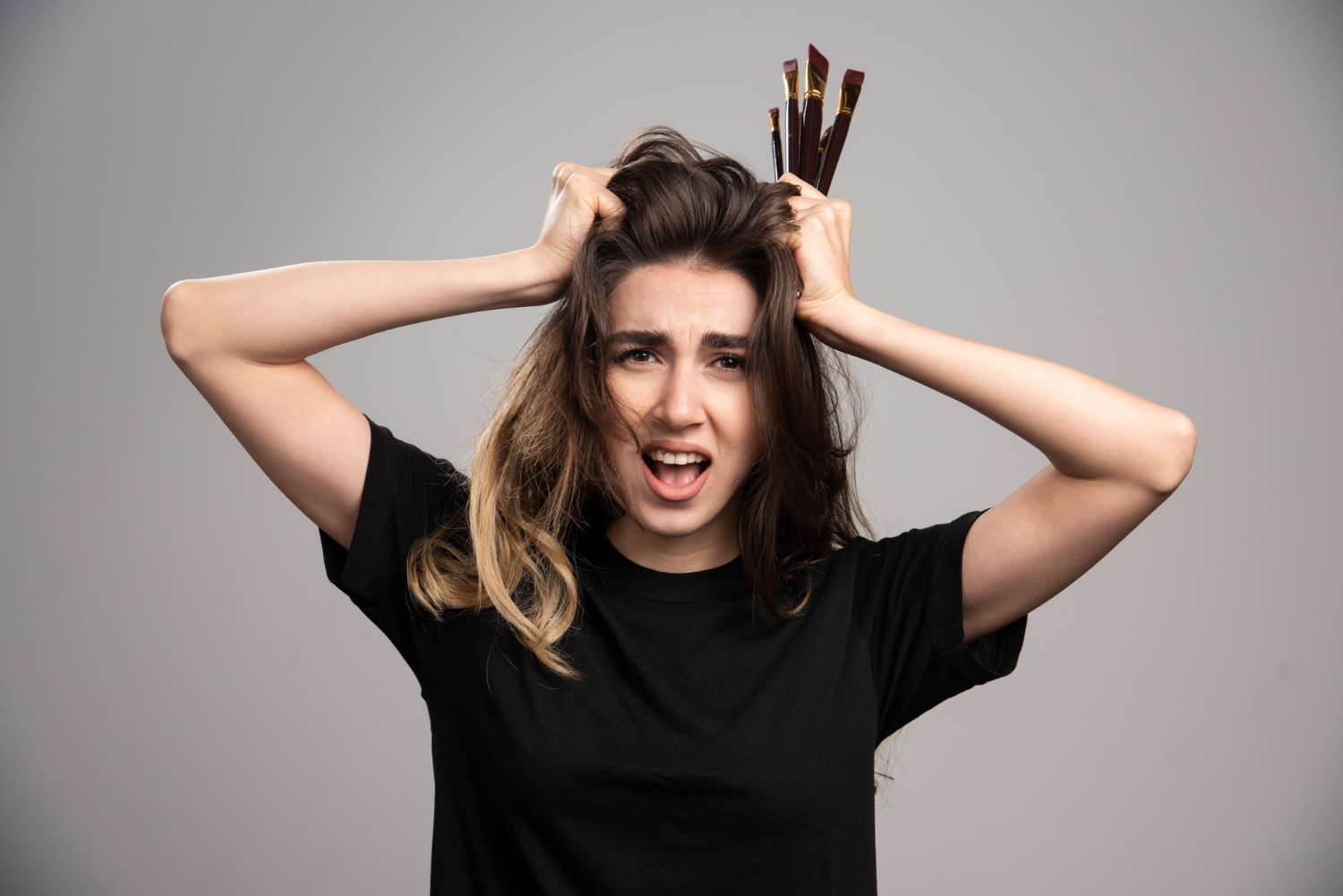
Hair fall is something I’ve dealt with on and off for years. At first, I just tried to ignore it, hoping it would stop on its own. But seeing more hair in the shower drain every morning made me worry. I tried changing shampoos, eating more veggies, and even cutting back on heat styling, but nothing seemed to work right away.
Figuring out how to stop hair fall can feel overwhelming, especially with so many products and tips out there. In this article, I want to walk through what I’ve learned about why hair falls out, what treatments are out there, and some simple things you can do at home that might actually help.
Key Takeaways
- Figuring out the cause of hair fall is the first step, sometimes it’s genetics, sometimes it’s diet, stress, or something else.
- Gentle hair care and avoiding harsh treatments can make a big difference in reducing hair loss.
- There are medical treatments like minoxidil and finasteride, but it’s important to talk to a doctor before starting anything new.
- Eating a balanced diet with enough protein and iron can help support healthy hair growth.
- If hair loss is sudden, severe, or comes with other symptoms, it’s smart to see a dermatologist to rule out any health problems.
Understanding Hair Fall: What Is Normal vs. Excessive
I used to worry every time I found a bunch of hair in my shower drain, but it turns out that some hair loss is just part of the normal cycle of this body part’s life. It’s normal for most people to lose around 50 to 100 hairs each day. That may seem like a lot, particularly when you see strands on your pillow or in your hair brush, but if new hair is sprouting in its place it’s simply what our bodies do.
But how do you know if what you’re going through is too much? Here’s a quick rundown:
- If your hair appears to be thinning significantly overall.
- If you notice bald patches or random areas where locks are missing.
- If you notice a lot more hair coming out than normal when washing or brushing.
Sometimes daily routines and lifestyle habits affect hair health more than we realize, similar to how home comfort influences productivity, like creating relaxing spaces with reading nook ideas or improving indoor comfort with small apartment ideas.
| Type | Normal Amount | Warning Signs |
|---|---|---|
| Daily Shedding | 50-100 hairs | Sudden increase in fallout |
| Hair Loss | Varies | Patches, thinning, no regrowth |
When I first noticed that my ponytail seemed noticeably thinner, I began counting the hairs that came out every day, hoping it was just in my head. If you’re worried because you’re shedding more than 100 hairs a day, or if there’s a sudden dramatic change in how thick your hair is, that’s a good reason to pay attention and possibly consult with a doctor.
Bottom line: you lose hair, it’s a part of life, but if something feels wrong like when the hairs caught in your brush are more than what was there before or when you notice your part widening, it might be time to take a closer look at what’s going on.
Common Causes of Hair Fall
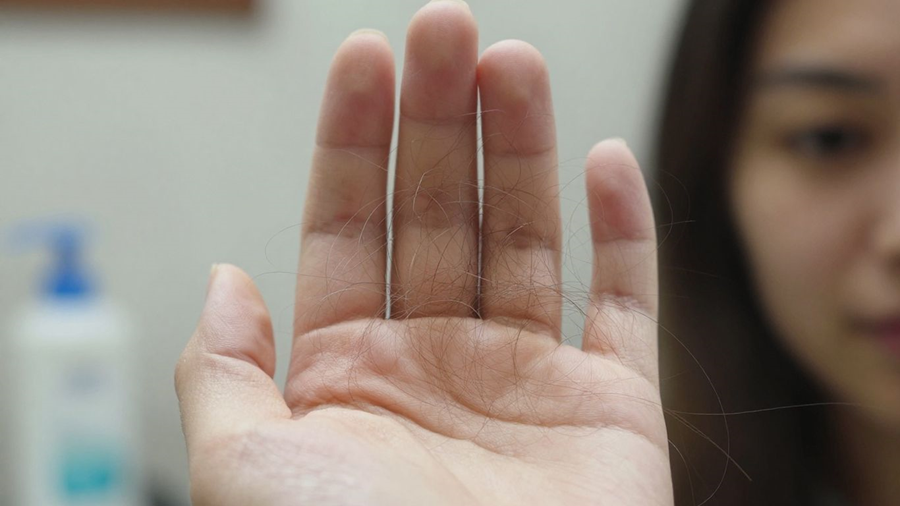
Then, it seemed like all of a sudden I was seeing more hair in my brush, on my pillow and even in the drain while showering. That’s a little scary, to say the least, and I’ve been trying to figure out what’s happening.
Just like troubleshooting problems while working on DIY projects such as how to sew an apron or how to make a simple tote bag at home, identifying the root cause is essential before applying a solution.
Genetics and Heredity
This is a huge one for many people, myself included. (“If my family saw major hair loss, I probably will too.”) It is commonly known as male-pattern baldness or female-pattern hair loss, and it is associated with aging. It’s just in my genes, and it’s a prevailing reason for hereditary hair loss.
Hormonal Imbalances
My hair is threatened around my hormones. Pregnancy, childbirth, menopause or thyroid issues can send my system reeling. It could definitely cause more hair to fall out than normal when my hormones are imbalanced. It’s one of the usual suspects behind shedding hair that I’m watching.
Nutritional Deficiencies
My diet directly reflects in my hair. My hair can suffer if I’m not getting enough iron, protein or other important vitamins and minerals. In rare instances, very low caloric restriction can lead to tremendous hair loss. It’s a reminder that healthy hair requires a well-rounded diet.
Healthy nutrition matters, just like using the right tools from beginner-friendly kits such as sewing kits for beginners you can buy online helps improve learning results.
Lifestyle and Environmental Factors
My daily routine and environment also contribute. Smoking, for example, can cause inflammation that aggravates hair loss. Even some styles that tug on my hair, such as corn rows and extensions, can be damaging. Plus, harsh chemical treatments from color or perms can make my hair weak.
Stress is another big culprit; a very stressful event can lead to significant shedding a few months down the line. These are all major causes of excessive shedding (in me) that I can try to control.
This is enough to freak out about and a layman struggles to connect the dots on what could possibly be the reason behind hair fall. But knowing these common causes is the first step in seeking solutions. It’s about examining my body, my habits and my environment to find out what could be contributing to the issue.
Here are some of the common culprits:
- Genetics: Predisposition inherited from family.
- Hormonal Shifts: Pregnancy, menopause, thyroid problems.
- Dietary Gaps: Lack of iron, protein, or other vital nutrients.
- Stress: Significant emotional or physical stress events.
- Harsh Hair Practices: Tight hairstyles, chemical treatments, excessive heat.
- Medical Conditions: Certain illnesses or medications.
Medical Treatments for Hair Fall
When I began noticing an increase in the amount of hair that was coming out in my brush compared to normal, I felt a bit lost. It’s easy to get panicked, but fortunately there exist bona fide medical treatments that can help. These aren’t so much quick fixes as tweaks that can help treat the deeper issues behind hair loss and thinning.
For many, particularly those struggling with hereditary hair loss such as male or female pattern baldness, topical minoxidil (a.k.a. Rogaine) is often the first port of call. You apply it topically, right to your scalp, and it can help slow hair loss down, or even spur some regrowth. It’s sold over-the-counter, which is relatively easy to find.
Then there’s finasteride, which is a prescription medication usually prescribed to men with male pattern baldness. It works in another way, by influencing hormones. This is something to discuss with a doctor to see if it’s appropriate for you.
The only other thing I’ve read about is Platelet-Rich Plasma or PRP therapy. That includes drawing your blood, treating it to extract platelets and then injecting that plasma back into your scalp. The theory is that these platelets aid in stimulating hair follicles and promoting new growth. That sounds a little intense, but many people swear by it for their slow-down of loss, and boosting regrowth.
For more extensive hair loss, follicle transplant surgery is a more complex process. Surgeons harvest hair from thicker parts of your scalp and transplant it to thinning spots. It’s a larger commitment in terms of price and recovery, but it can provide permanent results.
Here’s a quick look at some common medical approaches:
- Minoxidil: Topical treatment, available over-the-counter, for slowing loss and promoting regrowth.
- Finasteride: Prescription oral medication, primarily for men, that targets hormonal causes of hair loss.
- PRP Therapy: Involves injecting concentrated platelets from your own blood into the scalp to stimulate follicles.
- Hair Transplant Surgery: A surgical procedure to move hair from denser areas to thinning areas.
These medical cures are sometimes the best hair loss solutions after natural treatments for hair fall have failed. They may be especially effective for hair thinning and are among the most directed methods of growing back hair.
Home Remedies to Stop Hair Fall
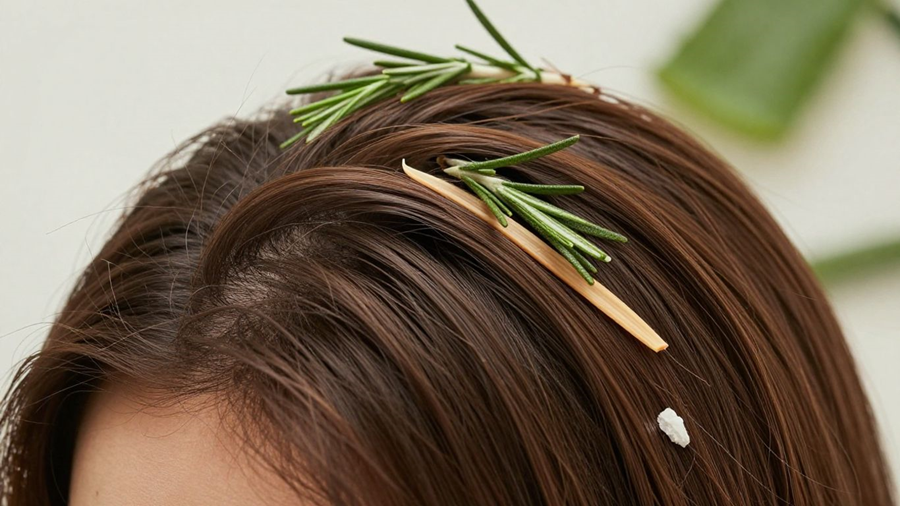
When more of my hair than usual started to show up in my brush, I freaked out a bit. It’s tempting to panic, but before you start buying every product on the store shelf, let’s go over some things you can attempt right in your home. Here are some of my favorite remedies for hair loss—focusing on natural, holistic options.
For one, diet matters a great deal. If your body is not getting the right fuel, you can’t expect healthy hair. So I learnt that protein is really important when it comes to hair growth. Lean meats, fish, eggs, beans and nuts. Iron is another big one; spinach, lentils and lean beef are good sources.” A lack of these in your diet will surely lead to hair fall.
Aside from diet, there are a few simple practices that can help. For example, I try to regularly massage my scalp. It’s really nice, and the thought is that it increases blood flow to the hair follicles. Others swear by essential oils mixed with a carrier oil such as coconut oil. Rosemary and lavender are often touted for their ability to stimulate hair growth. Just make sure you dilute them the right way, a few drops is often enough if mixed in with carrier oil, a tablespoon or so.
Healthy routines matter in everyday life, just like choosing the right essentials such as best sewing box helps keep tools organized and accessible.
Here are a few natural hair regrowth tips I’ve come across:
- Scalp Massage: Gently massage your scalp for a few minutes daily. You can do this dry or with a bit of warm oil.
- Aromatherapy Oils: Mix a few drops of rosemary or lavender essential oil with a carrier oil (like coconut or jojoba) and massage into your scalp. Leave it on for at least 30 minutes before washing.
- Protein-Rich Foods: Make sure your diet includes plenty of protein from sources like eggs, fish, nuts, and legumes.
- Iron-Rich Foods: Incorporate foods like spinach, lentils, and lean red meat to ensure adequate iron intake.
Patience is also key with these natural remedies. They aren’t magic bullets, and the results aren’t immediate. There is no one size fits all as what works for you may not work in exactly the same way for someone else. Take a softer approach, healer your body internally.
If you have been searching for natural remedies for thinning hair or even natural remedies for baldness, then these approaches could be a good place to start. They’re typically harmless, and they can promote overall hair health. If you’ve got major hair fall, however, a conversation with a doctor is always helpful to rule out any underlying medical issue. These natural treatments for preventing hair loss can help, but should be an addition to the care of a medical professional if your case requires it.
Diet and Nutrition Tips for Healthy Hair
I didn’t realize how much what I was eating impacted my hair until I started paying more attention. It turns out that eating the right foods has a real impact, not just in energy but in how my hair feels and looks. Hair health is directly linked to the nutrients with which I feed my body every single day.
Kitchen habits influence health outcomes, just like selecting efficient appliances from best kitchen appliances or best kitchen appliances for baking supports better daily routines.
Here’s a quick look at what really matters for hair when it comes to diet:
- Lean protein: My hair is made mostly of protein, so including chicken, eggs, beans, or nuts in meals helps keep it strong.
- Iron: Low iron can mean noticeable hair shedding. I try to load up on spinach, lentils, and sometimes lean red meat.
- Omega-3 fatty acids: For softer, shinier hair, I aim for salmon, walnuts, or flaxseed.
- Zinc and biotin: I notice more breakage when I skip on whole grains, seeds, and eggs.
- Vitamins A, D, and E: These vitamins support hair growth and scalp health. I snack on carrots, avocados, and fortified cereals.
Here’s a simple table I use for reference:
| Nutrient | Good Sources | Benefits to Hair |
|---|---|---|
| Protein | Eggs, fish, beans, nuts | Builds hair shaft |
| Iron | Spinach, lean beef, lentils | Prevents shedding |
| Omega-3 Fatty Acids | Salmon, walnuts, flaxseed | Adds shine, hydrates scalp |
| Zinc | Pumpkin seeds, chickpeas | Reduces breakage |
| Biotin | Eggs, whole grains | Promotes growth, strength |
To be honest, it’s not a special food (like carrots or nuts) that provides you with instant success, but incorporating the quantity of these into balanced eating provides for my hair long term so I see a gradual positive change. If you’ve been experiencing significant hair loss and have not made dietary changes, it may also be time to check in with a physician.
Hair Care Practices to Prevent Hair Fall
I always say that when it comes to keeping hair on your head and not in your brush or shower drain, little things add up. The right daily habits make all the difference when it comes to preventing hair thinning, and they’re easier to adopt than you’d think. Here’s what I personally do and recommend if you’re serious about preventing thinning hair:
I do a gentle wash with a mild shampoo, avoiding anything that strips moisture or contains many harsh chemicals. This facilitates preventing thinning hair.
I apply a moisturizing conditioner after every wash to prevent breakage. I’ll sometimes squeeze in a few pumps of leave-in conditioner, if my hair feels dry.
During the drying process, I put my hair in a microfiber towel and air dry when possible. Heat styling is not something I do very often, only for special occasions and always at the lowest setting.
My routine forbids tight ponytails, braids or buns. If you want to steer clear of traction alopecia (that’s hair loss due to pulling), ease up on those hairstyles.
I style with a wide-tooth comb or my fingers, avoiding rough brushing, particularly when I’m wet, as that’s when it breaks most easily.
Here’s a quick table I put together from my own routine for limiting damage. Trust me, it really helps:
| Good Habit | Bad Habit |
|---|---|
| Air-drying hair | Frequent use of hot tools |
| Loose hairstyles | Tight buns, braids, ponytails |
| Gentle detangling | Brushing wet hair aggressively |
What surprised me is how much extra hair I was able to hold on to when I treated my hair with a light hand, less heat, fewer chemicals, softer combs. Small tweaks became visible results over the months. If you follow these routines, you may see less hair on your brush and more on your head.
When to See a Doctor
Though most hair fall issues can be treated with the help of at-home remedies and changes in lifestyle, there are circumstances where seeking professional medical help is paramount. If my hair loss happens suddenly or within a short period of time, or I see large bald spots forming, that’s a definite red flag for me.
Seek help anyway if the hair fall is associated with other symptoms such as itching, redness, scaling or pain in the scalp. In some cases, hair loss can be a symptom of an underlying health problem, such as a thyroid issue or nutritional deficiency, so it’s advisable not to just ignore those cues.
Here are some more scenarios when I’d schedule an appointment:
- You have a major uptick in shedding that doesn’t resolve after a few weeks.
- There are signs of infection on your scalp, such as sores or pus.
- You think your hair loss is linked to a new medication you’re on.
- You are feeling really upset because of the hair fall.
And do not hesitate to contact a doctor or dermatologist.” They will help determine the exact reason for your hair fall and suggest the optimum action plan. Finding a dermatologist who understands your concerns is essential for receiving the appropriate diagnosis and treatment plan. They can provide treatments beyond what you do at home, especially if it’s very specific, think conditions like alopecia areata or scalp infections.
Wrapping Up: Taking Control of Your Hair Health
So, dealing with hair loss can feel like a real headache, can’t it? I’ve learned that it’s not just about finding some magic cure. It’s really about figuring out what’s going on with my body and hair. Whether that means making some changes to what I eat, being gentler with my hair, or even talking to a doctor, there are steps I can take.
It’s easy to get overwhelmed by all the products out there, but focusing on the basics, good nutrition, less stress, and proper hair care, seems like the most sensible path forward. If things don’t improve, I know seeing a dermatologist is the next best move to get personalized advice. Ultimately, I feel more hopeful knowing there are ways to manage this and hopefully see some positive changes.
Healthy routines influence many aspects of daily life, similar to improving living spaces using window treatment ideas or optimizing comfort through kitchen lighting ideas.
Frequently Asked Questions
How much hair loss is normal?
It’s totally normal to lose about 50 to 100 hairs each day. My hair goes through a cycle, and new hairs grow to replace the ones I shed. When I start losing way more than that, or when fewer hairs grow back, that’s when it’s considered hair loss, or alopecia.
What are the main reasons for hair loss?
There are a bunch of reasons why I might be losing hair. It could be because of my genes, like if my parents experienced hair loss. Sometimes, it’s due to changes in my hormones, not getting enough important nutrients like iron or protein, or even stress from things like surgery or illness. Even certain hairstyles that pull my hair too tight can cause it to fall out.
Can I treat hair loss at home?
Yes, I can try some things at home! Eating foods rich in protein and iron, like beans, eggs, and lean meats, can help. Some people find that massaging their scalp or using certain oils, like pumpkin seed oil, might help. It’s also super important to be gentle with my hair – avoid super hot water, harsh chemicals, and tight hairstyles.
What kind of foods are good for my hair?
To keep my hair healthy, I need to eat a balanced diet. Foods packed with protein are key, so I’ll look for things like eggs, fish, nuts, and lean meats. Iron is also really important, so I’ll try to include spinach, lentils, and lean beef in my meals. Making sure I eat enough calories overall is important too!
Should I take hair growth supplements?
I need to be careful with supplements. The U.S. Food and Drug Administration (FDA) doesn’t really check these products before they go on the market, so their safety and how well they work aren’t guaranteed. In fact, getting too much of certain vitamins, like Vitamin A or E, can actually make hair loss worse. It’s best to talk to a doctor before I start taking any supplements.
When should I see a doctor about my hair loss?
If I’m worried about how much hair I’m losing, or if I notice sudden, excessive shedding, it’s a good idea to see a doctor. Also, if I have a burning or itchy scalp, or if I’m losing hair from my body as well as my head, I should definitely make an appointment. A doctor, especially a dermatologist, can help figure out the exact cause and the best way to help me.