Best Hair Oil for Hair Growth: Top Rated Oils for Healthy Hair
I’ve always been curious about what actually works when it comes to hair growth. You see so many products and oils out there, all promising to give you thicker, healthier hair. After trying a handful myself (and getting mixed results), I decided to really look into it.
In this article, I’ll walk you through what I found about the best hair oil for hair growth, what’s in them, and which ones are actually worth your time and money. If you’re tired of falling for the hype, this guide is for you.
Key Takeaways
- Not all hair oils are created equal; some have more evidence behind them than others.
- Look for oils with ingredients like rosemary, castor, and argan for the best shot at supporting hair growth.
- The way you apply hair oil matters; massage it into your scalp and don’t overdo it.
- Your hair type plays a big role in which oil will work best for you.
- Hair oils can help with scalp health and hair strength, but they’re not miracle fixes.
Why Use Hair Oil for Hair Growth?
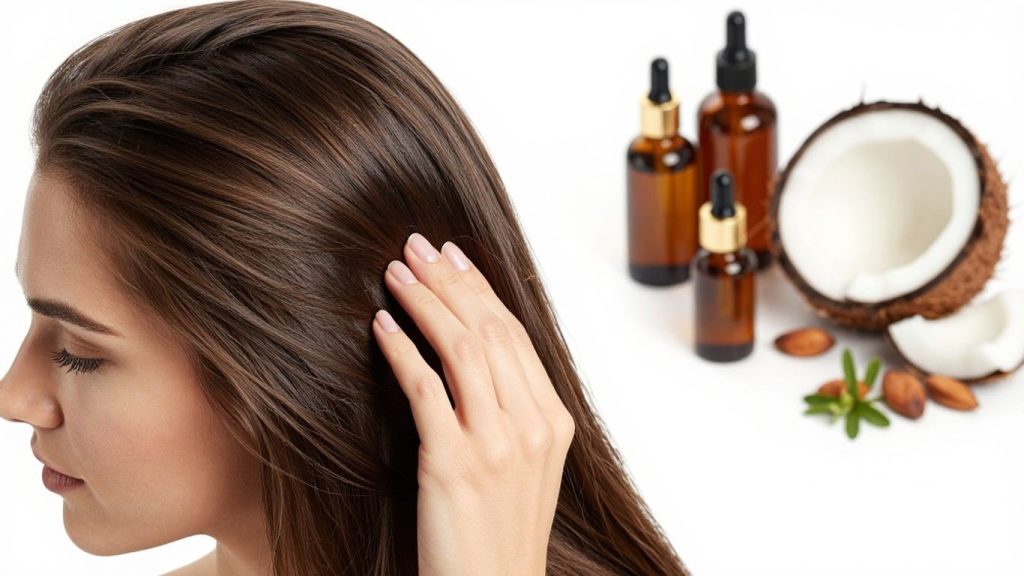
I’ve been researching how to get my hair thicker and healthier, and honestly, it’s kind of a rabbit hole. One common piece of advice that comes up is applying hair oils. It makes sense, right? Our scalps create natural oils, so why wouldn’t it just be a good thing to add more?
Hair oils can be a wonderful way to assist your hair in becoming healthier and possibly thicker. Often considered natural cures for hair loss, while they’re not magic bullets, they can certainly work. It’s like a spa treatment for the scalp. A healthy scalp means happy hair follicles, and that’s a natural way to encourage hair growth.
Just like understanding the basics in sewing machine parts helps you sew better, knowing how oils affect your scalp helps you grow healthier hair.
Here’s a bit of what I’ve learned about why these oils are so popular:
- Scalp Food: Many oils contain vitamins and fatty acids that can nourish your scalp. A scalp that is well nourished lays the groundwork for strong hair.
- Enhanced Circulation: Certain oils, such as peppermint or rosemary, tingle on the scalp and theoretically increase blood flow. Improved blood circulation ensures that your hair follicles get more nutrients and oxygen.
- The Need for Moisture: Dry, chip hair breaks off easily. Oils can form a protective layer that prevents your hair from losing moisture, which helps it to become more manageable.
- Soothing Inflammation: A scalp in a great mood is a happy scalp. Certain oils are known to calm problems such as irritation and inflammation, both of which can, in some cases, prevent hair from growing.
But it’s not a matter of just slathering whatever oil you have on your noggin. The actual benefit is in knowing how various oils work with your scalp and hair. It seems that whenever scalp health is addressed, there’s also an emphasis on hair growth.
So while you may not see results overnight, adding the right hair oils to your routine can actually be a very good step for overall hair and promote hair growth naturally.
How to Choose the Best Hair Oil for Your Hair Type
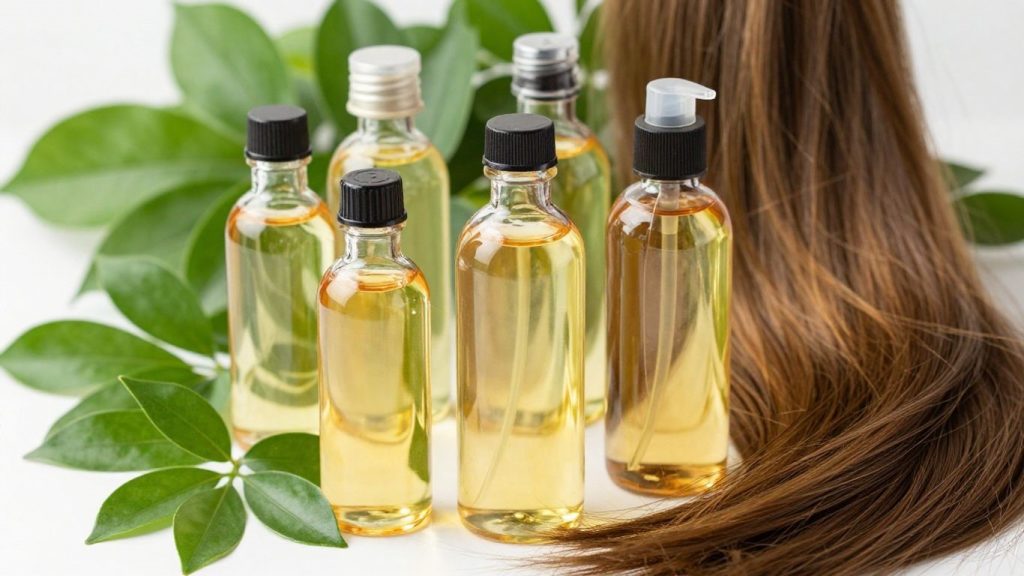
Choosing a hair oil isn’t as simple as picking up the first shiny bottle off the shelf. I’ve realized it has everything to do with paying attention to what my hair actually needs and how it acts. One big thing I’ve realized: Your hair type has a lot to do with what will work best and what might leave you frustrated.
This reminds me of choosing the right machine in best quilting sewing machine—the right tool makes all the difference.
Here’s what usually guides my search:
- When I have fine or limp strands, I choose lightweight oils such as argan and jojoba. These don’t leave my hair feeling weighted down or greasy looking.
- Heavier oils such as coconut or castor oil seem to provide increased moisture and manageability for coarser, thicker, or curlier hair.
- If my scalp is dry or itchy, I find that sometimes switching to oils that soothe (such as tea tree or almond) works better than I’d expect.
- If I’m heat styling a ton, I look for oils that add some sort of heat protection, usually, stuff with added silicones, but when this happens, I ensure to clarify my hair regularly so there’s not too much buildup.
- For color or chemical treatments, I’ve found that mending oils like olive or marula give my strands more supple continuity in the interim of salon sessions.
Here’s a quick table I made for myself:
| Hair Type | Best Oil Choices |
| Fine/Thin | Argan, Grapeseed |
| Thick/Coarse | Coconut, Castor |
| Curly/Coily | Shea, Avocado |
| Dry/Flaky Scalp | Almond, Tea Tree |
| Color-Treated | Marula, Olive |
Then I always test a new oil out on a small patch of scalp before going all in, just to make sure it agrees with me; no one likes an itchy surprise.
The truth is, some trial and error is inevitable, but spending five minutes matching oil properties with what my hair actually needs prevents all of those greasy disasters or wasting products.
Key Ingredients to Look for in Hair Oils
Whenever I am seeking a hair oil that is claimed to promote growth, the first thing I look for is the ingredient list. It makes it willful in the sense that I need to know what I’m actually getting and why it could be helpful. Some ingredients are pretty straightforward, such as some plant-based oils that have moisturizing properties. These can help maintain scalp health, which is a huge factor in hair growth, you know?
Several ingredients keep coming up in hair growth-promoting products that I’ve seen. Anything like castor oil is massive. It’s thick and rich, and people swear it makes hair look fuller and grow more quickly. Then there’s rosemary oil. Danish, want to be a bidder: A few months back, I read some interesting stuff about how it could help circulation on the scalp, which can lead to new growth. It’s one of those hair-growth natural oils that has some support.
Understanding ingredients is similar to picking the right tools from sewing kits for beginners you can buy online—quality matters.
Here are some ingredients I tend to look for:
- Castor Oil: A classic. It’s full of ricinoleic acid, which is believed to promote hair growth and fullness. It’s also really moisturizing.
- Rosemary Oil: Research has shown that it can be as effective as minoxidil for certain individuals, which is quite the feat for a natural ingredient. He is believed to stimulate blood circulation in the scalp.
- Peppermint Oil: Like rosemary, it can create a tingly feeling on the scalp, which may translate to improved blood flow. I find it invigorating.
- Biotin: Available in supplements, biotin is also common in products applied to the hair. It is a B vitamin that is essential for hair health.
- Argan Oil: This one is good for conditioning and shine. Though it won’t necessarily promote growth, healthily moisturized hair is less prone to breakage, and therefore helps keep length.
Not all oils are made precisely the same, and one particular oil performs well for one person, but could not work well for another. At times, it’s better to go for a product that contains some of these beneficial ingredients combined. I prefer oils that are cold-pressed and unrefined when I can get them, since these retain more of their virtue.
I look for antioxidants like Vitamin E, and for other plant extracts that have good nourishing properties. The hope is to find a mixture that both nourishes the scalp and fortifies the hair shaft. If a product lists long-ago-sounding synthetic chemicals I don’t know, I usually pass. Especially when I’m trying to promote healthy hair growth, I’d prefer to keep it as natural as possible whenever I can.
Top-Rated Hair Oils for Hair Growth
If you’re as obsessive about real solutions for growth as I am, there aren’t many (if any) so-called “miracle” products that you haven’t put through the paces. And the truth is that with so many options, finding the right hair oil can feel tricky, especially if you’re experiencing thinning locks or simply want a boost in speeding up your steps to long strands.
I’ve tested and researched and read enough, so here’s an honest roundup of hair growth oils for thinning hair & healthy regrowth. There’s a lot of hype (and marketing nonsense) out there. Let’s make it simple and real.
1. Olaplex Nº. 7 Bonding Oil: High Shine | Heat Protectant
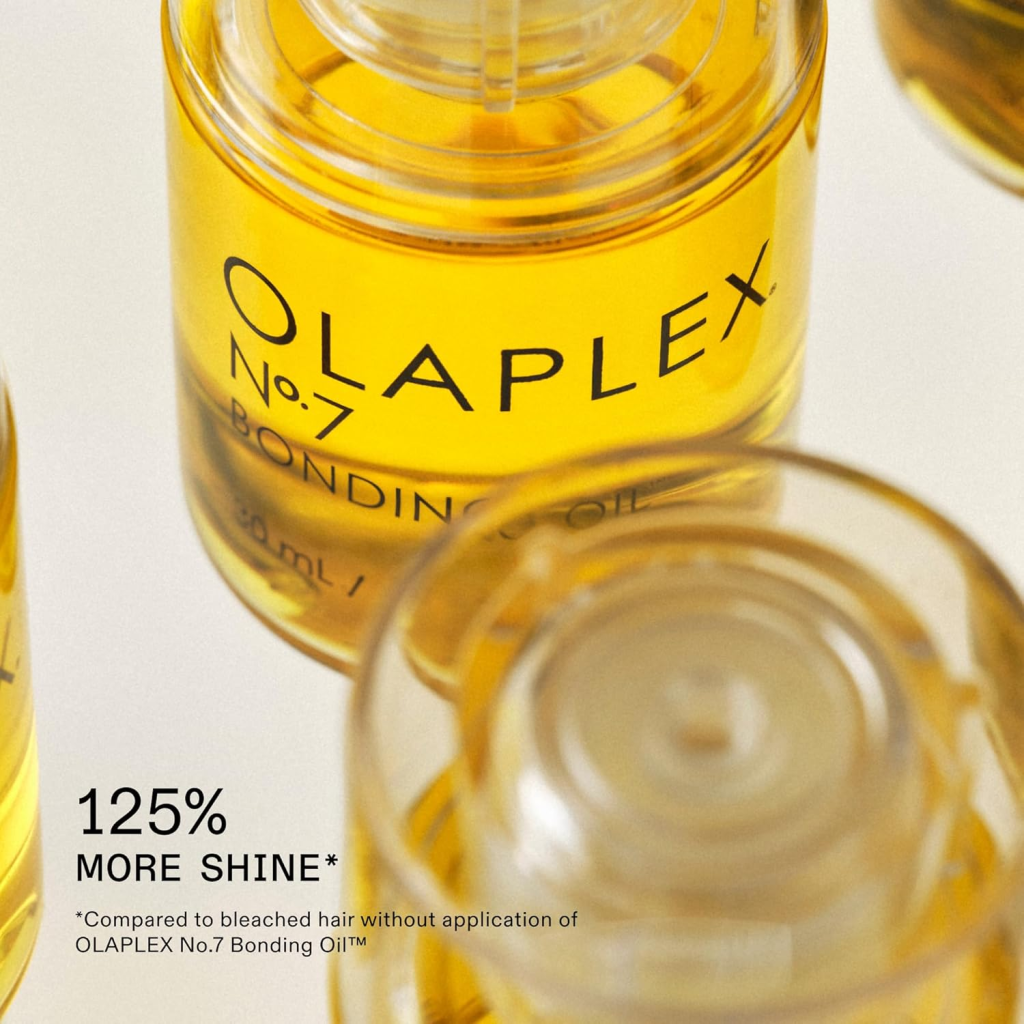
This has become my go-to if I’m after strong, shiny hair with less frizz. The real underlying benefit here isn’t just growth, though; it also helps protect hair from heat, amps up shine, and (somehow) can make three-day-old hair look smooth. I’d love the fact that it works on curly, coily, straight, and wavy hair. If you dye your hair frequently, this oil helps keep things bright.
Best for:
- Anyone using heat tools a lot
- Color-treated hair needing extra shine
- People who want a weightless, non-greasy finish
2. Raw Batana Oil for Hair Growth – 100% Pure, Organic
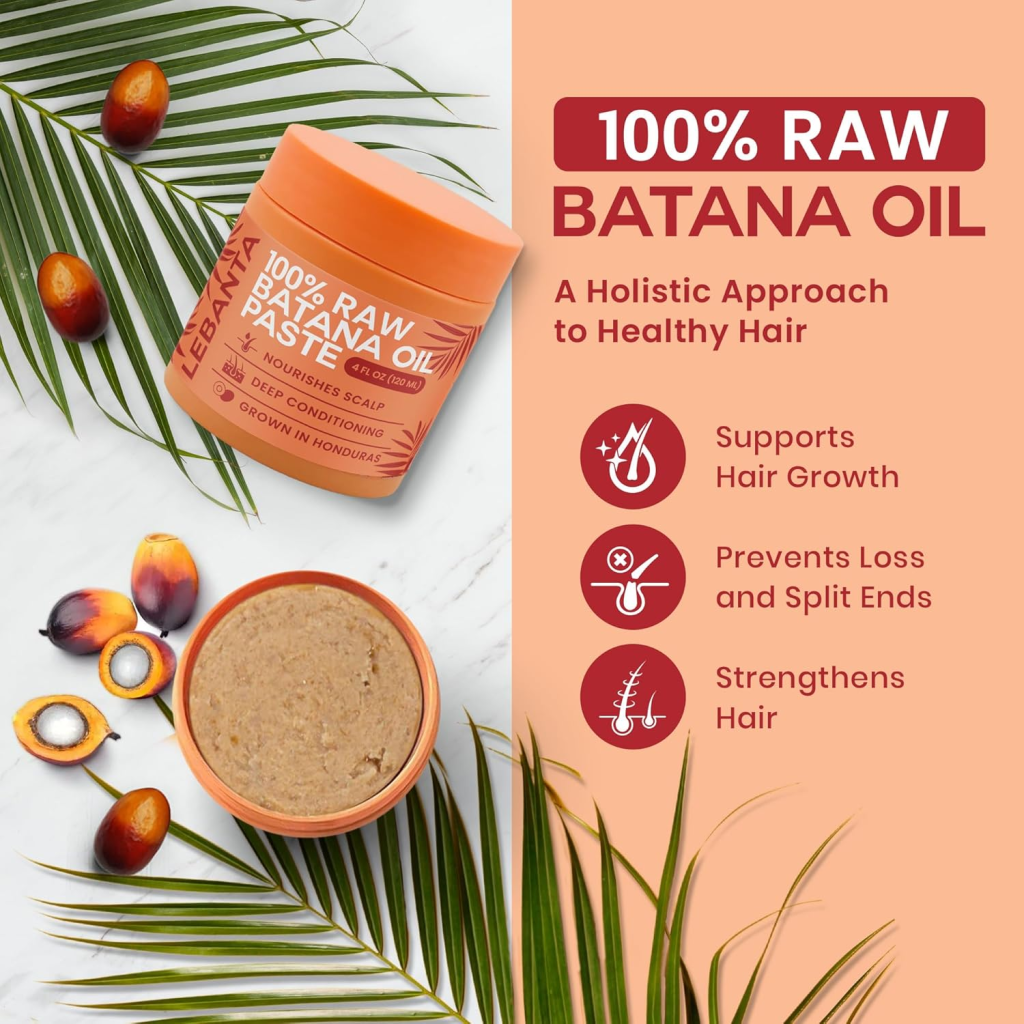
The hype around batana oil is real, it’s one of those underground secrets from Honduras that’s starting to get big. It’s super thick, very earthy, and amazing for dry, thinning hair. I like using it as a scalp mask; it feels nourishing and helps with breakage.
Key benefits:
- Nurtures a dry, flaky scalp
- Makes hair look fuller over time
- Totally natural, no additives
3. Kate Blanc Cosmetics Castor Oil Organic
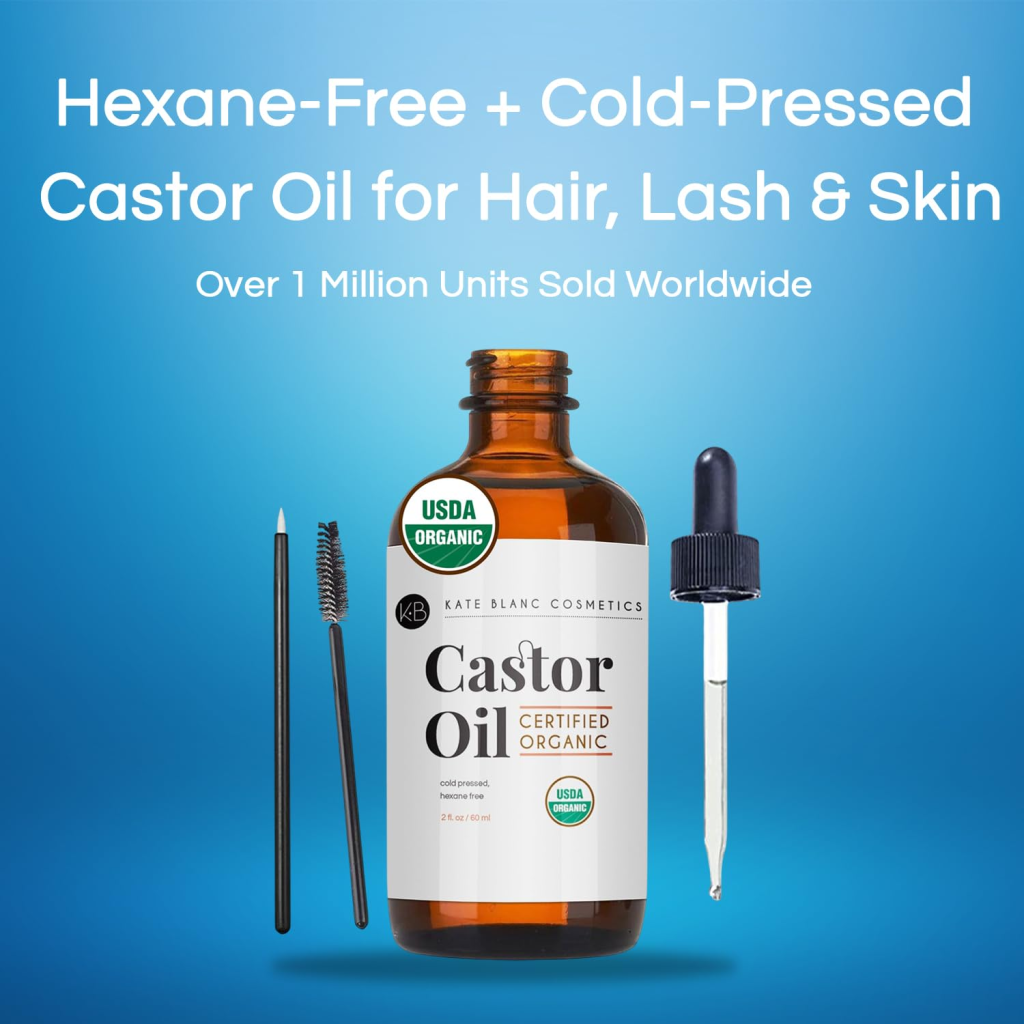
Castor oil is a staple for natural remedies for faster hair growth. I use it for my brows and lashes too! The thickness can be a bit much, but I saw fewer baby hairs falling out after a month of regular use. It’s a pure, cold-pressed option, which matters when you want the real stuff.
Who it’s for:
- Anyone with thinning edges or breakage
- People wanting a double-duty oil for brows/eyelashes
- Those chasing thicker-looking strands
4. Moroccanoil Treatment Hair Oil
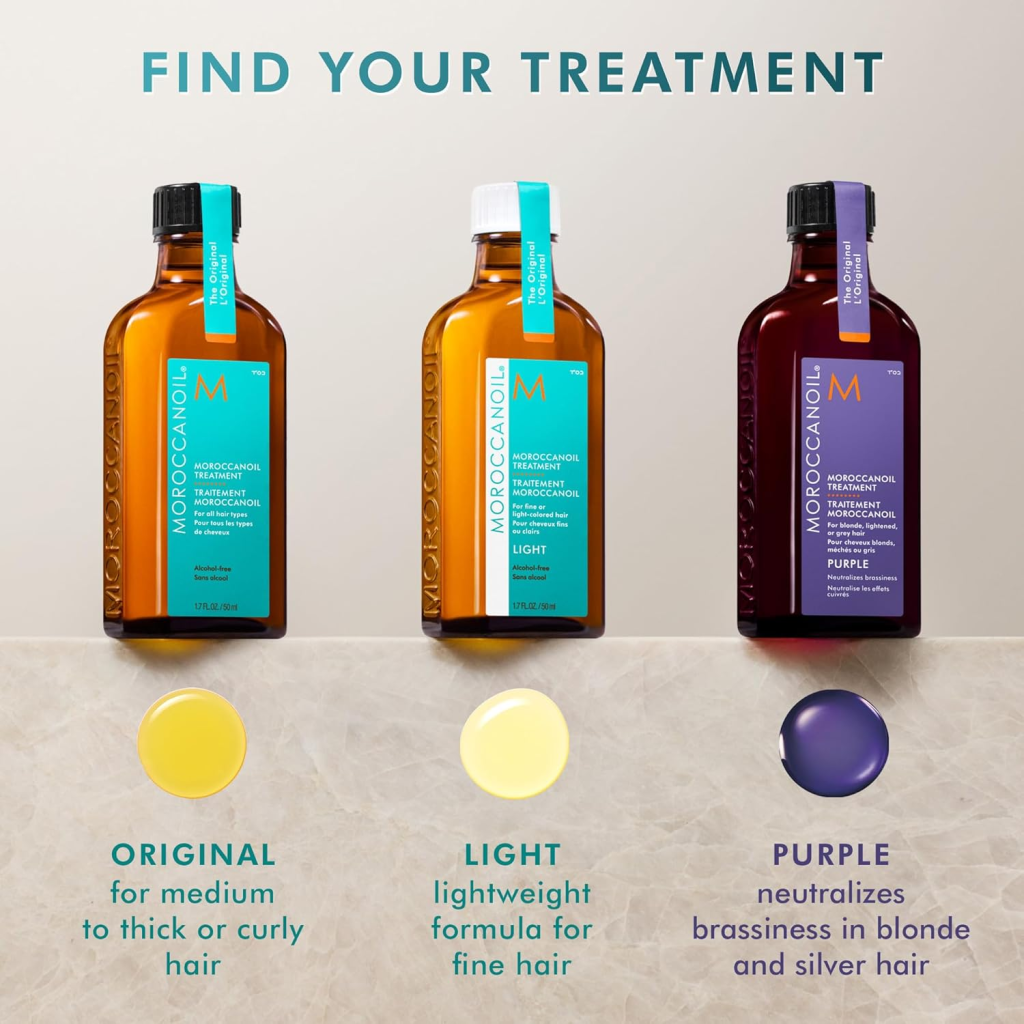
This is the one everyone talks about for a reason. It’s powered by argan oil, great for taming frizz and smoothing dry ends. While not a magic bullet for regrowing hair, I notice less splitting and my hair generally looks glossier and much healthier after a few weeks (which helps me keep growth on track).
A quick comparison:
| Product | Key Benefit | Ideal For |
| Olaplex Nº. 7 | Heat/shine boost | All hair types, color users |
| Batana Oil | Thickening | Thinning, dry scalps |
| Castor Oil | Growth/strength | Thinning lashes, brows |
| Moroccanoil | Smoothing, shine | Frizzy, split-end hair |
5. Forest & Shore Hair Growth Oil: Natural Blend
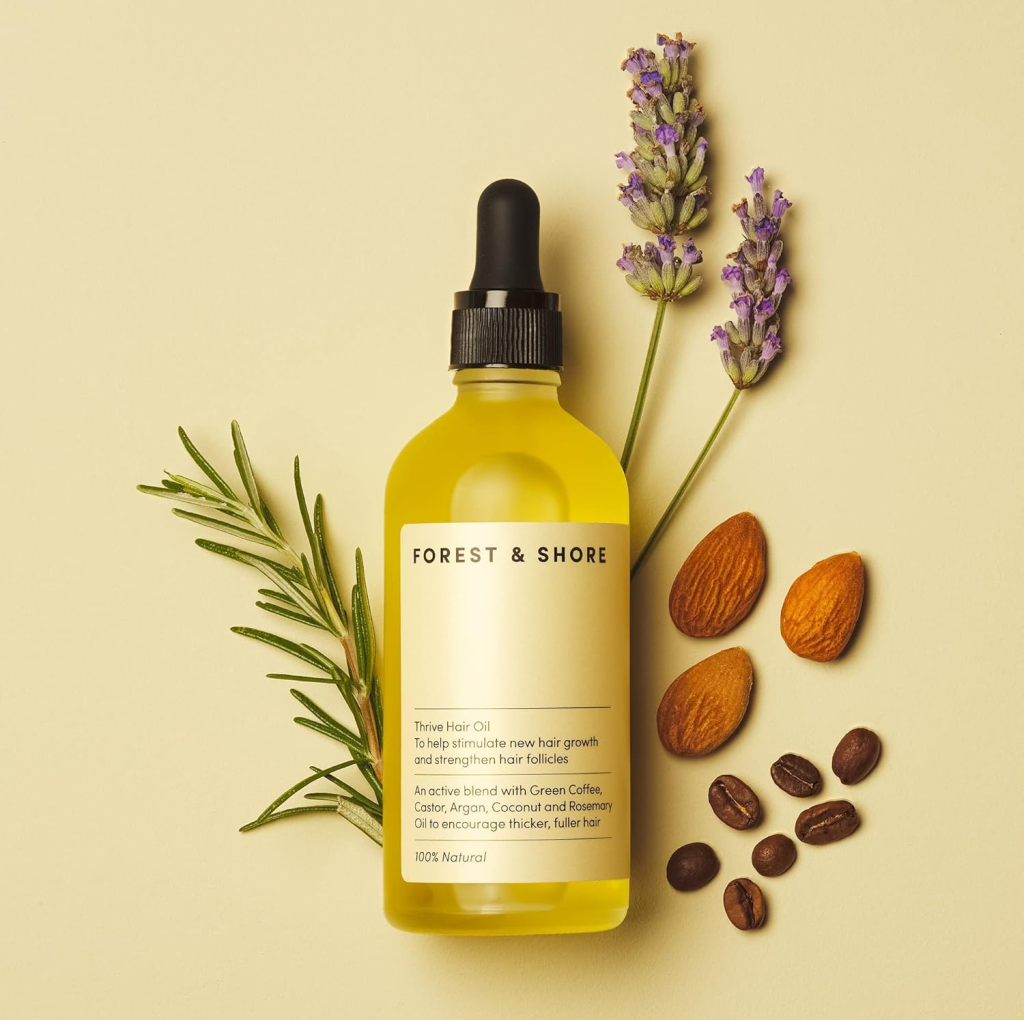
This is one of my favorite new finds, an oil mix with caffeine, biotin, castor, argan, and rosemary. It’s for damaged, breaking hair that desperately needs rescue. The scent is earthy (not everyone’s thing), but the results are pretty solid, especially for people who feel like their hair never grows past a certain length.
Why try this?
- Mix of key hair growth treatments in one
- Gentle formula for sensitive scalps
- Helps bring back bounce to limp or breaking hair
Some oils really do help with scalp health and shedding, but they aren’t overnight magic. I like mixing these into my regular self-care days, consistency is more important than picking a ‘perfect’ oil and expecting a miracle.
What I’ve noticed with hair growth oil recommendations:
- Consistency is key. Be sure to use a hair oil at least 2-3 times weekly for optimal results
- Not every oil is right for every scalp, so start slow (after always doing a patch test)
- Using oils for thinning hair with other scalp-friendly products typically yields better results than oil alone
When it comes to oils for thinning hair or growth, there’s not one solution that will work for all. The best advice I can give you is listen to your hair, log your routine, and (most importantly) be patient. Many people are having success with hair growth oils for thinning hair, but take patience and the right matches.
How to Apply Hair Oil for Maximum Growth
The way you apply hair oil will make all the difference in whether or not you achieve those results you’re looking for, especially if your goal is to help fight thinning of the hair. This is not just slathering it on there; there’s a bit of a method to the madness if you ask me.
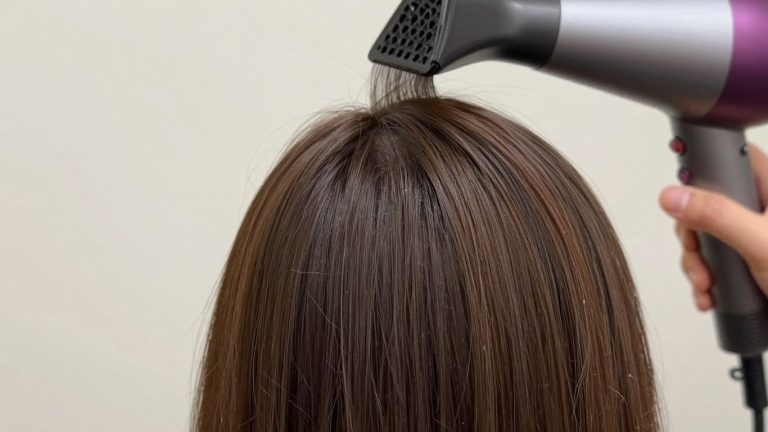
For starters, I always begin with clean, damp hair. Towel-dry it to the point that it’s not dripping, but still damp. This allows the oil to spread evenly and penetrate better. Then I take a small amount of oil, trust me, a little goes a long way!, and warm it up in my hands. Rubbing my hands together really gets it ready to use.
Next, I focus on the scalp. This is where the magic takes place for growing hair, right? Using my fingertips, I massage the oil into my scalp in a circular motion. This not only aids the oil in reaching your roots but also increases circulation, which is said to be beneficial for the follicles. I do this for a few minutes, really working it in.
Next, I work the oil through the length of my hair, with a focus on the ends, which can be dry and split. I try not to layer on the roots too thick here because I don’t want my hair to be weighed down. The aim is to condition scalp and strands, not render my hair oily.”
How long you wear it can differ. Some days I’ll leave it in for 30 minutes max before shampooing, as a kind of quick treatment. Other times, particularly if I’m not leaving the house, I’ll leave it in overnight for a deeper conditioning. Just cover your pillowcase with a towel or drape it in a shower cap if you take the overnight approach.
This step-by-step approach is similar to DIY guides like how to sew an apron or how to make a simple tote bag at home—process matters.
Here’s a quick rundown of how I typically approach it:
- Scalp Variety: Work oil straight to the scalp for growth.
- Mid-Length & Ends: Work the remaining oil through the hair shafts, paying special attention to tips for moisture and strength.
- Leave-In vs. Wash-Out: Determine whether you’re going to leave it on for a few minutes, overnight, or if you will just apply a little as a leave-in on dry hair.
- Frequency: 2-3 times a week, depending on how my hair feels.
Keep in mind that consistency is key to everything. Even if you don’t notice radical changes overnight, working within an established routine will probably deliver better results over time. This is all about providing your hair and your scalp with daily nourishment.
Tips for Achieving Healthy Hair with Oils
I noticed a huge, significant difference when I began using hair oils more regularly. It was more than just making my hair appear shinier; it felt stronger. I learned several things, but the one that stood out is consistency. I make an effort to use my chosen oil a handful of times a week, and not only when I think about it.
Do not just plaster it all over your hair; consider where your hair needs it the most. The ends always get dry and can be the place where split ends happen, so I concentrate there. If your scalp is dry or itchy, massaging in a little oil helps immensely. Just be cautious not to go overboard, especially if you have thinner hair, as it can weigh it down. I discovered that just a drop or two, and adding more if needed, works best. It’s a matter of working toward that sweet spot.
Creating a routine is just like organizing your essentials with the best sewing box—everything works better when structured.
Here are a few things I’ve found helpful:
- Try different oils: Not every oil is created equal, and what works for one person may not work for another. I’ve tried a few different ones, and some definitely left my hair feeling better than others. Seek out oils that have been known to strengthen hair.
- Think about scalp health: A ready setup is crucial to growing hair. Some of the most common essential oils for scalp health, such as rosemary or peppermint (Generally very good when diluted), I like to give my scalp a good massage with a diluted oil before I wash my hair.
Exercise patience: Hair growth is a process, and so is reaping the full benefits of hair-strengthening natural oils. I didn’t notice a huge difference overnight, but over the course of a couple months, my hair felt significantly healthier and looked like it was growing · faster.
I also learned that less is more, at times. Applying an excessive amount of oil, particularly close to the roots, can cause your hair to appear greasy and may even block your scalp. My rule of thumb for this is to apply one or two pumps of hair oil at a time and evenly distribute before adding more until I achieve my goal.
Oils are a natural solution to aid in the growth of thicker hair. It’s also about finding those correct oils for scalp health and hair strengthening oil treatments that work in your routine without feeling like a chore. The idea is to actually help hair grow in its natural cycle and be in better condition.
So, What’s the Verdict on Hair Oils?
While I don’t think there is one miracle potion that will solve your hair growth issues for good, after researching all of these oils, I have learned that some really do provide promise. Rosemary oil, specifically, and I can see why people are drawn to rosemary oil; there seems to be a pretty good amount of research behind it. For me, the big lesson is to be realistic.
Really, these oils are nice to integrate into my hair care regimen if I wanted a more natural option to support the balance of my scalp or perhaps give me a bit more hair for voluminous locks. But they are not a substitute for treatments that have strong scientific support. I feel like the best way to use them is strategically, perhaps products that are already marketed toward hair growth, and also to be mindful of consistency.”
Think of it like upgrading graduall, similar to how to upgrade your kitchen appliances, small improvements over time lead to big results.
Frequently Asked Questions
How often should I use hair oil for hair growth?
I usually put on hair oil for 2 to 3 days a week. I might use it more frequently if my hair feels desert-dry or occipital dry if my scalp craves extra oil. I need to be careful not to overuse oil, because too much makes my hair greasy or heavy.
Can hair oils really help my hair grow faster?
Hair oils can help give the appearance of healthy hair, and they may encourage growth because a good scalp, in general, could lead to better overall hair. Certain oils, including rosemary and castor oil, already have some research suggesting they could help with hair growth, but everyone reacts differently to various treatments.
What is the best way to apply hair oil for growth?
When oiling my hair, I part it, then apply a small sprinkled amount on my fingertips. Then I massage the oil into my scalp with small circles for a couple of minutes. Then I distributed the rest along my hair. I leave it in for a minimum of 30 minutes, or overnight, before washing it out.
Will hair oil make my hair greasy or heavy?
If I use too much oil or don’t rinse it out well enough, my hair can become oily or heavy. That’s why I use just a tad and follow up with a good shampoo.” It really helps to know how much it works for my hair type.
Are there any side effects of using hair oils?
Most hair oils are fine, but they can sometimes cause itchiness or redness, particularly if I’ve applied something to which my skin is allergic. That’s why I always try a little on my skin first. If I notice any irritation at all, I immediately discontinue my use altogether.
Can I use hair oil if I have oily hair or a sensitive scalp?
Yes, if my hair is oily or scalp sensitive, I can use hair oil. I just choose lighter oils like argan or jojoba and wear less of them.” For sensitive scalps, I make sure to avoid oils with heavy fragrances or strong ingredients.