
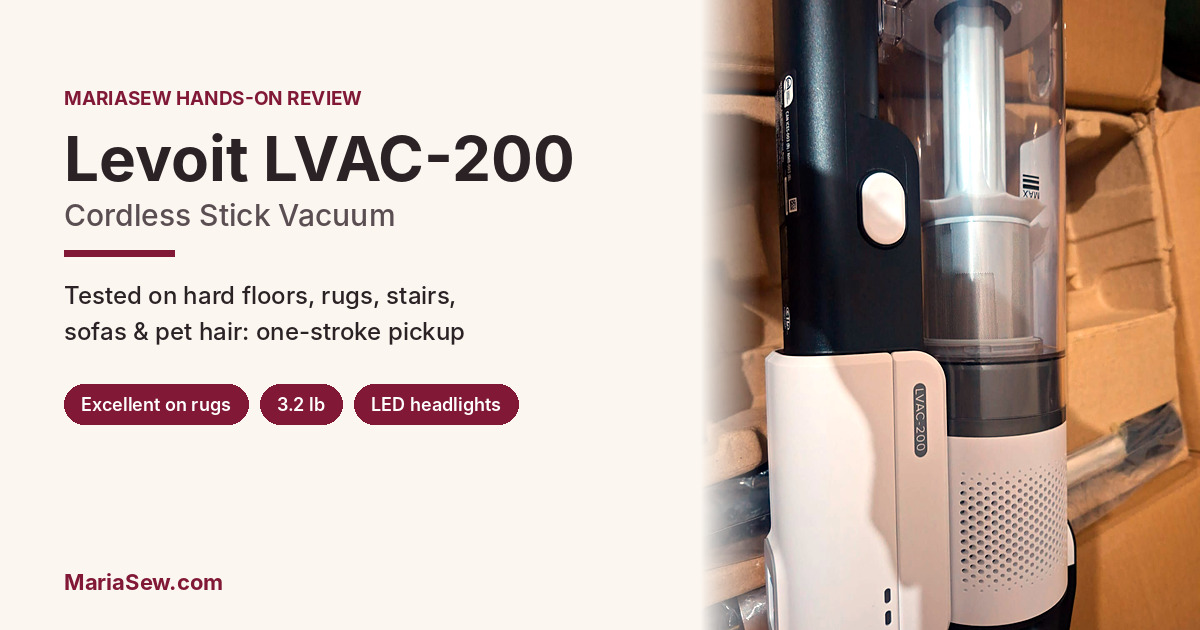
Levoit LVAC-200 Review 2026: We tested it for Two Months | Tested Verdicts
I used the Levoit LVAC-200 for two months before writing this review, on hard floors, rugs, upholstery, and the thread-and-lint mess that builds up around my sewing space. That’s long enough to see what a spec sheet doesn’t show: how the battery behaves in normal cleaning, how often the roller needs attention, and where the vacuum starts to struggle.
The LVAC-200 is a lightweight cordless stick vacuum built for everyday cleaning, not premium smart features or heavy deep-cleaning duty. Its strongest points are 70 Air Watts of rated suction, a 0.75 L dustbin, an anti-tangle brush, three LED headlights, five-stage filtration, and a floorhead that lies flat to reach under furniture. One number needs context: the “up to 50 minutes” headline applies to the crevice or pet tool on Eco, while the motorized floorhead runs about 30 minutes on Eco and 14 on Turbo. Below, I cover how it handles real messes, where it falls short, and who should buy it or skip it.
Disclosure: This article contains affiliate links. If you purchase through our links, we may earn a small commission at no extra cost to you.
| Category | Our verdict | Rating |
|---|---|---|
| Hard floors | Beans, wood ash and dust picked up in one stroke | Excellent10/10 |
| Rugs (flat-weave) | Wood ash, dust and beans cleared in one go | Excellent10/10 |
| Large debris | Red and white beans swallowed, not scattered | Excellent9.5/10 |
| Reverse pickup | Pull stroke works as well as the push | Excellent9.5/10 |
| Weight | 3.2 lb, easy to carry and hold handheld | Excellent9.5/10 |
| Pet hair | Anti-tangle brush picks up pet hair easily on floors and rugs | Excellent9.5/10 |
| Edges & corners | Cleans right up to door frames | Very good9.0/10 |
| Upholstery & stairs | Crevice tool clears sofa seats and marble treads | Very good9.0/10 |
| Maneuverability | Light swivel head, 180° lay-flat reach | Very good9.0/10 |
| LED headlights | Genuinely useful on dark floors and under furniture | Very good9.0/10 |
| Battery & charging | Runtime held up well in our sessions; full charge (0–100%) took about 3 hours | Very good9.0/10 |
MariaSew may earn a commission from qualifying purchases, at no extra cost to you.
Key Takeaways
The LVAC-200 makes the most sense when you judge it by everyday usability rather than a single headline specification. These are the points I would know before buying.
- The 50-minute runtime applies to the crevice or pet tool on Eco, while the floorhead runs for 30 minutes on Eco and 14 minutes on Turbo.
- With 70 AW of suction, the LVAC-200 handles routine hard floors, rugs, upholstery, and spot cleaning but trails premium 150-180 AW models.
- Its 0.75 L dustbin is generous for a compact cordless vacuum and reduces how often you need to empty it.
- The five-stage filtration system captures 99.9% of particles as small as 0.3 microns under ASTM F1977-22 testing, but Levoit does not label it as HEPA.
- The anti-tangle brush reduces hair buildup but still needs occasional roller and end-cap cleaning.
- The LVAC-200 is best suited to hard floors and everyday rugs rather than deep cleaning thick carpets.
- The removable battery makes long-term ownership easier if capacity declines or you want a spare battery.
The combination of price, low weight, flat reach, filtration, and a relatively large bin is what makes the LVAC-200 appealing. No single feature is exceptional by itself, but the package is well balanced for routine home cleaning.
What Is the Levoit LVAC-200?
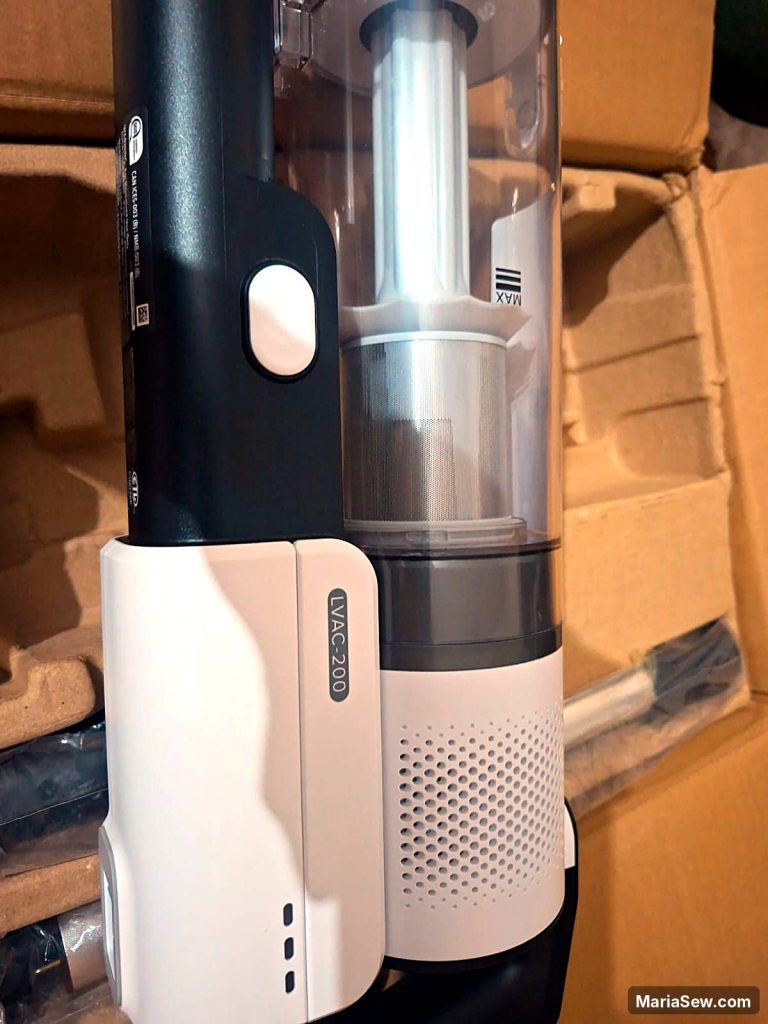
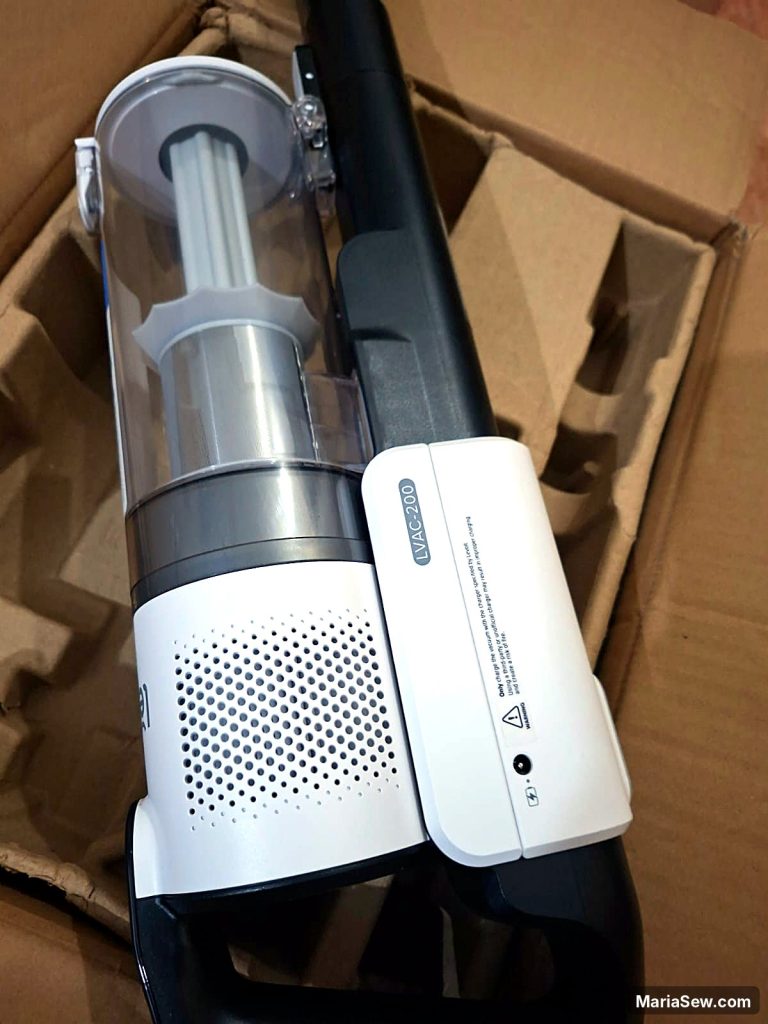
The LVAC-200 is Levoit’s entry-level cordless stick vacuum for floors, rugs, furniture, stairs, and above-floor cleaning. It converts from a full stick vacuum into a handheld configuration and comes with long and short sticks, a motorized vacuum head, a 2-in-1 crevice tool, a 2-in-1 pet tool, a wall mount, charger, and user manual.
Levoit rates the motor at 180 W and suction at 70 AW. The current official dimensions are 9.8 x 7.7 x 43.3 inches, the vacuum body plus battery weighs 3.2 lb, and the maximum dustbin capacity is 0.75 L. It uses a 22.2 V, 2200 mAh lithium-ion battery and three vacuuming speeds.
If you are still deciding whether a battery stick vacuum is the right format, compare this review with my cordless vs. corded vacuum guide before choosing a model.
Living Room Overview: First Impressions of the Levoit LVAC-200
Our first session was a simple walkthrough: one real living room, one take, no staging. The goal was to see how the LVAC-200 feels in everyday use before any debris tests, moving around a sofa, a side table and a rug on dark wood-look floors.
The first thing you notice is the weight. At 3.2 lb, it glides across the floor with very little push, and the swivel head follows your wrist easily. In the video you can see us sweeping in front of the sofa, changing direction often, without lifting or wrestling the stick.
The three LED headlights are on the whole time. On dark floors they throw a bright blue-white glow ahead of the head, which makes it easier to see where you have already cleaned. The light is most useful on darker planks and in shaded corners. In bright areas it matters less.
Near the right end of the sofa, the wand drops almost flat so the head can reach under the edge of the frame. This is the 180° lay-flat design at work. Note that the wand has no hinge in the middle, so you still have to bend down to get it fully low. We show that honestly in the clip.
We finish by working around the side table, where the swivel head lets us steer between the table and the sofa without bumping either one. Nothing in this video is a pickup test, since no debris was spread on the floor. It is a feel-and-handling overview that sets up the tests that follow.
Our take: light, nimble and easy to steer, with LEDs that genuinely help on dark floors. The only real handling compromise is having to bend for the lowest react.
Who Is the Levoit LVAC-200 Best For?
I see the LVAC-200 as a daily-maintenance vacuum rather than a replacement for every possible floor-care job. It fits smaller and medium homes best when most cleaning is frequent, light, and spread across hard floors, low-pile rugs, stairs, furniture, and quick messes.
- Apartments and smaller homes. The cordless format and compact storage are easy to live with when there is no need to clean a huge floor plan in one battery cycle.
- Hard-floor-heavy homes. Fine dust, crumbs, hair, and routine tracked-in debris are where the floorhead feels most natural.
- Pet owners with light to moderate shedding. The anti-tangle design and pet tool are useful for loose fur on floors and upholstery.
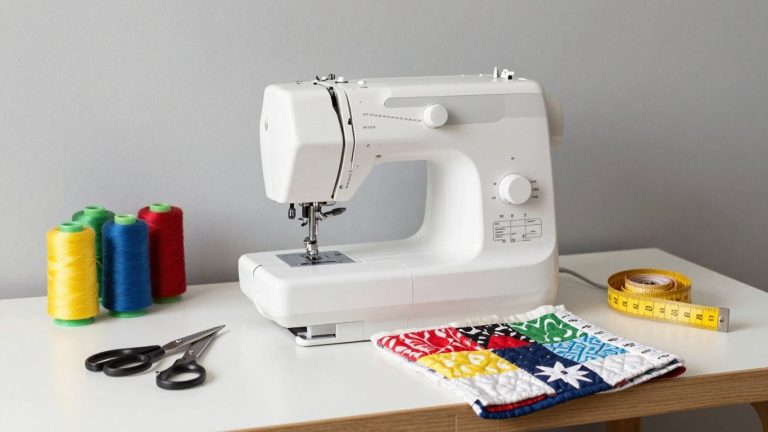
- Sewing and craft rooms. It is easy to grab for lint, thread fragments, fabric dust, and scraps around a work area, though I still pick up longer thread tails by hand before vacuuming.
- People who dislike heavy vacuums. The handheld body is light, and the whole design feels easier to move than full-size cordless or upright models.
I would not make it my only vacuum for a large carpeted house, deep plush carpet, or constant heavy pet shedding. Those homes benefit from more brushroll agitation, longer powered-head runtime, or a higher-output cordless or corded machine.
How I Test Vacuum Cleaners at MariaSew
I test vacuum cleaners in real home conditions rather than judging them from suction numbers or feature lists alone. For the LVAC-200, I used it on sealed hard floors, low-pile rugs, upholstery, stairs, under furniture, along wall edges, and around the sewing area where lint, loose thread, fine fabric dust, and small scraps create a different kind of mess than ordinary kitchen crumbs.
I repeat the same passes at different power levels, watch what happens to fine dust and larger debris, check whether hair wraps around the roller, and pay attention to how the vacuum behaves when I pull it backward as well as push it forward. I also test the pet and crevice tools, bin emptying, filter access, handheld balance, under-furniture reach, and how quickly battery life changes when the motorized floorhead and higher suction are used.
- Hard-floor pickup. I use fine dust, crumbs, cereal-sized debris, hair, and light grit on sealed flooring.
- Carpet and rug cleaning. I check surface pickup, embedded material, brushroll engagement, and whether higher power is needed.
- Hair management. I use both pet hair and longer strands to see how much stays on the roller and end caps.
- Maneuverability. I clean around chair legs, edges, stairs, and low furniture rather than testing only in an open room.
- Battery and charging. I compare official mode-specific claims with how quickly normal cleaning drains the pack when the powered head is installed.
- Filtration and disposal. I inspect dust around seals, filter loading, and whether emptying the bin releases a visible cloud.
- Maintenance. I look at roller access, filter washing, battery replacement, tool storage, and how quickly the machine returns to full performance after cleaning.
This is the same practical approach I use in my best cordless vacuum cleaners guide, where floor type, hair management, battery behavior, filtration, and upkeep matter more than marketing numbers.
Levoit LVAC-200 Performance Tests
I split performance into the same jobs that matter in an actual home rather than trying to reduce the vacuum to one overall suction impression. The LVAC-200 behaves differently depending on floor type, debris size, power mode, and whether the motorized floorhead or a handheld attachment is installed.
| Category | Our verdict | Rating |
|---|---|---|
| Hard floors | Beans, wood ash and dust picked up in one stroke | Excellent |
| Rugs (flat-weave) | Wood ash, dust and beans cleared in one go | Excellent |
| Large debris | Red and white beans swallowed, not scattered | Excellent |
| Reverse pickup | Pull stroke works as well as the push | Excellent |
| Weight | 3.2 lb, easy to carry and hold handheld | Excellent |
| Pet hair | Anti-tangle brush picks up pet hair easily on floors and rugs | Excellent |
| Edges & corners | Cleans right up to door frames | Very good |
| Upholstery & stairs | Crevice tool clears sofa seats and marble treads | Very good |
| Maneuverability | Light swivel head, 180° lay-flat reach | Very good |
| LED headlights | Genuinely useful on dark floors and under furniture | Very good |
| Battery & charging | Runtime held up well in our sessions; full charge (0–100%) took about 3 hours | Very good |
MariaSew may earn a commission from qualifying purchases, at no extra cost to you.
1. Hard-Floor Pickup Test
For the core hard-floor test, we spread a mix of dried beans, wood ash and household dust across a wood-look floor next to a doorway. Then we cleaned it the way most people would: normal forward-and-back strokes, with no special technique.
The LED headlights earn their keep here. On the dark planks, the glow clearly lights up the debris trail ahead of the head, so you can see exactly what is left and where to aim the next pass. That matters more than it sounds, because fine ash is easy to miss on a dark floor.
Pickup is strong and consistent. Wherever the head passes, the beans, wood ash and dust in its path are gone in a single stroke. In the footage, every stroke leaves a clean strip behind the head. The debris still visible mid-video sits in areas the head hasn’t reached yet, not in areas it missed.
Because the mess is wider than the cleaning head, clearing the whole area takes a few strokes side by side, the same way you would mow a lawn. We then made a few extra passes to check for leftovers and found nothing new, so we sped that part up in the video.
The last clip shows the head working right up to the edge of the door frame. That is a spot where many stick vacuums leave a strip of dust. The LVAC-200 got close enough to clean it in one go.
The before-and-after card at the end shows the same spot: debris everywhere at the start, and a clean floor a few strokes later.
Our take: excellent hard-floor performance. Beans, wood ash and dust come up in one stroke, and the head cleans right to the door frame. The LEDs make it easy to see that nothing is left behind.
2. Carpet and Rug Performance Test
The rug test was the LVAC-200’s strongest result. We ran it in two rounds on the same navy-and-cream flat-weave rug: fine wood ash and dust first, then dried beans on top of that challenge. In both rounds, the vacuum cleared everything in its path in a single stroke.
Round 1: wood ash and dust. We covered most of the rug with a thick layer of fine wood ash and dust. Rugs are a tough surface for light stick vacuums, because fine particles settle into the weave. As soon as the LED-lit head starts its first stroke, it cuts a clean lane through the ash, and the rug’s pattern shows through right behind it. Each following stroke widens the clean area until the last strip along the edge is gone, and the rug is clean across the frame.
Round 2: red and white beans. Next, we scattered a generous handful of red and white beans across the rug. Beans are a classic test because they are big and round, and many vacuum heads push them around instead of picking them up. The LVAC-200 didn’t. The first stroke cleared every bean in its path in one go. The only beans left were in a strip beyond the width of the head, and the second stroke picked those up completely. The rug was clean in about 30 seconds, and the clear dustbin at the end of the clip shows the collected beans and debris.
The before-and-after cards in the video show the same rug at the start and the finish of each round: covered, then clean.
Our take: this was the LVAC-200’s best test. On a flat-weave rug, it lifted a heavy layer of fine wood ash and dust quickly and evenly, and it picked up large beans in a single stroke without scattering them across the rug. If your home has flat-weave rugs, this vacuum handles them with ease. We haven’t tested thick or high-pile carpet yet.
3. Pet Hair and Long-Hair Test
The anti-tangle brush is one of the LVAC-200’s most useful everyday features. On hard floors and rugs, loose pet hair comes up easily, and the roller clears strands better than a standard brush with no anti-wrap design. Less hair wraps around the roller, so you spend less time cutting it free with scissors.
It isn’t completely tangle-proof. Long human hair can still collect around the roller ends and axles, so after heavier sessions I pop the brush out and check those spots. It takes less than a minute and keeps suction at full strength.
For upholstery, the included 2-in-1 pet tool handles surface fur on sofa cushions and pet beds well. Deeply embedded fur takes a few more strokes. A motorized mini brush, which some pricier vacuums include, would lift it faster.
Our take: a strong choice for homes with pets on hard floors and rugs. Plan on a quick roller check every so often if anyone in the house has long hair.
4. Large Debris and Reverse-Pickup Test
This test focuses on the toughest mix we threw at the LVAC-200: dried beans alongside wood ash and dust on a hard floor. Beans are a good stress test because they are big, round and light, which makes them easy for a vacuum head to push around instead of swallow.
The video opens with a close look at the mess so you can see the size of what we spread. Then we start the first forward pass. The LED headlights spotlight the debris field, which makes the scattered beans easy to track on the dark planks.
The result was impressive. The LVAC-200 swallows the beans in its path in a single stroke, both the red and the white ones. Watching the frames stroke by stroke, the strip under the head comes out clean every time.
The wood ash and dust come up just as easily. Since the mess was spread wider than the cleaning head, we used a few strokes side by side to cover the whole patch, with each stroke picking up everything in its lane.
We sped up the middle of the clip to 2× because it is simply more of the same: stroke, clean lane, next stroke. By the end, the floor is completely clear. The before-and-after card shows the same patch at the start and at the finish.
Our take: large debris is a strength, not a weakness. Beans, ash and dust all come up in one stroke on hard floors
5. Edge, Under-Furniture, and Maneuverability Test
This video puts together the moments from our sessions that show how the LVAC-200 handles a real room: turning, reaching low, and getting into edges and seams.
It starts in the living room, where the swivel head steers easily around the space. Quick direction changes in front of the sofa take only a turn of the wrist, and the light 3.2 lb body makes it easy to keep moving.
Next, in slow motion, the wand lowers almost flat to reach under the edge of the sofa. This is Levoit’s 180° lay-flat design. The clip also shows the trade-off honestly: there is no hinge in the middle of the wand, as some Shark models have, so you still have to bend down to get it low. The upside is a simpler, lighter tube.
We then reach under a side table. The LED headlights help here, lighting up the dim floor under the table where you would otherwise be cleaning blind.
On the hard floor, the head cleans right up to the edge of a door frame, a spot where dust tends to collect.
The last part moves to upholstery. With the crevice tool, the vacuum picks dried beans off a grey sofa seat. The seat is clear in under 10 seconds, and we then work along the seam where the seat meets the back. Some beans in the seam take longer than the seat itself. On a second sofa, the wand and a small tool reach along the seat edge.
One gap to note: none of our clips shows the head going deep under a bed or a low sofa into full darkness. What we show is under-the-edge reach and under a side table.
Our take: very maneuverable, with useful flat reach and LEDs. Just be ready to bend for the lowest spots.
6. Upholstery, Stairs, and Handheld Test
A stick vacuum earns its place when it can leave the floor. This video shows the LVAC-200 on marble stairs, in handheld mode on a sofa, and with the crevice tool on upholstery.
We start on a staircase with dark marble treads and small debris scattered across the steps. With the floor head removed and the crevice tool on the wand, the vacuum picks the debris off each tread, including along the riser edge and next to the wall. We brightened this footage because the stairwell was dim.
We then worked step by step up the staircase, sped up to 2× in the video. Each tread was cleaned in turn, and the last step is clear by the end of the pass. Reaching every step from one spot with the long wand is easy, and the light weight means you are not fighting the vacuum on an incline.
Next, we switch to handheld mode with a short tube and a small tool. On a tufted pink sofa, the handheld reaches the arm and the corner of the seat, which is awkward with a full-length stick. It is light enough to hold out at arm’s length for these quick jobs.
Finally, the crevice tool on a grey sofa. We scattered dried beans on the seat, and the vacuum lifted them off the upholstery in under 10 seconds. The before-and-after card at the end shows the same seat, covered and then clear. The seam at the back of the seat took longer, and some beans were still there when that clip ended.
Our take: the LVAC-200 is genuinely versatile. Stairs and sofas are quick jobs with the crevice tool, and handheld mode is light and easy. Deep seams need a slower, more careful pass
7. Battery, Noise, Filtration, and Maintenance Test
Battery behavior is the biggest reason to read the full specification instead of the headline. With the motorized head, the official ceiling is 30 minutes on Eco and 14 minutes on Turbo, so I save Turbo for rugs, hair patches, and stubborn debris rather than running it continuously.
The five-stage filtration system keeps normal exhaust reasonably controlled, and the washable filters are easy to access, but I still empty the bin before it is packed and clean the filter area before airflow drops. The machine is not silent, yet it feels appropriate for a compact cordless vacuum rather than harsh or unusually loud.
Overall Remarks: How the Levoit LVAC-200 Performed
Across our tests, the LVAC-200 performed really well. It picked up beans, wood ash, dust and fine sand in a single stroke on both hard floors and rugs, and worked just as well on the pull stroke. It also felt light and nimble everywhere, and the LED headlights help on dark floors and under furniture.
| Test | What We Saw | Verdict |
|---|---|---|
| Rug: beans | Every bean in the head’s path cleared in one stroke; rug clean in ~30 sec | Excellent |
| Rug: fine sand & dust | Clean strip on the first stroke; rug clear after a few strokes | Excellent |
| Hard floor: beans, ash & dust | One-stroke pickup in every lane; cleans right to the door frame | Excellent |
| Reverse pickup | Pull stroke picks up beans, ash and dust as well as the push | Excellent |
| Upholstery: crevice tool | Beans off the sofa seat in under 10 sec; seams slower | Very good |
| Stairs: crevice tool | Each marble tread cleared step by step | Very good |
| Maneuverability & edges | Easy swivel, flat reach under sofa edge, LEDs under the side table | Very good |
Levoit LVAC-200 Features: What Each One Does in Real Use
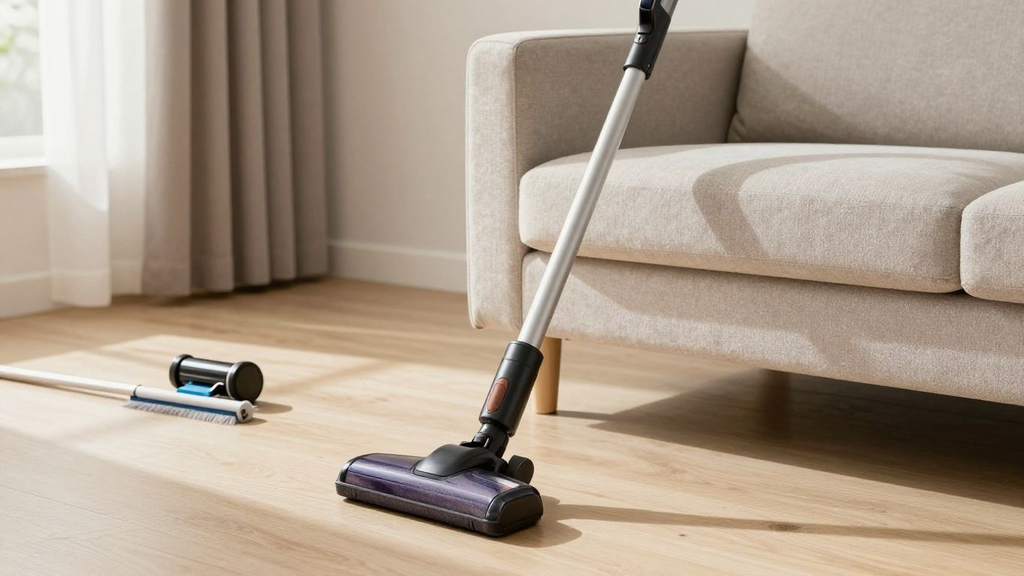
The LVAC-200 has a fairly short feature list compared with expensive smart cordless vacuums, but most of its features are useful rather than decorative. Here is how each one affects day-to-day cleaning.
70 AW Rated Suction and 180 W Motor
Levoit rates the LVAC-200 at 70 Air Watts of suction with a 180 W motor. That output is appropriate for a budget cordless stick focused on routine hard-floor, rug, upholstery, and spot cleaning rather than deep-carpet performance.
Three Power Levels
The vacuum offers three cleaning speeds, so I can stay on a lower setting for daily dust and raise power when I move onto a rug or hit a heavier patch of debris. Higher modes drain the battery much faster, so I use them selectively rather than by default.
180-Degree Flat-Reach Floorhead
The floorhead can lie nearly flat so the wand and body can reach under beds, sofas, tables, and low cabinets. I still have to lower my hand and body angle, but the design reaches farther than rigid upright-style vacuums.
Three LED Headlights
Three lights on the floorhead make fine dust, hair, and crumbs easier to see under furniture and in dim corners. They are especially useful on smooth hard floors where light catches small debris that looked invisible from standing height.
Anti-Tangle Brushroll
The main roller is designed to reduce hair wrap while cleaning. It works well enough that I spend less time cutting hair from the brush than with a basic bristled roller, but I would not call any anti-tangle design completely maintenance-free.
Five-Stage Filtration
Levoit states that the filtration system captures 99.9% of particles as small as 0.3 microns, tested to ASTM F1977-22. I treat that as a useful emissions claim, but not as proof that the LVAC-200 is a sealed HEPA vacuum because Levoit does not market this model’s main filter as HEPA.
0.75 L One-Click Dustbin
The 0.75 L maximum bin is a strong point for a compact cordless model. It gives me more room than several lightweight premium sticks, and the bottom-release design makes routine emptying fast, although fine dust can still cling to the shroud and filter area.
Detachable 22.2 V Battery
The removable 2200 mAh lithium-ion pack can be charged on the vacuum or replaced separately. A detachable battery is useful for long-term ownership because a worn pack does not force replacement of the whole vacuum.
Mode-Specific Runtime
With the motorized vacuum head, Levoit has about 30 minutes on Eco and 14 minutes on Turbo. With the crevice or pet tool, the official figures increase to 50 minutes on Eco and 12 minutes on Turbo, which explains why the headline maximum should not be treated as powered-floorhead runtime.
2-in-1 Crevice Tool
The crevice attachment is useful for baseboards, edges, sofa gaps, car interiors, window tracks, and the narrow zones around furniture. The brush section adds light dusting capability without requiring a completely separate tool.
2-in-1 Pet Tool
The pet tool extends the LVAC-200 beyond floor cleaning and is useful for upholstery, stairs, fabric seats, and hair on soft surfaces. It is not a mini motorized head, so deeply embedded pet hair can require more passes than with powered upholstery tools.
Long and Short Stick Configurations
Levoit includes both long and short stick pieces, which gives more reach options than a single fixed wand. I use the shorter configuration for closer furniture work and the full wand for floors and overhead or high-reach dusting.
Washable Filters and Replaceable Parts
The washable-filter design keeps routine ownership costs lower, and Levoit sells replacement filters and batteries separately. Filters still need to dry completely before reuse, and battery availability is something I would check before long-term storage.
Levoit LVAC-200 Full Specifications
The specifications below are based on Levoit’s current product information. The most important details are the mode-specific runtime, 70 AW suction, 0.75 L bin, removable battery, and 4-to-5-hour official charge time.
I would not use the 50-minute headline figure by itself when comparing cordless vacuums. A fair comparison should separate handheld-tool runtime from runtime with the motorized floorhead, because powered nozzles draw more energy.
| Feature / Specification | Official Detail | What It Means in Practice |
|---|---|---|
| Vacuum type | Cordless stick / handheld | Everyday floors, furniture, stairs and detail cleaning |
| Rated power | 180 W | Budget cordless motor class |
| Rated suction | 70 AW | Strong enough for routine cleaning; below premium high-output models |
| Battery | 22.2 V, 2200 mAh lithium-ion | Detachable and replaceable |
| Runtime with floorhead | 30 min Eco / 14 min Turbo | More realistic whole-floor planning figure |
| Runtime with crevice/pet tool | 50 min Eco / 12 min Turbo | Source of the up-to-50-minute headline |
| Charging time | take up 3 hours | Plan to recharge between longer sessions |
| Power levels | 3 | Low-to-high cleaning control |
| Dustbin capacity | 0.75 L / 3.2 cups max | Generous for a lightweight stick |
| Filtration | 5-stage; 99.9% to 0.3 microns | ASTM F1977-22 filtration claim |
| Floorhead reach | Lies 180 degrees flat | Useful under beds, sofas and tables |
| Floorhead lights | 3 LED lights | Improves visibility of fine dust |
| Main brush | Anti-tangle design | Reduces hair wrap compared with basic rollers |
| Body + battery weight | 3.2 lb / 1.45 kg | Official weight excludes full stick/head |
| Dimensions | 9.8 x 7.7 x 43.3 in | Full-size cordless stick format |
| Included tools | 2-in-1 crevice + 2-in-1 pet tool | Covers detail and upholstery cleaning |
| Storage | Wall mount included | Keeps the vacuum organized between uses |
| Filters | Washable | Must be fully dried before reinstalling |
| Warranty | 2-year limited warranty | Verify regional coverage and retailer terms |
On paper, the LVAC-200 is strongest in bin capacity, low weight, removable battery design, and practical floorhead features. The limitation is that powered-head runtime and suction remain firmly in the budget-to-midrange class.
Pros and Cons of the Levoit LVAC-200
The LVAC-200’s strengths come from convenience and balance rather than class-leading power. Its weaknesses show up when the job asks for sustained carpet suction, motorized upholstery cleaning, or long high-power runtime.
Pros of the Levoit LVAC-200
- Strong value for a cordless stick. The feature set is unusually complete for the budget end of the market.
- Very good hard-floor usability. The LEDs, flat-reach head, anti-tangle roller, and light body work together well for daily floors.
- Large 0.75 L bin. You can clean more before stopping to empty than with several smaller premium sticks.
- Removable battery. A replaceable pack makes long-term ownership more practical.
- Useful included attachments. The crevice and pet tools cover furniture, stairs, car interiors, and detail cleaning without requiring a separate purchase.
Those advantages are the reason I keep coming back to value rather than raw power when I judge the LVAC-200. It feels easy to use often, which matters more than having a stronger vacuum that stays in a closet.
Cons of the Levoit LVAC-200
- Powered-head runtime is much shorter than the 50-minute headline. Expect 30 minutes on Eco and 14 minutes on Turbo with the main floorhead.
- No motorized upholstery tool. The included pet tool is useful, but it is slower on deeply embedded sofa and stair hair than a powered mini brush.
None of these are deal-breakers. They are small trade-offs on a vacuum that performed excellently where it matters most: everyday floors, rugs and quick cleanups.
My Verdict
I recommend the Levoit LVAC-200 for apartments, smaller homes, hard floors, low-pile rugs, light-to-moderate pet hair, and frequent quick cleaning. It gives you more everyday convenience than I expected at this price, but I would spend more if deep carpet cleaning, motorized upholstery tools, or long high-power runtime are priorities.
Value for Money: Is the Levoit LVAC-200 Worth It?
At the time of this October 2026 update, Levoit was selling the LVAC-200 at $139 price, which strengthens the value argument. Pricing changes frequently, so I judge the vacuum by where it sits relative to direct competitors rather than by one temporary sale.
At a discounted budget price, the 0.75 L bin, removable battery, 70 AW suction, anti-tangle brush, LEDs, flat reach, and five-stage filtration are a very good package. At full list price, I would compare it more carefully with the LVAC-300, BISSELL CleanView XR Pet, Tineco PURE ONE S11, and discounted Dyson V8 bundles.
For broader context on what different price tiers buy, see my best vacuum cleaners for home guide.
Levoit LVAC-200 vs. 5 Direct Competitors
I chose these five comparison models because they overlap with the LVAC-200 on price, cordless convenience, pet-hair use, or mixed-floor cleaning. They also show what you gain when you move up in suction, filtration, powered attachments, smart sensing, or battery management.
Each comparison uses current manufacturer specifications and the same practical criteria I use for the LVAC-200: hard-floor usability, carpet ability, hair handling, runtime, filtration, weight, dustbin size, attachments, and ownership effort.
1. LVAC-200 vs Levoit LVAC-300
The LVAC-300 is the most natural upgrade if you like the LVAC-200 design but want more runtime, stronger hair management, and better filtration. Levoit adds a self-standing body, TripleStrike anti-tangle technology, a mini motorized brush, five-stage HEPA filtration, and up to 60 minutes of runtime with an attachment on Eco.
It is heavier at 6.6 lb and costs more, but it keeps the same 0.75 L bin and familiar flat-reach, LED-headlight format. I would choose it over the LVAC-200 for larger homes, heavier pet-hair cleanup, and upholstery because the mini motorized brush is a meaningful upgrade.
Key features
- Up to 60-minute runtime. Measured with an attachment on Eco, not the motorized head.
- Five-stage HEPA filtration. Levoit rates it at 99.99% down to 0.3 microns.
- TripleStrike anti-tangle roller. More aggressive hair management than the LVAC-200.
- Self-standing design. Useful for pausing and storage.
- Mini motorized brush. Better for pet hair on stairs and upholstery.
- 0.75 L detachable dustbin. Keeps the large-capacity advantage.
Pros
- Better pet-hair package. The powered mini brush and newer roller are more useful for shedding homes.
- Longer advertised runtime. More practical for larger floor plans.
- HEPA filtration. A stronger choice for buyers prioritizing fine-particle control.
- Self-standing. Easier to pause mid-clean.
- Same practical Levoit layout. Flat reach and LED lighting remain familiar.
Cons
- Higher price. The gap can be large when the LVAC-200 is on sale.
- Heavier body. 6.6 lb is less effortless than the lighter LVAC-200 format.
- Still a midrange cordless. It does not reach premium smart-vacuum suction or automation.
Final Verdict: Choose the LVAC-300 if you want the LVAC-200 idea with better hair tools, filtration, runtime, and storage. The LVAC-200 remains the better value when light weight and price matter most.
2. LVAC-200 vs Dyson V8
The Dyson V8 is an older platform, but it remains a useful benchmark because Dyson still sells it with 115 AW suction, up to 40 minutes of runtime, a de-tangling Motorbar head, sealed whole-machine filtration, and a 0.54 L bin. At 5.58 lb, it is still reasonably light for a full cordless stick.
Compared with the LVAC-200, the V8 has much more peak suction and a stronger carpet-oriented cleaner head. The trade-offs are a smaller bin, slower five-hour charge, shorter official powered-head runtime than the 40-minute headline, and a price that can vary dramatically depending on the bundle.
Key features
- 115 AW max suction. Substantially above the LVAC-200’s 70 AW.
- Up to 40 minutes. With a non-motorized tool; powered-head runtime is shorter.
- Motorbar de-tangling head. Designed for carpet and hair pickup.
- Sealed whole-machine filtration. Captures 99.99% of particles as small as 0.3 microns.
- 0.54 L bin. Smaller than the LVAC-200’s 0.75 L bin.
- 5.58 lb assembled weight. Still manageable for a premium cordless.
Pros
- Stronger suction. Better reserve for carpet and embedded debris.
- Excellent hair-management head. Motorbar vanes actively clear hair.
- Sealed filtration. A stronger allergy-focused specification.
- Proven accessory ecosystem. Dyson tools and replacement parts are widely available.
- Light for its power. Good balance for stairs and above-floor use.
Cons
- Usually costs more. Value depends heavily on discounts and bundle pricing.
- Smaller bin. More frequent emptying than the LVAC-200.
- Long five-hour charge. Slower to return to full battery.
Final Verdict: Pick the V8 when stronger suction and sealed filtration matter more than bin size and budget. Pick the LVAC-200 when hard-floor convenience and value are more important than peak cleaning power.
3. LVAC-200 vs Shark Pet Cordless IX141H –
The Shark Pet Cordless IX141H sits in a similar everyday-cleaning category but adds HEPA filtration with an Anti-Allergen Complete Seal, a bristled carpet-focused brushroll, an XL 0.83 qt dust cup, and up to 40 minutes of runtime measured at the handheld in standard mode.
At 7.63 lb, it is noticeably heavier than the Levoit, and it lacks the LVAC-200’s very flat low-clearance feel. I would still consider the Shark if allergies, carpet agitation, and a sealed system matter more than low weight and a larger 0.75 L Levoit bin.
Key features
- Up to 40-minute runtime. Measured as the hand vac in standard mode.
- HEPA + Anti-Allergen Complete Seal. Designed to trap dust and allergens inside the system.
- 0.83 qt dust cup. A useful everyday capacity.
- Bristle brushroll. Aims deeper into carpet fibers than soft hard-floor designs.
- Removable hand vac. Useful for stairs and furniture.
- 5-year warranty. Longer than many budget cordless warranties.
Pros
- Sealed HEPA system. Better specified for allergy-sensitive homes.
- Good carpet orientation. Bristled brushroll is useful on rugs and carpet.
- Large dust cup. Reduces emptying frequency.
- Strong warranty. Five years is reassuring for long ownership.
- Simple controls. Easy to use without smart features.
Cons
- Heavier than the Levoit. 7.63 lb is more tiring on stairs and above-floor use.
- Runtime claim is handheld-only. Powered-head runtime will be shorter.
- Less low-profile under furniture. The LVAC-200 is easier to flatten close to the floor.
Final Verdict: The Shark is a better fit for buyers prioritizing sealed HEPA filtration and carpet cleaning. The Levoit wins for lighter handling, low furniture, bin size, and price when discounted.
4. LVAC-200 vs Tineco PURE ONE S11 –
The PURE ONE S11 brings smart features into the comparison. Tineco uses a 450 W brushless motor, up to 130 W in Max mode, a detachable 2500 mAh battery, up to 40 minutes of runtime, a 0.6 L dustbin, four-stage HEPA filtration, an iLoop dust sensor, LED display, and app support.
Its key advantage is automatic suction adjustment: the iLoop sensor reacts to dust levels so I do not need to change power manually as often. The trade-off is a more complex and heavier system at about 3.2 kg, plus a higher price than the simple LVAC-200.
Key features
- iLoop smart dust sensor. Automatically adjusts suction to detected debris.
- 450 W brushless motor. Higher-output motor platform.
- Up to 40-minute runtime. Detachable battery allows pack replacement.
- 0.6 L dustbin. Mid-size capacity.
- Four-stage HEPA filtration. More explicitly allergy-focused than the LVAC-200.
- LED display + app. Adds status information and maintenance support.
Pros
- Automatic suction control. Useful on homes that switch between clean and dirty zones.
- Smart display. Easier to monitor power and status.
- HEPA filtration. Better specified for fine-particle control.
- Detachable battery. Supports long-term serviceability.
- Strong carpet/hard-floor versatility. More power reserve than the Levoit.
Cons
- Higher cost. You pay for sensing and smart controls.
- Heavier body. Less effortless than the LVAC-200 for quick grabs.
- More complexity. Apps and sensors are unnecessary for buyers who want simple manual controls.
Final Verdict: Choose the S11 if you want smart power adjustment and better filtration without moving to a flagship price. Choose the LVAC-200 if simplicity, low weight, and lower cost are the priority.
5. LVAC-200 vs BISSELL CleanView XR Pet 300W –
BISSELL’s CleanView XR Pet 300W targets pet owners with a removable 24 V battery, three cleaning modes, up to 40 minutes of hand-vac runtime, a tangle-free brushroll, SMARTSEAL allergen system, LED headlights, and a powered Deep Cleaning FurBrush for upholstery and stairs.
The FurBrush is the standout difference from the LVAC-200 because it adds motorized pet-hair cleaning above the floor. The compromise is a much smaller 0.3 L dirt tank, so the BISSELL needs emptying more often even though its 5.9 lb weight remains manageable.
Key features
- 300 W motor. Higher nominal motor rating than the Levoit.
- Up to 40-minute runtime. Measured in Standard mode using the hand vac.
- Deep Cleaning FurBrush. Powered tool for upholstery and stairs.
- Tangle-Free Brushroll. Designed for pet hair on floors.
- SMARTSEAL allergen system. Helps contain fine dust.
- 0.3 L dirt tank. Compact but much smaller than the LVAC-200 bin.
Pros
- Powered pet tool. A major advantage for sofa and stair hair.
- Good pet-focused floorhead. Tangle-free roller reduces hair maintenance.
- LED headlights. Useful for floor dust visibility.
- Removable battery. Easier replacement and charging.
- Reasonable 5.9 lb weight. Still comfortable for a full cordless stick.
Cons
- Small 0.3 L tank. Needs frequent emptying.
- 4.5-hour charge. Longer recharge than some newer competitors.
- Runtime headline is hand-vac based. Powered-head use will be shorter.
Final Verdict: The CleanView XR Pet is the stronger choice if powered upholstery hair removal is a priority. The LVAC-200 is better if you want a bigger bin, simpler ownership, and stronger under-furniture reach.
Quick Comparison: LVAC-200 and Its 5 Main Rivals
The detailed profiles above explain the real trade-offs. The table below is only a quick reference for headline specifications and best-fit buyers.
Runtime figures are manufacturer maximums measured under different conditions, so I do not rank vacuums by the largest battery number alone. The floorhead, power mode, tool, carpet load, and battery age all change real cleaning time.
| Model | Power | Max Runtime* | Bin | Weight | Filtration | Best Fit |
|---|---|---|---|---|---|---|
| Levoit LVAC-200 | 70 AW | 30 min head Eco / 50 min tool Eco | 0.75 L | 3.2 lb body+battery | 5-stage, 99.9% @ 0.3µm | Budget hard-floor everyday pick |
| Levoit LVAC-300 | Not stated in AW | Up to 60 min tool Eco | 0.75 L | 6.6 lb | 5-stage HEPA | Same-brand pet upgrade |
| Dyson V8 | 115 AW | Up to 40 min tool | 0.54 L | 5.58 lb | Sealed whole-machine | More suction + carpet |
| Shark Pet IX141H | Not stated in AW | Up to 40 min hand vac | 0.83 qt | 7.63 lb | HEPA + sealed | Allergy + carpet focus |
| Tineco PURE ONE S11 | Up to 130 W suction figure | Up to 40 min | 0.6 L | 3.2 kg | 4-stage HEPA | Smart auto-suction |
| BISSELL CleanView XR Pet | 300 W motor | Up to 40 min hand vac | 0.3 L | 5.9 lb | SMARTSEAL multi-level | Powered pet tool |
*Manufacturer maximum runtime claims are measured under different tool and power conditions. Use them as planning numbers, not as equal test-bench results.
Best Alternatives to the Levoit LVAC-200
The five models below are not all direct price competitors. I included them because each solves a specific LVAC-200 limitation: auto-emptying, much stronger suction, smarter debris detection, better pet-hair management, or a different budget balance.
If the LVAC-200 already matches your home, you do not need to spend more. These alternatives make sense only when a particular upgrade changes how you clean.
1. Levoit AERO – Best Self-Emptying Levoit Alternative
The Levoit AERO is the alternative I would pick if I like the LVAC-200’s simple format but want much less bin handling. It adds a HyperPulse auto-empty station, 180 AW suction, a five-stage HEPA system, TripleStrike anti-tangle brush, self-standing body, four power levels, and a mini motorized brush.
Levoit rates runtime up to 70 minutes with a crevice tool on minimum power, while the motorized floorhead is rated up to 40 minutes on minimum. The vacuum itself is 4.4 lb, and the station uses a 3.5 L dust bag, which changes maintenance from frequent bin emptying to periodic bag replacement.
Key features
- HyperPulse auto-empty dock. Automatically removes debris from the vacuum bin.
- 180 AW suction. Well over twice the LVAC-200’s rated 70 AW.
- Up to 70-minute tool runtime. 40 minutes with the floorhead on minimum power.
- TripleStrike anti-tangle roller. Designed for long hair and pet fur.
- Five-stage HEPA filtration. Cleaner-air focus through vacuum and dock.
- Mini motorized brush. Better upholstery and pet-hair performance.
Pros
- Much stronger suction. Better for deeper cleaning and carpet.
- Auto-empty convenience. Reduces direct dust handling.
- Longer runtime. Better for larger homes.
- Excellent pet tool package. Powered mini brush plus anti-tangle floorhead.
- Still relatively light. 4.4 lb listed vacuum weight is manageable.
Cons
- Higher price. The AERO is a different budget tier.
- Dock takes floor space. Not ideal for tiny apartments.
- Uses dust bags. Adds a recurring consumable.
Final Verdict: Buy the AERO if hands-off emptying and stronger suction justify the extra cost. Stay with the LVAC-200 if you want the simplest, cheapest Levoit stick with a large reusable bin.
2. Dyson V12 Detect Slim – Best Premium Lightweight Alternative
The Dyson V12 Detect Slim is the premium lightweight option I would consider when the LVAC-200 feels convenient but not powerful or informative enough. Dyson rates it at 150 AW, up to 60 minutes, 5.22 lb, a 0.35 L bin, and a fully sealed filtration system capturing 99.99% of particles as small as 0.3 microns.
The Fluffy Optic head reveals fine dust on hard floors, while a piezo sensor counts particles and adjusts suction. The V12 is more advanced and substantially stronger, but the smaller bin means more frequent emptying and the price can be several times higher than a discounted LVAC-200.
Key features
- 150 AW suction. More than double the Levoit’s rated power.
- Up to 60-minute runtime. Seven-cell battery with mode-dependent runtime.
- Fluffy Optic floorhead. Illuminates fine hard-floor dust.
- Piezo particle sensor. Counts debris and adjusts suction.
- Sealed 99.99% filtration. Fine-particle focus down to 0.3 microns.
- 5.22 lb weight. Light for a premium cordless.
Pros
- Excellent hard-floor detail. Dust illumination shows what normal LEDs can miss.
- Much stronger suction. More capable on carpet and embedded debris.
- Smart particle sensing. Adjusts power without manual switching.
- Lightweight premium design. Easier to carry than larger flagship vacuums.
- Strong filtration. A better fit for allergy-sensitive buyers.
Cons
- High price. The biggest barrier compared with LVAC-200.
- Small 0.35 L bin. Needs frequent emptying.
- More technology to maintain. Sensors and screens add complexity.
Final Verdict: Choose the V12 when you want premium hard-floor detection and much stronger cleaning without a heavy body. The LVAC-200 remains the rational choice when the budget matters more than smart sensing.
3. Shark PowerDetect Cordless IP1251 – Best for Mixed Floors and Reverse Pickup
The Shark PowerDetect is the alternative I would choose for a mixed-floor home that wants stronger automation and better pickup in both directions. Shark uses a two-brushroll DuoClean Detect nozzle, dirt sensing, edge detection, floor detection, direction detection, self-cleaning hair-wrap control, MultiFLEX under-furniture reach, and up to 70 minutes measured at the hand vac in Eco.
Its 0.74 qt dust cup is close to the LVAC-200’s useful capacity, while the 380 W platform and intelligent power changes target heavier whole-home cleaning.
Key features
- Four detection technologies. Respond to dirt, edges, floor type, and cleaning direction.
- DuoClean Detect nozzle. Two rollers work across carpet and hard floors.
- Reverse-pickup design. Built to collect more debris on backward passes.
- Up to 70-minute hand-vac runtime. Eco-mode maximum.
- Self-cleaning brushroll. Designed to limit hair wrap.
- MultiFLEX wand. Bends under furniture and folds for storage.
Pros
- Excellent mixed-floor design. Two rollers cover hard floor and carpet well.
- Better reverse pickup concept. A clear advantage over the LVAC-200.
- Smart power management. Less manual mode switching.
- Strong pet-hair setup. Self-cleaning brushroll helps with long hair.
- Flexible wand. Easier under low furniture without crouching as far.
Cons
- More expensive. It sits well above budget cordless pricing.
- Heavier and bulkier. Less nimble for quick handheld jobs.
- Runtime headline is hand-vac based. Powered-head use is lower than the maximum.
Final Verdict: The PowerDetect is the stronger whole-home mixed-floor machine and the better choice if reverse pickup, smart detection, and carpet matter. The LVAC-200 is easier to justify for simple hard-floor maintenance.
4. Tineco PURE ONE S15 Pet – Best Smart Pet-Hair Alternative
The PURE ONE S15 Pet targets pet-heavy homes with iLoop sensing, a ZeroTangle brush, five-stage HEPA filtration, PureCyclone separation, a smart display, app support, and a freestanding charging base. Tineco has 40 minutes of runtime, a 0.47 L bin, 6.8 lb weight, and 78 dB noise.
I would choose it over the LVAC-200 when pet hair and automatic suction control are more important than low price and bin size. The S15’s contactless bin-scraping mechanism and mini power brush also make upholstery and daily hair management more polished.
Key features
- iLoop sensor. Adjusts suction to debris level.
- ZeroTangle brush. V-shaped bristles and comb design target hair wrap.
- Five-stage HEPA filtration. Tineco rates 99.9% allergen filtration.
- PureCyclone separation. Reduces pre-filter loading and suction loss.
- Freestanding charging base. No wall drilling required.
- Mini power brush. Useful for upholstery and pet beds.
Pros
- Excellent pet-hair features. ZeroTangle and mini brush are meaningful upgrades.
- Smart suction control. Balances power and battery automatically.
- HEPA filtration. Better specified for allergy-sensitive homes.
- Cleaner dustbin emptying. Built-in scraper reduces hand contact.
- Freestanding storage. Easy to place without a wall mount.
Cons
- Heavier than the LVAC-200. 6.8 lb is less effortless.
- Smaller 0.47 L bin. More frequent emptying.
- More expensive and complex. Not necessary for simple daily floors.
Final Verdict: Pick the S15 Pet if shedding, upholstery, and smart automation dominate your cleaning routine. The LVAC-200 is the better minimalist value option for lighter pet-hair loads.
5. Eureka RapidClean Pro NEC280TL – Best Lower-Cost Lightweight Alternative
The Eureka RapidClean Pro is a useful budget alternative because it keeps the formula simple: 250 W brushless motor, up to 40 minutes, three power modes, five-stage filtration, LED headlight, a 0.6 L bin, and a 5.1 lb weight. Its Easy Rest nook also gives the vacuum a safe temporary parking point during cleaning.
Compared with the LVAC-200, the Eureka has a smaller bin and does not match Levoit’s anti-tangle emphasis, but it is similarly light and straightforward. I would compare the two primarily on current price, replacement-filter availability, floorhead behavior, and which handle feels better in your hand.
Key features
- 250 W brushless motor. A strong budget motor specification.
- Up to 40-minute runtime. Useful for smaller whole-home sessions.
- Three power modes. Simple manual control.
- Five-stage filtration. Captures fine household dust through multiple stages.
- 0.6 L one-click bin. Good capacity for a lightweight stick.
- 5.1 lb weight. Easy to carry and use on stairs.
Pros
- Lightweight. Comfortable for quick daily cleaning.
- Affordable category. Often competes directly with budget cordless models.
- Good 0.6 L capacity. Reasonable for its weight.
- LED headlight. Useful for hard-floor dust.
- Easy Rest feature. Convenient when pausing during a room clean.
Cons
- Less hair-focused than Levoit. No equivalent anti-tangle claim on this model.
- Shorter maximum runtime than premium models. Forty minutes is adequate, not class-leading.
- Basic filtration compared with sealed HEPA systems. Allergy-focused buyers may want a stronger specification.
Final Verdict: The Eureka is a sensible alternative when the current price is lower and you want a very light stick with simple controls. I prefer the LVAC-200 when hair handling, bin capacity, and flat reach are higher priorities.
Who Should Buy the Levoit LVAC-200?
The LVAC-200 is easiest to recommend when your cleaning routine is frequent and moderate rather than occasional and extreme. It rewards people who grab a vacuum for five- or ten-minute jobs instead of waiting for one huge weekly deep clean.
- Hard-floor homes. The head, LEDs, and light body work especially well on sealed smooth flooring.
- Apartment and small-home owners. The battery and bin are a good match for compact floor plans.
- Light-to-moderate pet households. The anti-tangle brush and pet tool reduce the usual hair-maintenance burden.
- Sewists and crafters. It is convenient for lint, fabric dust, crumbs, and short thread pieces around a work area.
- Anyone replacing a heavy upright for daily cleanup. The LVAC-200 is much easier to carry, turn, and use on stairs.
If your main concern is pet hair across furniture and carpets, also compare my best vacuums for pet hair before choosing.
Who Should Skip It?
The LVAC-200 is not the right answer for every home. Its price is attractive because it deliberately leaves out the power, sensors, powered pet tools, and extended floorhead runtime found in more expensive vacuums.
- Large carpet-heavy homes. Higher suction and a longer powered-head battery window will save time.
- Heavy pet shedding on upholstery. A mini motorized brush is much more effective than a passive pet tool.
- Buyers who want sealed HEPA filtration. The LVAC-200 has a strong five-stage filtration claim, but Levoit does not advertise it as a sealed HEPA system.
- People who want smart auto-suction. There is no dust sensor or automatic floor detection.
- Users who need strong large-debris pickup in both directions. The LVAC-200 is better when approached slowly from the front.
In those situations, the Dyson V12, Shark PowerDetect, Tineco S15 Pet, or Levoit AERO justify their higher prices more clearly.
Common Levoit LVAC-200 Mistakes to Avoid
Most disappointment with the LVAC-200 comes from expecting premium-cordless behavior from a budget model or using the official maximum runtime without checking which tool and mode produced it. These mistakes are easy to avoid once the specifications are read correctly.
- Expecting 50 minutes with the powered floorhead. The official floorhead figure is 30 minutes on Eco and 14 minutes on Turbo.
- Running Turbo for the entire house. Use higher power only where it changes the result, otherwise battery drains quickly.
- Treating five-stage filtration as a sealed HEPA claim. Levoit gives a 99.9% at 0.3-micron ASTM F1977-22 claim, but does not market the LVAC-200 itself as a HEPA model.
- Vacuuming long loose sewing thread. Pick up long thread tails first so they do not wind around the roller ends or axle.
- Overfilling the 0.75 L bin. Airflow falls when debris packs around the cyclone and filter area.
- Reinstalling damp filters. Washable filters must dry completely before they go back into the machine.
- Using only forward speed to judge carpet cleaning. Slow down and use overlapping passes on rugs; the machine needs more time than a high-output premium vacuum.
- Ignoring battery replacement cost. A removable battery is useful, but check current replacement availability and price before long-term ownership.
- Assuming the pet tool is motorized. It is a passive 2-in-1 tool, so deeply embedded upholstery hair takes more effort.
- Buying without comparing floor type. A mostly carpeted home may be better served by a stronger Shark, Dyson, Tineco, or corded upright.
The LVAC-200 works best when it is used for the job it was designed for: frequent, convenient maintenance cleaning. If you need a deep-clean specialist, choosing a stronger category from the start is better than forcing this vacuum into that role.
For quick sofa, car, and detail cleaning, my best handheld vacuums guide covers lighter tools that may complement a full-size cordless.
Final Verdict: Is the Levoit LVAC-200 Worth Buying in 2026?
Yes, if you want a lightweight cordless vacuum for hard floors, rugs, furniture, stairs, pet hair, and frequent quick cleaning without paying for premium sensors or a self-emptying dock. The LVAC-200’s 70 AW suction, 0.75 L bin, removable battery, anti-tangle roller, LEDs, flat reach, and useful tools form a balanced package that is easy to live with.
The important limitation is battery context: the motorized floorhead is officially rated for 30 minutes on Eco and 14 minutes on Turbo, so the 50-minute headline does not represent normal powered-floor cleaning. If that runtime, 70 AW suction, and passive upholstery tool fit your home, I think the LVAC-200 is one of the more sensible budget cordless options in 2026.
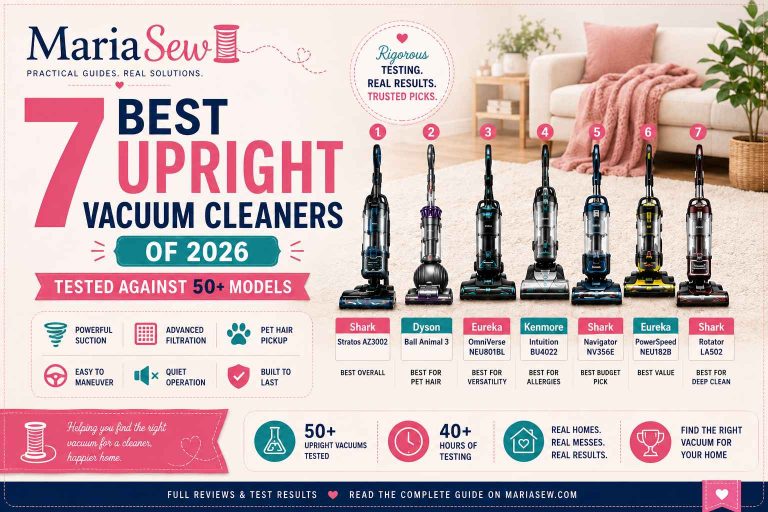
If you are still comparing categories, see MariaSew’s best cordless vacuum cleaners, best vacuum cleaners for home, and best upright vacuum cleaners guides for broader alternatives.
Frequently Asked Questions
Is the Levoit LVAC-200 a good cordless vacuum?
Yes for routine hard floors, low-pile rugs, light-to-moderate pet hair, stairs, furniture, and quick daily cleaning. It is less suited to deep plush carpet and long high-power sessions.
How powerful is the Levoit LVAC-200?
Levoit rates the vacuum at 70 Air Watts of suction with a 180 W motor.
Does the Levoit LVAC-200 really run for 50 minutes?
The up-to-50-minute figure applies to the crevice or pet tool on Eco. Levoit has 30 minutes on Eco and 14 minutes on Turbo with the motorized floorhead.
Is the Levoit LVAC-200 good for hardwood floors?
Yes. Its light body, LED floorhead, anti-tangle roller, and flat reach make it particularly convenient for sealed hard floors and routine fine debris.
Is the Levoit LVAC-200 good on carpet?
It can handle rugs and low-pile carpet, but I use higher power more often. Carpet-heavy homes should compare stronger models with more suction and longer powered-head runtime.
Is the Levoit LVAC-200 good for pet hair?
It is good for loose pet hair on floors and light upholstery cleaning. The anti-tangle roller helps reduce wrap, but the included pet tool is not motorized.
Does the Levoit LVAC-200 have a HEPA filter?
Levoit describes this model as having five-stage filtration that captures 99.9% of particles as small as 0.3 microns under ASTM F1977-22 testing. It does not currently market the LVAC-200 itself as a HEPA-filter model.
How big is the Levoit LVAC-200 dustbin?
The maximum dustbin capacity is 0.75 liters, or about 3.2 cups.
How long does the Levoit LVAC-200 take to charge?
Our unit took approximately 3 hours to charge from 0–100%. Levoit’s product page lists 4–5 hours, while its linked manual lists 3–4 hours. These published figures differ, so the 3-hour result should be understood as our observation rather than a universal charging specification.
Can the Levoit LVAC-200 battery be replaced?
Yes. The battery is detachable, and Levoit sells replacement LVAC-200 batteries separately.
Can the Levoit LVAC-200 clean under furniture?
Yes. The floorhead can lie 180 degrees flat, which helps the vacuum reach under sofas, beds, tables, and cabinets.
What is the best alternative to the Levoit LVAC-200?
For a same-brand upgrade, the LVAC-300 is the easiest step up. For premium lightweight cleaning, consider the Dyson V12 Detect Slim; for smart mixed-floor cleaning, Shark PowerDetect or Tineco S15 Pet are stronger options.


2 Comments