Brother CS5055 Sewing Machine Review: Pros, Cons, and Real Results
I recently spent some time with the Brother CS5055 sewing machine, and I wanted to share my thoughts. If you’re thinking about getting one, especially if you’re new to sewing or just need a reliable machine for everyday tasks, this review is for you.
I’ll cover what I liked, what I didn’t, and how it actually performed when I put it to the test. Let’s see if the Brother CS5055 is the right fit for your sewing needs.
Key Takeaways
- The Brother CS5055 is a user-friendly machine, making it a solid choice for beginners with its clear instructions and easy stitch selection.
- It handles basic sewing tasks well, producing good straight and zig-zag stitches on various fabrics, including some thicker materials like denim.
- While it offers 60 built-in stitches, which is plenty for most common projects, it lacks some advanced features found on pricier models.
- I found the automatic needle threader helpful, though it can take a little practice to get the hang of it.
- Some minor issues, like slight tension inconsistencies and a less stable feel during zipper sewing, were noted, but these are manageable for the price point.
Introduction to the Brother CS5055
When I first began researching sewing machines, the multitude of choices was overwhelming. I wanted something capable enough for basic projects that didn’t cost a fortune or would be a total pain to figure out.
Enter the Brother CS5055 sewing machine. It’s frequently touted as a good option for beginners, and I was curious to determine whether it deserved the praise. I want this Brother CS5055 review to accurately reflect the user experience, focusing on what it actually does (the presser back of its sewing machine and how it performs when you put it into proper use).
If you’re comparing beginner machines, you may also want to check out the Brother CS7000X Review and the Brother CS7205 Review, which are also popular options for new sewists.
Essentially, this machine simplifies the sewing process, making it a prime candidate for a beginner’s sewing machine for beginners. It features 60 built-in stitches, which may sound like a lot, but is actually just about enough to get started with. I thought the setup process was fairly simple. There are even numbered instructions for winding the bobbin and threading the needle, which really help a first-time sewer. The computerized display is not backlit, but it turned out to be fairly easy to read during my testing.
Here’s a quick look at some of its specs:
- Built-in Stitches: 60
- Buttonhole Styles: 7
- Maximum Sewing Speed: 750 stitches per minute
- Computerized: Yes
Understanding the basic components of a sewing machine can also make things easier when learning to use a new machine. If you’re unsure about the terminology, this guide on Sewing Machine Parts explains the main components clearly.
Key Features and Specifications
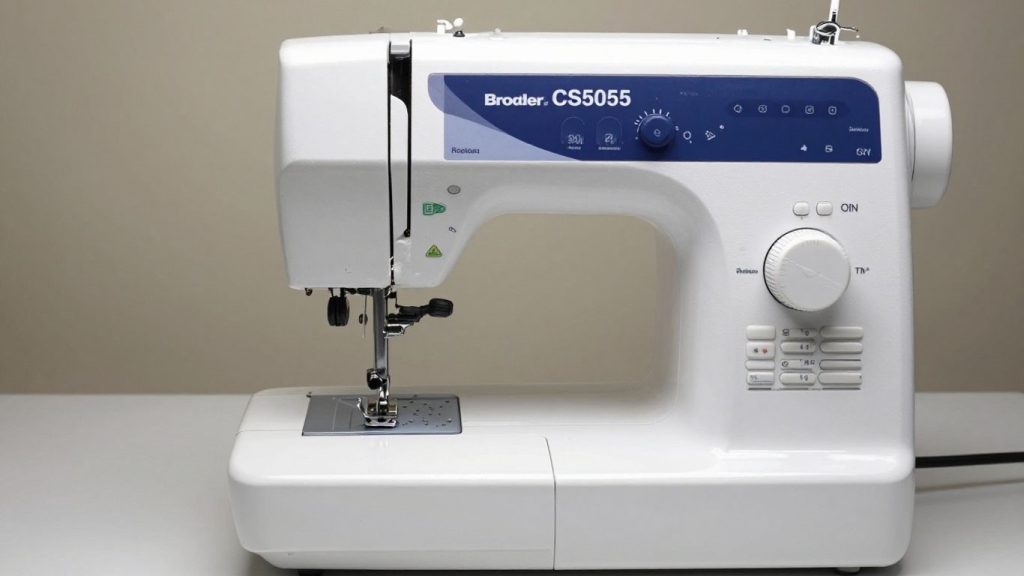
Let’s talk about what makes the Brother CS5055 tick. When I first looked at this machine, I wanted to know what it could actually do. It’s not just about stitches; it’s about how those stitches are made available and how easy it is to use them.
Stitch Selection and Options
The CS5055 is loaded with 60 Cool stitches. That’s a good number, but that just means it covers the most common utility stitches (straight stitches and zigzags) and some decorative ones. This is more than enough for most daily projects.
It also provides 7 styles of buttonholes, which is quite common for a computerized machine in this price point. It can, therefore, be used to create decorative stitches with a maximum stitch width of 7mm, as well as accommodating wider seams when required.
These stitches are more than enough for beginner projects such as tote bags, aprons, and small DIY crafts. If you want to try a beginner-friendly project, you might enjoy making a Simple Tote Bag at Home or learning How to Sew an Apron.
Automatic Needle Threader
I am a fan of this feature. On the CS5055, you push a lever down to guide the thread through the eye of the needle. That doesn’t always work perfectly, especially with thicker threads, but it’s a far cry from having to try to thread it the old-fashioned way, which is particularly annoying when I’m in a hurry or my eyesight isn’t great.
If you’re new to sewing tools and accessories, having the right beginner equipment can make learning easier. You can also explore Sewing Kits for Beginners You Can Buy Online to build a proper starter setup.
Adjustable Speed Control
I enjoyed the functionality of adjustable speed control. A slider lets you set the maximum sewing speed, which is useful for newbies who want to go slowly and steadily or for detailed work. It has a 750-stitch-per-minute maximum sewing speed, which is a good average.
Many machines in this beginner category offer similar speed ranges, including models like the Singer HD500 Sewing Machine.
Free Arm Capability
Like most modern sewing machines, the CS5055 has a free arm. Like this, you can take out someof the flatbed and mold with a cylinder. It’s incredibly useful for sewing things like sleeves, pant legs, or cuffs, basically anything small and tubular that would be tricky to feed around a standard flatbed
.Here’s a quick look at some of its specs compared to a couple of other popular Brother models:
| Feature | Brother CS5055 | Brother CS7000X | Brother CS6000i |
|---|---|---|---|
| Number of Built-in Stitches | 60 | 70 | 60 |
| Buttonhole Styles | 7 | 7 | 7 |
| Max Sewing Speed (spm) | 750 | 750 | 850 |
| Automatic Needle Threader | Yes | Yes | Yes |
| Free Arm | Yes | Yes | Yes |
| Computerized | Yes | Yes | Yes |
| Stitch Width | 7mm | 7mm | 7mm |
Ease of Use for Beginners
So when I began researching sewing machines, I knew that I wanted one that wouldn’t make me want to quit before I’d even begun learning. The Brother CS5055 really delivers in that department. It’s pretty simple, which is a huge relief when you’re just starting.
What I Love Is That The Stitches Are Right On The Machine. You just look above the stitch you want, take its corresponding number, and use the + and – buttons to get there. And the same for stitch length and width adjustments. It’s all clearly labeled, so you don’t have to guess. Oh, and those most loved sizes are marked with a tiny circle around them, too, super handy when you’re trying to recall what worked best.
So one of my favorite features is the automatic needle threader. I know, it makes threading the needle so much easier than I ever imagined.” It’s one of the kinds of features that just takes a common annoyance out of the equation.
Overall, selecting stitches came very intuitively to me. No fiddling with obscure knobs here; everything is exact and controllable. That makes it so easy to refine your settings and just sew.
This is especially useful if you’re still learning sewing basics. Beginners who want to understand the fundamentals of sewing may benefit from starting with guides like How to Learn Sewing.
Here’s a quick rundown of why I think it’s beginner-friendly:
- Clear Stitch Display: All 60 built-in stitches are printed directly on the machine.
- Simple Controls: Easy-to-use +/- buttons for stitch selection and adjustments.
- Automatic Needle Threader: Takes the hassle out of threading the needle.
- Adjustable Speed: Lets you sew at a pace you’re comfortable with.
I haven’t gotten a whole lot of time with it yet, but I have noticed some tension issues with some decorative stitches, such as the scallop stitch. It required a little fiddling to get it perfect, but for basic stitches like straight and zig-zag, it worked quite well. This machine is a good option if you’re just starting and don’t need to feel overwhelmed.
Performance and Durability: Real Results
Sewing Different Fabric Types
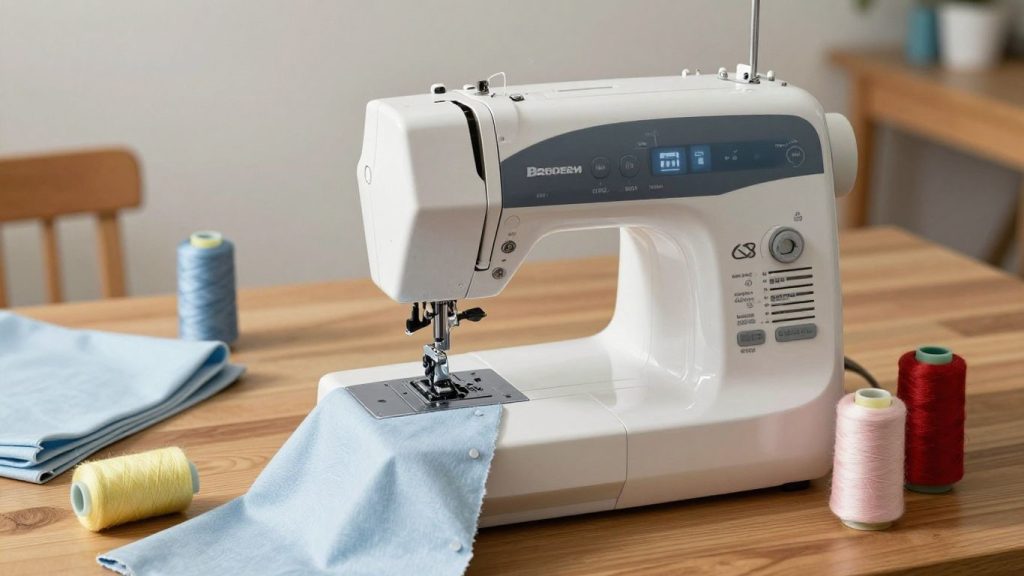
How it would handle different materials was a major question mark in my head when I first got the Brother CS5055 in my hands. I mean, it’s not an expensive machine, so I wasn’t expecting miracles here, but I was pleasantly surprised. I started with a little regular cotton, which couldn’t taste bad, or I would have problems. Then came a little denim, and while that was hardly a piece of cake, it actually got through several layers without getting bogged down too badly.
The real challenge was stretch knit fabric, which, to be fair, it took a decent shot at. I did need to decrease the speed a bit and use a ballpoint needle, but it worked like a charm, and all of my stitches were nice and consistent. It did have a little difficulty with very thin, slick fabrics like silk or chiffon. I noticed a few skipped stitches and puckering if I didn’t pay careful attention to my tension settings. It’s never going to be your muscle machine for heavy-duty upholstery or ultra-delicate silks, but on the more day-to-day projects and most common of fabrics, it works like a champ.
For heavier fabrics, though, many sewists prefer heavy-duty machines like the Singer 4452 Heavy Duty Sewing Machine, which are built specifically for thicker materials.
Here’s a quick look at how it performed on a basic running stitch across a few materials:
| Fabric Type | Performance Rating (1–10) |
|---|---|
| Cotton | 9 |
| Denim (2 layers) | 7 |
| Stretch Knit | 7 |
| Silk | 6 |
Noise Level and Vibration
One of the things on my mind is how clattering a sewing machine can be. I’ve used machines that sound as if a small engine is about to take off, and others that hum at a low decibel level. The CS5055 is a trade-off, but between good and bad. If anything, it is not silent at all. At speed, I can hear a distinct hum and whir as I run it.
It’s certainly apparent, but not distracting. I could walk around in the same room and talk without having to shout. But vibration is pretty slight, at least on my rock-solid cutting mat. No more dramatic shaking/walking across the table, yay! It’s felt stable, even when I’m pushing it a bit faster.
I was pleasantly surprised that the machine held up during all of this, even as I tackled thicker fabrics and worked at a fast pace. It didn’t feel like it was gonna bouncin’ off the table, which has been the case with some other machines in this price point.
Overall, both noise and vibration levels were well within tolerances for home sewing use. It’s not the quietest machine I’ve used, but it is nowhere close to being the loudest either, and a stable performance is enough of a win for me.
Pros and Cons of the Brother CS5055
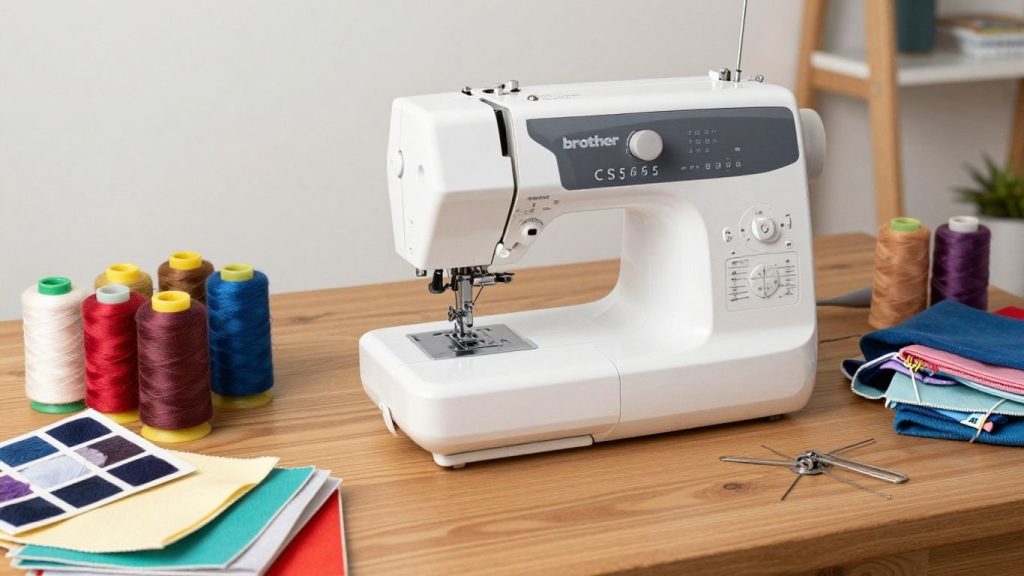
When I look at the Brother CS5055, I see a machine that really tries to hit a sweet spot, especially for folks just getting into sewing. It’s got a lot going for it, but like anything, it’s not perfect. Here’s my take on the Brother sewing machine pros and cons.
If you’re still researching beginner machines, you may also want to explore guides like Best Quilting Sewing Machine to see how different machines compare.
Pros of the Brother CS5055
- Easy Setup: This is where the CS5055 perplexed. Threading and winding the bobbin are simple thanks to numbered instructions right on the machine. Ideal for when you’re a 10 on the overwhelm scale if some item takes an extra couple of seconds to get started.
- Good Stitch Quality: The stitches turn out looking neat and even without too much effort, which is what you want for an everyday project. I tried it on a handful of fabrics, and most did pretty well, including bulkier layers like denim. The straight stitch, especially, is quite nice.
- Excellent Selection of Stitches: I felt that 60 built-in stitches were more than enough for basic sewing, mending, and a few decorative touches. It isn’t hundreds, but it’s a good selection that covers most bases.
- The Price is Right: This is a deal-breaker. Price: The value here is phenomenal for the features; they make it much more viable for a beginner or on a lower budget.
Cons of the Brother CS5055
- No Need Up/Down Button: This may seem like a small detail, but I have really grown accustomed to being able to place the needle either up or down. It makes for a slightly more fiddly pivot of the fabric than it oughta be.
- Presser Foot Stability: I found in some tests, particularly when sewing on zippers or bulkier seams, the presser foot didn’t seem as stable as I would prefer. It was occasionally a bit wobbly, which can alter stitch consistency.
- Basic Display: The display is easy to read, but it’s not backlit. In lower light, I was a little squinty trying to see the stitch selection.
- Plastic Parts: It should keep costs down, but I am curious to know how they hold up over time compared to machines that have metal parts. It seems a little lighter than some other machines I’ve tried.
All in all, I believe the Brother CS5055 is an excellent option for anyone seeking a machine that learns easily and won’t cost an arm and a leg. Just be mindful of a couple of its limitations, especially if you intend to jump into more complex projects immediately.
Comparing the Brother CS5055 with Other Machines
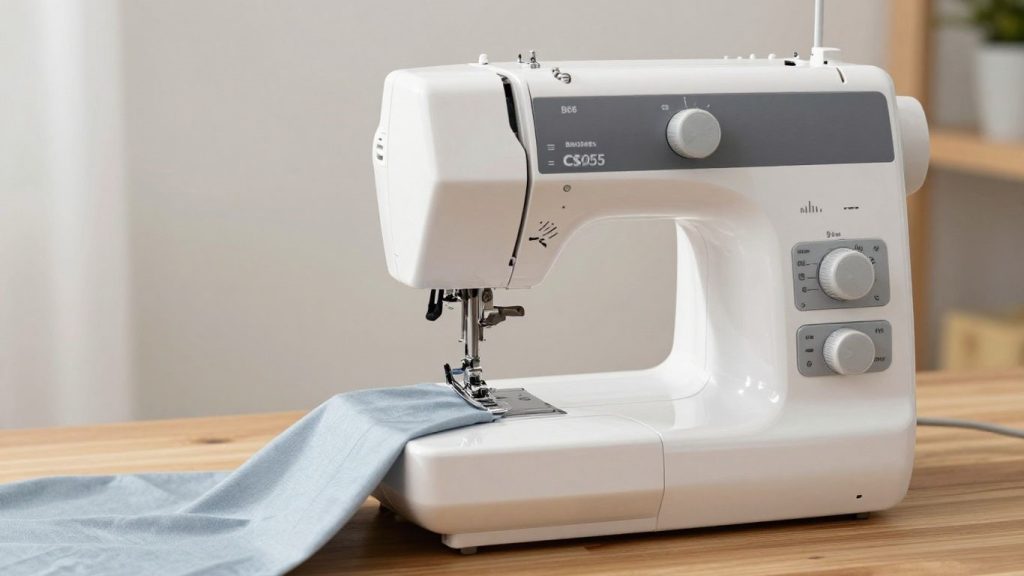
Whenever I’m thinking about a new sewing machine, one of the things I always want to check out is how it stacks up with some of the other popular machines by the same maker. It allows me to find out if I’m getting the most bang for my buck or if a bit of extra investment would get me something substantially better. In order to contrast these two entry-level sewing machines, I’m going to take a look at some Brother models that regularly make it onto the best beginner sewing machine list.
Brother CS5055 vs Brother CS7000X
Based on specs alone, the Brother CS7000X seems a huge leap above the CS5055, and I can see what it’s often part of those discussions. The CS7000X features more stitches (70 vs. 60 on the CS5055) and more presser feet (10 vs. 7). Both of which are good pluses to stay organized and have extra working area too, it does include a hard case as well and an extendable table.
The bobbin winding seems easier on the CS7000X, and it has a few more advanced computerized features as well. However, the core functionality and ease-of-use are broadly similar.
The CS5055 is much cheaper, so if you don’t need all those extra stitches or accessories, it’s a fine machine. The CS7000X is a technically more advanced machine, but whether those improvements are worth the extra money really depends on your exact sewing projects.
The Brother CS7000X offers more stitches and accessories, including a hard case and extension table.
However, the CS5055 is more affordable and still offers excellent beginner features.
Brother CS5055 vs Brother CS6000i
This is a much trickier comparison, of course, since the CS6000i is less commonly covered in recent reviews for direct comparison. The CS6000i has historically been quite common, but usually went head-to-head with the CS5055. Both are Brother brand computerized sewing machines for beginner sewers, and both are good basic models with a decent assortment of stitches and easy-to-use toggles like an automatic needle threader.
The CS6000i only added a couple more decorative stitches, often with a quilting table. For the price of an entry-level computerized sewing machine, I think the CS5055 has superb stitch quality and is very solid-feeling. If you’re lucky enough to find a second-hand one in decent working order, the CS6000i is still an excellent choice when it comes to the best brother sewing machine models for newbies.
Machines like the Singer 4452 Heavy Duty Sewing Machine are built for power and speed, making them better suited for thick materials like canvas or upholstery.
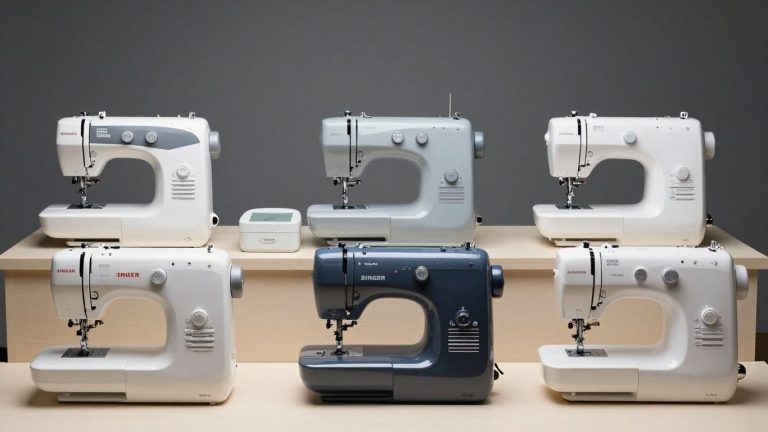
Brother CS5055 vs Singer Heavy Duty 4423
Now we move into another class of discovery. Singer Heavy Duty 4423 is a mechanical machine (the CS5055 is computerized). It’s built for power and speed, often suggested for much heavier fabrics, like those used in denim or canvas. The CS5055 is good for general sewing and lighter projects, but the 4423 is a workhorse.
Here’s a quick look at how they differ:
- Brother CS5055: Computerized, 60 stitches, automatic needle threader, lighter duty.
- Singer 4423: Mechanical, 23 stitches, manual threading, heavy-duty construction.
The CS5055 has more modes, stitch variety, and modern conveniences than the 30S, making it a solid machine for those beginners who want to experiment a bit with their sewing as well. The Singer 4423, however, is all about raw strength and durability for heavy fabrics. Just one of those that correct tools for the work sort of situations. If you were using a lot of upholstery or thick denim, I would choose the Singer.
For general crafting or garment making and getting your feet wet, however, the Brother CS5055 is an ideal mixture of complexity and features. If you’re looking for a machine that’s heavy-duty enough to chug through multiple layers at a time, the Singer Heavy Duty 4423 is currently very highly rated.
In the end, which of these models is better for you depends on what you’re looking to sew. The CS5055 is a great all-rounder for beginners, but machines such as the Singer 4423 specialize in more heavy-duty tasks.
Comparing More Brother Sewing Machines?
If you are still deciding which Brother model is right for your projects, our full guide can help you compare more options. Check out our complete roundup of the best Brother sewing machines before making your final choice.
Who Is the Brother CS5055 Sewing Machine Suitable For?
Our top choice is the Brother CS5055 sewing machine, a model that’s especially well adapted for beginner and hobby sewists looking for an easy-to-use computerized machine at a reasonable price point. This simple machine, which features a no-frills control panel, an automatic needle threader, and tons of built-in stitches, allows new users to start sewing right away and doesn’t require much of a learning curve. Novices also appreciate the extra features it includes, like adjustable stitch length and width, making it even easier for them to tackle basic projects, sewing hems on clothing or pillowcases, or small DIY craft projects.
The Brother CS5055 is another great choice for home sewists looking for a lightweight and versatile machine to handle day-to-day sewing jobs. It’s nice for basics like cotton, linen, and lighter-weight denim, so it’ll work well for quilting, simple garment sewing, and home décor projects. It’s not really intended for heavy-duty industrial sewing, but it has more than enough functionality to get most basic home projects done. The Brother CS5055, however, is often stamped with the seal of approval as one of today’s best entry-level computerized sewing machines, perfect for those on a budget who want the best balance between features and ease in their first home sewing machine.
If you’re planning your first projects, you might start with beginner-friendly tutorials like How to Make a Simple Tote Bag at Home or How to Sew an Apron.
So, Should You Buy the Brother CS5055?
Having spent a few hours with the Brother CS5055, I can say that it’s an overall good machine, and especially nice if you’re just getting your feet wet in terms of actual sewing. It really does keep getting started fairly simply, and the price tag isn’t merchandise at all. And while not perfect, I did approach it with a few tension quirks, and the buttonholes could be slightly finicky; these are small details in terms of the kinds of projects this machine is designed to make.
For light mending, simple clothing projects, and to try your hand at sewing, I think this machine is a winner. You’re probably not going to need anything more than the CS5055 for everyday sewing tasks and most beginners, because if you want to get into real complex tailoring or other intricate designs, then sure, you’ll use a different machine entirely, something a little bit more advanced.
If you’re just starting your sewing journey, pairing this machine with a beginner guide like How to Learn Sewing can make the learning process much smoother.
Frequently Asked Questions
Is the Brother CS5055 good for sewing thick materials like denim or quilting fabric?
Yes, what I found was that the Brother CS5055 does a good job with thicker fabrics, such as quilting fabric and denim. It even handled some thicker fabrics better than pricier machines I tested. More on that in the right needle and thread settings for those tougher jobs
How easy is it to thread the needle on the Brother CS5055?
The threading process, I was pretty happy with. It includes a semi-automatic needle threader that assists you in moving the thread through the hole of your needle. It is a bit of an adjustment, but much easier than attempting to do so manually, especially for someone like me, who at times needs reading glasses for that level of detail.
Can I use the Brother CS5055 for sewing zippers or making buttonholes?
Sewing zippers was a little more awkward for me; the presser foot felt slightly flimsy, and my stitches weren’t always even. The machine has a one-step procedure for buttonholes, which is nice, but I had to remember to hold onto the top thread very firmly at the beginning of this step, or it would go awry. You can do it, but it takes a bit of practice.
Does the Brother CS5055 have a lot of different stitch options?
It features 60 built-in stitches. That’s not as many as some of the super-fancy machines you can find, but it was plenty for all my basic sewing and mending needs, plus a handful of decorative projects. You can also adjust the length and width of most stitches for a different appearance.
Is the Brother CS5055 noisy when it’s running?
As far as sewing machines go, the Brother CS5055 was relatively quiet compared to others I’ve used. It’s not quiet, of course, but I didn’t find the noise to be a problem at all while I was sewing.
Who is the Brother CS5055 best suited for?
Overall, I feel this machine is a great beginner sewing machine or good for those who want something they can get out and use for basic tasks and simple projects. It’s simple to set up, easy to use, and affordable, a really good value.

One Comment