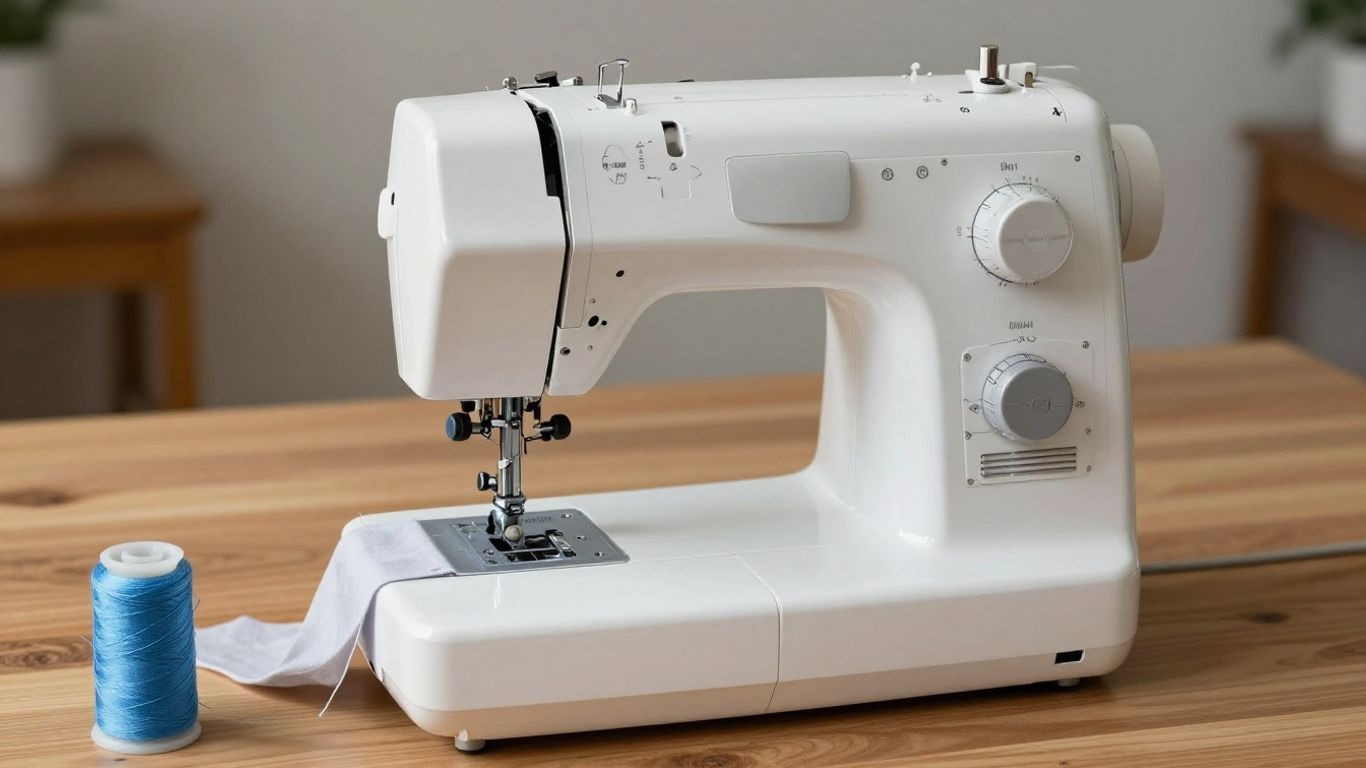
Honest SINGER M3500 Lightweight & Portable Sewing Machine Review for Beginners
When my old sewing machine finally gave out, I spent days reading SINGER M3500 reviews and wondering if it could handle everything I wanted to make. I was looking for something light, simple, and not too expensive. When the SINGER M3500 arrived, I was both nervous and excited.
After a few weeks of hemming pajamas, patching jeans, and teaching my niece to sew scrunchies, I feel like I can give an honest take. Here’s what I’ve learned about the SINGER M3500 as a beginner sewing machine, with all its quirks and surprises.
Key Takeaways
- The SINGER M3500 is easy to carry and doesn’t take up much space, great if you don’t have a dedicated sewing room.
- Threading is pretty straightforward, especially with the guides on the machine, though the front-loading bobbin may take some practice.
- It handles basic projects like hems, curtains, and simple crafts well, but struggles a bit with very thick fabrics unless you use the right needle.
- Online tutorials are super helpful for setup and troubleshooting; the printed instructions aren’t always clear.
- If you’re just starting or need a backup machine, the SINGER M3500 is friendly, reliable, and not overwhelming.
SINGER M3500: An Overview for Beginners
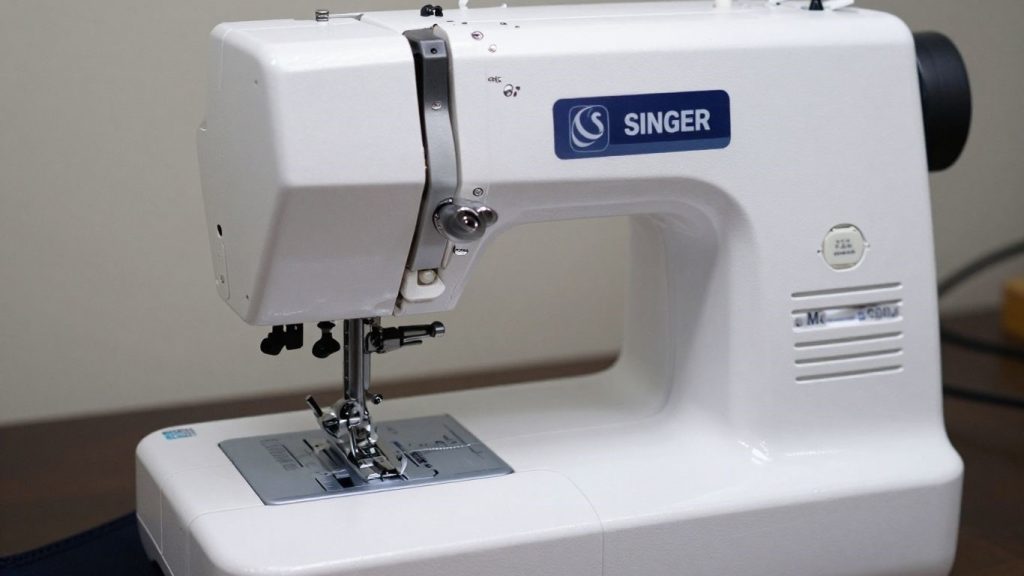
When I began my search for a sewing machine, the overwhelming amount of available options was daunting. I wanted a solution that wouldn’t be too expensive, would be easy to set up, and wouldn’t take up half my living room. Having read so many Singer M3500 reviews, I figured, why not give it a try? It quickly earned a spot on my top beginner sewing machine list, and honestly, it’s an excellent choice for anyone new to sewing or looking for a reliable small-project low-tech machine.
And this machine is a good reason why it’s often referred to as the best beginner sewing machine. It’s also not too complicated, which is a big benefit when you’re learning. The setup is fairly simple, and the machine itself has clear guides printed directly on it to aid you through threading.
I was afraid of threading machines at one point, but the M3500 makes it a breeze, even though it has a built-in needle threader. It is so much of a compact a sewing machine for students or anyone that has a tight space, and it’s definitely one of the best sewing machines I’ve come across for beginners.
Understanding the basic sewing machine parts beforehand can also make the setup process much easier for beginners.
Here’s a quick look at what makes it stand out:
- Easy to Use: Each threading step is numbered, a dial lets you choose the stitches, and an LED light helps too.
- Portability: It’s really light, so bringing it from storage to your sewing area is easy.
- Sewing Options: A good amount of stitches for everyday projects and a few decorative ones, too.
The Singer M3500 is all about accessible sewing. It steers clear of overly complicated features that might frustrate novices and instead emphasizes core functionality and usability. This makes it the perfect project for learning basic sewing techniques.
This is a great little sewing machine that can sew small projects, from fixing clothes to being a part of simple home decor. The M3500 is an ideal option if you want to buy a beginner sewing machine that offers performance, ease of use, and is priced within a nominal cost range. It manages everyday fabrics well, and with the right needle, can even take on tough materials like denim. I’ve also found it to be a trusty companion through my sewing adventures and recommend it as an excellent option for beginners or those returning to sewing after a hiatus.
This makes it the perfect machine for learning basic sewing techniques and starting small DIY projects like how to sew an apron or how to make a simple tote bag at home.
Key Features and Specifications of the SINGER M3500
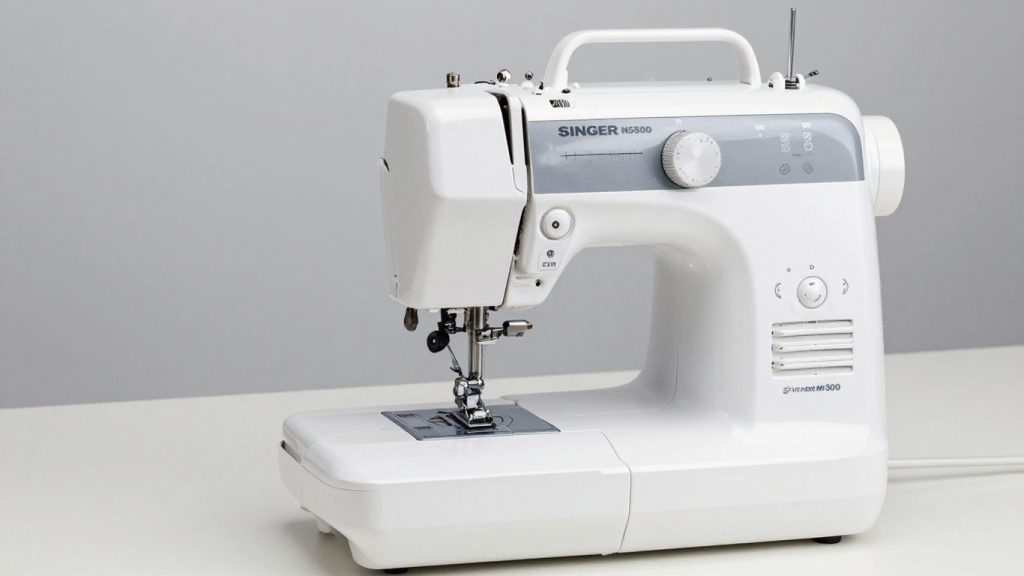
As I unboxed the SINGER M3500, I wondered what made it tick. It’s pitched as a beginner-friendly machine, and I wanted to test if that was true. It has a solid package of accessories, which bodes well for a starter machine. You start with the fundamentals, an all-purpose foot, a zipper foot, and a special one for buttonholes, among a few other bits and bobs.
If you’re new to sewing equipment, having the right tools can make a big difference. A beginner-friendly setup like the ones mentioned in sewing kits for beginners you can buy online can help you get started quickly.
Stitch Options and Their Uses
Stitch Options: The M3500 has 32 options. That may sound like a lot of stitches, but for a beginner, it’s a nice variety of practical ones. You have your basic straight stitch, zigzag stitches for finishing seams or decorative purposes, and a couple of stretch stitches that will come in handy with knits.
It also features an automatic one-step buttonhole function, which saves time to create very neat and nice-looking buttonholes for shirts or other things. It even features a blind hem stitch, which is perfect for keeping hems looking tidy without the stitches being visible on the outside. There are a few decorative stitches for those more advanced, but I mostly kept it basic.
Ease of Use: Threading, Bobbin Winding, and Stitch Selection
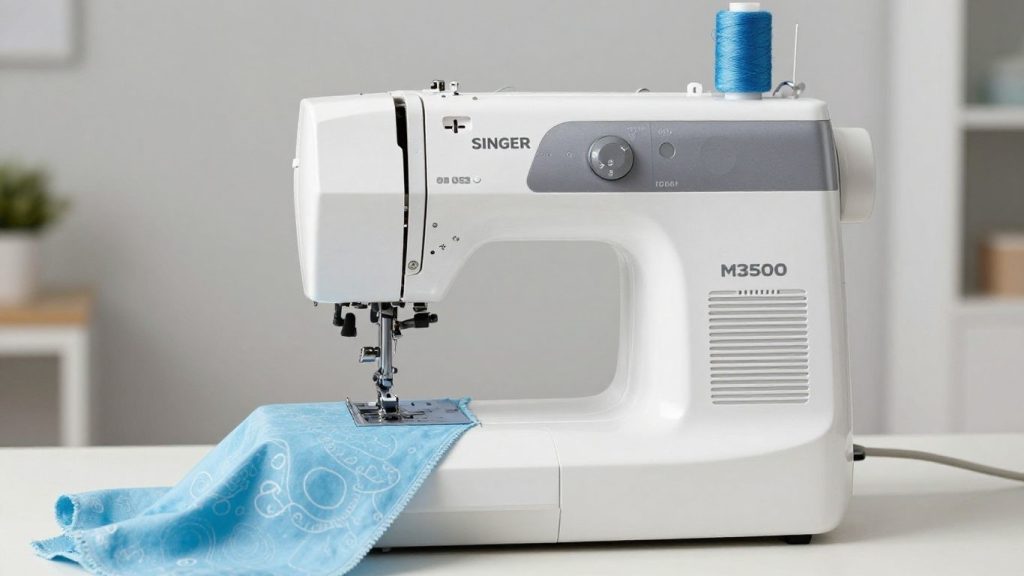
This is where the M3500 comes into its own for newcomers. The threading path is clearly printed in numbers right on the machine, which is a godsend while you’re still getting used to it. I thought it was pretty simple, and it even has an automatic needle threader, a nice little helper.
Although it is equipped with a front-load bobbin, winding the bobbin is also easy. It took me a second to get used to putting in the bobbin the right direction so it spins the correct way, but after I figured out the little trick, it was all good. A dial selects the stitch, and separate knobs control length and width. It’s all very intuitive.
If threading ever confuses you, reviewing how to thread a sewing machine can make the process much easier.
Portability and Design: Is it Truly Lightweight?
Singer describes this machine as lightweight and portable, and I have to agree. It’s not feather-light, but it is light enough that I could blithely bring it with one hand from my sewing room to the kitchen table without feeling like I was wrangling some small appliance. It has a fairly good amount of space around the needle area, and the extension table attaches and detaches very easily.
Underneath the extension table is a small compartment for storing your accessories, which will help you keep everything tidy. It is not the prettiest machine I’ve encountered on my various journeys, but it does do what you would hope and doesn’t take up huge amounts of room, so great for smaller homes or if you need to stash it away regularly. It was very easy to transport over to my sewing spot.
The machine runs at a noise level generally below 75 dB(A), which is fairly typical. It’s not quiet, but it’s also not obnoxiously loud. Just remember to stay fingers away from moving parts, and to unplug the machine entirely before you do any cleaning or adjustments.
Here’s a quick look at what comes in the box:
- All-purpose foot
- Zipper foot
- One-step buttonhole foot
- Button sewing foot
- Edge or quilting guide
- Darning plate
- Screwdriver and seam ripper
- Pack of needles
- Four Class 15 bobbins
- Spool holder
- Soft cover
Performance: How Does the SINGER M3500 Sew?
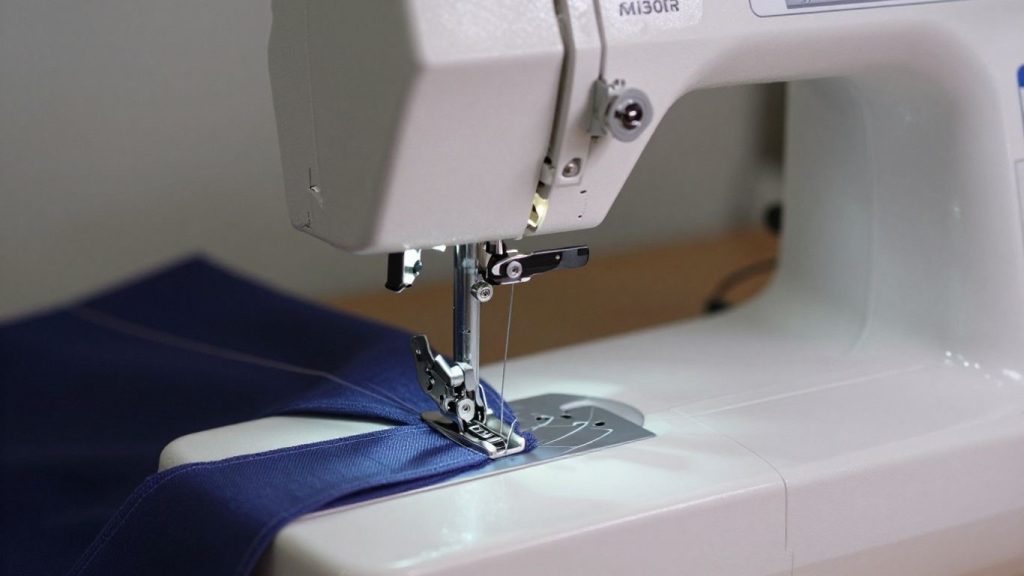
When I first got mine on the SINGER M3500, I wanted to know how this portable, lightweight sewing machine would be able to perform. I mean, something so small and easy to transport really can tackle real sewing tasks without fuss? I tested it out, and to be honest, I was quite impressed.
Sewing Different Fabric Types
I began with basic cotton fabric, like you might find used for pillowcases or simple tote bags. It handled it like a dream. The stitches were even, and the fabric moved through well. For these kinds of everyday projects, it really felt like the best sewing machine for home use. Then I thought, let’s stretch it a bit. I picked up an old pair of jeans to hem. I folded the denim a few times for extra heft, replaced it with a clean, slightly larger needle (a 100/16), and took a deep breath.
For beginners learning projects like how to make a simple tote bag at home, the stitches stay even and the fabric feeds smoothly.
The M3500 didn’t even flinch. It skirted right over the thick seam with only a little encouragement from the foot pedal. My old machine would have likely broken a needle or jammed up entirely. This little machine just wouldn’t stop. I also used some knit fabric for an easy t-shirt repair. With a ballpoint needle and an ever-so-slightly adjusted tension, it was able to sew the stretchy stuff without skipping stitches, which less capable machines may struggle with.
Later I experimented with denim, knit fabrics, and quilting cotton. For quilting enthusiasts looking for more specialized machines, you might also want to explore best quilting sewing machine options.
Durability and Build Quality
I was a little worried about its build quality for such a light machine. Would it feel flimsy? Would parts break easily? I must say, it feels a lot more solid than I expected. The plastic exterior feels solid, and its internal metal frame adds an appreciable heft without making it heavy. All the dials and levers feel solid, with smooth action.
I haven’t experienced any sort of looseness or wobbliness from parts, even after a few hours of sewing. Singer clearly put some thought into making this not just a novelty item but also a more durable little workhorse. It’s certainly a small sewing machine for home use that feels anything but cheap.
If something goes slightly wonky, which it always does with any sewing machine, I’ve found that most problems tend to be caused by basic threading errors or not seating the bobbin correctly. Hotshot (or thread out), refer to the manual or a quick YouTube video, and we are usually up and running fine. It rewards careful setup.
Most sewing problems I encountered were related to threading mistakes or bobbin placement, something beginners commonly face while learning how to learn sewing.
Here’s a quick look at how it handled different fabrics:
Overall, I think the SINGER M3500 is a great little machine for only being so big and well-priced. It’s a great portable sewing machine for small projects and everyday mending work, and it can even do a little more than that if you use the right needle and settings. It is surely an easy-to-use sewing machine review that shows its practical work.
Pros and Cons of the SINGER M3500
So, after spending some time with the SINGER M3500, I’ve got a pretty good handle on what it does well and where it might leave you wanting a bit more. It’s not perfect, but for its price point and target audience, it really shines in a few key areas.
Pros of the SINGER M3500
- Easy Setup for Beginners: Actually, threading this machine was much simpler than I would have imagined. The teeny numbered guidelines printed directly on the body are a lifesaver, and would be a needle threader? Pure magic. It made me feel like I could potentially do this sewing thing without a degree.
- Lightweight / Portable, this is a big one for me. Since I do not have a sewing room, simply transferring it from the closet to the table in the kitchen back and forth is wonderful. It’s light enough to handle one-handed, which is a big win.
- Handles Everyday Projects Well: Things like hemming pants, making simple tote bags, or whipping up a quick set of curtains are all things this machine excels at. It worked with cotton fabrics like a dream, and even handled the occasional layer of denim if you got the right needle and took care.
- Good Value: For what you get, a solid number of stitches, a one-step buttonhole, and other features, plus the portability, the price felt really fair. It’s a good entry-level machine that won’t cost you too much.
- Free Arm: The free arm allows you to sew small projects such as cuffs, sleeves, or scrunchies easily. That makes those fiddly bits much easier to handle.
Cons of the SINGER M3500
- Crossover Learning Curve: While it works well, the front-loading bobbin case took me a bit to get adjusted to. I didn’t seat it exactly right the first few times, and things went a little haywire. It’s not hard, but it is something you have to pay attention to.”
- Limited Heavy-Duty Capability: Don’t expect this machine to breeze through thick upholstery fabric or several layers of canvas. It works better on lightweight to medium-weight materials. Pushing too hard can cause skipped stitches or jams.
- Inching for a Wider Stitch Width: On some decorative stitches, I found myself craving just a touch wider stitch width. It’s fine for basic use, but if you get into detailed decorative work, it may feel a little limiting.
In the end, SINGER M3500 is a very capable machine for learners or anybody who needs a reliable and portable solution to basic sewing. It rewards you with a quality setup and patience, and its foibles are largely commensurate with what you’d expect in a low-end, lightweight mode. It’s a sociable machine that tackles most return home sewing tasks with gusto.
Who is the SINGER M3500 Best Suited For?
Honestly, if you’re a total sewing novice (or returning from a long hiatus), I think this machine is an excellent option. Not too difficult, which is a really good thing when you’re trying to teach yourself. I think the selection of stitches is relatively simple, as well as the threading (after you learn how to use the front-loading bobbin, which takes a moment but is manageable if you do it two or three times). It’s certainly not a heavy, clunky machine; I can move it around easily in my workspace or even tuck it away when I’m not actively using it.
If you are in search of an appliance that won’t leave you feeling challenged and will allow you to gain skills on basic sewing tasks, the M3500 is a fantastic selection. It’s a workhorse for simple projects and a terrific way to get your feet wet without a massive investment.
It’s not too complicated, which is perfect when you’re learning the basics through guides like how to learn sewing.
So, to sum it up, I’d say this machine is perfect for:
- Complete novices looking for a no-pain introduction to sewing.
- Hobbyists looking for a dependable machine to do small to medium-sized work.
- Everyone who wants a lightweight portable option to work through some classes or small living quarters.
- People resuming sewing after years away and needing a no-fuss machine.
It’s a supportive presence on your creative journey, not an expensive instrument. If you have been wanting to learn to sew but are intimidated by the first steps, the SINGER M3500 is definitely worth a look. It’s a great base before you determine whether or not you’d like to invest in more advanced sewing machinery.
Comparison with other Machines
I spent quite a while comparing different models when I was looking for a beginner sewing machine. As you can imagine, the options are super overwhelming, so I thought I would compare how the SINGER M3500 compares to a couple of other popular options that were on my radar.
When comparing beginner machines, I also looked at other popular models like the Brother CS7000X review and Brother CS7205 review to see how they stack up in terms of features and performance.
SINGER M3500 vs Brother XM2701
The M3500 appears with the Brother XM2701 quite often in comparison lists, and for good measure. Both are designed for new sewists and have a solid basic stitch selection. The XM2701 has 27 stitches while the M3500 has 32– but the XM2701 has built-in stitches versus more than the others.
But, the M3500 also comes with a few more decorative stitches, as well as a one-step buttonhole, which is great to have for fast and simple making of button holes. The good part about the M3500 is that it also feels a bit sturdier with its metal frame, which I really loved. Both are fairly lightweight, so you can easily move them around.
SINGER M3500 vs SINGER Start 1304
This is an interesting comparison since they’re both singers. The Start 1304 is a more basic machine that has only 6 built-in stitches. It is certainly more basic, which could be a good thing if all you really want to do is straight stitches and zig-zags.
But the M3500 offered a broader range of stitches without being overwhelming for me. And if an automatic, one-step buttonhole is a big thing for you, as it can be, the M3500 does have it, while the 1304 doesn’t. The M3500 is also a little heavier, but it is not so heavy as to sacrifice its portability.
SINGER M3500 vs Brother SM2700
Another challenger that is frequently mentioned as an alternative is the Brother SM2700. It has 27 stitches like the XM2701, plus a one-step buttonhole. One notable point is that in some cases, you’ll notice that the SM2700 is marketed as having superior features like a needle threader, something that’s notably absent from the M3500. The M3500, on the other hand, had a better selection of stitches, especially decorative ones that suited the types of projects I wanted to use it for. The metal frame of the M3500 also has a slight advantage in perceived durability for me.
When I checked out all these machines, though, I learned that while stitch count matters, the types of stitches available and features like a one-step buttonhole made more of a difference at my level as a beginner. I also had portability and simplicity of setup high on my list.
Here’s a quick look at some specs:
So, Is the Singer M3500 Worth It?
As a host for the M3500, having spent some time with it myself, I can offer that it’s actually a pretty strong device, especially if you’re brand new to sewing or need something more mobile. It was able to tackle my routine projects, like hemming pants and creating generic crafts, without much drama. Threading it was surprisingly easy, courtesy of the guides on the machine itself, and though the front-loading bobbin took me a minute to figure out, a quick look at a video made it no big deal.
It won’t tackle super heavyweight stuff like thick upholstery, but for cottons and even a few layers of denim, with the right needle, it did well. For its price and portability, I find it to be an excellent little workhorse that gives sewing a feeling of accessibility rather than intimidation. If you want a low-drama machine for basic works, this is worth considering.
It handles everyday projects well, from basic clothing repairs to beginner DIY items like how to sew an apron or simple tote bags.
Frequently Asked Questions
Is the SINGER M3500 really good for someone just starting to sew?
Absolutely! I found this machine to be just so friendly for beginners. It’s not overly complicated, and the guides printed directly on the machine make threading way easier than I thought. Plus, it’s great for simple projects like hemming or basic crafts.
How easy is it to set up and start using the SINGER M3500?
Setting it up is a breeze. After a quick view of the online videos, I thought the threading process, including the automatic needle threader, was very easy. The first time we wound the bobbin, it took a little practice, but only a little bit. Once I got used to it, threading the machine was entirely intuitive and straightforward.
Can I sew different kinds of fabric with this machine?
For everyday fabrics, such as cotton, it’s a champ! I’ve even been able to sew denim if I use the right kind of needle and take my time. It can also deal with stretchy materials (you may need a special needle for those, though) if you get it right. It works best for light- to medium-weight materials, though.
Is the SINGER M3500 truly lightweight and easy to move around?
Yes, it really is! I could carry it with one hand and slide it onto my kitchen table without breaking a sweat. It’s lightweight enough that you can easily store it away or bring it to a sewing class if needed. It doesn’t feel wobbly, though; it feels solid and nice.
What accessories come with the SINGER M3500?
You get a decent set of nuts and bolts to start you off! Inside the box were an all-purpose foot, a zipper foot, a buttonhole foot, a pack of needles, bobbins, and a seam ripper, among other things. It features a soft cover as well to keep it dust-free.
What should I do if my machine jams or skips stitches?
Don’t panic! Jams or skipped stitches occur due to threading problems most of the time. I typically re-thread the entire machine, ensuring that both bobbin and thread are threaded in all guides properly and seated into their place snugly. (Most of the time, simply switching to a new needle solves the issue as well.)