SINGER Heavy Duty 6700C Review 2026 Is This Computerized Machine Worth Itv
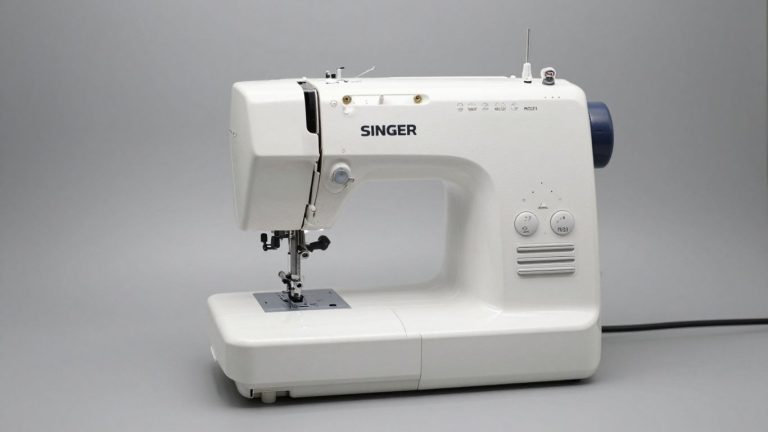
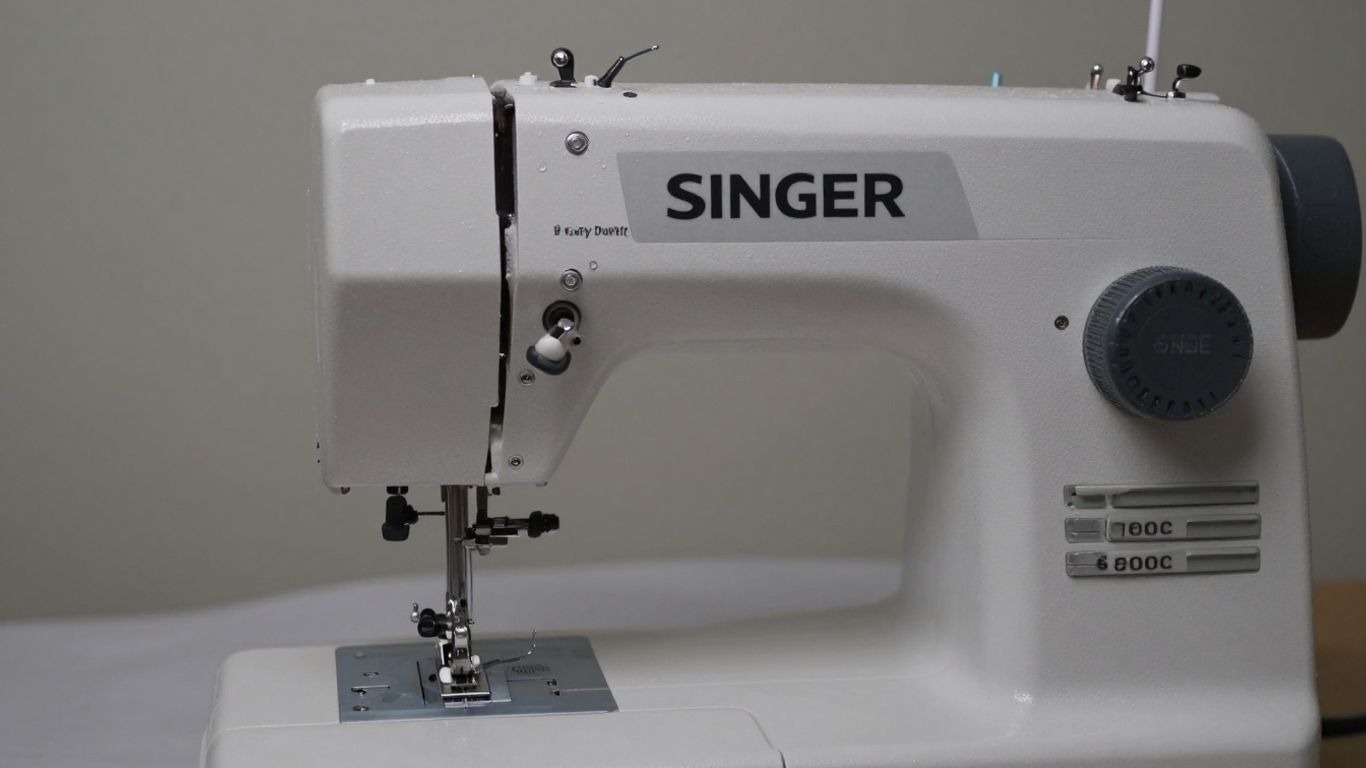
So, I’ve been spending some time with the SINGER Heavy Duty 6700C, and I wanted to share my thoughts. This computerized machine promises a lot, especially for those who tackle tougher fabrics or just want more options.
I’ve put it through its paces, and I’m ready to tell you if it lives up to the hype. Let’s get into this SINGER Heavy Duty 6700C Review.
Key Takeaways
- The SINGER Heavy Duty 6700C is a computerized machine with a strong metal frame and a powerful motor, making it suitable for heavier fabrics like denim and canvas.
- It offers a wide variety of stitches, including basic, decorative, and stretch options, plus a lettering font, giving users many creative possibilities.
- While many find it easy to use with features like the automatic needle threader and top drop-in bobbin, some users, especially beginners, might find certain aspects a bit tricky.
- Performance can be smooth for many tasks, including quilting, but there are some reports of stitch inconsistencies or issues with the automatic thread cutter.
- It’s a good option for experienced home sewers and quilters who need a reliable machine for various projects, but it might not be as heavy-duty as an industrial machine.
Introduction: What is the SINGER Heavy Duty 6700C?
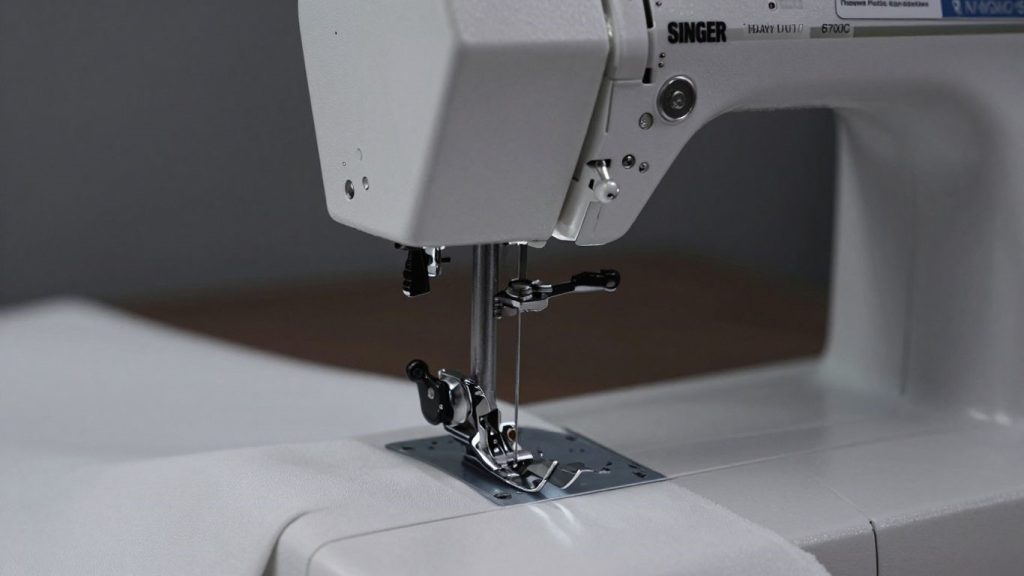
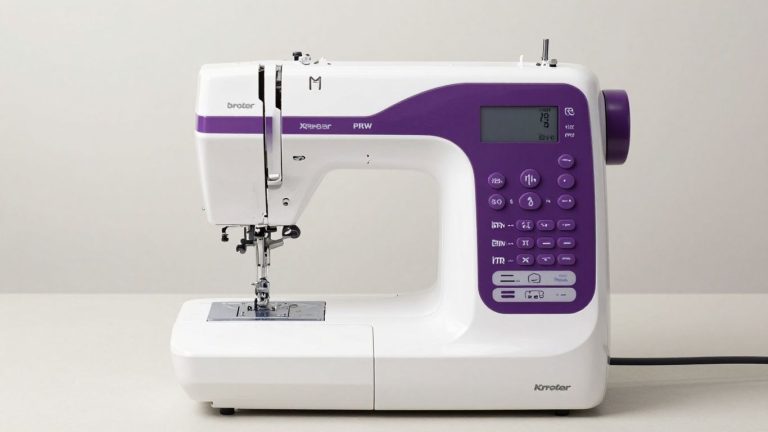
I’ve been researching the SINGER Heavy Duty 6700C computerized sewing machine lately, and I thought I’d share what I learned so far. It looks to be a pretty sturdy machine, especially if you’re working with thicker fabrics or just need something dependable for everyday projects. This isn’t just some run-of-the-mill sewing machine here; it’s constructed with a full metal frame, and from that, I can gather that this thing is going to be solid and last me quite some time. I’ve heard a lot about how it’s heavy-duty, and that is the primary draw for me.
If you’ve already read my SINGER 4452 Heavy Duty Sewing Machine Review, you’ll notice that the 6700C takes things further with computerized features and a much larger stitch library.
When considering whether the SINGER 6700C is worth it, you’ve got to consider what it actually does. It has many, many stitch options – more than 400, in fact, including both decorative stitches and even an alphabet so you can personalize things. And it has a top drop-in bobbin, which is always good for ease of use.
I guess the idea behind this machine is to provide a nice compromise between the power you need for tough tasks and the convenience of use when you need some computerized help. It’s built to tackle denim and canvas with aplomb, which is perfect if you’re into home decor or fashion projects that haven’t been limping along on your old machine.
Key Features and Specifications
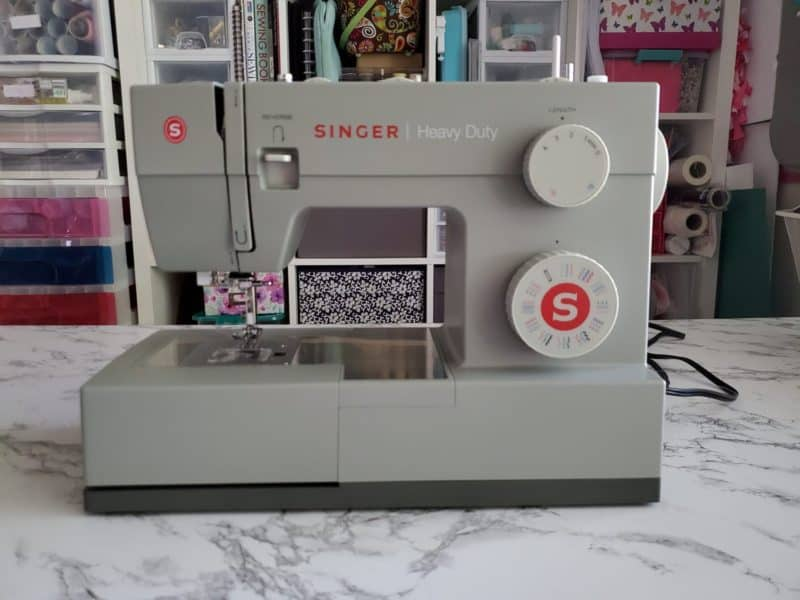
Stitch Options and Capabilities
What I liked about the SINGER Heavy Duty 6700C: When I first saw the SINGER Heavy Duty 6700C, I was really impressed with how many stitches it offered. It has a total of 411 stitch applications. That includes all of the fundamentals you’d expect, like straight stitches and zigzags, but also a nice variety of stretch stitches for sewing knit fabrics as well as an assortment of decorative stitches to give your projects some pizzazz. There’s even a lettering font, nice for adding initials to things.
It also features 7 one-step buttonholes, so you’ll be able to create the most buttons and button holes in a snap! The LCD screen comes in handy here; you can see exactly which stitch you’ve chosen, as well as the length and width settings. It’s a big leap from guessing with the help of a dial.
If you’re still learning basics like threading, I recommend checking How to Thread a Sewing Machine before diving into this machine.
Speed and Performance
This beast is a workhorse for certain. It has a high-speed motor with a maximum speed of 1100 stitches per minute. That’s quite fast, and you can make short work of big projects, like quilting or hemming a bunch of pants. What I really love, though, is the speed control.
The adjustable speed slider is especially helpful. If you’re sewing an apron or tote, precision matters more than speed. For example, if you’re trying projects like in How to Sew an Apron or How to Make a Simple Tote Bag at Home, having speed control really improves accuracy.
Build Quality and Durability
From what I can see, SINGER made this machine to take a beating. It also has a heavy-duty metal frame, which makes it feel sturdy. It doesn’t jiggle and joggle when I’m sewing at faster speeds. The machine itself is 17.3 x 7.5 x 10.9 inches; it’s not small , but it feels sturdy. There is 6.4-inch space available between the needle (the sewing area) and the body of your machine, which is really decent and allows you to sew bulkier items such as quilts with ease.
It also offers adjustable presser foot pressure, which is perfect for sewing everything from thick denim to delicate silks. Also, the LED lighting is a positive, it’s bright, and it stays cool so I can see what I’m doing without overheating.
The strong motor, metal frame, and smart design features, like a stainless steel bedplate or adjustable presser-foot pressure, are indicators that make us think this machine can handle itself even with heavy-duty projects over time.
Here’s a quick look at some of the specs:
| Feature | Specification |
|---|---|
| Stitch Applications | 411 |
| Buttonhole Styles | 7 (One-Step) |
| Maximum Speed | 1100 Stitches Per Minute (SPM) |
| Sewing Space | 6.4 Inches |
| Lighting | LED |
| Bobbin System | Drop & Sew (Class 15 Transparent) |
Ease of Use: Is it Beginner-Friendly?
When I initially saw the SINGER Heavy Duty 6700C, I was a little concerned that those computerized features would be too intricate for a hobbyist like me, and not being an expert master in sewing. To be honest, I was a little intimidated. But after using it for a while, I can tell you it’s shockingly user-friendly and intuitive, especially for beginners.
Setting Up and Threading
This machine was easier to get ready for sewing than I thought it would be. The mechanics of the setup are pretty simple as well. Vomiting the whole thing out and putting it on your table, you know, like a normal unboxing. Threading the needle, that is whats always a challenge for me.
This machine has an integrated needle threader… and I have to tell you – it works! It was a little bit of a learning curve to get this down pat, but once I did, it was a breeze. No more squinting and groping for little thread tails! I also like that the top drop-in bobbin makes it simple to see how much thread you have left, which is a small detail I always appreciate.
Navigating the Computerized Interface
This is where the “computerized” part comes in, and I was somewhat concerned about a steep learning curve. The LCD is bright and displays what stitch you are on. Conveniently scroll through dozens of stich patterns with the press of a button. It even automatically preselects the stitch length and width, great when you’re new to sewing. You can customize these settings, naturally, but it’s nice to have a solid default. Touch-button stitch selection actually made finding the right stitch for my project even faster than I was expecting.
Just note that there’s no physical manual in the box. You will need to download the PDF version from the Singer website and print it. That’s pretty standard nowadays, but it’s just FYI for you to have handy should you require.
Here’s a quick rundown of some of the user-friendly features:
- Built-in Needle Threader: Makes threading the needle much easier.
- Top Drop-In Bobbin: Easy to see and monitor your thread supply.
- Touch Button Stitch Selection: Quickly choose from over 400 stitch options.
- Pre-set Stitch Settings: Offers good starting points for stitch length and width.
- Start/Stop Button: Allows you to sew without using the foot pedal, which can be nice for consistent speed.
While there’s a bit of a learning curve with any new machine, especially one with this many features, I don’t think the SINGER 6700C is out of reach for beginners. It has enough helpful features to make the process smoother, and you can grow with it as your skills develop.
Who is the SINGER 6700C Suitable For?
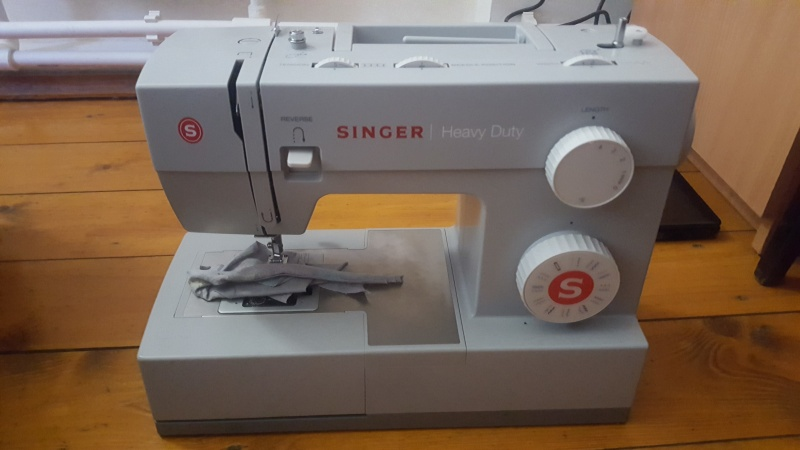
Loaded with features, this powerhouse machine includes 7 Fully Built-in 1-Step Buttonholes, a Start/Stop Button for sewing without the foot control, and can sew through heavy materials such as canvas or denim. It’s great for the crafter who often sews heavyweight fabrics such as denim, canvas, or leather (or one who just likes to experiment with decorative or stretch stitches)
If you want a machine that’s fast, durable, and includes modern conveniences like an automatic needle threader and programmable stitch settings, the 6700C is well worth it. Novices willing to have the patience to learn all its quirks can find advantages in this, and it’s a serious contender for nearly all sewing jobs.
However, if embroidery is your main focus, you might want to compare it with my Brother SE2000 Review instead. For those looking at premium computerized alternatives, the Janome MC6650 Review is also worth considering.
Pros and Cons of the SINGER Heavy Duty 6700C
Let’s break down what I liked and what could be better. It helps to see the whole picture, right?
- Fast Sewing Speed: With up to 1,100 stitches per minute, the 6700C handles both light and heavy fabrics efficiently, saving time on large projects.
- Durable Metal Frame: Its robust metal construction ensures stability and longevity, making it ideal for frequent use.
- Automatic Features: Includes an automatic needle threader and adjustable stitch length, simplifying complex sewing tasks for beginners and experts alike.
- Wide Stitch Selection: Offers over 100 built-in stitches, including decorative, utility, and stretch stitches, giving flexibility for creative projects.
- Heavy-Duty Performance: Capable of sewing multiple layers of denim, canvas, or leather — perfect for upholstery, bags, and other thick materials.
- Heavier Weight: The metal frame adds durability but makes the machine less portable compared to lightweight models.
- Noisy Operation: High-speed sewing can generate noticeable noise, which may be distracting during long sessions.
- Limited Accessory Storage: The built-in storage compartment is small, so additional tools may need a separate box or bag.
Comparison with Other Sewing Machines
SINGER Heavy Duty 6700C vs Janome HD3000
Now, the Janome HD3000 is another heavy-duty rival. It’s a mechanical machine, so it is less complicated in terms of electronics; however, still very powerful for dense fabrics. The SINGER 6700C gets you so much more than that to get your creative juices flowing with quite literally an endless possibility of stitches and features that a sturdy mechanical machine just can’t keep up with. If you prefer more modern tech and plenty of stitch options, the 6700C is your best bet. If you like a really simple, no-nonsense mechanical workhorse, that Janome might be more your speed.
Meanwhile, think about wanting to sew down the road. For crafters who complete projects with a variety of stitch types, from decorative patterns to stretch stitches, the SINGER Heavy Duty 6700C is ideal. Description2 Heavy-duty metal construction combines with high-speed performance, perfect for everyday use.
On the other hand, while you aren’t going to enjoy a ton of extras with it, the Janome HD3000 is reliable and easy to use – so for beginners or anyone who values longevity and easy maintenance over bells and whistles, this could be a good option. The decision will ultimately be between versatility and tech on the one hand, or straightforward heavy-duty performance on the other.
SINGER Heavy Duty 6700C vs Juki HZL-F300
As I review theJuki HZL-F300, it is another great computerized sewing machine. The 6700C and HZL-F300 are both packed with essential stitches and computerized features. The Juki is frequently lauded for its stitch quality and the ease of operation, particularly when quilting.
The SINGER 6700C does have more built-in stitch applications and a slightly stronger motor, so if you need one for those hard tasks, it should help. Ultimately, it will come down to what is most important for you: if you are willing to leave out the quilting precision in favor of lots of fancy stitches and a heavy-duty build, or vice versa.
If you want a machine that can help you address everyday mending tasks as well as work on more involved projects like home decor or even some light upholstery, and have lots of stitches to choose from, then the Singer 6700c computerized sewing machine is worth taking the time to consider. Pros and Cons The features and options of the SINGER 6700C are many, and that is why it’s a tool for all types of sewing projects. My performance test of the SINGER 6700C proves it.
SINGER Heavy Duty 6700C vs Juki HZL-F300
As I was doing my research on sewing machines that are great for a bunch of different types and weights of fabric, the SINGER Heavy Duty 6700C kept coming up. It’s a fine pick, to be sure, with metal framing and a good stitch count. But then I started checking out the Juki HZL-F300, and it got me wondering where all of these machines stand, in relation to each other. It’s like comparing two great tools, really; they both work well, only slightly differently.
For one, there’s a huge amount of stitches available on the SINGER 6700C – more than 400 in fact, complete with decorative patterns and an alphabet for monogramming if you wish to personalize your projects. It also has a great big sewing space, which is perfect for larger quilts or other bulky projects. The digitized interface is very intuitive, and I found it easier to select stitches and make adjustments. It seems like a nice all-purpose machine, especially if you want plenty of creative stitch options close at hand.
The Juki HZL-F300, meanwhile, receives positive comments for its easy-to-use feature set and solid construction, though it may not have the same collection of decorative stitches as the Singer. It’s a reliable workhorse and is especially good for straight stitching and sewing through thick materials. And some even say it offers a very smooth stitch quality, crucial for an excellent finish on everything from clothes to home décor.
So, Is the SINGER Heavy Duty 6700C Worth Your Money?
Now that I’ve spent a little time playing with the SINGER Heavy Duty 6700C, I can say that it’s a decent enough machine, especially for sewers who work with thicker materials. With its powerful motor and metal frame, it certainly lives up to the ‘heavy duty’ name and projects like denim and canvas no longer require almost an arm wrestle. I liked the extra stitches and the light-up LCD screen, and appreciated the speed control for more delicate work.
However, it’s not perfect. But I did hit a couple of snags, such as some users complaining about thread cutting or stitch quality on some materials. And though it’s fantastic for those skilled in sewing, beginners may find it a little overwhelming, especially since the manual does not come in print. All in all, if you want a workhorse for a multitude of projects and don’t mind printing that manual (29 pages), the 6700C is an excellent contender. But if you’re new or looking for something absolutely no-hassle straight out of the box, it may be worth thinking twice.
Frequently Asked Questions
Why do they call the SINGER 6700C ‘Heavy Duty’?
I think the ‘Heavy Duty’ label comes from its strong metal frame and a motor that’s powerful enough to sew through tough materials like thick denim or canvas without slowing down. It’s built to handle more demanding projects.
How many different stitches can I do with this machine?
This machine offers a lot of stitch options – I counted over 400 different stitch applications! This includes basic stitches for everyday sewing, stretchy stitches for knits, fancy decorative ones, and even a font for simple lettering or monograms.
Is this sewing machine a good choice for quilting?
Yes, I believe it is! It comes with an extra table that gives you more space for larger projects like quilts. Plus, it has a good variety of stitches that work well for putting quilt pieces together and for the quilting stitches themselves.
Does the SINGER 6700C have that easy-to-use top bobbin system?
It sure does! It has a top drop-in bobbin, which I find really convenient. You can see the bobbin thread through a clear cover, so it’s easy to know when you’re running low.
What are some of the cool computer features on this machine?
I like that it has a one-step buttonhole maker, which makes sewing buttonholes super simple. The LCD screen shows you the stitch you’ve chosen and its settings. It also has a speed control slider, letting me sew slower if I need to, and an automatic needle threader that actually works!
Can a beginner use the SINGER 6700C?
While it has some user-friendly features like the automatic needle threader and clear screen, some people feel it might be a bit much for someone who has never sewn before. However, if you’re willing to learn and perhaps print out the manual, I think it could be manageable, especially if you’re eager to tackle tougher projects.