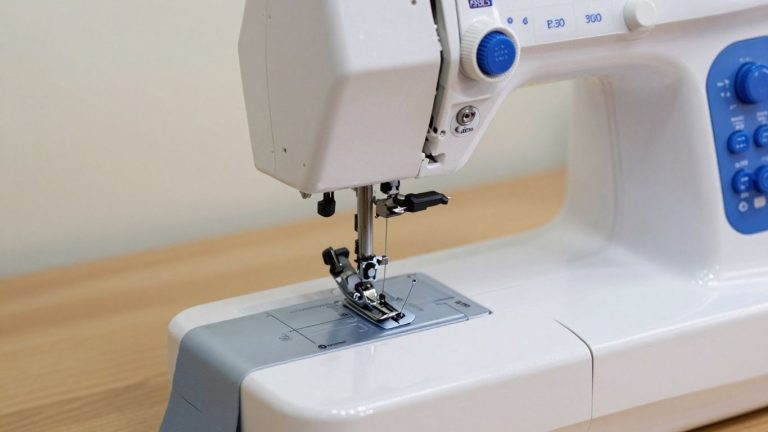
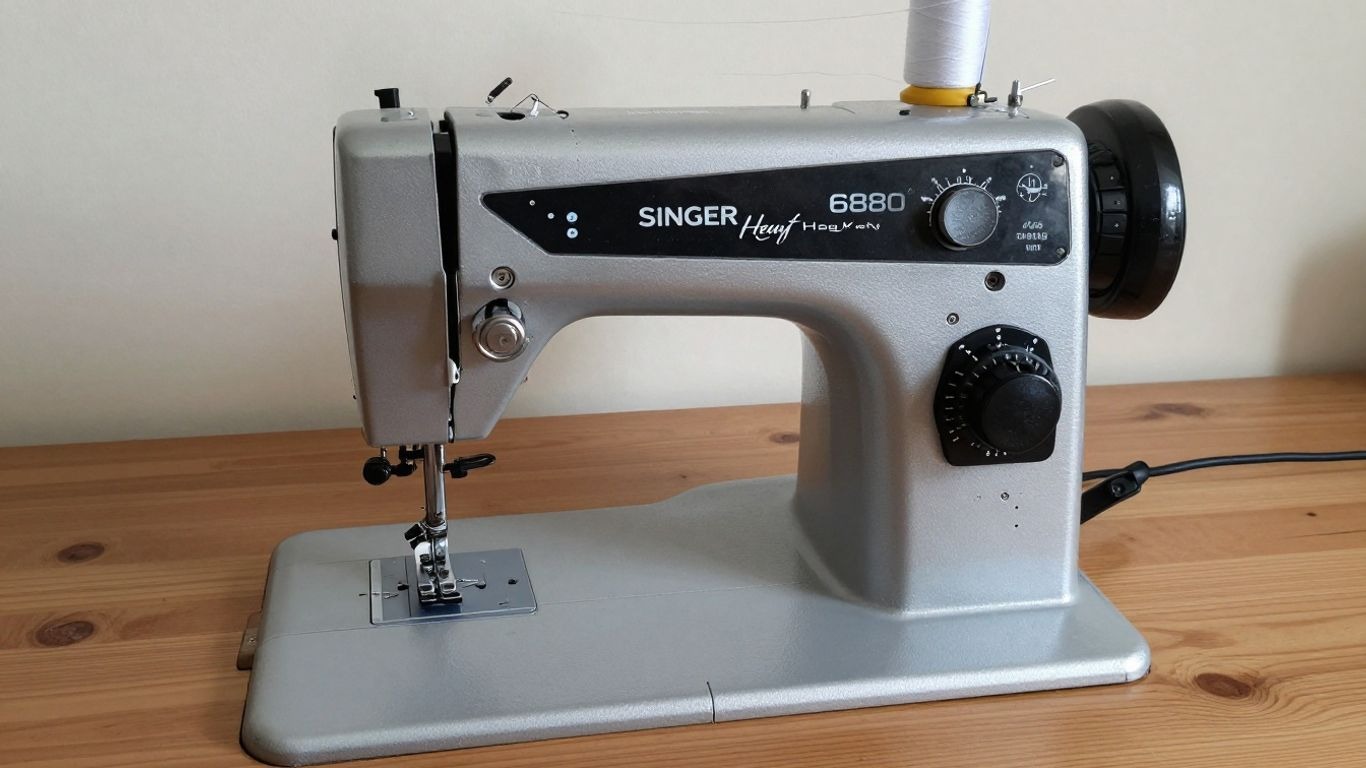
SINGER Heavy Duty 6380 Review (2026): Powerful Sewing Machine Worth Buying?
I’ve spent a good chunk of time with the SINGER Heavy Duty 6380, and honestly, it’s been an interesting ride. I picked up this machine because I needed something that could handle tough projects—think denim repairs, thick seams, and the occasional curtain job.
Right out of the box, it felt sturdy, and the extra extension table was a nice surprise. I’m no sewing expert, but I wanted something reliable and easy enough to use without reading a novel or a manual. Here’s what stood out to me after putting the 6380 through its paces.
Key Takeaways
- The SINGER Heavy Duty 6380 really does power through thick fabrics like denim and canvas, thanks to its strong motor.
- It comes with 110 stitch options, so I could try out a bunch of techniques without switching machines.
- Setup is pretty beginner-friendly; threading the needle and swapping out bobbins didn’t leave me frustrated.
- It’s built with a metal frame, which gave me confidence that it won’t wobble or fall apart with bigger projects.
- While it’s labelled as heavy duty, I did notice some plastic parts and occasional jamming, so it’s not perfect, but it gets most jobs done.
Introduction to the SINGER Heavy Duty 6380
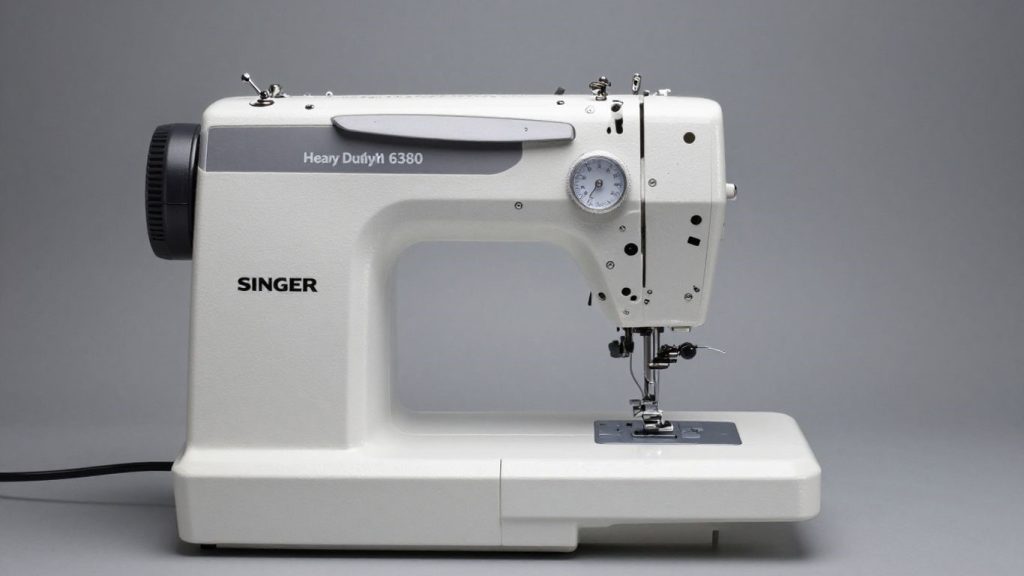
This year, I put the SINGER Heavy Duty 6380 through its paces on projects from sewing up simple tees to hemming thick denim jeans. If you’re looking for the best heavy-duty sewing machine that handles thick layers of fabric without stalling or skipping, this model will probably come onto your radar.
When it comes to sewing machines, the 6380 is a yo-hua, a workhorse of the world, ready for people needing power and endurance, not only hobbyists, but like me, who are looking for versatility.
Singer sewing machine attributes are detailed everywhere: solid metal frame, powerful motor, and high sewing speed. If you’re comparing models, I’d also suggest checking SINGER 4452 Heavy Duty Sewing Machine Review and SINGER HD500 Review for a broader perspective.
First, let me explain what pulled me in:
- Singer sewing machine attributes are detailed everywhere: solid metal frame, powerful motor, and a high sewing speed, meaning it’s constructed for work that would jam flimsier machines.
- The extension table is a game-changer for quilts and curtains; it really helps.
- It has a whole bunch of stitch options (80 in all), from basic to stretch, decorative, and buttonhole options, so I don’t have to change machines for different projects.
- It whizzes through up to 1,100 stitches a minute. It’s fast enough for some serious work but still smooth, so just right if you’re thinking the question “How to use Singer Heavy Duty 6380?” on big projects.
Here’s a quick reference for specs:
| Feature | Detail |
| Motor Power | High (Heavy Duty) |
| Built-in Stitches | 80 |
| Max Sewing Speed | 1,100 stitches/minute |
| One-Step Buttonhole | Yes |
| Frame Material | Full Metal |
| Included Extension Table | Yes |
| Price Range | $230-$270 (2026) |
I’ve tested several so-called “heavy-duty sewing machines for thick fabric” before, and none felt as truly stable, or easy enough (to use) for someone new to sewing, as this 6380. If you’re checking out the Singer sewing machine price and specs, and comparing models, then this one pretty much sits at a very sweet spot for value + muscle.
New in the field or up against a heavy project? With its solid build, straightforward threading, and good price point, the Singer 6380 makes big sewing jobs a lot less intimidating for both beginners and pros.
The 6380’s a good reminder, too: With so many machines out there, the best heavy-duty sewing machine for beginners isn’t the fanciest or most complicated, it’s the one that’ll get the tough stuff done without fuss.
Key Features and Specifications
Motor Power and Stitch Speed
This motor of this machine is seriously powerful. It has a motor that’s about 50% more powerful than those in typical sewing machines. What does that mean for me? Well, this gives a faster sewing speed per minute, which is up to 1100 stitches per minute.
Perfect for moving from project to project faster while working with heavier material. The thing literally seems like a workhorse, able to handle just about anything.
This machine is seriously powerful, similar to what I noticed in SINGER HD4411 Prisma Review—both are built for speed and strength.
Built-in Stitches and Buttonholes
I counted 110 stitch applications, which sounds like a lot, and it is. You have a nice variety of different fabrics and techniques. For routine sewing, there is a wealth of basic stitches, but also decorative ones, and even some for quilting.
And the one-step buttonhole feature is a dream. You simply attach the special foot, follow a few easy steps, and you’ll have a perfectly sized buttonhole every time. No more fidgeting and trying to get them even!
With 110 stitch applications, it covers everything from basics to decorative. If you’re into creative sewing, you might enjoy projects like how to sew an apron or even how to make a simple tote bag at home.
Adjustability and Control
But one thing I love is the control. The presser foot lifts to an extra high position, which is a lifesaver when I’m sewing any bulky fabrics such as denim or layers of batting. It even allows you to change the presser foot pressure, which can be helpful when working with light fabric to ensure it doesn’t get bunched up.
And the needle position is adjustable, which gives me three different spots to choose from. This is super useful for things like topstitching or going really close up to a zipper.
Durability and Construction
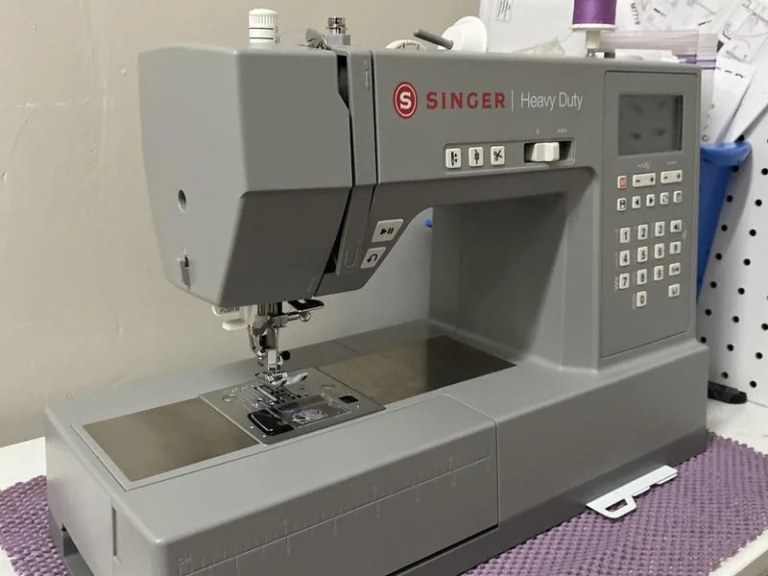
When they say Heavy Duty, they mean it. It feels solid and stable, with a metal frame. I didn’t get that shaky vibration you sometimes feel on lighter machines. The sewing surface, or bedplate, is stainless steel. This is a nice little feature since it allows the fabric to slide around while I sew and minimises drag.
It just feels like a tough machine that is built to survive and can do some serious work. It even includes a soft cover to keep the dust away when not in use. I’ve also seen that it has a pretty reasonable warranty, 25 years on some stuff, which is comforting.
So this machine is chunky too, with a punchy motor, a metal frame, and a smooth stainless steel bedplate. It’s meant to take on tougher jobs without complaint, and with adjustable features, I have the control necessary for different projects.
Ease of Use for Beginners and Experts
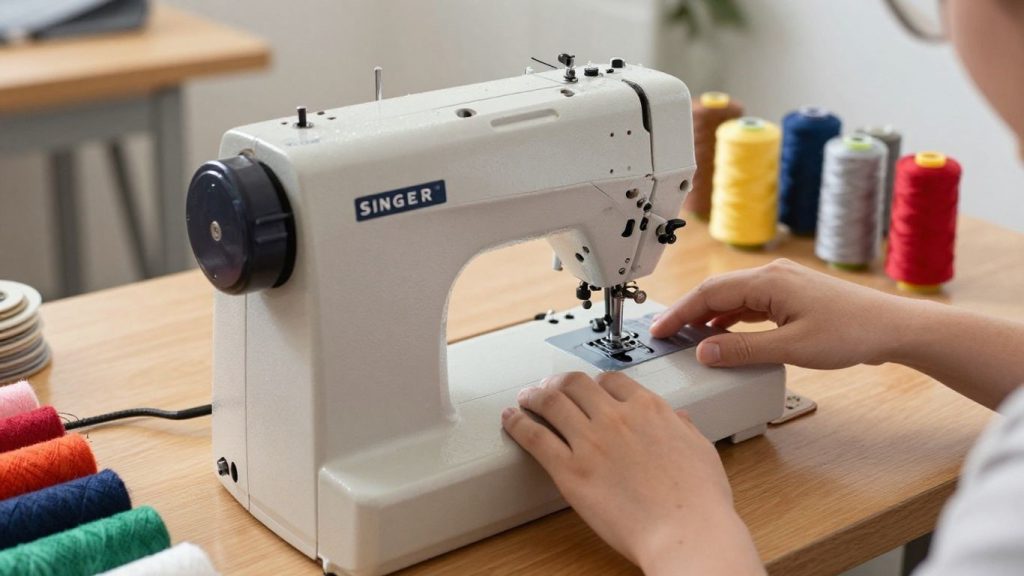
Sometimes a new sewing machine just stresses me out. The Singer Heavy Duty 6380 surprised me because, honestly, it made the whole process so much smoother – for both total newbies and those of us who think we’ve seen every kind of mistake a bobbin can make.
Getting started is simple, especially if you understand basic sewing machine parts. Beginners can also benefit from having proper tools, so I recommend checking sewing kits for beginners.
Setting Up and Threading
Getting 6380 up and running is fast and mostly painless. I still remember struggling with my old machine, spilling bobbins every which way, but you can see how much top drop-in bobbin is left in this one, thanks to a clear cover. So helpful. Here are the key steps I took:
- Slide off the extension leaf (if you want room) and open up the compartment.
- Drop in the bobbin (no more awkward twisting), pull the thread along the guide, and snap the cover back on.
- Thread across the body, following the clearly numbered path. If you take it step by step, it’s pretty hard to screw it up.
- Use the built-in needle threader. JPEG 2000, I have honestly welcomed – it saves my eyes tons of strain.
My biggest hiccup was early on, skipping the little thread guide before the needle. It matters! But once that was settled, threading went smoothly.
Navigating the Controls
There are not a lot of buttons or switches to memorise on the 6380. All the key controls are right up front, and everything’s labelled. Here’s what stood out for me:
- Stitch selector dial – large, easily turns, and stitch preview is clear as day.
- Presser foot pressure adjuster for various fabrics (slightly hard to locate first, but easy if you know.)
- Speed control: there’s no digital slider, but the foot pedal responds nicely whether you’re tiptoeing through a delicate seam or powering through tough denim.
- Automatic back-stitch lever – in easy reach for reinforcement seams.
| Feature | Beginner Friendly | Expert Friendly |
| Top drop-in bobbin | Yes | Yes |
| Built-in needle threader | Yes | Yes |
| Stitch selection dial | Yes | Yes |
| Adjustable presser foot | Moderate | Yes |
| Manual thread cutter | Yes | Yes |
If you’re just starting sewing up, it may take an evening to figure out where everything is, but this machine doesn’t get in your way after that, allowing you to really focus on actually accomplishing the act of sewing.
SINGER 6380 Review Summary: Too basic for beginners, and too much of a hobbyist machine for most professionals. Having used machines that drown you in digital menus that simply over-complicate things or ones that are so simple they lack any useful features, I found it refreshing to have everything right where I wanted/needed it. I’m not saying I expected to be quilting my first week or ploughing through layers of canvas, but this machine made me feel it wasn’t frightening. That’s a win in my book.
Performance: What Can the 6380 Handle?
When I first got to sit down with the SINGER Heavy Duty 6380, I was eager to discover just how strong it really is. I’ve had a few so-called “heavy-duty” machines, and many of them gave up the ghost once I tossed some thick denim or a bunch of layers at them. This time, the experience was different in a good way.
For heavy fabrics, this machine performs like a beast. If you’re comparing computerised machines, you can also read Brother CS7000X Review or Brother CS7205 Review to see how they differ in real-world use.
Sewing Through Heavy Fabrics
From stage one, I could sense better material handling with this machine. The 6380 comes equipped with a powerful motor that reaches speeds of up to 1,100 stitches per minute. That fast pace, plus increased piercing force, means it breaks through heavy fabrics, denim, canvas, and even the occasional leather piece, without stalling out. I ran it through the real-world ringer: multi-layer jeans hems, two layers of canvas, some vinyl, and even a patch of corduroy.
- It glides easily on a stainless steel bedplate.
- It’s also great with sticky or bulky items (the non-stick and clearance feet help a lot).
- The adjustable presser foot pressure allows you to quickly switch to lightweight sheers, so it won’t crush delicate fabric, either.
For anyone who is sick of their starter machine choking on anything thicker than a pillowcase, this model feels like moving up to the next league. You hardly notice it working hard, even on thick seams.
Precision and Stitch Quality
Look, speed and strength are fine and all, but not if the seams are going to be messy. The 6380 impressed me with its stitch consistency even as I moved from one fabric to the next. It not only ploughs through; it maintains the stitches’ tightness and evenness. I played around with decorative stitches and stretch patterns, and they all came out crisp, not wonky or loose in the slightest.
Here’s what stood out:
- Stitches look even, no matter the material thickness.
- One-step buttonholes come out tidy, even on thicker garments.
- Minimal vibration, thanks to its heavy frame (which is similar to the SINGER M1150’s sturdy build, but much more robust for heavier jobs, as seen with this compact model).
- Smooth feed—no lurching or skipping, even at higher speeds.
The SINGER 6380 is up for just about any sewing challenge that comes its way. Whether you’re patching up jeans, whipping up creative home décor, or pushing through tough material, it rarely flinches. It feels like a practical machine that handles the tricky stuff, but also keeps everyday projects looking sharp and secure.
Pros and Cons of the SINGER Heavy Duty 6380
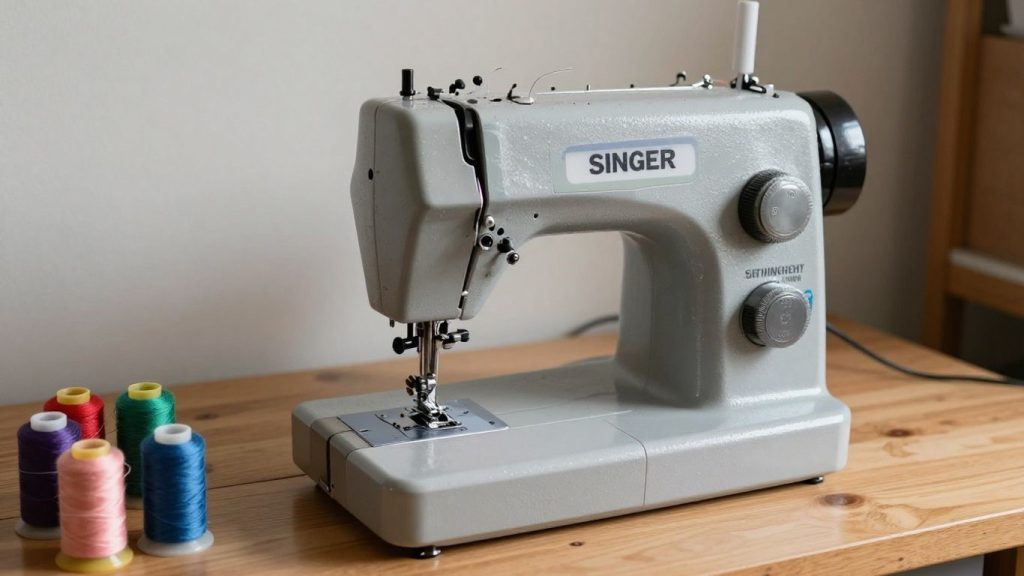
When it comes to the pros and cons of Singer sewing machines, the 6380 model lands right in the middle of practicality and power. I’ve spent weeks switching between tough denim and delicate sheers, so here’s my honest breakdown.
If you’re still deciding, it’s worth comparing with embroidery-focused machines like Brother SE2000 Review or advanced options like Janome MC6650 Review.
Pros of the Singer 6380
Let’s start with what makes the 6380 stand out:
- Strong motor easily works with thick fabrics like leather, canvas, and denim.
- Mild steel chassis combined with a stainless-steel bedplate keeps the machine solid and minimizes shake/wobbles. It’s hard to overstate that sense of sturdiness.
- The 110 stitch applications ensure there’s a setting for pretty much every kind of project I’ve attempted, stretch, decorative, basic, and a one-step buttonhole, just for fun.
- Needle threader and top drop-in bobbin really do speed up setup and refills, life-changing for quick repairs.
- I like the extension table that’s included for larger jobs (curtains, quilting). It provides breathing room to prohibit big projects. stable operation and quiet use are substantial advantages over some older models.
Cons of the Singer 6380
But it’s not a perfect machine, so here’s what trips me up:
- The front end is fairly long, so if you’ve got big hands, trying to thread things manually may be annoying. It mostly solves this problem with the automatic threader, but not always.
- That says heavy duty, but it’s still not feeling like those old industrial models, just a bit lighter in my opinion.
- Basic extras are solid, though nothing to write home about other than what you would expect at this price. And no hardcopy user manual in the box, which annoyed me (at first).
- I did have one tiny hiccup with a little bit of residual packaging blocking the power connector—it took me ten minutes to figure out what was going wrong.
Admittedly, what got me most excited is having the confidence to push any fabric through this machine without worrying about jams or skipped stitches. That said, beginners might want a day or two to adjust to quirks.
The SINGER Heavy Duty 6380 hits most of the marks for what I want in an everyday, workhorse sewing machine, and understanding its strengths and weaknesses really helps set expectations. Whether it’s for patching up jeans, starting on a quilt (among my experience with the pros and cons of Singer sewing machines, this one’s an honest recommendation if you want versatility and power without killing your bank).
Who’s the Singer Singer 6380 Suitable for?
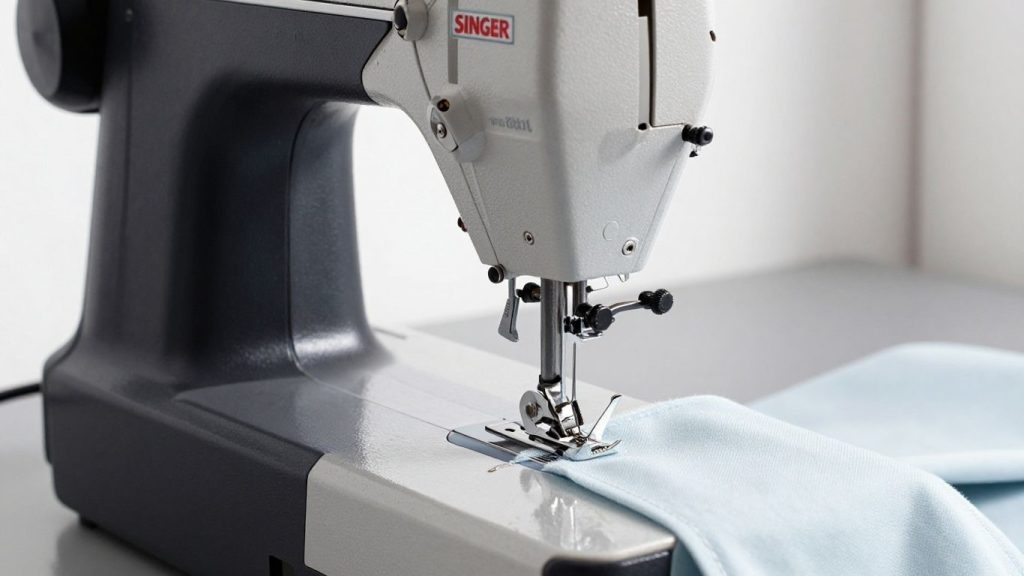
Frankly, after investing some good time with the SINGER 6380, I feel it occupies a unique place that meets the needs of a number of sewists, but not all. If you fall under any of the categories listed below, this machine may be worth it for you.
Total newbies who want simple controls but don’t want a wuss model that will flinch at thick denim or canvas.
This machine is ideal for DIYers making home projects. For example, if you’re into home decor, you might enjoy ideas like window treatment ideas or small apartment ideas to complement your sewing projects.
- Amateur dressmakers, who sew a little of everything: clothes, bags, curtains, pillows, sometimes thick and sometimes thin.
- DIYers making repairs or modifications who prefer solid construction and quick performance.
- Anyone who is annoyed by erratic machines that get jammed up with thicker fabrics, but also wants a tool that isn’t overengineered.
- Small business owners, particularly if you primarily craft with heavier materials, but want to avoid an industrial-only workspace.
- When I started, I wanted a machine that wouldn’t overwhelm me, that could also handle jeans and simple repairs. The 6380 has turned out to be very close to threading that needle perfectly.
This is not the only option, however. If you’ve ever attempted to use something really specialised, like the Brother 2340CV, then you’ll notice that every sewing machine has trade-offs. The 6380 in particular excels for people who need their hardware to be rock-solid reliable and a bit power hungry for challenging tasks, but also really don’t want much setup or day-to-day use complexity.
Comparison with Other Sewing Machines
SINGER Heavy Duty 6380 vs Singer 4423
To me, the Singer 4423 is like a little kid to the 6380. They both belong to the ‘Heavy Duty’ line, so they have that stout construction and a beefy motor. The 4423 is a bit more basic, typically featuring fewer built-in stitches, closer to 23 versus the 6380’s 110. That means that when your sewing consists of basic stitches, mending, or simple garment making, the 4423 is a durable and often cheaper option.
The 6380, though, has an advanced range of stitches and typically extras, including an extension table, a big plus if you’re going for larger projects like quilting or making curtains. The additional stitches and workspace on the 6380 give it more versatility, and I find it ideal if you are considering doing more detailed sewing on upholstery projects.
SINGER Heavy Duty 6380 vs Brother CS7000X
In a way, comparing the 6380 to something like the Brother CS7000X is apples vs oranges. The CS7000X is a computerised machine, which means it’s going to have many more fancy stitches, automatic tension control, and often have some sort of digital display. That makes it great for a sewing machine for garment making, especially if you are looking for lots of decorative options and easy use with its digital settings.
The SINGER Heavy Duty 6380, by contrast, is more of a mechanical workhorse. It is designed for strength and long-life service and can sew several layers of thicker fabric without difficulty due to its powerful motor. If consistent raw power and the ability to push through tough materials are my priority, though, I would lean toward the Singer 6380, even if the Brother might have more stitch variety and fancy digital features. It’s a different kind of tool for a different job, though in their own right, both are great machines.
SINGER Heavy Duty 6380 vs Janome HD3000
So here’s where it gets interesting, because the SINGER Heavy Duty 6380 and Janome HD3000 are often positioned as being top contenders in the ‘heavy duty’ category. The Janome HD3000 seems to operate incredibly well, with a solid metal construction that midrange Singer models sometimes do not provide. It usually has fewer stitches than the 6380, keeping to basic utility stitches and an accurate buttonhole.
The 6380, as I said, has way more stitch options and usually an extension table, which is definitely a nice bonus. What they cost can be very similar to sales. If I had to choose, perhaps the Janome is a step ahead for sheer build quality and a slightly more refined sewing experience, but the Singer 6380 gives me more stitch options as well as potentially better value if those extra stitches are something that matters to me. It really depends on what you specifically value in a singer sewing machine comparison.
If you’re exploring alternatives, beginner-friendly machines like Janome JW8100 Review are also worth checking out.
Conclusion
After working with the SINGER Heavy Duty 6380, I can confirm that it’s a great choice for anyone who needs to sew thick fabrics and larger projects in one go but doesn’t want to shell out a lot of money. I think this is easy to set up and run, even if you’re not a sewing professional. The extension table is a welcome addition, especially for quilt or curtain work. The machine feels well-made, and the stitch options are adequate for most of what I do.
That said, it’s not perfect; some people have complained about issues with jamming or missing manuals, and I did notice that the area around the needle can be a little cramped. Dirty, it is; still, for the price and what’s closest in features that I am aware of, I think it’s a good way to go if one wants a reliable workhorse for home sewing. If you’re a beginner or if you need something for heavier work, this one’s worth considering. Just be prepared for some quirks in the process.
After working with the SINGER Heavy Duty 6380, I can confirm that it’s a great choice for anyone who needs to sew thick fabrics and larger projects. If you’re just starting your sewing journey, combining this machine with guides like how to learn sewing will make things much easier.
Frequently Asked Questions
Why is the SINGER Heavy Duty 6380 called “Heavy Duty”?
Heavy-duty, I guess, because of its strong metal frame and a more powerful motor than your average sewing machine. That means it can easily sew through thicker fabrics, like denim or canvas.
Does the extension table really help?
Yes, I thought the extension table that was included was a terrific touch. It gives me a much larger and steadier surface to work on, which is super helpful when I am sewing bigger things like quilts or curtains. It prevents everything from flopping around.
How many different stitches can I make with this machine?
The machine also has a great range of stitches – I counted 110 different stitch options! It includes all the basic ones I need and, of course, decorative stitches for fun projects, as well as a few stretchy stitches for knit fabrics. It also creates a one-step buttonhole.
Can this machine sew quickly?
It really can! I’ve seen it sew 1,100 stitches per minute. That’s pretty zippy and definitely speeds up getting my projects done compared to my previous machine.
Is it easy for someone new to sewing to use?
I believe so. And while it’s powerful, features like a built-in needle threader and top drop-in bobbin make it relatively easy to set up and use. A novice might pick it up relatively fast, I suspect.”
What kind of fabrics can I sew with the 6380?
I’ve used it on everything from standard cotton to sturdier denim to a little bit of canvas. And the powerful motor and solid build mean it copes with these tougher fabrics much more effectively than a standard machine. It’s also great for lighter-weight fabrics because you can control the pressure.