Best Shampoo for Women’s Hair Loss (2026): Top Rated Picks
Losing hair can feel like a real downer, and honestly, I’ve been there. It’s not just about how it looks; it affects how you feel, too. When I started noticing more hair in my brush than usual, I knew I had to do something. I’ve spent a lot of time looking into what actually works, especially when it comes to shampoos.
It’s not always easy to find the right product, but I’ve put together some of my top picks for the best shampoo for women’s hair loss in 2026, hoping it helps you out, too.
Key Takeaways
- When looking for a shampoo to help with hair loss, keep an eye out for ingredients like biotin, rosemary oil, and saw palmetto. These are often mentioned as helpful for promoting healthier hair and scalp.
- Shampoos designed for thinning hair can make your hair look and feel fuller, even if they don’t magically regrow hair. They often focus on improving scalp health and strengthening existing strands.
- I found that some shampoos work better for specific hair types. For example, some are better for color-treated hair, while others are best for oily scalps.
- It’s a good idea to talk to a hair specialist if you’re concerned about hair loss. They can help figure out the exact cause, which makes choosing the right shampoo and treatments much easier.
- Using a hair loss shampoo consistently, along with other good hair care habits, seems to be the best way to see results. Don’t expect miracles overnight; it usually takes time.
Understanding Women’s Hair Loss: Causes and Concerns
It’s an emotion many of us recognize: that moment in the shower when you realize more hair than normal is stuck to your hands or hanging on the drain. It’s disconcerting as hell, and frankly makes me feel somewhat less confident.” It’s not just about losing hair; it’s how that makes me feel.
So many reasons why women suffer from hair thinning or loss. Sometimes it’s related to things going on in my body, such as hormonal changes. Pregnancy, childbirth, and menopause are major ones, and I’ve also heard that thyroid problems can be involved. It’s a lot to keep track of.
- Hormonal Changes: This is especially common due to pregnancy, menopause, or a condition like PCOS.
- Genetics: Yes, it can be hereditary in women as well, often resulting in a widening part or overall thinning.
- Stress: Major life events or constant stress can most certainly affect my tresses.
- Nutritional Deficiencies: Insufficient levels of iron or specific vitamins can be indicated by the appearance of my hair.
- Medical Conditions & Treatments: Autoimmune diseases or some medications can also lead to shedding.
The first thing to note is that hair loss in women is very common, and far more often than not, it can be treated. Identifying the exact reason is step number one for me in finding what will work best for my hair!
Feeling a little lost when noticing hair thinning. I didn’t know if it was a phase or something more severe. Speaking with my physician made me realize that there are numerous potential causes of this phenomenon, and fortunately, many ways to manage it.
For me, knowing why I was losing my hair is the most important aspect of deciding what to do next. It’s a relief to know that there are options out there, whether specific shampoos or other treatments. That can help support my hair health. If you want to learn about the other things that may lead to hair loss, learning from resources on causes for hair loss is a good guide.
If you’re someone who enjoys DIY care routines, you might also like how to make a simple tote bag at home as a relaxing activity to reduce stress—since stress itself can trigger hair loss.
How Shampoo Can Help with Hair Loss in Women
When I first began to notice my hair thinning, I frankly felt a little lost. It’s easy to think all shampoo does is clean, but in fact, it can be an important component of hair loss-fighting. A good shampoo can work wonders for women with thinning hair. It isn’t just hair washing; it’s about providing your scalp and strands with the support they require.”
Consider your scalp as the intersecting point for healthy hair growth. Shampoos formulated for hair loss tend to concentrate more on scalp health. They can help dissolve buildup that may be clogging hair follicles or irritating the scalp. Specific ingredients, such as zinc pyrithione, are effective for scalp conditions that might cause shedding. It’s about setting up a nicer environment for your hair to grow. I’ve found that searching for shampoos with ingredients that boost blood flow to the scalp is very helpful.
Just like choosing the right tools matters in sewing (see best sewing kits for beginners), choosing the right shampoo makes a big difference in results.
Here are a few ways shampoos can help:
- Purifying and Detoxing: Eliminating build-up from impurities and products that can weigh hair down, perhaps preventing growth.
- Scalp Health: Delivering nutrients and vitamins directly to the scalp, promoting the absorption of essential elements that can aid in supporting follicle health.
- Fortifying Fibers: This means using ingredients that build up existing hair and prevent it from breaking.
- The Grow: Ingredients that can promote new growth or prolong the cycle phase of hair.
We have to remember that no shampoo is a magic bullet, but it’s an easy part of a larger hair care plan. For me, discovering a good shampoo was one of the first steps toward feeling more in control over my hair loss. This is one of the easiest things you can do to start treating female pattern baldness or general thinning.
Most of the top women’s hair loss shampoos are designed to be gentle yet effective and can therefore be used daily. These are very popular and often recommended hair loss solutions for women, primarily because they can be added easily to your regimen. I’ve had excellent luck with shampoos aimed at strengthening and thickening, even before new growth comes in; they can make hair feel fuller.
This is all about discovering which safe shampoos for thinning hair in women work based on your own unique needs. Some women also realize the best route for them is natural, and so they find women’s hair thinning solutions in these targeted shampoos. It is certainly worth experimenting with various techniques to identify the ideal hair regrowth shampoo for women that works for you.
I was stunned by how many different shampoos for hair loss there are out there when I began my research. It’s not only a matter of finding a shampoo that gets my hair clean; it also means one that will actually help improve the health and well-being of my scalp and hair. Ingredients are critical, and some help regrow hair. It’s a preventative measure I can incorporate every time I wash my hair.
Key Ingredients to Look For in Hair Loss Shampoos
Recommended For You(Shutterstock)When I walk into a drug store and search for shampoo to curb hair loss, the first thing I do is scan through the ingredient list. It’s similar to checking the nutrition label on food; you want to know what products are going directly onto your scalp. There are some ingredients that you know will truly help hair, and the ones that can reduce shedding stress.
One major one is biotin, for example.” It’s a B vitamin that plays an enormous role in the growth of hair. Then there’s rosemary oil, which many swear by for scalp stimulation. I’ve been noticing a lot of caffeine-forward shampoos, which on the surface sounds ridiculous but in theory can provide stimulation to support hair growth.
If you’re already familiar with checking product specs (like in Singer 4452 heavy duty sewing machine review), then you know how important details are—same goes for shampoo ingredients.
Here are some of the ingredients I keep an eye out for:
- Biotin: Helps strengthen hair and promote growth.
- Rosemary Oil: Known for its potential to stimulate the scalp and improve circulation.
- Caffeine: Can help energize hair follicles.
- Keratin: A protein that makes up hair, helping to strengthen strands.
- Aloe Vera: Soothes the scalp and can help with dryness and irritation.
- Saw Palmetto: Often included to help block DHT, a hormone linked to hair loss.
I also seek shampoos that steer clear of harsher sulfates, as some can remove the hair and scalp of their natural oils, which is not necessarily favorable when attempting to maintain healthy hair. And it’s always best to opt for formulas that are made to be gentle and hydrating, particularly if you have a dryness- or sensitivity-prone scalp. Choosing the right shampoo can be a game-changer for thinning hair, and often one of the first things people do.
It is not just a product of shampoo anymore, but rather everything that goes in (or does not go in) to the concoction. Just as important as adding ingredients that actively benefit your hair, however, is avoiding those that will dry out or irritate it.
How We Selected the Best Shampoos for Women’s Hair Loss
Picking out shampoos for hair loss isn’t as easy as running to the shelf and grabbing whatever’s new. I wanted the picks in this article to be dependable, powerful, and useful for women experiencing thinning hair. That required me to establish some clear criteria and stick with them rigidly for every product I evaluated.
Just like comparing machines such as Brother CS7000X review or Brother CS7205 review, proper evaluation helps avoid bad choices.
Here’s the process I used:
- I investigated the ingredient lists for known actives like biotin, rosemary oil, saw palmetto, pumpkin seed oil, and gentle DHT blockers. If a shampoo cut corners on the science or relied too much on fragrance, I didn’t include it on my list.
- The user reviews were a big factor in that. I perused hundreds (no exaggeration) of anecdotal reports to identify trends in efficacy and side effects, ensuring that the shampoos selected worked for most people, not just a lucky few.
- Safety is non-negotiable. Milder, sulfate- and paraben-free formulas were prioritized, particularly for sensitive scalps more prone to irritation or dryness.
- I looked for value, not only low prices, but I also wanted quality products that were worth their price and bottles that didn’t end up in the landfill after a few washes. There’s a best budget pick, but one only if it also measures up to the other criteria.
- And where possible, I assigned extra points to brands that addressed scalp care as well as hair growth, because healthy roots are essential for long-term change.
| Criteria | Importance | Reason |
| Proven ingredients | Highest | Scientific evidence, real results |
| User feedback | High | Reflects actual experiences |
| No harmful chemicals | High | Safer for those with sensitive scalps |
| Price vs. quality | Moderate | Value without sacrificing results |
| Scalp and hair support | Moderate | Overall scalp health matters |
Finding the best shampoo isn’t just about a month-long hair-thickening boost for me; it’s a steady, gentle improvement that you can see in your brush and your mirror.
Some people react quickly, others take longer, but most get better coverage and less shedding with the right formula. If you’re also pairing your shampoo with extra scalp therapies like special serums or natural oils, that can help, the method described above, as promoting healthy hair growth with simple oils, is worth exploring, too. Ultimately, my objective is always to remove the guesswork so that you feel confident with your choice.
Top Rated Shampoos for Women’s Hair Loss in 2026
I’ve tried a lot of them, probably more than my wallet would be happy to hear. Now in 2026, there are more than a handful of “top shampoos for thinning hair women” that stand out, not only because of their ingredients but also because of the real results. Here, my rundown of this year’s faves, consider it a shortcut to avoiding the duds and hitting what might actually help you.
Just like choosing the best quilting sewing machine, the right shampoo depends on your specific needs.
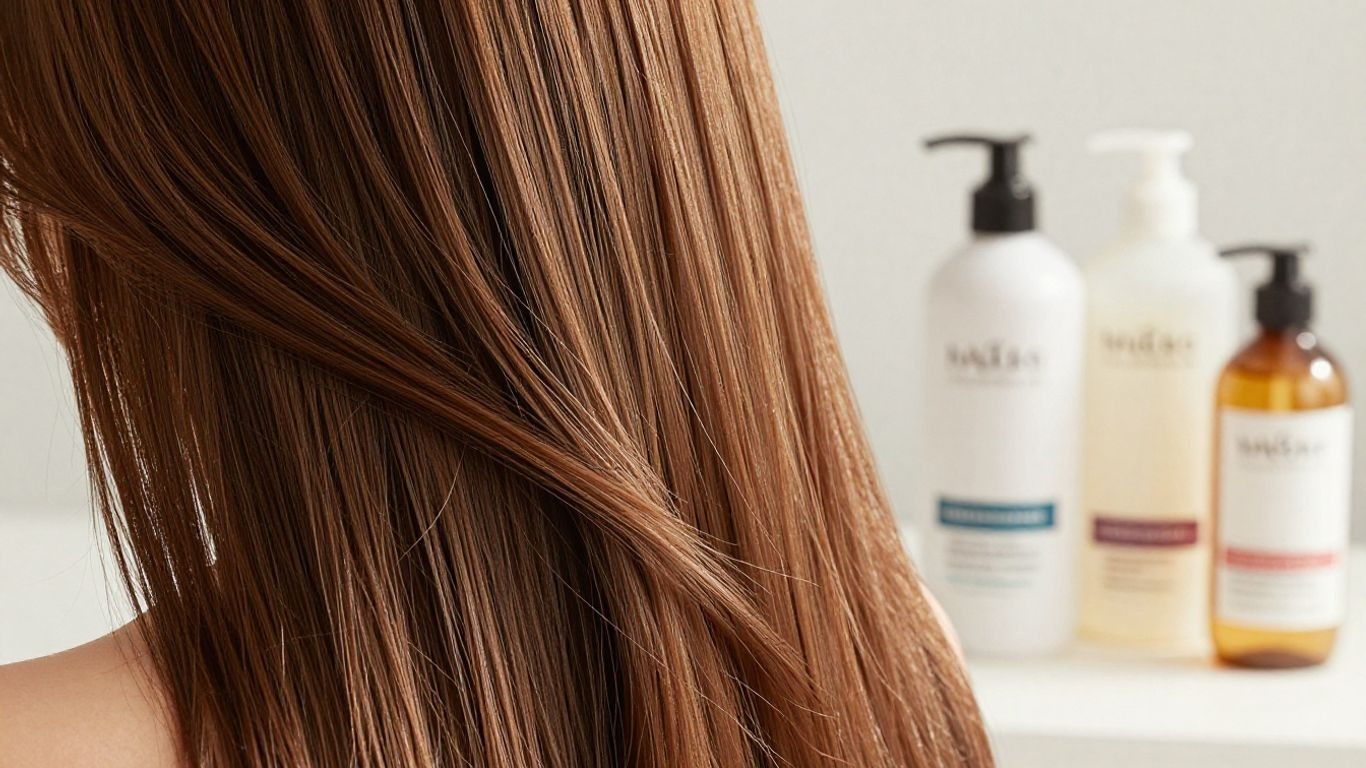
1. Mielle Organics Rosemary Mint Biotin Shampoo
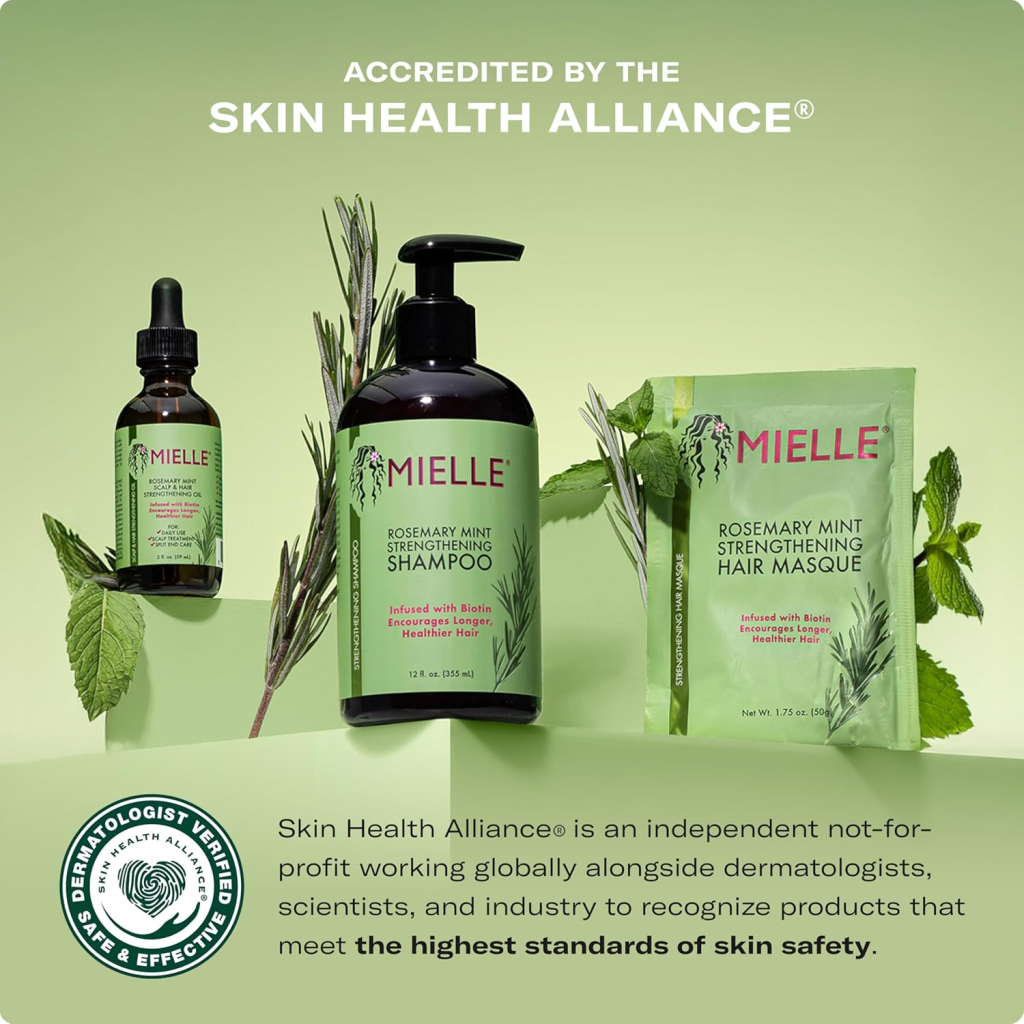
This is the shampoo I use when my scalp feels dry, but I would rather not sacrifice hair strength. It contains rosemary and biotin, two ingredients frequently found in the best hair loss treatments for women. With each use, it makes my hair feel softer and more resistant to breakage.
The thing that really stuck out to me about this shampoo was the invigorating mint– you know how sometimes you use a shampoo and your scalp feels clean but kind of stripped? My hair has generally looked smoother with regular use, particularly at the tips, where dryness often leads to splitting.
It’s not too heavy or stripping, so you can use it often (no dye-cleaning needed), and the formula feels balanced. But sooner or later, I’ve felt my hair become more manageable, with less shedding in the brush, which is always a relief.
• Deeply hydrates dry strands
• Fortified with rosemary to support circulation
• Biotin helps improve strength and reduce breakage
Mielle Organics strikes a balance between gentle cleansing and real strengthening, making me feel more confident about daily hair care.
2. Tgideas Organic Rosemary Thickening Shampoo
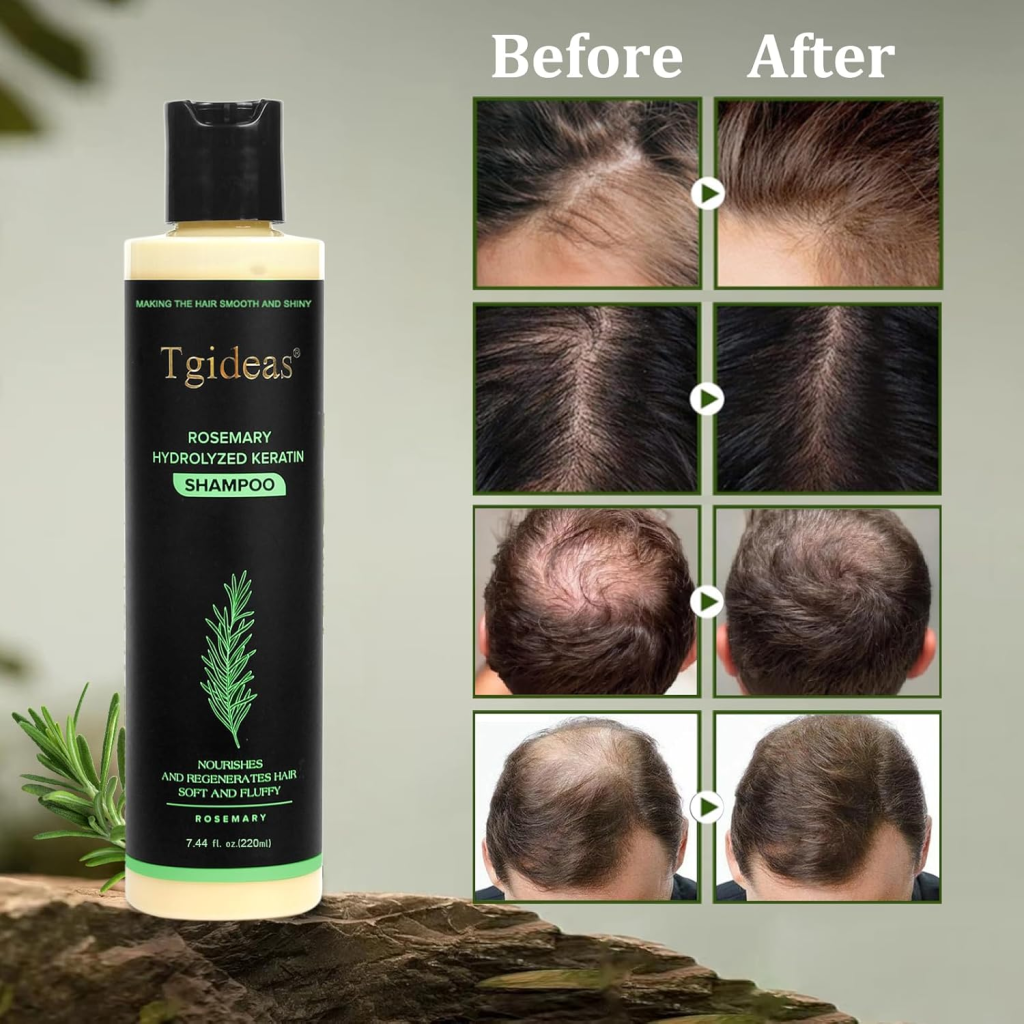
(One reason I was drawn to Tgideas is that they highlight natural ingredients as potential support for thinning hair.) The hydrolyzed keratin also gives flat hair a fuller feel, while rosemary helps to soothe itchy or flaky scalp issues, something I personally deal with as well.
It has a light texture that is easy to rinse out, enabling its regular use without any residue. After a handful of washes, my hair felt marginally fuller closer to the roots, which helped disguise thinning areas.
It is also great for those with a penchant for plant-based solutions. The mild formula makes it appropriate for everyday washing routines, particularly if your scalp is sensitive to stronger shampoos.
• Contains plant-based keratin for improved thickness
• Rosemary helps maintain scalp comfort
• Suitable for frequent and gentle cleansing
3. Dr. Groot Biotin Rosemary Thickening Shampoo
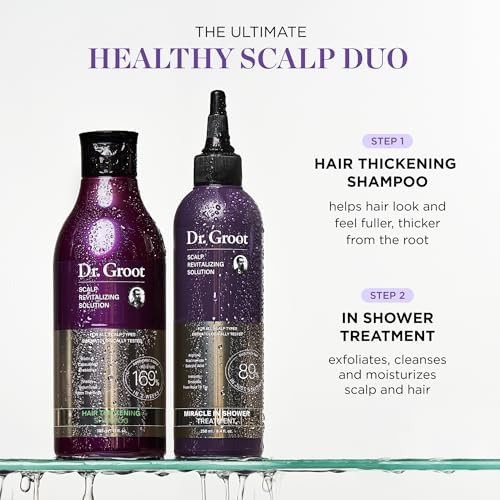
If a premium feel is your thing, Dr. Groot has you covered with a Korean-inspired formula designed to prioritize scalp care as much as how the hair looks. Biotin and rosemary are a popular pairing in the best shampoos for thinning hair in women, and this one feels particularly soothing after long days of dryness or irritation.
The formula is rich but not greasy, making hair appear full without weighing it down. After repeated use, strands feel more fortified and less fragile, making them easier to style.
The other major benefit is scalp hydration, something that many people overlook with hair loss regimes. A healthier scalp environment can also promote strong-looking roots and texture over time.
• Focuses on scalp hydration and nourishment
• Helps improve volume for fine hair
• Inspired by Korean hair wellness routines
What I Look For in the Best Products for Female Hair Thinning
- Gentle surfactants, no harsh detergents
- Proven active ingredients—biotin, rosemary, caffeine, or keratin
- Real feedback from others, not just hype
Between work, stress, and the million other things that pop up daily, treating thinning hair shouldn’t add more panic to your list. These shampoos cover the spectrum from luxury to budget, so there’s likely something for your situation—even if you just want to make the most of each wash.
How to Choose the Right Shampoo for Your Hair Type
I know, picking shampoo can be like a puzzle, huh? You don’t just pick the prettiest bottle off a shelf. I’ve discovered that my hair type really dictates what works for me. Consider your hair’s texture. Is it fine and easily weighed down, or thicker and in need of extra moisture? Also, how much hair is on your head (density) and even the way it grows out of your head — its natural curl or wave. And don’t discount damage, either; if you color or heat-style a lot, your hair may require extra TLC.
Choosing correctly is like designing your space with small apartment ideas—everything depends on your specific needs.
Here’s a quick breakdown I’ve found helpful:
- Fine hair: You want something lightweight. Thin strands can look flat and greasy really quickly with heavy oils or silicones. Look for volumizing or clear shampoos, which tend to clean without leaving a heavy residue.
- Medium to Thick Hair: This hair type generally responds best to richer formulas. Thickening hair shampoos usually contain extra moisturizing elements to keep everything smooth and hydrated.
- Curly or Coily Hair: Such strands typically require substantial hydration, as their shape makes it difficult for natural oils to reach their ends. This is where hydrating shampoos become your best friend.
- For Damaged Hair: If your hair feels dry and snaps easily, you need shampoos with ingredients that will repair it and make it stronger. Hydration is the secret to rejuvenating lifeless, parched hair.
- Sensitive Scalp: If your scalp tends to be easily irritated, use gentle, fragrance-free formulas. You want to cleanse but not leave the skin red or itching.
Determining your hair type can be tricky. It’s a component of how thick every strand is, how a lot hair you have got collectively, your natural curl pattern, and what damage it may have received. Sometimes, even different sections of your brain can require differing types of stimulation!
To be fair, I used to pick whatever smelled good or gave me colorful vibes, but it was a huge mistake. When I began really considering what my hair actually needed — more volume in the case of my fine strands or added moisture to the ends, for example- it made a real difference. It takes just a few minutes to think up exactly what your hair needs before you buy.
Tips for Maximizing Results from Hair Loss Shampoos
Shampoo for hair loss is an excellent move, yes, but it’s not a miracle cure by itself. I’ve found that there are a few things you can do that make a huge difference in how well you get the most out of it. First off, consistency is key. You can’t just use it, here and there, and expect miracles. Follow the usage recommendations, typically a few times a week, and be patient. (Changes don’t happen overnight, and it may take months to achieve your desired outcomes.)
Consistency matters—just like improving skills in how to thread a sewing machine or understanding sewing machine parts.
Here’s what I do to make sure I’m getting the best results:
- Massage it in well: When I get the shampoo on, I really take my time massaging it into my scalp. This isn’t simply cleaning; it’s about revving up blood circulation to the hair follicles. I massage in gentle circles for a minute or two and then rinse.
- Leave it on: Most of these shampoos contain active ingredients that require a bit of time to do their thing. I typically leave the lather on my scalp for a few minutes; the bottle usually has a recommendation, and I go by that. It’s like allowing the ingredients an opportunity to really penetrate.
- Rinse it out: After I let the frizz-curing thing sit, I rinse, and rinse well. Any leftover product weighs hair down or even irritates the scalp, which is the last thing I want.
- Pay attention to your broader hair regimen: What else are you doing to your hair? Excessive styling, overuse of heat tools, or rigorous chemical treatments can cancel out the good work your shampoo and conditioner are attempting to perform. I try to be kinder to my overall hair, using heat protectants and not doing tight hairstyles.
It is also important to keep in mind that hair loss can happen for many reasons, including stress and diet. A good shampoo can go a long way, but targeting the root cause is key. Sometimes, examining your diet or stress levels can have an unexpectedly big impact. But if you’re really worried, consulting a doctor is always a good idea to eliminate any underlying issues that could be causing hair loss.
Finally, don’t ignore your conditioner. As the shampoo cleans and treats, a solid conditioner will detangle and protect your strands, making them less susceptible to breakage. Seek out lightweight conditioners that won’t weigh your scalp down. Doing all of these has helped me see a difference together.
Wrapping Up My Thoughts
So after exploring all these shampoos, I’m a lot more hopeful about tackling hair thinning. And you know, it’s not enough to just find a product that cleans; the goal is for something I find on the shelf to actually make my hair feel better and look better, and be good for my scalp as well.
I’ve found that ingredients like saw palmetto and biotin can really work wonders, so it’s good to know things like the ones I’ve discussed are there for me and are super easy to incorporate into my active life. “It is a journey, for sure, but feeling that I have these top picks makes me feel more secure in what the journey ahead looks like for my hair.
If you enjoy improving different parts of your life—whether it’s personal care or home upgrades like how to upgrade your kitchen appliances—small consistent steps bring the best results.
Frequently Asked Questions
What causes hair loss in women?
As far as I know, hair loss in women may occur due to several reasons, such as stress, hormonal changes (like the ones during pregnancy/ menopause), genetics, health issues, or sometimes even by overdoing hairstyling. Harsh hair products or heat can also exacerbate at times.
Can shampoo really help with hair loss?
Shampoo can’t completely prevent hair loss, but certain shampoos have ingredients that nourish my scalp and allow my remaining hair to appear thicker. According to the shampoo report, the right one makes my hair feel stronger and healthier (especially when I use it with other hair care steps).
What ingredients should I look for in a shampoo for hair loss?
Whenever I look for a shampoo to address hair loss, I seek out ones that contain ingredients like biotin, saw palmetto, rosemary oil, caffeine, or pumpkin seed oil. These keep my scalp healthy (and may help with hair thinning).
How long does it take to see results from a hair loss shampoo?
For my hair, it typically really takes a few weeks to a month, or most of the time, to see any differences after first trying out a new shampoo. As I mentioned, hair growth is slow, so patience and consistent use of the shampoo are key to getting the results.
Is it safe to use hair loss shampoo every day?
Most hair loss shampoos can be used daily, although I always check the label to confirm. I might use it every other day instead if my hair or scalp feels dry or irritated.
Should I talk to a doctor before trying a hair loss shampoo?
If I’m losing a lot of hair or if I’m concerned about it, then I think it’s a good idea to see a doctor or dermatologist. They can assist me in identifying the cause of my hair loss and recommend the appropriate treatment option for me.