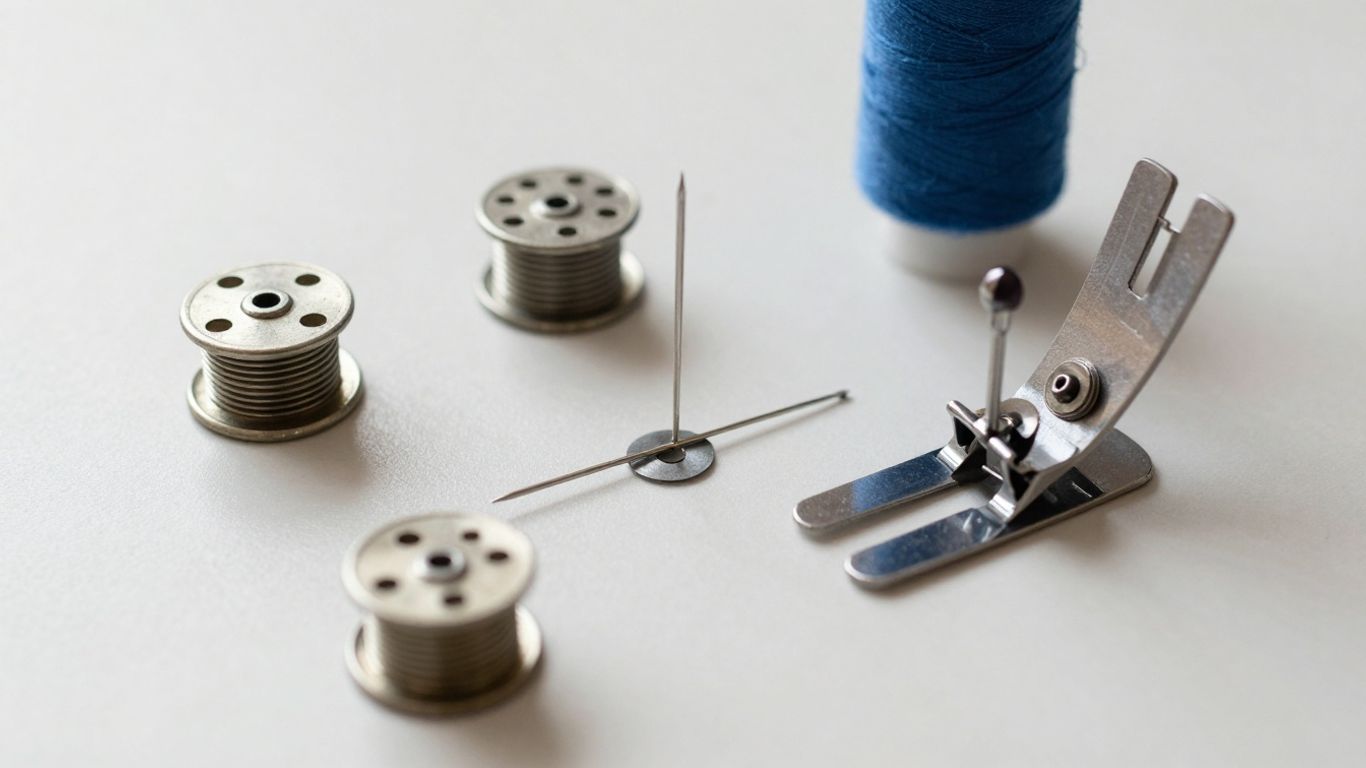
Sewing Machine Parts Explained: A Beginner’s Guide
Getting started with sewing can feel like a lot. You look at the machine, and it’s just a bunch of knobs and parts, right? I remember when I first got mine, I was so intimidated. It just sat there for weeks. But really, once you know what each piece does, it’s not so scary.
This guide, ‘Sewing Machine Parts Explained: A Simple Beginner’s Guide,’ is here to help you figure it all out. We’ll go over the main bits so you can start sewing without feeling lost.
Key Takeaways
- Understanding your sewing machine’s parts makes using it much easier and helps when things go wrong.
- Most sewing machines have similar basic parts, even if they look a little different.
- The needle, presser foot, and feed dogs work together to create stitches.
- The bobbin and bobbin case provide the bottom thread for your stitches.
- Knowing how to use controls like the stitch selector and handwheel lets you customize your sewing.
Why Understanding Sewing Machine Parts Matters for Beginners
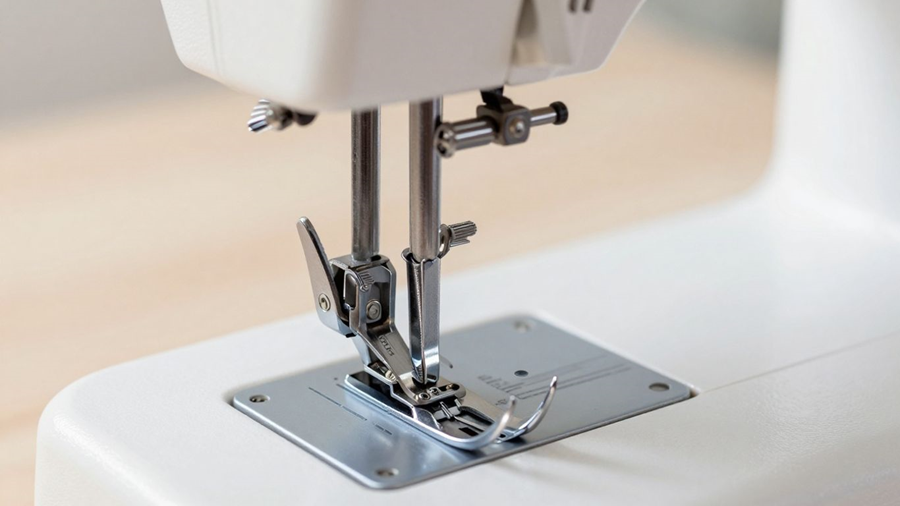
When I first got my sewing machine, I was honestly a little scared. It looked like a complicated piece of equipment with all its knobs and levers. But I quickly learned that getting to know the different sewing machine components is actually pretty simple and makes a huge difference. Knowing your machine’s anatomy is the first step to sewing with confidence.
Think about it: how can you fix a problem if you don’t know what part is causing it? Understanding the basic sewing machine parts for beginners helps you troubleshoot issues like skipped stitches or tangled thread. It also helps you use the machine to its full potential. You might not know you can do a specific stitch or technique until you understand the stitch selector or the different presser feet available.
Here are a few reasons why getting familiar with your beginner sewing machine anatomy is a good idea:
- Easier Operation: When you know what each button and dial does, operating the machine becomes much smoother. You won’t be fumbling around trying to figure things out.
- Problem Solving: Identifying sewing machine mechanisms means you can often fix minor issues yourself instead of calling for help or getting frustrated.
- Better Results: Knowing how parts like the feed dogs and presser foot work together helps you control your fabric for neater seams and more professional-looking projects.
- Machine Care: Understanding the different parts also helps you know how to clean and maintain your machine properly, which extends its life.
Taking a little time to learn about your machine’s parts upfront will save you a lot of headaches down the road. It transforms the machine from a mysterious box into a helpful tool.
The Essential Sewing Machine Parts: A Comprehensive Overview
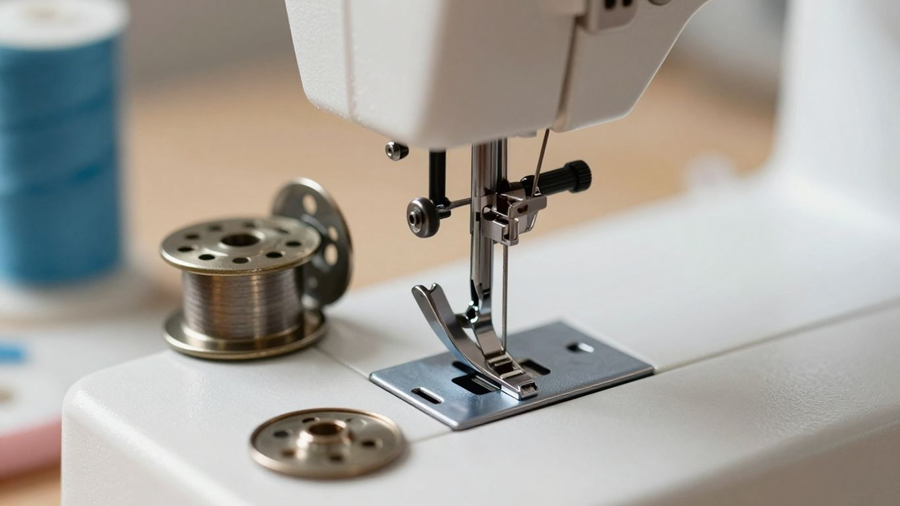
Alright, let’s get down to the nitty-gritty of what makes a sewing machine tick. When I first started, just looking at all the bits and pieces felt like trying to decipher a secret code. But honestly, once you know what each part does, it’s like a lightbulb goes off.
It makes sewing so much less intimidating and way more fun. This section is my attempt to break down the basic sewing machine anatomy so you can start identifying sewing machine pieces with confidence.
The Needle: Your Thread’s Gateway
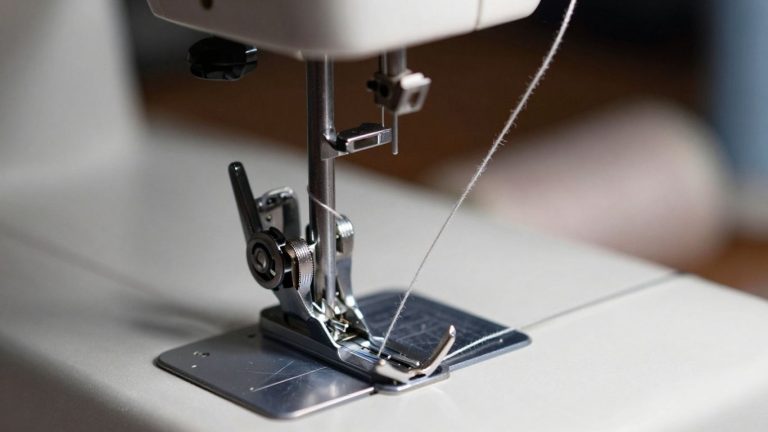
This is probably the most obvious part, right? The needle is that sharp, slender piece of metal that pierces the fabric. It has a tiny hole, called the ‘eye,’ at one end where you thread your upper thread.
The needle’s job is to carry the thread down through the fabric, creating a path for the stitch. Needles come in different sizes and types, depending on your fabric and thread. Using the wrong needle is a common beginner mistake that can lead to skipped stitches or fabric damage.
The Presser Foot: Holding Your Fabric in Place
Think of the presser foot as the machine’s gentle but firm hand. It sits right above the needle and presses down on your fabric, keeping it steady as the feed dogs move it along.
Most machines have a standard presser foot, but there are tons of specialized ones for different tasks, like sewing zippers or buttonholes. You can usually lift the presser foot with a small lever, which is super handy for positioning your fabric.
The Feed Dogs: Moving Your Fabric Forward
These little guys are often hidden under the needle plate, and they look like tiny metal teeth. When they’re raised, they grip your fabric and move it backward, stitch by stitch, as you sew. It’s like a conveyor belt for your project!
You can usually lower the feed dogs, which is necessary when you’re free-motion quilting or sewing on buttons. Knowing how to adjust them is part of your guide to sewing machine essentials.
The Bobbin and Bobbin Case: The Underneath Stitch
While the needle handles the top thread, the bobbin is responsible for the bottom thread. It’s a small spool that sits in a bobbin case, usually located beneath the needle plate. The bobbin case holds the bobbin and controls the tension of the lower thread.
When the needle goes up and down, it interlocks with the bobbin thread to create a stitch. Getting the bobbin wound correctly and inserted properly is key to a good stitch.
The Thread Spool Pin and Thread Guides: Directing the Upper Thread
These parts work together to guide the upper thread from the spool down to the needle. The spool pin holds your spool of thread, and a series of guides (little hooks and loops) direct the thread through the machine’s tension discs and finally to the needle’s eye.
Following the numbered thread guides on your machine is super important for proper tension and stitch formation.
The Stitch Selector and Stitch Length/Width Dials: Customizing Your Stitches
This is where you get to play with your stitches! The stitch selector lets you choose different stitch patterns – like straight stitch, zigzag, or decorative stitches. The length and width dials control how long or wide each stitch is.
For beginners, sticking to the straight and zigzag stitches is a good start. Understanding these controls is part of learning essential sewing machine terminology.
The Handwheel: Manual Control for Precision
Located on the side of the machine, the handwheel allows you to manually raise and lower the needle. I find this incredibly useful for precise movements, like starting a seam exactly where I want it or carefully maneuvering around curves. Always remember to turn the handwheel towards you!
The Foot Pedal and Power Cord: Bringing Your Machine to Life
These are pretty straightforward. The power cord plugs into the wall, and the foot pedal connects to the machine. When you press the foot pedal, it controls the speed at which the needle moves. It takes a little practice to get a smooth speed, but it’s like learning to drive – you get the hang of it!
Understanding these basic components is your first step in truly getting to know your sewing machine. It demystifies the process and builds your confidence for tackling any sewing project. Don’t be afraid to consult your machine’s manual; it’s a fantastic resource for identifying sewing machine pieces specific to your model.
Knowing these parts helps you with troubleshooting and understanding your machine’s capabilities. It’s all part of the journey of identifying sewing machine pieces and becoming a more comfortable sewer.
Common Sewing Machine Parts That Might Need Maintenance
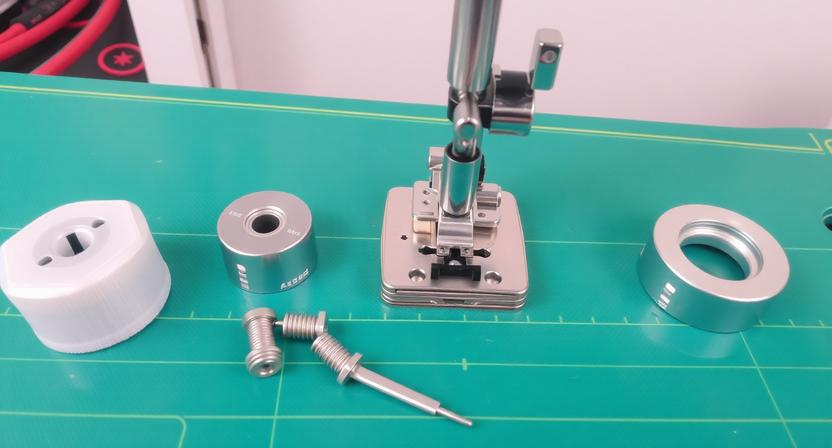
Even with the best care, some sewing machine parts might need a little attention now and then. It’s good to know how to identify sewing machine pieces that might be acting up. Usually, these are the parts that get the most wear and tear or are most likely to get clogged with lint.
- The Needle: This is probably the most common part to need replacing. A bent or dull needle can cause skipped stitches, thread breaks, or even damage your fabric. I usually keep a pack of universal needles in a few different sizes handy, just in case. It’s a good idea to swap out your needle after every major project, or even sooner if you notice any issues.
- The Bobbin and Bobbin Case: Lint can build up in the bobbin area, causing thread jams. Sometimes, the bobbin case itself can get a little bent or damaged, which affects how the bobbin thread is fed. Cleaning this area regularly is key.
- The Presser Foot: While not something that usually breaks, different presser feet can get dirty or clogged, especially if you’re working with sticky fabrics like vinyl or faux leather. Having a few different types of feet, like a zipper foot or a roller foot, can make specific tasks much easier. You can find some great beginner sewing kits that include a variety of these useful accessories.
- The Feed Dogs: These little teeth can get jammed with lint or fabric bits. If your fabric isn’t moving smoothly, check to see if the feed dogs are clear and functioning properly. Sometimes, you might need to lower them to do things like sew on buttons, so knowing how to adjust them is helpful.
Keeping these parts clean and in good working order will save you a lot of frustration. A little bit of regular maintenance goes a long way in keeping your machine running smoothly for years to come.
Conclusion
So, there you have it. I know it might seem like a lot of little bits and pieces, but honestly, getting to know your sewing machine is like making a new friend. Once you understand what each part does, from the big handwheel to the tiny feed dogs, sewing becomes way less scary. I remember when I first got mine, I was so intimidated, but just taking the time to learn the names and functions made all the difference.
Now, when something feels a bit off, I can usually figure out which part might be causing the issue. It’s not about being a mechanic; it’s just about being familiar with your tools. So, don’t be afraid to poke around, read your manual, and really get acquainted with your machine. You’ve got this!
Frequently Asked Questions
Why is it important for me to learn about my sewing machine’s parts?
Learning the names and jobs of your sewing machine’s parts is super helpful when you’re just starting out. It makes using the machine way easier and helps you figure out what’s wrong if something isn’t working right. Think of it like knowing the names of the tools in a toolbox – it makes you more confident and efficient.
What does the needle do on my sewing machine?
The needle is like the main actor in making stitches! It’s a sharp metal piece with a hole for your thread. As it goes up and down, it pulls the thread through the fabric, creating the stitches. Different needles are used for different kinds of fabric and thread, so it’s good to know you can swap them out.
What is the presser foot and why is it important?
The presser foot is the part that sits right above the fabric and holds it down firmly while you sew. This keeps your fabric from moving around unexpectedly. There are different types of presser feet for special jobs, like sewing zippers or making buttonholes, but the basic one is essential for keeping your fabric steady.
Can you explain what the feed dogs are?
The feed dogs are like little teeth that live under the needle plate. Their main job is to grab your fabric and move it along, stitch by stitch, as you sew. They work with the presser foot to guide the fabric smoothly. You can usually lower them if you need to sew buttons on.
What’s the deal with the bobbin and bobbin case?
The bobbin is a small spool that holds the thread for the underside of your stitches. The bobbin case holds this little spool in place and helps control the tension of the bobbin thread. When the needle thread and bobbin thread meet, they create a strong stitch. Most machines have either a top-loading or front-loading bobbin system.
How do I control the speed of my sewing machine?
You control the speed using the foot pedal! It’s like a gas pedal for your sewing machine. The harder you press down with your foot, the faster the machine sews. This takes a little practice to get smooth, but it allows you to sew slowly and carefully or more quickly when you’re comfortable.