Serger vs Sewing Machine Explained Pros, Cons, and Uses
When I first started sewing, I kept hearing about sergers and sewing machines, and honestly, I wasn’t sure what the big deal was. It felt like just another tool to learn, and I already had my trusty sewing machine. But as I got more into making clothes, especially with knits, I started to see why people rave about sergers.
They really do make certain tasks so much easier and faster. So, I decided to break down the Serger vs Sewing Machine debate to help you figure out if you need one, or both, for your sewing projects.
Key Takeaways
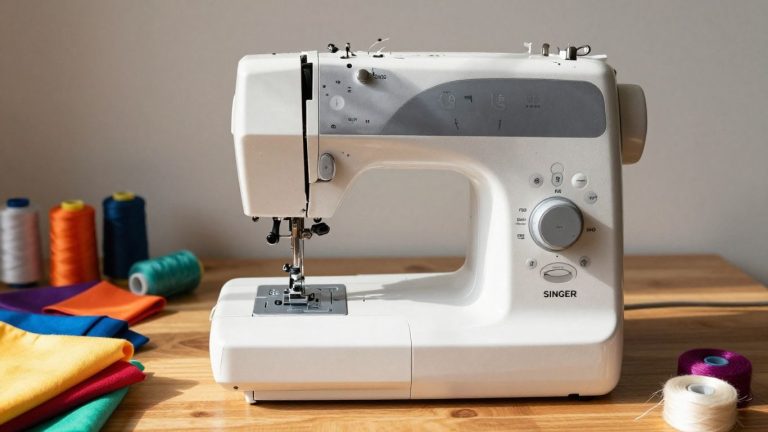
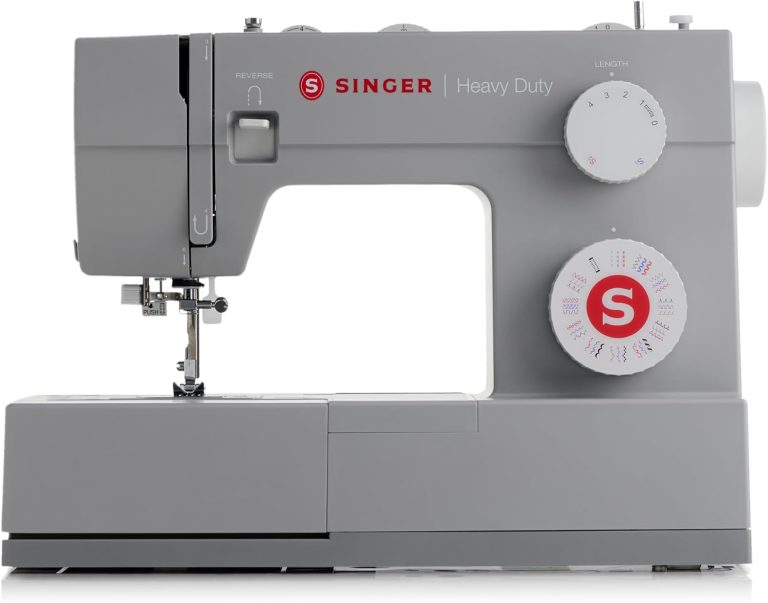
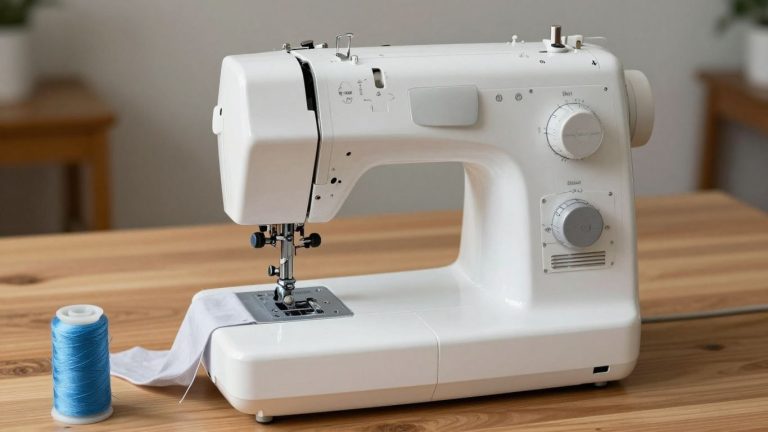
- A sewing machine is your go-to for basic construction, like straight seams, buttonholes, and decorative stitches. It uses one needle and a bobbin.
- A serger, also called an overlocker, is specialized for finishing raw edges, sewing stretchy fabrics, and creating neat, durable seams quickly. It uses multiple threads and has a built-in blade.
- Sergers are much faster than sewing machines because they can trim, sew, and finish a seam all in one step.
- While a sewing machine can do basic edge finishing with a zigzag stitch, a serger provides a much more professional and durable result, especially on knits.
- You don’t necessarily need both. If you mostly quilt or do simple projects, a sewing machine might be enough. But if you sew garments, especially knits, a serger can be a game-changer.
What is a Sewing Machine?
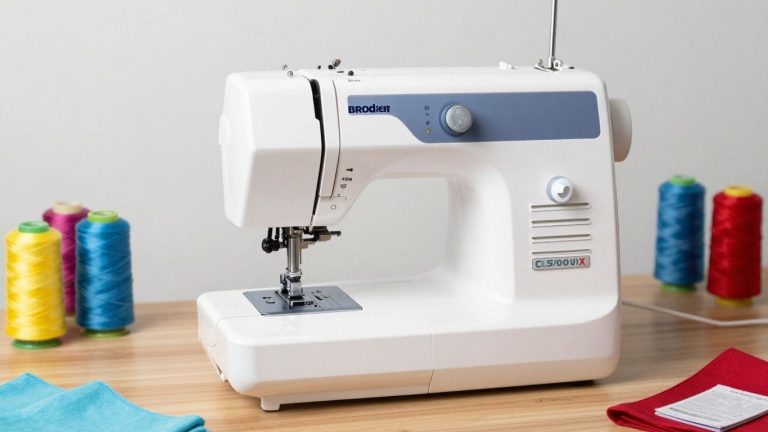
When I first began to sew, the basic sewing machine was my bread and butter. It’s the workhorse of many sewing rooms, and with good reason. It’s extremely versatile and takes on a variety of projects, earning it top marks for the best sewing machine for garment construction by many people.
How a Sewing Machine Works
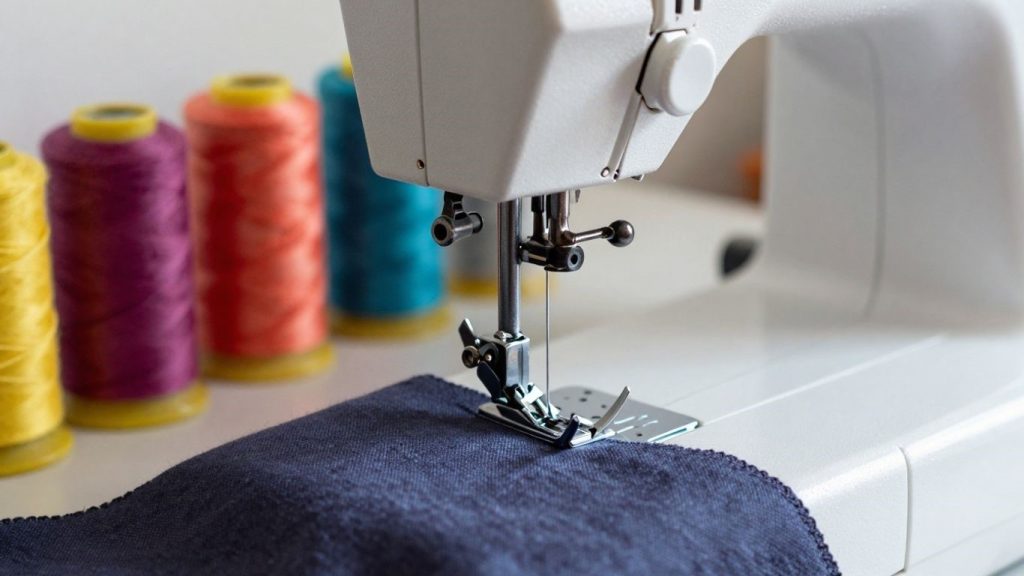
A sewing machine sews by passing needle and thread through the fabric to create a stitch between layers of material. It produces stitches by interlocking a top thread (taken from a spool) and bottom thread (pulled from a bobbin). The needle descends into the fabric, taking the top thread and pulling it through the fabric, all while a rotating bobbin lifts its own thread to create an interlocking loop around itself that grabs at the top thread, completing one stitch.
Most machines are capable of making several types of stitches, such as straight stitches for seams, zigzag stitches for finishing raw edges or stretch fabrics, and decorative stitches for adornment.
Pros of Using a Sewing Machine
- Versatility: A sewing machine can do so much more than just sew seams. I use mine for everything from hemming pants and creating simple tote bags to quilting and even basic embroidery.
- Ease of Use: For beginners, a standard sewing machine is generally easier to learn and operate compared to a serger. Threading is usually straightforward, and understanding the basic stitches is pretty intuitive.
- Wide Range of Stitches: Most machines offer a variety of stitches, giving you options for different fabrics and project needs. This includes buttonholes, which are a must for many clothing projects.
- Repair and Mending: It’s the perfect tool for fixing ripped seams, replacing zippers, or patching holes in clothing and household items.
Cons of Using a Sewing Machine
- Edge Finishing: While many machines have a zigzag stitch or an overcasting foot, they don’t always provide the clean, professional finish that a serger does. Fabric edges can still fray over time if not finished properly.
- Speed: Compared to a serger, a standard sewing machine is slower, especially when you need to sew seams and finish the edges simultaneously.
- Bulk on Seams: For very thick fabrics, the seam allowance created by a standard sewing machine can sometimes feel bulky, especially if you’re sewing multiple layers.
Incredible as a sewing machine can be, one would need to bear in mind that the main job of this device is fusing pieces of fabrics. It can finish edges, yes, but it’s not what it is known for. If you have the budget for it, you may want to eventually consider a serger for truly pro-looking finished seams, especially on knits or wovens that tend to fray.
Here’s a quick look at what a sewing machine is generally best suited for:
- Creating garment seams
- Sewing buttonholes
- Adding zippers and buttons
- Quilting and appliqué
- Mending and alterations
- Decorative stitching
What is a Serger (Overlocker)?
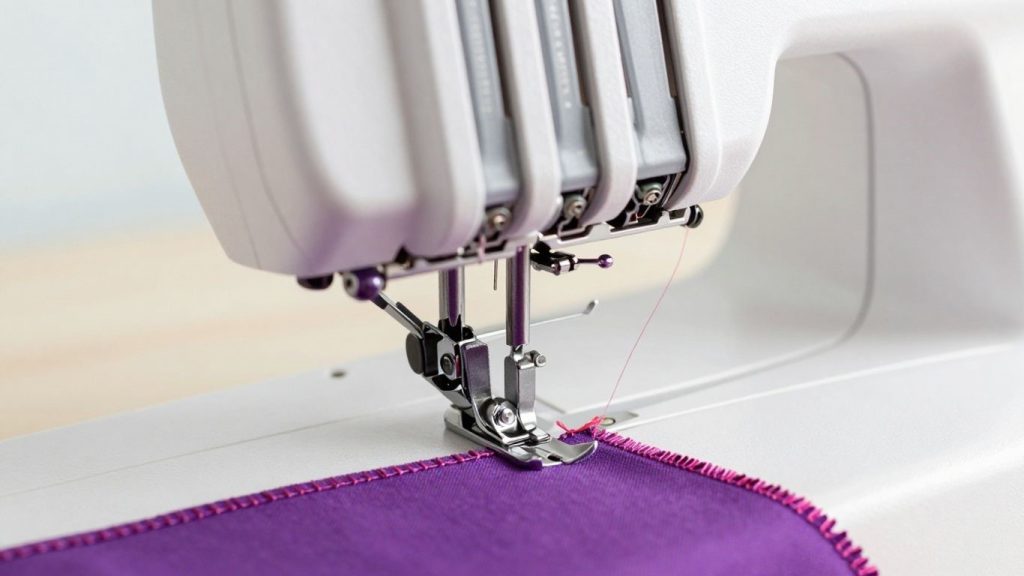
Now, you may have seen the word ‘serger’ or ‘overlocker’ being bandied about, you might even wonder what all the fuss it. I know I was! A serger is a very specific kind of sewing machine that does some things a regular old sewing machine can’t.
Call it a super-charged finishing machine. It stitches as it trims and finishes the fabric edge at the same time. This is where it’s so different from an ordinary sewing machine.
How a Serger Works
Sergers work with more than one thread, usually three, four, or even five, to make a seam. As it’s stitching, a small blade cuts away the extra fabric from the seam allowance. The stitches then essentially go over the cut edge, making a tidy, overcast stitch. And we love not only how professional this stitch looks, but it also keeps the fabric from fraying.
It’s magic, happening before your eyes! The loopers, which form the “loopy” stitch to lock the stitch (the two pieces of fabric), operate together with needles. All of this occurs at breakneck speed.
Pros of Using a Serger
There are quite a few reasons why I love my serger and why many sewists consider it indispensable:
- Speed: Sergers are significantly faster than regular sewing machines. They can zip through fabric, making quick work of long seams.
- Professional Finish: The overcast stitch created by a serger gives a clean, professional look to the inside of garments, much like you see in ready-to-wear clothing. This is a big part of what a serger is used for.
- Durability: The stitches are strong and flexible, especially on knits, which means your seams are less likely to break or stretch out.
- Efficiency: It combines multiple steps – sewing, trimming, and finishing – into one pass. This saves a lot of time, especially when you’re working on a large project or need to assemble many pieces.
- Edge Finishing: It’s perfect for preventing fraying on woven fabrics and creating decorative edges.
When I first got my serger, I was a bit intimidated by all the threads and the cutting blade. But once I got the hang of threading it and understood how it worked, it completely changed how I approached sewing projects. It made my handmade clothes look so much more polished.
Cons of Using a Serger
Of course, no machine is perfect, and sergers have their downsides too:
- Learning Curve: Threading a serger can be tricky, and understanding how all the parts work together takes practice. It’s definitely more complex than a basic sewing machine.
- Limited Stitch Types: Unlike a sewing machine, a serger primarily creates overlock stitches. You can’t do a standard straight stitch or a zigzag stitch with it.
- Not for All Fabrics: While great for many fabrics, they aren’t always the best choice for very thick or bulky materials, where a standard sewing machine might be better suited.
- Requires Separate Machine: You still need a regular sewing machine for tasks like buttonholes, topstitching, or decorative stitches. A serger doesn’t replace your sewing machine entirely.
So, when to use a serger? It’s perfect for garments, especially knit, and overlock seams on woven fabrics, finishing edges on mesh or lace. If you want your sewing projects to have that professional and durable look, a serger has your back. It takes your sewing to a whole other level, and I can’t imagine not using mine anymore.
And it’s a game changer, if you’re serious about garment making or just want that store-bought look in your handmade wear. If you want to know what the difference is between an overlocker and a sewing machine, the fact that over locker can cut and finish in one go is the main difference. I will tell you sewing with a serger really includes in your task and top quality.
Key Differences: Serger vs. Sewing Machine
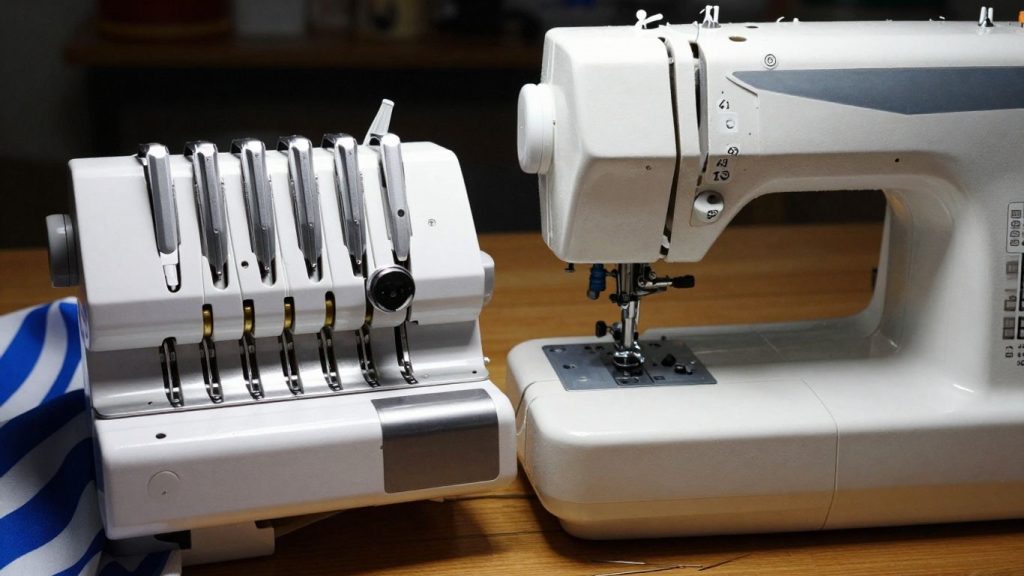
So I’ve spent a fair bit of time with both my trusty sewing machine and newer serger, and let me tell you, they are NOT the same animal. It can seem a little overwhelming, thinking about what the difference is between a serger and a sewing machine at first, but once you understand, it’s like there’s a lightbulb! They have both a job to do, and that makes it so much easier to choose between them.
Stitch Types and Capabilities
For construction I pretty much head over to my sewing machine. It performs all the stitches that I use regularly—straight stitch for seams, zig-zag for finishing edges when I don’t want to get out my serger, and of course, the buttonhole stitch. It’s flexible for piecing quilts, sewing bags, or simply hemming pants. It generally has one needle and a bobbin, forming a strong stitch that binds stuff together.
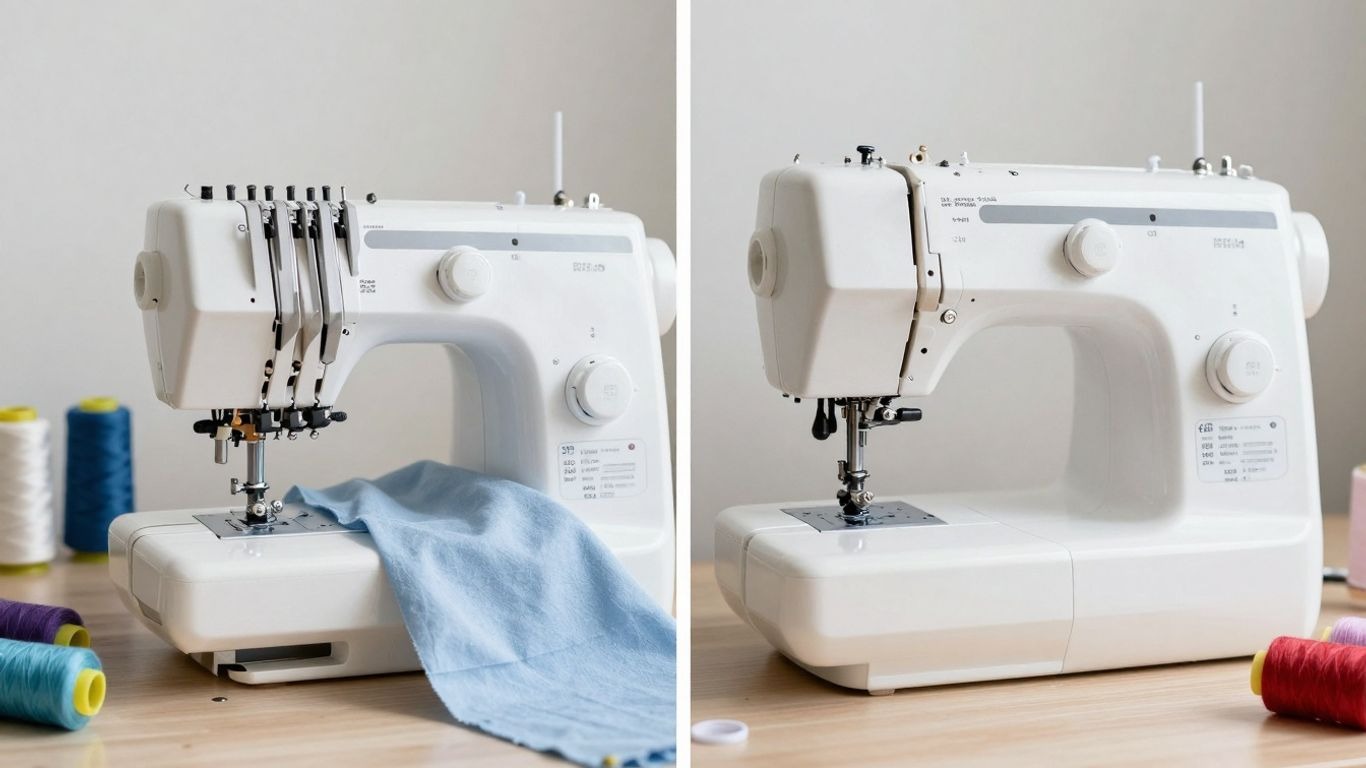
A serger, on the other hand, is all about velocity and professional work. It has several threads (typically three or four) and a differential feed system that sews, trims, and finishes a seam edge all at the same time. Seams sewn on a serger are stretchy, and that is one of the major pluses when sewing with knits.
It makes for a nice, clean edge that won’t unravel and is also what you’ll find on the inside of seams for most ready-to-wear clothing. It is capable of sewing a seam, but its real power lies in its edge finishing and managing the stretchy fabrics like butter. It’s not for decorative stitches, or button holes, however.
Here’s a quick rundown of what I typically use each for:
- Sewing Machine:
- Serger:
Speed and Efficiency
Serger definitely saves the day here. And it is extremely fast because it trims and stitches and finishes all in one pass. If I’m working on a whole pile of t-shirts or other knit projects, the serger reduces my actual sewing time by nearly half compared to using just my regular machine. It’s basically like having three machines on at once. The sewing machine, however, though capable, kicks out another extra step in order to sew and finish the seam allowance, so it’s time-consuming.
When I got my serger, all of the threads and cutting blade scared me a little. It definitely has a learning curve (more so when threading and adjusting tension). But after I got over that first hump, the rewards became clear. It made my work look so much more professional, and the speed bump was such a productivity game changer.
So, whereas a sewing machine is the general workhorse, a serger is the specialist for speed and professional finishes when working with stretchy fabric. Knowing these sewing machine vs serger differences is very helpful so that you can choose which to reach for, knowing what type of project you are working on.
When to Use Which Machine
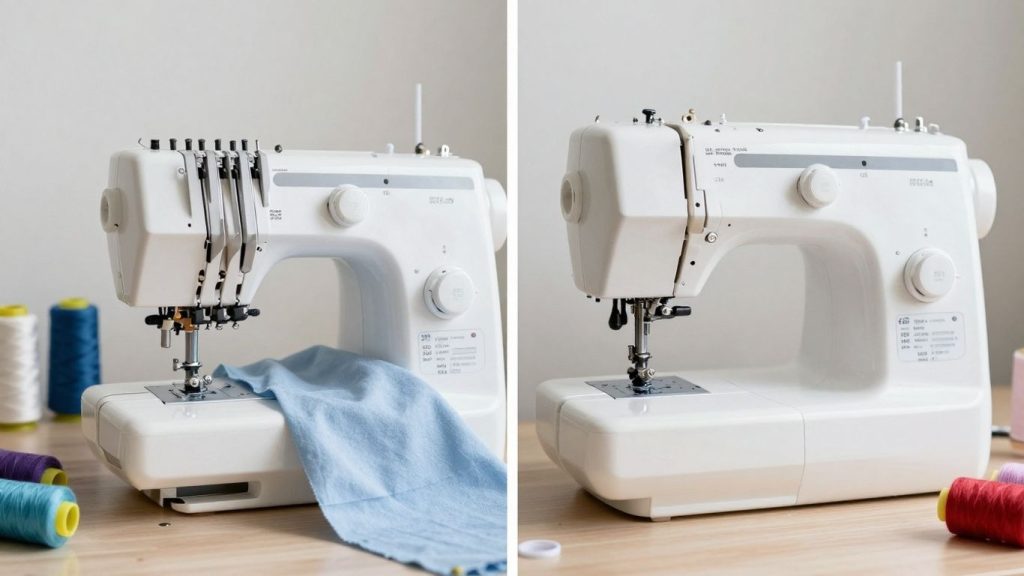
So, you’ve got your sewing machine, and maybe you’re eyeing a serger or perhaps you are just starting and asking yourself which one to pick up first. It’s really about what you’re trying to create, and how you want that to look.
When I’m just starting, or if my projects involve mostly fitting pieces together, sewing up a simple tote bag, hemming some curtains, or even quilting, I use my standard sewing machine. It does straight stitches, zigzags, and buttonholes, which are basically all I need for basic construction and mending. It’s the mule when it comes to building things.
But when I am after a professional, store-bought finish to my seams, or if working with stretchy knits that just love to ravel on me, that’s when I will go in search of what item I’d be making and bring out my serger. It’s wonderful for finishing edges, sewing strong seams on knit fabrics, and even rolling up tiny hems. It just makes everything look super professional and clean in a way that my sewing machine alone can’t replicate.
Here’s a quick rundown:
- Use your sewing machine for:
- Basic garment construction (sewing pieces together)
- Mending and repairs
- Creating buttonholes
- Quilting
- Projects where a finished edge isn’t the top priority.
- Use your serger for:
- Finishing raw edges to prevent fraying
- Sewing seams on stretchy fabrics (knits)
- Creating decorative rolled hems
Trimming and sewing seams in one step for speed.
Funnily enough, for a while I felt I needed both instantly. But in hindsight, a sewing machine got me through much of it. It didn’t take until I began sewing more fitted items and in various fabric types before the thing went from some kind of ‘yeah sure that would be nice to have’ to a ‘are you kidding, how could we ever STYLE!’ If you’re on a budget or just beginning to sew, prioritize getting a great sewing machine first. You can always purchase a serger separately when your projects require that extra finish and speed.
So, Which Machine is Right for You?
After going in-depth on what sewing machines and sergers can (and can’t) do, I’ve come to see them as distinct tools for different tasks. I still rely on my trusty sewing machine when it comes time to build things from scratch, such as bags or hemming pants. But if I’m sewing with stretchy fabric or want the interior of those seams to look really pristine and professional, particularly for garments, my serger is invaluable.
Sure, it’s even more of a footprint than our previous feature, and the threading was definitely hella confusing at first (I’m not going to lie: figuring out how to get threaded still feels just like this), but man — the speed and the super clean edge/form that you end up with is pretty damn awesome. It’s great for me to be able to have both and it makes sewing seem more fun and also opens up a lot of possibilities in terms of projects I can do. If you’re interested in pursuing sewing as a serious hobby, or simply want to speed up the finishing on your projects, it might be worth investigating the investment of a serger — but for basic mending and simple projects, a sewing machine will do just fine.
Frequently Asked Questions
Can a sewing machine do everything a serger can?
Not really. I can sew basic stitches, straight, zigzag, and even the more decorative ones, but I cannot make those special stretchy, overlock stitches that a serger does. A serger trims the fabric as it sews, which I’m unable to do. So, for some things, like sewing stretchy knits or cutting fabric with a really neat edge so you don’t have to finish it (serge it) before wearing the garment, etc. – a serger is way better.
Is a serger difficult to use?
I admit that for some, threading a serger can be a little complicated at first. It uses many more threads than a traditional sewing machine, and getting all those threads lined up properly took me some practice. But I quickly got the hang of it, and especially with all the wonderful online videos and manuals, it was a lot simpler than I initially thought. It may sound hard, but it’s so worth it once you see the results.
Do I really need both a sewing machine and a serger?
Well that all depends on what you enjoy sewing! I don’t usually have bad eyesight when it comes to my own life, so I trust what I see, especially with the benefit of a color monitor and never doing too much overlapping work (if I’m mostly sewing together simple things like tote bags or piecing to make quilts). But if I’m sewing clothes, especially in stretchy fabrics, or if I want a super professional look on my seams, then a serger is a game-changer. For me, it really makes my sewing life so much easier, and I think my projects look a ton better.
What’s the biggest advantage of using a serger?
The main win for me with a serger is the speed and that professional look. It actually sews, trims, and finishes the edge all at once — and very quickly. And those overlock stitches ensure the inside of my garments is just as tidy and clean-looking as store-bought clothes. It does so much for the end product.
Can I make my sewing projects look more professional without a serger?
Absolutely! Even without a serger, I can still pile up a pretty nice finish on my fabric edges. I can use a zigzag stitch on my sewing machine, or tricks like French seams or pinking shears. Very neatly, if you spend a little extra time making sure to work accurately.
How fast is a serger compared to a sewing machine?
Sergers are significantly faster! While my sewing machine does a wonderful job with it, sergers can whip through seams at high velocity: over a thousand stitches per minute. It’s built for efficiency, particularly for a machine that is multitasking (e.g., cutting and sewing simultaneously).