Trending Macrame Wall Hanging Patterns for 2026
I’ve been seeing macrame wall hangings everywhere lately, and honestly, I’m totally hooked. It feels like this craft is having a real moment, and I’m so excited to explore what’s new and fresh for 2026. If you’re like me and love the cozy, handmade vibe macrame brings to a space, you’re in for a treat.
We’re going to look at why these pieces are still so popular and what cool macrame wall hanging patterns are making waves this year. Plus, I’ll share some tips on getting started, because who knows, you might just find your next favorite hobby.
Key Takeaways
- Macrame wall hangings continue to be popular because they add texture and a personal touch to home decor.
- Learning basic knots like the Lark’s Head, Square Knot, and Half Hitch is the first step to creating your own macrame wall hanging patterns.
- Popular macrame wall hanging patterns for 2026 include large bohemian designs, simple geometric styles, nature-inspired motifs like leaves and feathers, and vibrant, colorful pieces.
- Choosing the right materials, such as cotton cord of varying thicknesses and textures, is important for achieving the desired look and feel for your macrame wall hanging patterns.
- You can find macrame wall hanging patterns through online tutorials, craft blogs, dedicated macrame websites, and even by adapting existing projects.
Why Macrame Wall Hangings Are Still Trending
So while macrame itself might seem like a trend, I really believe that it is here to stay. It’s very grounding working with natural fibers and making something beautiful with your hands. And on top of that, these pieces just add this amazing warmth and texture to a space that you can’t quite achieve with store-bought decor. I think people are really looking for a more personal and unique feel in their homes, and macrame wall hangings are just the thing.
They provide a great way to let personal style shine, without being over the top. Whether you tend toward the super boho vibe and dig tons of fringe and complex knots, or you like your décorairy a little bit cleaner and more modern — we’re leaning toward small geometric shapes – there’s a macramé for every style. And it’s crazy how one piece, put in just the right spot, can make all the difference in the world -transforming a big blank wall into a true focal point.
And it’s not just a matter of aesthetics, there’s an increased interest in handmade and sustainable goods, and macrame is right on-brand. The growth trends are DIY-ers seeking bio macrame products should grow by 20 percent a year through 2026. This surge is largely driven by Gen Z and Millennial shoppers as they become more mindful and personalized in demand for sustainable handmade goods.
I also find the craft very appealing. It’s meditative, for one thing. After a long day, there’s nothing quite like sitting down with some cord and letting your hands do the work. And the feeling of completion for a project, especially if it’s a larger wall hanging, is pretty glorious. And it’s a physical representation of all the hard work you’ve put into something, something you can look at and enjoy every single damn day. It’s not just decor; it’s art with a story you can share.
Key Macrame Techniques for Beginners
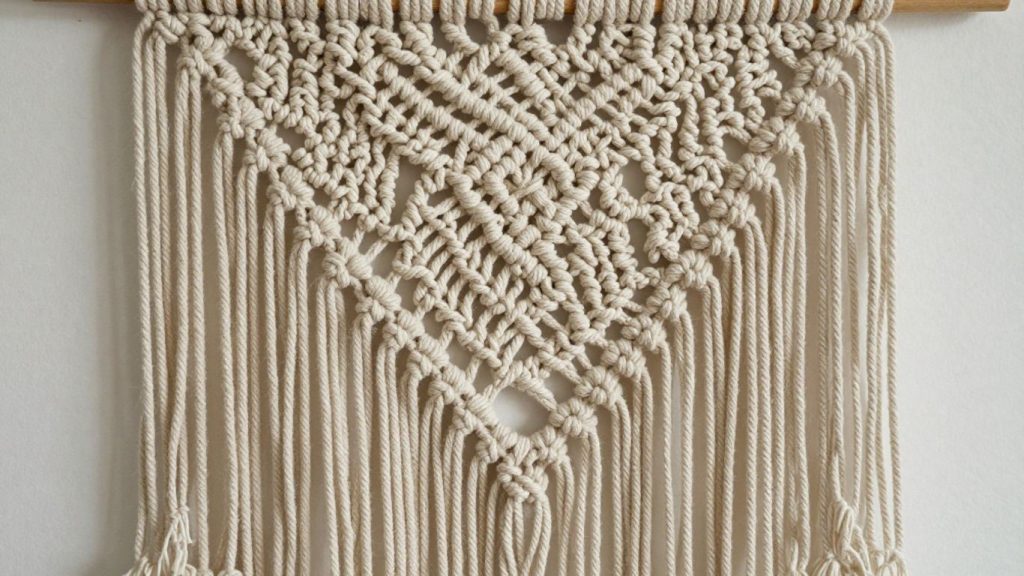
The delicate art of macrame can seem a bit daunting, especially when you’re admiring those gnarly wall hangings. But really, it all boils down to a handful of simple knots. And once you’re good, then you’ll be on your way to making those pretty beginner macrame wall tapestry projects of your own. I’ve discovered that learning these knots and practicing them a few times before launching into a full pattern made a world of difference for me.
The Lark’s Head Knot
This is the barebones knot. It’s frequently utilized to secure cords to a dowel or ring, and it results in a tidy, finished edge. It is the equivalent of design’s own little zero point. You’ll see it in many of those do-it-yourself macrame decor tutorials.
The Square Knot
The square knot is arguably the most well-known macrame knot. It is created by tying two half-square knots, one left and one right. This knot is so versatile, and it’s a building block for just about any pattern out there – even the ones in today’s modern macrame designs for beginners. It’s what makes macrame so classically plain and textured.
The Half Hitch Knot
There are actually a couple of different versions of the half hitch, but fundamentally, it is a knot that wraps around another cord. It’s frequently used to make lines or patterns within a larger design, such as diagonal lines or borders. One of the first things you’ll learn when learning to make macrame wall hangings is the many variations of how to work a half-hitch.
Repeating these three knots is the key to developing muscle memory. If they come out looking a bit messy, don’t sweat it, it’s completely typical. Keep it up, and you’ll start to see results before long. It’s like when you learn to ride a bike, at first it feels wobbly, but then it becomes something you do without even thinking about.
Once you have mastered these, you will discover that many basic macrame projects are well within your reach. You will also find a wonderful DIY macrame plant hanger tutorial, which uses these basic techniques in abundance. For larger, more complex projects, you might run into other knots as well, but if you can learn to master these simple ones, you will have a great base for all kinds of beginner macrame designs. If you need inspiration for where to look for patterns, the blogger Maria Sew found some creative places.
Top Macrame Wall Hanging Patterns for 2026
Let’s jump into the macrame wall hanging patterns that I am loving this year. I’ve been looking at all kinds of cool stuff, and I’m eager to write about some of the trends that are emerging. It seems that macrame is very much in vogue, mixing up traditional methods of the old school with its fresh, modern threads.
Bohemian Chic: Large, Intricate Designs
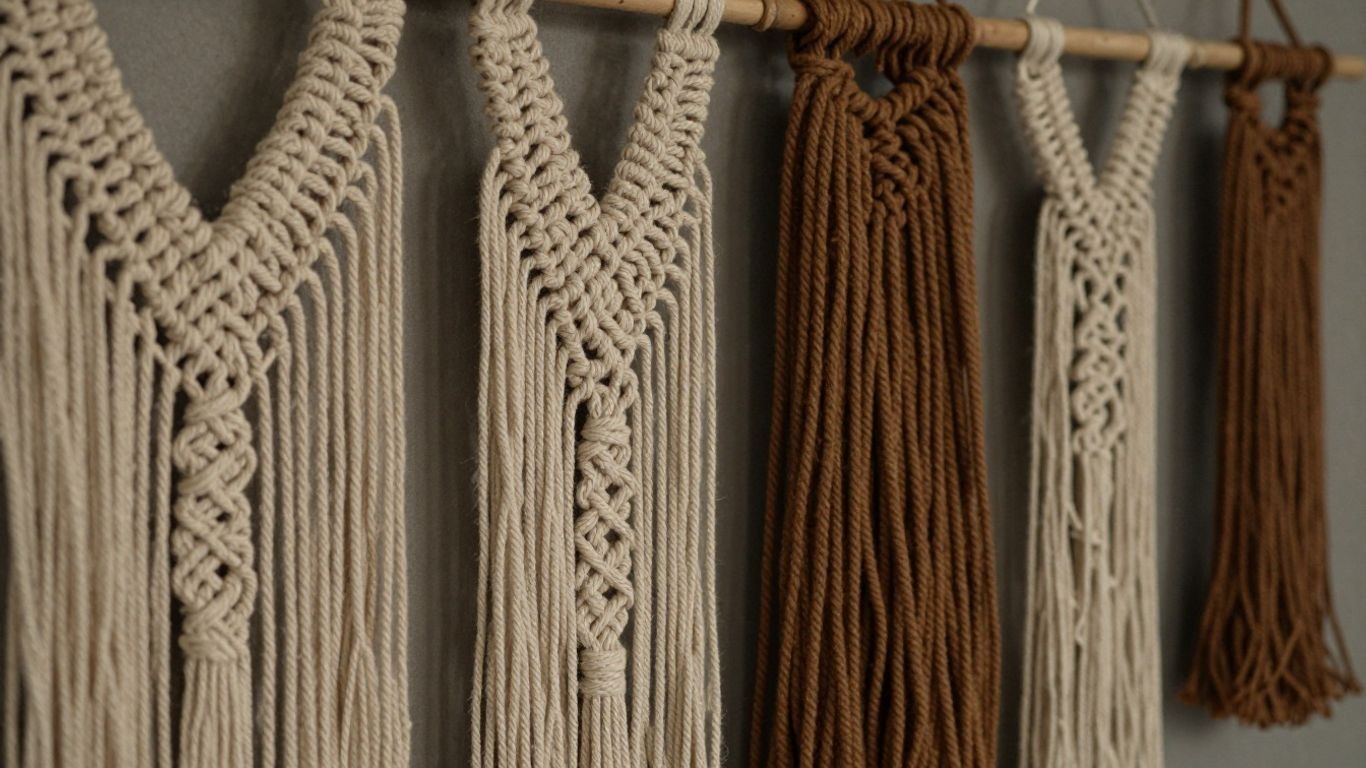
You know when macrame really gets to shine? I mean, those large statement pieces that completely cover a wall and dominate the space. Think lots of fringe, complicated knotting patterns, and a generally free-spirited, artistic feel.
These are not for the faint of heart, but they are gorgeous. They frequently include natural materials like driftwood or chunky wooden beads, furthering that earthy, bohemian vibe. These oversize pieces are ideal for injecting life and personality into a room.
Minimalist Marvels: Simple Geometric Patterns
On the other hand, I’m really enjoying the growing minimalist macrame. You will see a lot of geometric shapes and clean lines in these designs. They use fewer knots, more structure , and negative space. It’s about being subtle and urbane.
These contemporary macrame wall hanging patterns are perfect for spaces that already have a lot going on, as well as for anyone who prefers something understated. They’re proof that macrame doesn’t have to be fussy to be pretty.
Nature-Inspired: Leaf and Feather Motifs
This trend is so charming! I just keep seeing these glorious leaf and feather motifs appearing. They tend to be smaller, so they’re great for filling in gaps or building a gallery wall. It’s amazing what you can do with a few basic knots.
They bring a little of the outside in, and that’s always welcome. You can create them in a natural cord color or try some dyed cords for a more colorful result.
Color Pop: Vibrant and Textured Creations
Natural tones are always a classic for art of any kind, but I’m definitely noticing people incorporating color into their macrame wall hangings more and more. Think bold blues, sunny yellows, or even dark jewel tones. Combining different sizes of cord is also another way to add interest.
By combining something smooth like cotton with something rougher like jute, or using variegated cords, you can make really dynamic pieces. Be fearless in terms of colour and texture; it is a great way to show your personal style.
How funny that these motifs, so grand or simple, evolved from the same basic knots. Its versatility is what makes macrame so compelling year after year. I can’t wait to give some of these contemporary macrame wall hanging designs a go myself.
Choosing the Right Materials for Your Pattern
The materials you use to make your macrame wall hanging sort of matter a lot, actually. And it’s not just a matter of grabbing some old piece of string, the kind of cord you select can truly alter the look and feel of your finished piece. First, take into account the cord’s diameter. Cords in at a 3mm or 4mm will do well if you have more intricate patterns with tons of tiny knots and thin fringe. They drape very softly, and that’s what you want for something detailed or small.
And if you’re doing something bolder, with a bigger statement piece, it’s time to level up to thicker cords, maybe 6mm or even 8. These thicker ropes hold their shape better and make the knots pop. Braided cords offer a crisper knot definition than their twisted counterparts, which tend to make them slightly more rustic-looking.
Here’s a quick rundown of common cord types:
- Cotton: The most popular type of yarn; super soft, easy to work with, and it comes in tons of colors. It’s perfect for most indoor items.
- Hemp/Jute: These are designed to look more natural and textured. They provide a little stiffness, which can be nice in structured designs, and they last.
- Polyester/Nylon: These are great if your work is going in a damp place, such as the bathroom. Or a location that gets a lot of sun. They do incredibly well at resisting moisture and fading.
I’m always one for testing a little swatch first. It helps me understand what it feels like when you stack the cord and how it knots or hangs. It’s a small thing, but it can avoid much frustration later, particularly if you are working with a new kind of cord or some unfathomable pattern.
You can even experiment with dyeing scraps to see how the color takes before committing to an entire project. For instance, 6mm braided cotton cord is magic for medium-sized hangings where I want the knots to be visible but have some nice drape. You can get good-quality cords at places that also sell macrame supplies.
Don’t forget to factor in the size of your project, as well. A huge, chunky rope might overpower a small wall hanging, and then a super fine cord could get lost in between the weavings of an expansive piece. Is it a perfect match and work with the type of pattern and where you will hang your cord?
Where to Find Macrame Wall Hanging Patterns
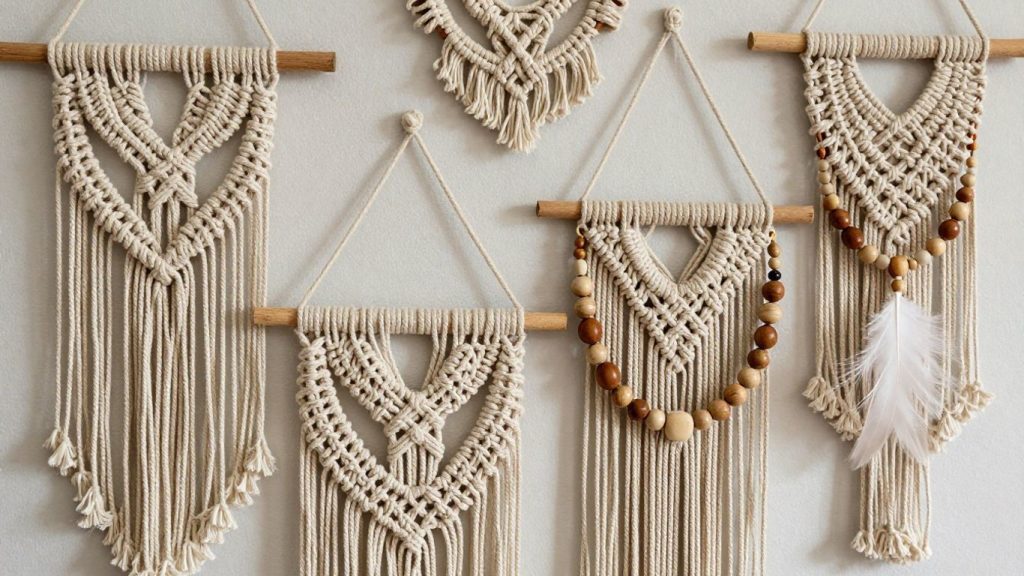
So you’ve mastered the knotting, and you’re ready to create some cool shit. The next step is identifying a pattern that speaks to you. Fortunately, there are plenty of places to look, whether you’re seeking out some simple macrame wall art ideas or something a little more complex.
I have also discovered that the internet is full of gems like these. Most fiber-arts websites feature free sections for patterns, and lots of crafters post DIY macrame wall decor tutorials on their blogs and on YouTube.
When I’m looking, there’s usually some vague project that I’d like to do. For example, if I’m brainstorming boho macrame wall decor ideas, I’ll turn to the web with phrases like “huge intricate macrame wall hanging” or “wall art made from natural fibers.” Now and then, however, I find great ideas I never even thought of, such as how to turn a humble knot into a decorative feather or a cool way to display photos.
Here are a few places I tend to check:
- Online Crafting Communities: Platforms such as Pinterest and specifically macrame forums are wonderful resources for finding patterns exchanged by other creators. Frequently, you’ll see links to free patterns or tutorials.
- Craft Blogs and Sites – There are so many macrame-driven blogs out there with free wall hanging macrame patterns or instructions on how to do them. Seek out sites with sections on materials or beginner techniques as well.
- Video Platforms: Being a more visual person all around, I loved YouTube. Step-by-step videos are available for everything from simple designs to complex pieces. I’ve found that watching someone make up the knots really helps.
- Etsy & Other Online Marketplaces: A lot of patterns available here are for sale; however, they’re generally very intricate and well developed. It’s a place to discover unique designs you won’t see elsewhere.
Don’t forget to browse resources for individual projects, too. If you want some green in the room, you can find plenty of free macrame plant hanger tutorials that can be modified to suit your space or inspire a wall art idea.
Because sometimes the best patterns are the ones made and shared freely by people who just love macrame. I’ve discovered some of my all-time favorite simple macrame wall art ideas this way. Make it all about discovery and looking around, to see what you like. Happy knotting!
Wrapping It Up
So, there you have it. I’ve had so much fun investigating all these macrame ideas, from minutely small key chains up to huge wall hangings. It’s just so cool how much you can make with literally some cord and a couple of knots. Whether you are a beginner or you have been knotting for years, there is always something new to try. Feeling inspired to rush out and get some rope and dirty my hands. So, it’s a nice way to craft something special for your home or a sweet gift. Happy knotting, everyone!
Frequently Asked Questions
Why are macrame wall hangings still popular?
I believe macrame wall hangings are still trending because they bring a really cozy, handcrafted vibe to a room. They can be super distinctive, and people tend to value the ability to express their own personalities through them.” Also, they look gorgeous as large statement pieces or even smaller, subtler treatments.
What are the basic knots I need to know for macrame?
When I begin, I concentrate on a small number of primary knots. The Lark’s Head is a wonderful knot for connecting cords to items such as dowels and rings. And the Square knot is so incredibly versatile and it lays the groundwork for many patterns. Half Hitch knot is also great for making lines and pattern inside your designs.
What kind of cord works best for wall hangings?
When I make wall hangings, I often use natural cotton rope that typically ranges from 3mm to 5mm in thickness. It knots beautifully, and the drape is beautiful. Now and then I’ll throw in another material, like jute for a more rugged look or even thick chunky yarn for extra softness and texture. The trick is to choose something that complements the style you want.
How do I choose a macrame pattern for my space?
When I’m choosing a pattern, I consider the size of the wall and how the room feels. For a big blank wall, I might choose a large bohemian design with lots of detail. If I want something simpler, a simple geometric can be really clean and modern looking. I adore natural motifs like feathers or leaves, too.
Can I use colors in my macrame wall hangings?
Absolutely! Though natural tones are timeless, adding some pops of color can really make a macrame piece pop. I’ve seen cool designs using bright colors of threads or even a variegated mix of colored cords. That’s a great way to coordinate with your decor or just bring some playful vibes to the area.
How do I hang a large macrame wall hanging safely?
For heavier pieces, I definitely like to have some heavy-duty hardware. If you can, screw directly into wall studs. If not, you’d better have some heavy-duty wall anchors. Often, using a piece of wood or metal that spans the top and has many hanging points will help spread the load and eliminate sagging.