Brother 2340CV Review (2026): Best Coverstitch Machine for Home Sewists?
When I first started sewing with knits, I kept hearing about the Brother 2340CV. I was curious if it really made a difference, so I gave it a shot. Right away, I noticed it wasn’t just another sewing machine—this one’s made for coverstitching, which gives your clothes those neat, stretchy hems you see on store-bought shirts.
Setting it up took a little patience, but the color-coded threading made things way less stressful than I expected. If you’re thinking about making your homemade clothes look more professional, this is a machine you’ll want to look at.
Key Takeaways
- The Brother 2340CV is user-friendly, especially with its color-coded threading guides.
- It’s designed for coverstitching only, giving a polished finish to hems on knit fabrics.
- You can choose from a variety of stitch options, including narrow, wide, and chain stitches.
- It’s a solid pick for both beginners and intermediate sewists who want better finishes on stretchy fabrics.
- While it doesn’t have every high-end feature, it’s reliable, affordable, and a great value for most home sewing projects.
Brother 2340CV: An Overview
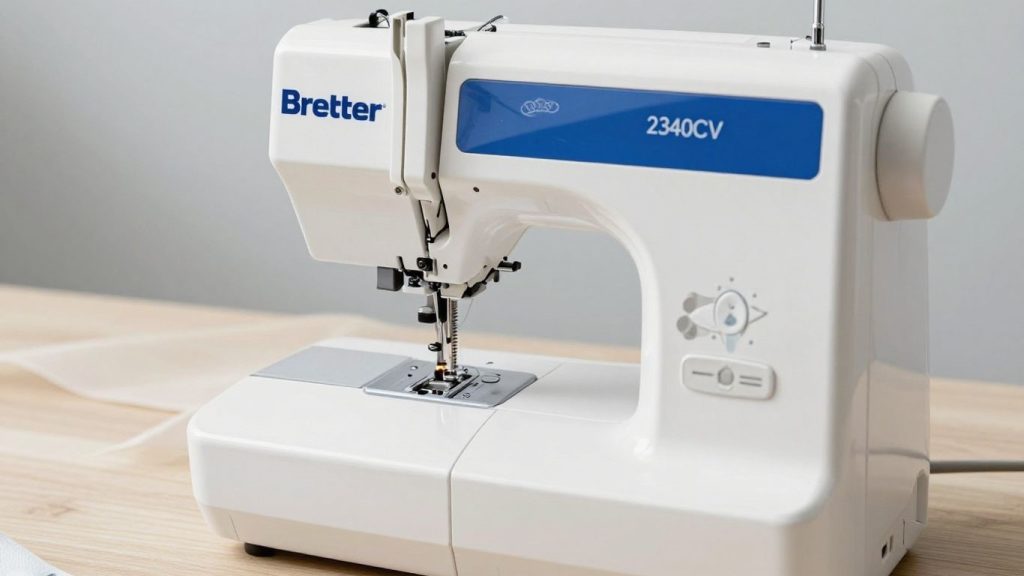
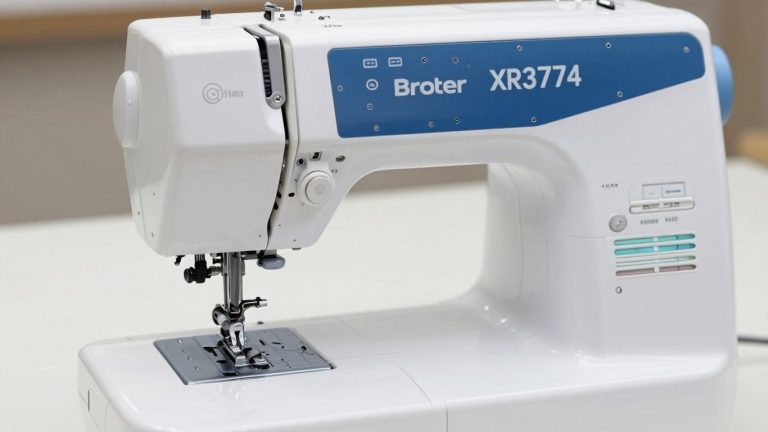
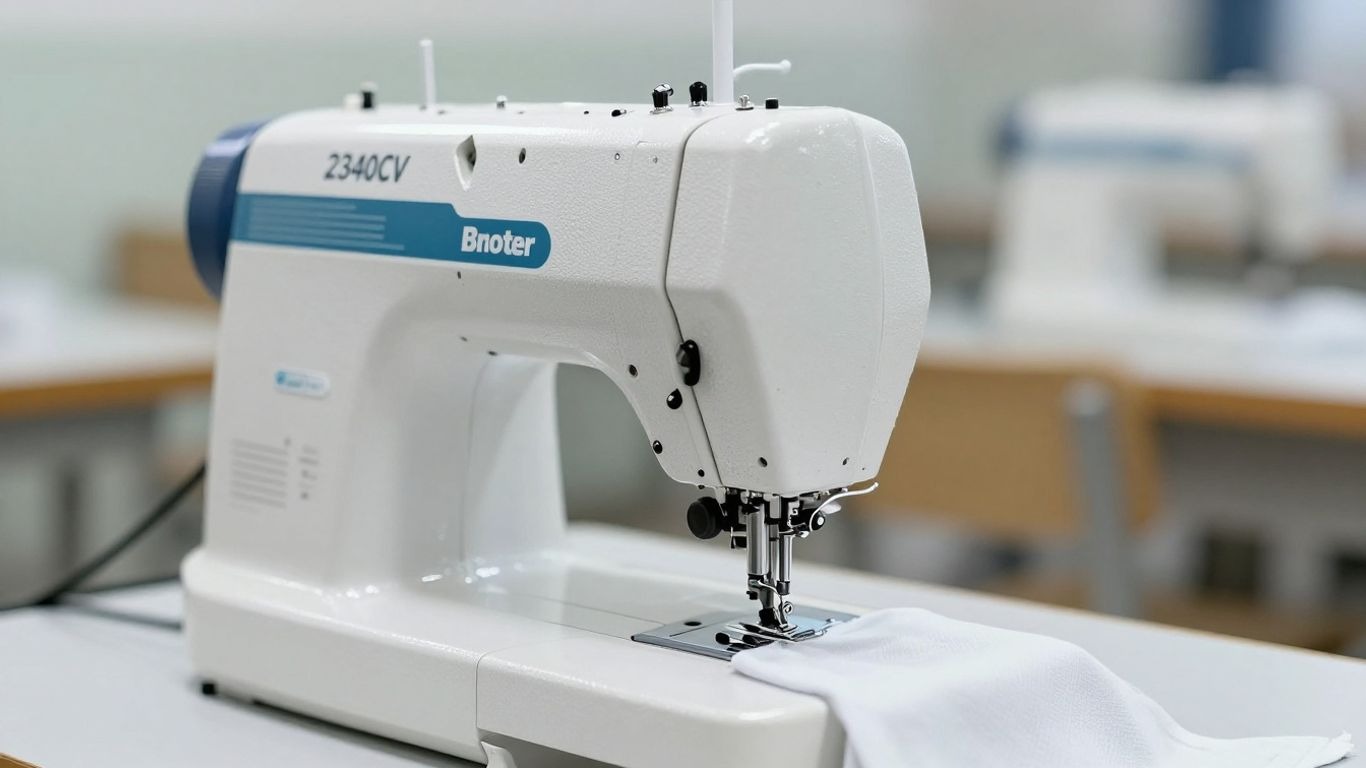
In my initial research into coverstitch machines, I kept coming across mentions of the Brother 2340CV. It’s a popular option, especially if you want that professional finish on your projects without breaking the bank. This coverstitch machine is exactly that; it can’t do everything you might want a regular sewing machine to do, but that also means it’s not trying to be a jack-of-all-trades. It is all about providing you with those clean, stretchy hems and decorative stitches that really give a garment that store-bought appearance.
If you’re comparing machines, you might also want to check out options like the Brother CS7000X review or Brother CS7205 review for general sewing.
Key Features and Specifications
The Brother 2340CV is built to handle coverstitching tasks efficiently. It offers three main types of coverstitches:
- Narrow Coverstitch: Uses two needles and one looper thread for a 2mm stitch, perfect for dainty hems.
- Wide Coverstitch completes a 4mm stitch from three needles and one looper thread, widely used for hem types and decorative effects.
- Chain Stitch: Uses one needle and one looper thread to create a strong stitch that can be used for seams or as a temporary basting stitch.
It goes up to 1,000 stitches per minute, which is fast enough for many home sewing projects. No trimmings like a serger, of course, but it only needs to produce coverstitch results. The machine also has an adjustable differential feed, which is a huge benefit when sewing knits to reduce wavy seams or add soft gathers.
Ease of Use for Home Sewists
Brother sewing machines, in general, have a reputation for being easy to use, and the 2340CV is no exception. I found the color-coded threading guides to be a lifesaver, making the tricky process of threading a coverstitch machine much more manageable. The looper threading system is also easy to use.
It doesn’t have air threading like some higher-end models do, but the manual threading is fairly easy to deal with, given there’s only one lower looper. That makes it a nice choice if you’re new to coverstitching or want something less complex. It’s a sturdy machine that wants to make coverstitching available to more people.
The Brother 2340CV is a specialized coverstitch machine, which means it’s designed for specific tasks like hemming knits and adding decorative stitches. Its easy-to-use design makes it a strong choice for home sewists who want that tailored look.
If you’re just starting out, having the right tools matters too—check out sewing kits for beginners to make your setup easier.
Performance and Stitch Quality
As for stitch quality, the 2340CV delivers very well. It creates smooth, even stitches that have stretch in them, which is exactly what you need when making activewear or t-shirts. Changing the width and length of stitches is a common feature, but nice to have for achieving the look you want on different fabrics.
Even at very high speeds, I have not felt much vibration that would have disturbed me. Thanks to its fine weight, it remains stable on the table. If you really want to up your ready-to-wear sewing game, this Brother coverstitch machine review showcases how it can achieve a professional-looking finish on your garments.
You can try simple projects like how to sew an apron or even how to make a simple tote bag to practice your finishing skills.
Who is the Brother 2340CV For?
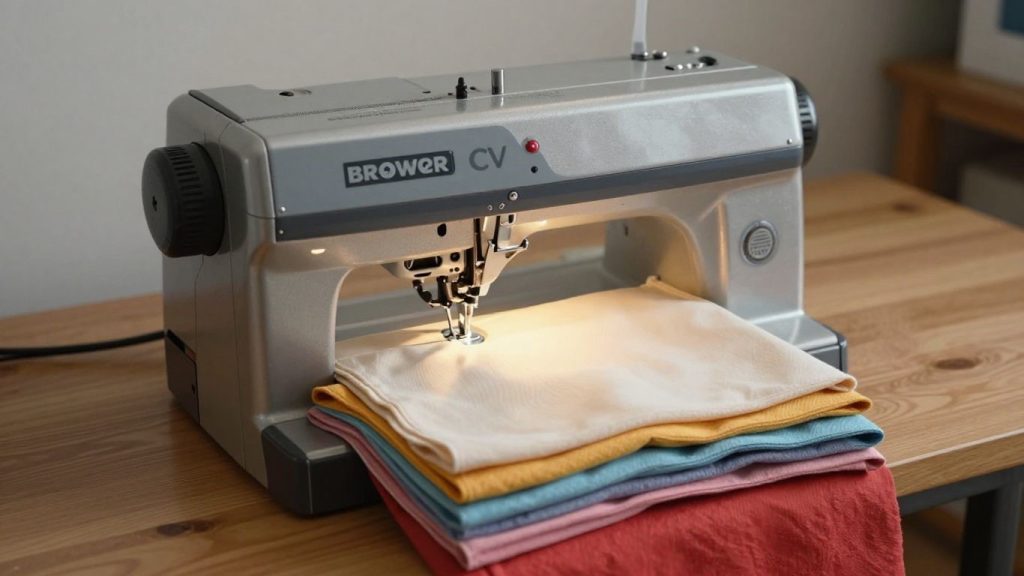
When I first started sewing seriously, I had no idea which specialty machines were worth their weight. I can say, at this point, that the Brother 2340CV is a definite machine that’s been tuned to a certain audience. It will feel familiar to anyone who finds wobbly hems on stretchy shirts frustrating or thinks the home machine “fake coverstitch” never looks quite right. So let’s discuss who is going to get the most benefit out of this tool.
Beginner Coverstitch Users
I recall learning to thread a coverstitch machine; it was tricky. The good news: the Brother 2340CV is one of the more beginner-friendly options. The pathways are color-coded, which is a little touch but does wonders to cut down on that “what goes where?” feeling. There’s only one looper to thread, so it’s not as scary as it looks, even with three needles.
Here’s why I think it’s a solid pick for coverstitch newcomers:
- Simpler setup with color-coded threading menus
- Good, clean manual (not quite middle-of-the-night reading material but pretty darned close)
- It’s not as finicky about thread tension as some more expensive machines are.
If you’re mainly sewing knit at home and just want crisp, stretchy hems without fuss, this machine has a great compromise between price, learning curve, and stitch quality.
To be honest, it’s not perfect; there’s no free arm, which would come in handy for smaller things like cuffs. But as a first coverstitch machine, it saves a lot of the common headaches and allows you to learn the basics between projects quickly. I have seen some people, when they’re starting, use a standard sewing machine (vintage ones are relatively common, and it can be achieved with detailed manuals like this [instruction manual for Brother 1730]) with it.
For beginners, pairing this with guides like best sewing box helps keep everything organized.
Intermediate and Advanced Sewists
But for us road warriors, you know who you are, maybe you own a little handmade shop, or you’re a details snob, the Brother 2340CV held its own pretty well. It’s fast (1,000 stitches a minute), so you can breeze through projects. You can switch between narrow and wide coverstitches quickly, so you’re not stuck fiddling around for every little change.
I know some advanced folks will pine for something with air threading or a free arm, but stitch quality is solid, and it’s stable at even higher speeds. Here’s where it excels for more advanced sewists:
- Deals with a nice variety of knit fabrics and jersey effortlessly
- Chain stitch for fast basting or durable seam finishes.
- You don’t spend a lot of time on threading and maintenance
If you’re insisting on every bell and whistle, you may be considering pricier models. But for the majority of intermediate and even many advanced home sewists, the Brother 2340CV is a workhorse that achieves professional results without unnecessarily complicating things.
If you’re upgrading your setup, you might also compare with machines like Janome JW8100 review or Janome MC6650 review.
Bottom line: it’s made for actual home sewing, not collecting dust because it’s too complicated or too slow. I think that’s the true test of a good coverstitch machine, if you can get great results both as a beginner AND with seasoned folks.
Pros and Cons of the Brother 2340CV
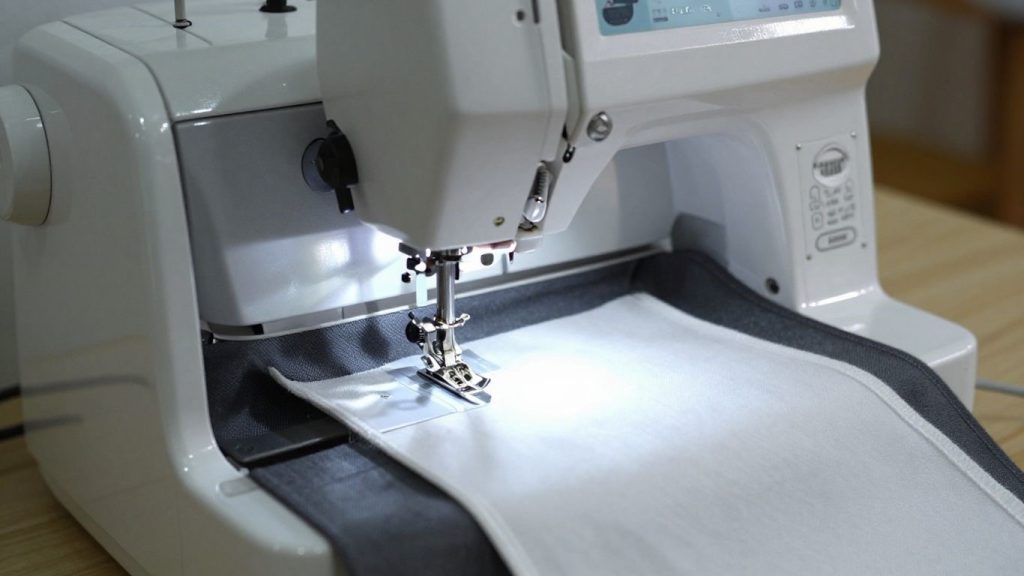
After spending some time with the Brother 2340CV, I’ve put together a list of what I think are its biggest strengths and weaknesses. It’s a pretty straightforward machine, which is great for what it does, but like anything, it’s not perfect.
Pros of the Brother 2340CV
- Adjustable Differential Feed: This is an absolute lifesaver for seaming up knits. I can just as easily modify it to eliminate wavy seams or to achieve a subtle gather. It definitely helps achieve a professional result on stretchy fabrics.
- Color-Coded Threading: Let’s be real, threading a coverstitch machine can be quite intimidating. Brother has made it significantly easier with clear, color-coded guides. It’s a big help, especially when I’m under a time crunch or just beginning a new project.
- Multiple Coverstitch Choices: I like being able to choose between the 2mm and 4mm stitches or a combination. It gives me a little leeway for different kinds of hems and decorative touches that I simply can’t make on my regular sewing machine.”
- Excellent overall value: Good, competitive price point for what it has to offer. It feels like a sound investment for anyone interested in advancing their garment construction without spending a fortune. It certainly is one of the least expensive coverstitch machines for in-home use.
- Good Speed: Up to 1,000 stitches per minute, plenty fast for home sewing. I’m able to make quick work of hemmed projects.
Cons of the Brother 2340CV
- No Top Cover Stitch: This machine does not possess a top cover stitch feature, which some of the higher-end alternatives provide for fancier finishes. It’s not a dealbreaker for me, but something to know if that feature is important to you.
- Looper Needs to Be Threaded Manually: The threading guides are nice, but the looper must still be threaded manually. It’s not overly tricky, but it’s also not as fast as an air-threading system you might find on pricier machines.
- Basic Accessories Included: While it includes the basics, if you intend to do more specialized work, you may need additional presser feet or guides that are sold separately. I did think that the bundled accessories were enough to get started, however.
This machine is a coverstitcher made for that duty alone, which means it does its job very well. It’s not trying to be a serger, and it’s not trying to be a regular sewing machine, which makes for simple operation, and it’s an awesome tool for making professional-looking hems and finishes (especially on knits). This sewing machine is excellent for hemming knits.
All in all, I feel that the Brother 2340CV is a really strong contender when searching for the best coverstitch machine, particularly an intuitive home sewing coverstitch machine, or simply if you want one of those beginner cover hem machines. It combines user-friendliness with capable performance, and is a wonderful new addition to my sewing room. The Janome Cover Pro 1000 CPX is a great selection for an inexpensive coverstitch sewing machine made for home use and may easily be one of the very best coverstitch machines on the market.
If you’re also considering heavy-duty machines, you can compare with Singer 4452 heavy duty review or Singer HD4411 review.
Brother 2340CV vs. Competitors
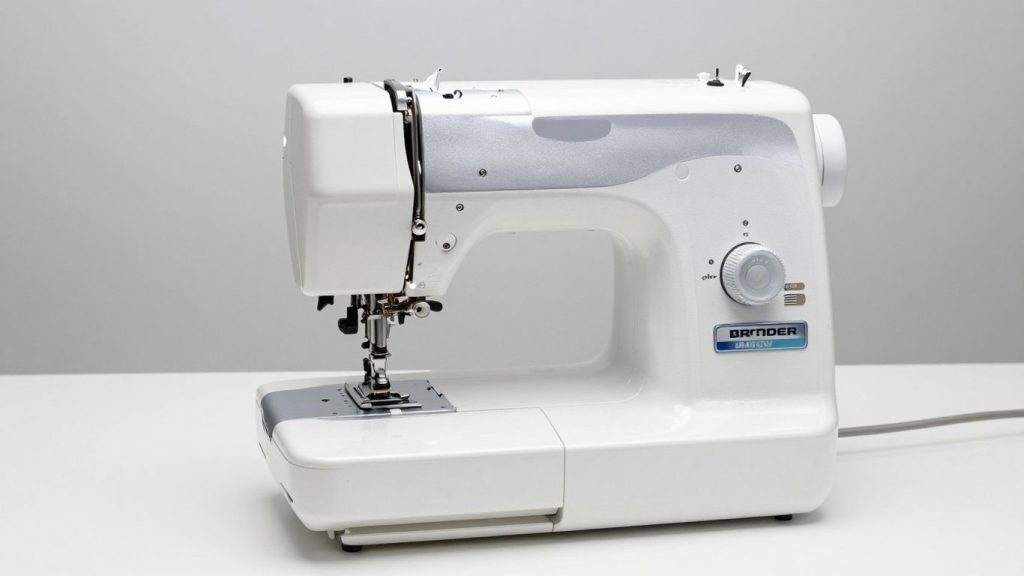
If you are looking for a decent coverstitch machine, the options out there can be mile-wide confused me, too many claiming to be “best”. To help save you some time, I made this comparison of the most frequently mentioned Brother coverstitch machine alternatives. Every machine has its nuances, but Brother 2340CV is known for its value and accessibility.
When comparing machines, it’s important to understand the difference between types. For example, read serger vs sewing machine to avoid confusion.
You can also explore embroidery-capable machines like Brother SE2000 review if you want more versatility.
Brother 2340CV vs Janome CoverPro 1000CPX
The Brother 2340CV and Janome CoverPro 1000CPX crop up in sewing circles and forums, over and over again. Here’s what stood out for me:
- The Janome also has a larger workspace and a free arm, which I found useful for things like sleeves and narrow hems, something the Brother doesn’t have.
- The tension on the Janome is just as smooth, but in general, you pay a premium for that luxury. The extra expense isn’t entirely necessary for many hobbyists.
- The Brother has a lower price tag, and for most home projects, it is fairly forgiving as you learn.
Brother felt easier to me if I were a newcomer, but Janome gives more comfort for the money.
Brother 2340CV vs Singer Professional 5 14T968DC
The Singer Professional 5 is a combination serger and coverstitch machine, so right there, you have more versatility. This is what I saw:
- The Singer does overlock and coverstitch, kind of an all-in-one.
- If all you’re in for is straightforward coverstitching, though, the Brother offers the simpler route.
- The Singer is more expensive and more complicated, especially given that you’re probably not going to use the serger functions very often.
For coverstitch-only jobs, in my experience, the Brother 2340CV is more intuitive to use and not as clunky or frustrating when you’re just trying to get a smooth hem like the Singer is.
Brother 2340CV vs Juki MCS-1500
Much-exalted for speed and power is Juki’s MCS-1500. But that doesn’t mean it’s right for everyone. Here’s why:
- Juki feels robust, almost industrial. It’s a quick machine, quicker than the Brother.
- I discovered that the Juki was a little less forgiving for beginners; it runs strong, which can be intimidating if you’re used to a gentler touch.
- With a really user-friendly Brother machine, you save a lot of headaches, and for home sewists, simplicity is hands-down underrated.
Quick Comparison Table
| Feature | Brother 2340CV | Juki MCS-1500 |
| Price | $ | $$ |
| Sewing Speed | 1,000 SPM | 1,350 SPM |
| Threading | Manual | Manual |
| Beginner Friendly | Yes | Moderate |
Final thoughts? If you want to get started quickly, the Brother 2340CV is less intimidating than all but some of its competitors for hemming knits and casual wear. On the flip side, if you want a workhorse for larger or trickier projects, this Juki (or Janome) would probably be a smarter fit. Every home sewist has their own unique needs in the world of Brother 2340CV alternatives; the trick is to know what you actually want to sew.
My Final Thoughts on the Brother 2340CV
So after a little time with the Brother 2340CV, I can say it’s a really solid little machine considering what you pay. It dealt with a range of fabrics well for me, and the finishes it produced made my projects look much more polished than I’d previously been able to achieve. It doesn’t have all of the fancy extras on a really high-end model, but for most people sewing at home, that really does the trick.
If you’ve been looking to up your hemming game or are interested in sewing knits on a budget, I think this machine offers great features and is definitely worth checking out. It isn’t perfect, and perhaps to some the sewing space seems a tad small, but for the price, it gives you a lot. I’m pretty happy with what I came away with, and pretty sure you will be also.
If you’re building a sewing setup at home, combining this with beginner-friendly resources like how to learn sewing will help you grow faster.
Frequently Asked Questions
What is a coverstitch machine like the Brother 2340CV mainly used for?
The coverstitch machine, like the Brother 2340CV, is what I mainly use to give stretchy clothes a truly professional look. Think t-shirts, leggings, and activewear. It gives you a clean, durable stitched hem or seam that has stretch, so it won’t pop when you move.
Is the Brother 2340CV a good choice for beginners?
Agreed, I think it’s a decent beginner one. The color-coded threading is very helpful, and the machine itself is quite user-friendly. While it seems a tad intimidating at first, I actually found the controls very intuitive, especially for basic cover hemming.
What’s the difference between a serger and a coverstitch machine?
That’s a common question! A serger (or overlocker) trims the fabric edge and stitches it all in one step, often with multiple strands of thread. A coverstitch machine is designed specifically for that stretchy stitch you find on most clothing about 70% of the time, particularly popular for hems and decorative seams. Coverstitch only: The Brother 2340CV
Can I make top cover stitches with the Brother 2340CV?
The 2340CV is built to give you a great cover stitch without all the bells and whistles, making it more affordable. But it lacks that ‘top cover stitch’ feature you may have seen on the outside of some activewear, such as leggings. For those types of projects, I would recommend something like the Brother CV3550.
What types of fabric work best with the Brother 2340CV?
I have discovered this machine is amazing for knits and stretchy fabrics. T-shirt knits, jersey, spandex blends, and even lighter sweater knits all work well. It makes them easier to handle than a baby with tired arms, letting you achieve that professional, stretchy finish.
Do I need any special thread for the Brother 2340CV?
You could get away with regular sewing thread in the upper looper and needles, but I strongly recommend using a special coverstitch or a finer, less strong thread in the lower looper. This style of thread also adds some stretch to the stitch and helps prevent skipped stitches for seams that are even more fabulous.