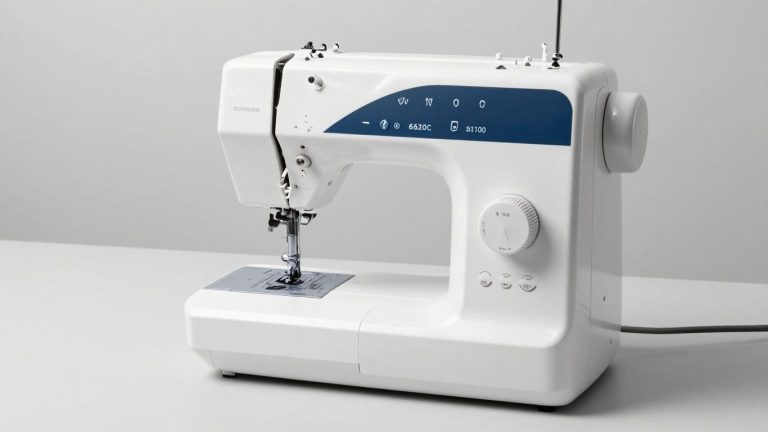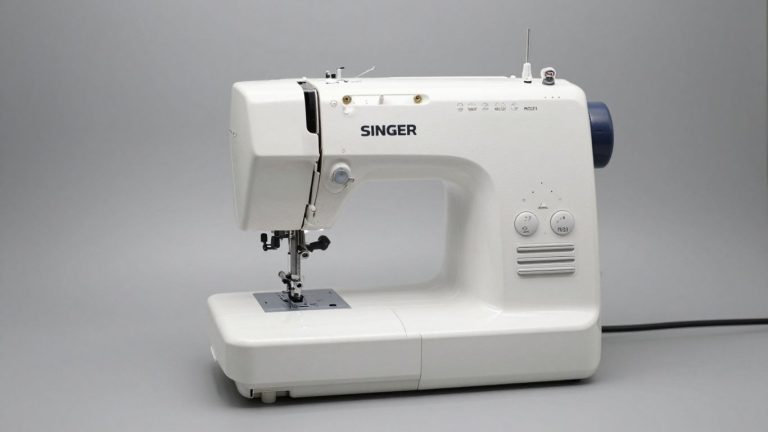
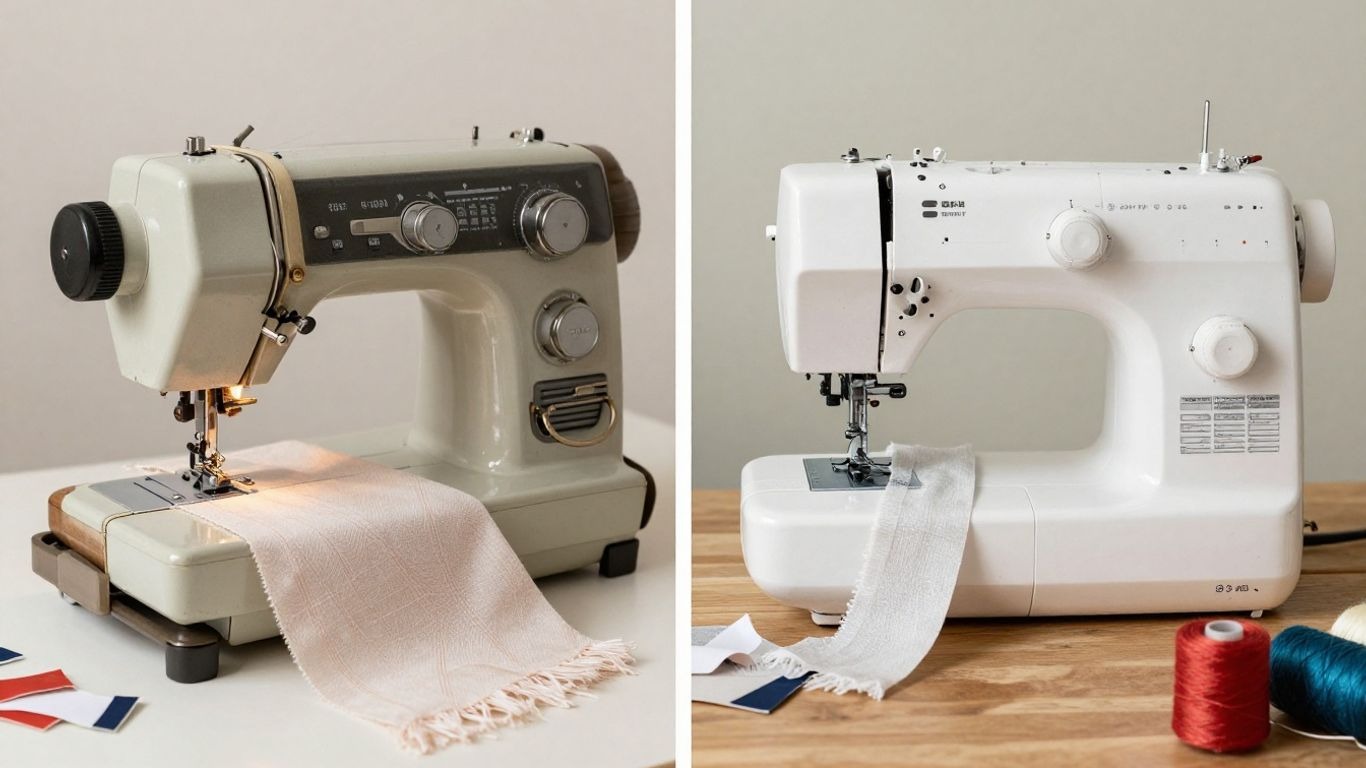
Mending Machine vs Sewing Machine: Key Differences, Uses, Pros & Cons
If you’ve ever tried to fix a torn seam or hem some pants at home, you’ve probably wondered about the difference between a mending machine and a sewing machine. They sound similar, but in most cases, a ‘mending machine’ simply refers to a basic sewing machine used mainly for repairs.
Whether you’re looking to patch up a hole in your jeans or start making your own clothes, knowing which machine to use can save you a lot of time and frustration. In this article, we’ll break down the key points of the Mending Machine vs Sewing Machine debate, so you know exactly what each one does best.
Key Takeaways
- Mending machines are mainly for quick repairs and patching up clothes, not for making new garments from scratch.
- Sewing machines are versatile and can handle everything from basic repairs to making new clothes and decorative projects.
- Mending machines are usually smaller, cheaper, and easier to use for beginners who just want to fix things.
- Sewing machines have more stitch options and features, making them better for creative or complex projects.
- If you want to do more than just fix holes, a sewing machine is the better long-term investment.
What is a Mending Machine?
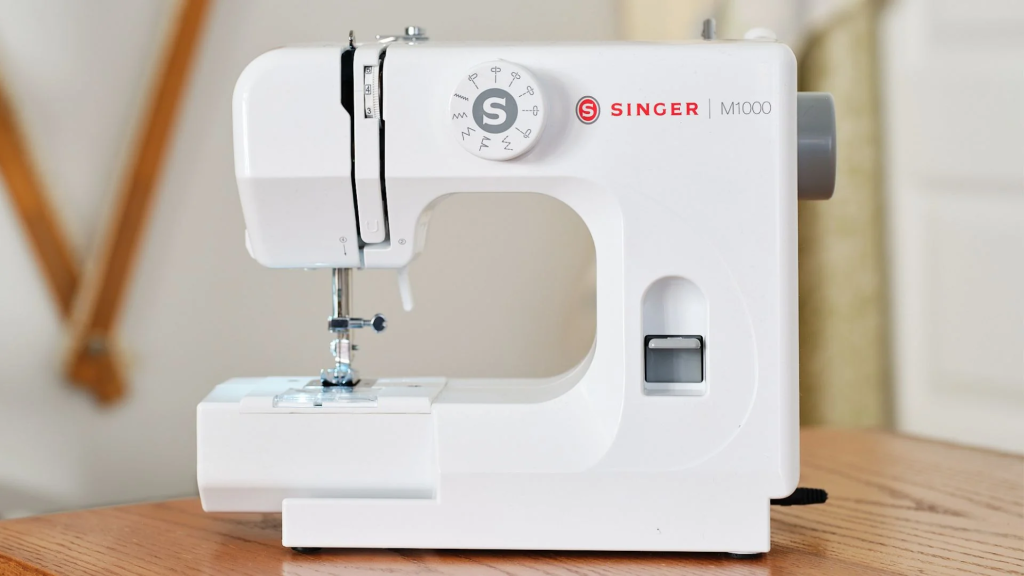
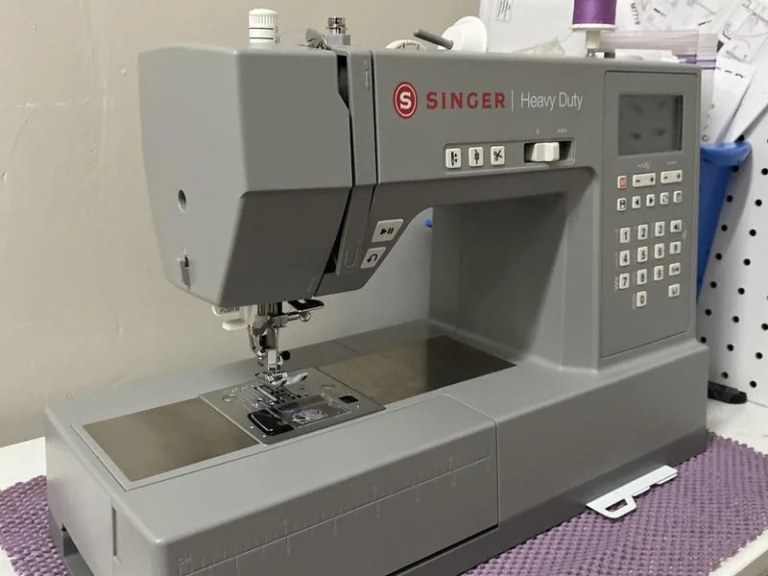
So, what is a “mending machine”? I guess it’s a tricky term because A mending machine is usually not a separate category; it is a sewing machine used for repairs, or sometimes a compact repair-focused machine. Rather, when people refer to a mending machine, they are typically talking about a regular sewing machine that is being used in a particular way to mend clothes and fix minor issues.
It’s like a sewing machine that’s been turned into a mending machine. If you are searching for a machine that can make a variety of repairs, from a torn seam to a dropped hem, it’s the best machine for clothing repairs. It’s not a specialized gadget but rather a workhorse for keeping your wardrobe in good shape.
How Mending Machines Work
In essence, a “mending machine” is simply a normal sewing machine. It works with a needle and thread to join pieces of cloth together. It is a process in which the fabric is fed under the needle and the needle passes through the fabric and interlocks with a bobbin thread located below. This forms a seam.
A straight stitch would be used for mending, such as to re sew seams or to sew patches on. A zigzag stitch may be helpful to finish raw edges to stop fraying or to reinforce a repair. If you’re new to machine setup, learning how to thread a sewing machine properly can make repairs much easier. It’s all about knowing how to work with the fabric and choose the right stitch for the task. It’s all about using the machine’s capabilities to fix what’s broken.
Pros Cons of Meding Machines
Pros of Mending Machines
A basic sewing machine used for mending can handle many common repairs, including sewing buttons, repairing zippers, patching holes, and re-stitching seams.
If you already own a basic sewing machine, you usually do not need to buy a separate device just for simple clothing repairs.
Mending with a sewing machine is a helpful way to practice basic sewing skills, starting with simple fixes before moving on to more advanced alterations.
Repairing clothes instead of throwing them away can save money and help extend the life of slightly damaged garments.
Cons of Mending Machines
A zigzag stitch can help finish raw edges, but it may not look as clean or professional as an overlocker or serger finish.
A standard sewing machine can be slower than a serger for jobs that require sewing, trimming, and finishing an edge in one pass.
On thick fabrics or multiple layers, repaired areas may feel bulky because of fabric layers, seam allowance, and reinforcement stitches.
Whether you’re using a sewing machine to sew or mend, the main purpose is to stitch together fabric. It’s not necessarily made for the edge finishing a serger does best, but its ability to form stitches is what makes it the choice for most clothing repairs. Knowing its drawbacks, such as bulk and less refined edge finishes, will help you decide which method will work best for a successful repair.
So, what can a mending machine do? Can do most of the regular clothing repairs. But if you’re asking yourself “can a sewing machine make minor repairs” – the answer is an emphatic yes! It’s the best machine for clothing repairs for the average person looking to keep their clothes looking good.
What is a Sewing Machine?
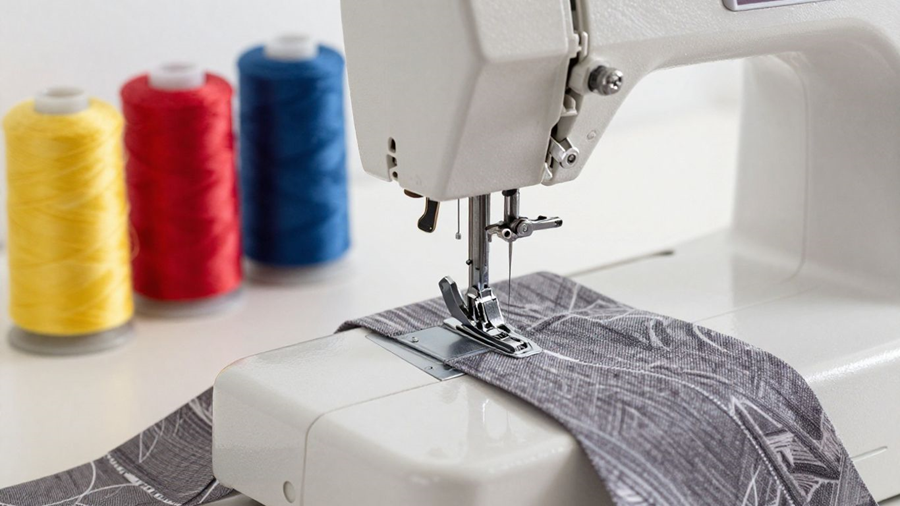
A sewing machine is a true workhorse in any sewing room, and in fact, it’s likely the first machine most people would think of when they hear the word “sewing. It is the essential tool for joining pieces of fabric together, creating seams, and overall fabric construction. It is a staple of many sewing endeavors.
How Sewing Machines Work
So, how does this magic take place? The sewing machine is a machine that uses a needle and thread to sew. It takes a top thread from a spool and a bottom thread from a bobbin. The needle is dropped through the cloth, pulling the upper thread down. Meanwhile, the bobbin mechanism beneath the top thread lifts the thread and loops it around the top thread, forming a locked stitch. The interlacing of threads is what connects your pieces of fabric.
Many machines can create more than just a straight stitch. There are choices of zigzag stitches, useful for finishing raw edges or for sewing stretchy fabrics, and sometimes even decorative stitches to give a little style. Oh, and most of them have a special buttonhole stitch that is very convenient.
Starter tools from these sewing kits for beginners can also make the learning process smoother.
Pros and Cons of Sewing Machines
Pros of Sewing Machines
Sewing machines can be used for hemming pants, sewing tote bags, quilting, repairs, buttonholes, and decorative stitching.
A basic sewing machine is usually beginner-friendly for simple seams and repairs, though advanced techniques take practice.
Many sewing machines offer straight, zigzag, stretch, buttonhole, and decorative stitches for different fabrics and projects.
They are useful for patching holes, replacing zippers with the right foot, hemming clothes, and fixing ripped seams in garments or household items.
Cons of Sewing Machines
A zigzag stitch can help finish raw edges, but it usually does not create the same trimmed, enclosed finish as a serger or overlocker.
A standard sewing machine may be slower than a serger for jobs that need sewing, trimming, and finishing the edge in one pass.
With thick fabrics or multiple layers, seam allowances and reinforcement stitches may make the repaired area look or feel bulky.
The sewing machine is your main tool for creating projects. It is suitable for simple edge finishing, but is best used for making seams, fastening zippers and sewing buttonholes. If you’re looking for truly professional-looking finished edges, particularly with fabrics that tend to fray, you may eventually need to consider using a different type of machine.
Key Differences: Mending Machine vs. Sewing Machine
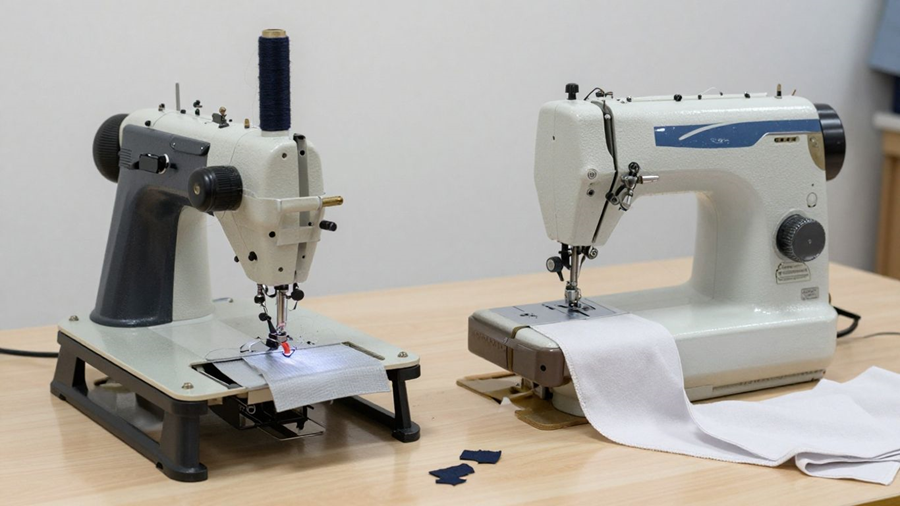
The main difference between the Mending Machine and the Sewing Machine is that the former is used for mending while the latter is used for sewing.
Let’s get to the point of the difference between a mending machine and a sewing machine. They both involve fabric and thread, but they have very different uses. Consider a sewing machine to be your workhorse. It is used to create objects, such as sewing seams together, creating buttonholes and adding decorative stitches. Uses one needle and bobbin to produce interlocking stitches. It can certainly be used to repair, but its main purpose is to construct new.
A mending machine, which is a more general term for a sewing machine, is simply a sewing machine used for mending. There is no special class of “mending machine” which is basically different in its operation from a sewing machine.
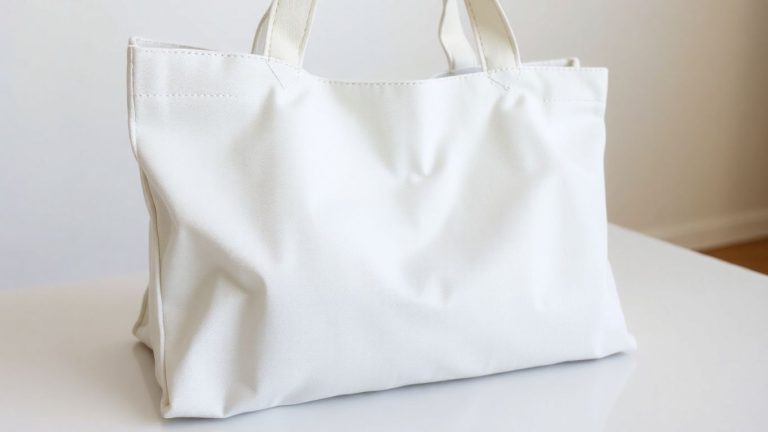
If you want an easy beginner project, try this guide on how to make a simple tote bag at home.
The term “mending machine” usually just implies the use of a sewing machine for fixing clothes rather than creating new items. When we’re talking about differences, we’re really comparing what you’d do with a sewing machine versus a specialized machine such as a serger (or overlocker) which is generally used for professional finishing and speed.
Here are some quick tips on what they’re typically used for:
| Feature | Mending Machine | Sewing Machine |
|---|---|---|
| Main Purpose | Designed mainly for quick repairs, small fixes, patches, and simple clothing mending. | Made for full sewing projects, garment making, quilting, crafting, and home décor work. |
| Best For | Fixing torn seams, hemming small areas, repairing pockets, or patching lightweight fabric. | Creating clothes, sewing thick or thin fabrics, adding decorative stitches, and completing larger projects. |
| Size and Portability | Usually smaller, lighter, and easier to store or carry around the home. | Often larger and heavier, especially full-size mechanical or computerized models. |
| Stitch Options | Usually limited to basic stitches, mostly straight stitch or simple repair stitches. | Offers more stitch choices, including straight, zigzag, stretch, buttonhole, and decorative stitches. |
| Fabric Handling | Works best on light to medium fabrics and small repair areas. | Can handle a wider range of fabrics, including cotton, denim, knits, fleece, and thicker materials. |
| Power and Performance | Usually less powerful and better for occasional light-duty use. | Generally stronger and more reliable for regular sewing, long seams, and bigger projects. |
| Ease of Use | Simple and beginner-friendly, but limited in what it can do. | May take more time to learn, but gives much better control and versatility. |
| Durability | Often built for light repairs, so it may not last as long under frequent heavy use. | Usually more durable, especially models with metal frames or stronger motors. |
| Project Capacity | Good for small fixes, emergency repairs, and quick household mending tasks. | Better for complete sewing projects, alterations, quilting, and long-term sewing use. |
| Price Range | Usually cheaper and more budget-friendly. | Can range from affordable beginner models to expensive advanced machines. |
| Limitations | Not ideal for thick fabrics, complex stitches, large projects, or professional sewing. | Requires more space, more setup, and may cost more depending on features. |
| Best Choice For | People who only need a small machine for quick repairs and occasional clothing fixes. | Beginners, hobbyists, sewists, quilters, and anyone planning to sew regularly. |
The main distinction is the purpose. The sewing machine was designed to create and build, and the idea of the “mending machine” is to use the same sewing machine for mending. If you’re searching for something that can cut through finishing edges quickly or for professional results with stretchy fabrics, then you may be considering a serger, which is a whole other animal.
A basic sewing machine will serve most purposes for mending and for the beginning sewer when you are just starting out. There’s no need to have a special “mending machine” as your sewing machine can do both jobs just as well.
When to Use a Mending Machine
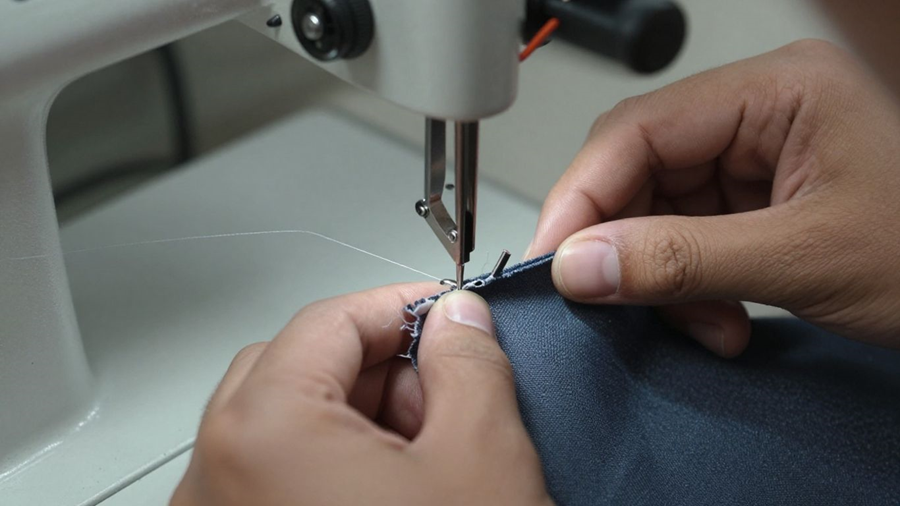
So, your favourite jeans have a tear or your hem has decided to go on strike. This is where a mending machine comes in handy. It’s like your handy-dandy solution for fast fixes and simple repairs. It’s not about making new fancy clothes, it’s about maintaining your existing wardrobe.
Mending machines are ideal for everyday wear and tear situations. They are made to be easy and quick to sew when you need something sewn up quickly. If quilting interests you, these best quilting sewing machines that may help you choose the right model. It’s also a great tool for general clothing repairs.
Some of the most popular applications of a mending machine are:
Clothing Repairs: Repairing ripped seams, reattaching buttons, patching small holes or reinforcing worn areas of pants, shirts, and jackets.
Hemming curtains that have come undone, mending seams on cushion covers or mending tears in tablecloths.
Quick Crafting: If you’re looking for a quick project that doesn’t need to be super polished, such as reinforcing straps or making a basic tote bag, then durability is more important than it being super polished.
A mending machine may not be able to handle some stretchy fabrics, such as knits, without stretching or puckering. It’s best suited for more stable fabrics like cotton, denim, or linen.
Mending machines are all about practicality. They do the job without any fuss and save you from having to replace your clothes and wallet.
In essence, if you are looking to sew, mend or make some very simple repairs without the need for a lot of bells and whistles, a mending machine is your best friend. It is the tool that you pick up when you want a stitch, not a new seam finish.
When to Use a Sewing Machine
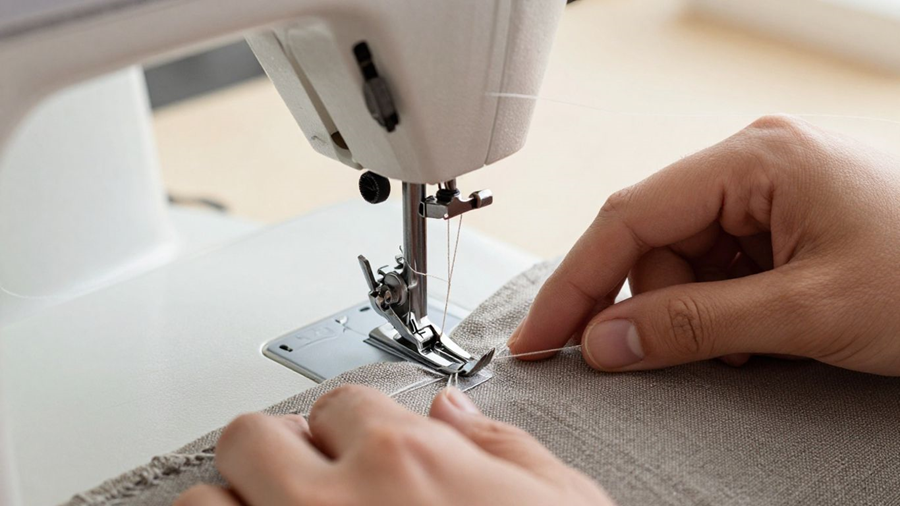
So, you have a sewing machine, then. Awesome! This is your workhorse, the all-purpose tool for a myriad of fabric-related jobs. Consider it as your first tool for construction and repair.
Whether you’re working on a project that requires sewing pieces of fabric together, such as a simple tote bag, hemming curtains, or even piecing together a quilt, the sewing machine is the centerpiece. It’s also a great tool for general clothing repairs. Ripped seams? No problem. A zipped-up ghost? It’s something your sewing machine can do. It’s also the machine you’ll gravitate to when you want to make buttonholes, which is essential for most clothes.
Let’s quickly recap when a sewing machine truly comes into its own:
Basic Garment Construction: Sewing together the basic parts of garments or accessories.
General Repairs: Repairing holes, re-sewing seams, and mending tears.
Making Buttonholes: Necessary for shirts, pants, and other garments.
Home Decor Projects: Consider making simple curtains, pillow covers or placemats.
Quilting: Joining pieces of cloth together to make blankets and decorative items.
A sewing machine is a good option if you are new to sewing or your projects are primarily for basic construction and mending. It’s the machine that does the most work and it’s a great place to begin sewing. It is also a good option for selecting a repair sewing machine if you require a reliable machine for fabric repairs. The standard sewing machine is typically the option when you’re looking at a machine for alterations or general sewing.
A sewing machine that is good should be able to do a lot of things and should last. It’s flexible, easy to learn, and will save you a lot of cash in repairs and new purchases over time. If you’re comparing heavy-duty options, reviews like Singer 4452 Heavy Duty Sewing Machine Review or Singer HD500 vs Singer 4452 can help you decide.
Conclusion: Choosing the Right Machine for Your Needs
So, you’ve now mastered the nitty-gritty of mending machines and sewing machines. The next big question is which one is the right one for you? Basically, it depends on what you want to do.
If you just need to make a quick repair, for example, a hole in your favourite pair of jeans, a button that fell out, or a curtain hemmed in a hurry, a mending machine may be your best option. They’re easy, quick and made for those everyday repairs. Consider it your one-stop solution for maintaining your clothes and home textiles in good working order without the hassle.
However, if you’re thinking about making your own clothes, doing complex quilting or even embroidery, then a sewing machine is the place to be. These machines have a much greater variety of stitches and functions, enabling more intricate and innovative projects. Whether you’re a fashion designer, home decorator, or a quilter, they’re an investment in your craft.
Here is a quick overview to help you make up your mind:
Mending Machine: Good for quick repairs, simple hemming and basic fixes in fabric. It’s all about speed and convenience for everyday wear and tear.
Sewing Machine: Best for making garments, quilting, embroidery and other more complicated tasks. Provides flexibility and wider range of stitches for creative projects.
In the end, it is not a matter of which machine is the “best” but which machine is the best for your projects and goals. If your needs are simple, you don’t have to purchase the most advanced model. A simple, dependable machine, for mending or sewing, can be so satisfying to use. When shopping for a good sewing machine, reviews like Brother CS7000X Review and Brother CS7205 Review are worth exploring.
Take into account your budget, the kinds of projects you want to work on, and the amount of time you wish to devote to acquiring new skills. To many, it seems it makes sense to begin with a mending machine and then maybe later purchase a sewing machine. Happy fixing and making!
So, Which Machine Wins?
So, we’ve discussed the capabilities of sewing machines and sergers. Well, they’re both pretty cool tools, but they’re different. Your everyday sewing machine is like the old reliable car that takes you anywhere for everyday tasks – patching up clothing, creating basic bags, hemming curtains. It’s the best thing to use when assembling parts. A serger, though? That’s more the sportscar. It’s designed to be fast and make it look super professional, particularly with stretchy fabrics or if you want those seams to look like they came right out of a store.
Not at all, you don’t need both to get started sewing. If you have a good sewing machine, you will be pretty far. However, if you’re looking to make clothes or simply want that extra clean finish, a serger is definitely something you’ll want to consider in the future. Well, it depends on the product you’re creating, and how smooth you want it to be.
Frequently Asked Questions
What’s the main difference between a mending machine and a sewing machine?
Think of a sewing machine as your all-purpose tool for joining fabric pieces together. It is very good for clothing, bags or quilts. A mending machine, however, is more specialized for mending small tears and loose threads, and may use more basic, simpler stitches. It’s similar to the difference between a quick fix tool and a construction tool.
Can a sewing machine handle mending jobs?
Absolutely! A regular sewing machine is great for patching. Ripped seams, holes, zippers, and hem pants can all be easily sewn. Very versatile and can do most repair jobs you will need.
Is a mending machine good for making new things?
Typically, mending machines are intended for fast fixes and not for creating full projects. They may not have as many stitch styles as a traditional sewing machine and may not be as durable or quick. They work well for repairs, but are not a good choice for making new garments or items from scratch.
Do I need a special machine to finish fabric edges neatly?
A sewing machine can be used to finish the edges with a zigzag stitch but a serger (or overlocker) is the machine that really works best for this. A serger cuts the fabric edge and simultaneously sews a neat, strong stitch, which helps to prevent fraying and provides a professional appearance, particularly on stretchy fabrics. A serger is a more advanced sewing machine than a standard sewing machine used for edge finishing.
Which machine is better for stretchy fabrics like knits?
A serger is typically the best option for stretchy fabrics. It features special stitches that will stretch with the fabric, so that seams don’t rip. A serger is a more durable and professional finish for knits, some sewing machines have a zigzag stitch that can work.
If I’m just starting to sew, which machine should I get first?
For someone who is just starting to learn how to sew and is looking to create items or make repairs, the first thing to do is to have a good quality sewing machine. It is very versatile and will enable you to work on a variety of projects and repairs. If you’re working on more advanced projects or want that professional edge finish, you can always add a serger later.