10 Elegant Window Treatment Ideas for a Luxurious Home
I’ve been thinking a lot lately about how much difference the right window coverings can make in a room. It’s easy to overlook them, but honestly, they’re like the final piece of the puzzle for any space. Without them, a room just feels unfinished, you know?
I’ve gathered some of my favorite window treatment ideas that really bring a touch of elegance and style. Let’s explore some ways to make your windows look amazing.
Key Takeaways
- Layering different window treatments, like sheers with heavier drapes or shades with curtains, offers great flexibility for light control and privacy.
- Fabrics play a huge role; think about the texture and weight, from airy linens and sheers to rich velvets, to achieve the desired mood.
- Consider the height and length of your window treatments to influence the perceived size of the room, with floor-to-ceiling options often adding a sense of grandeur.
- Hardware, like curtain rods and finials, shouldn’t be an afterthought; they can add a significant decorative element and complete the look.
- Custom window treatments allow for a perfect fit and unique style that precisely matches your decor, offering a truly bespoke luxury.
Why Elegant Window Treatments Matter
I used to think window treatments were just about blocking out the sun or keeping nosy neighbors away. You know, purely functional stuff. But lately, I’ve been looking at my own place and realizing how much a room can change with just a few thoughtful additions. It’s like putting on the right accessories – suddenly, everything else looks better.
Window coverings are the unsung heroes of home decor. They frame your view, control the light, and add a whole layer of personality that you just can’t get from furniture alone. Think about it: a bare window just feels unfinished, doesn’t it? Adding some stylish home window coverings can completely transform the mood of a space, making it feel more put-together and inviting.
Whether I’m going for a cozy vibe or something more dramatic, the right curtains or shades make all the difference. It’s amazing how much impact these details have on the overall feel of an elegant home decor for windows. I’ve been saving so many ideas for designer window dressing inspiration, and it’s clear that these aren’t just fabric panels; they’re key players in creating the atmosphere I want.
They really tie the room together, offering both privacy and temperature control, which are pretty big deals when you’re trying to make your house feel like a home. Plus, choosing elegant home decor curtains can really show off your personal style.
1. Sheer Curtains: The Epitome of Light and Airiness
When I want to make a room feel instantly more open and bright, my go-to is almost always sheer curtains. They’re just fantastic at letting in all that lovely natural light without completely sacrificing privacy.
I remember one project where the client had these huge windows overlooking a busy street, and we wanted to soften the view and add a touch of elegance. We ended up using floor-to-ceiling sheers, and it completely transformed the space. It felt so much more airy and serene, almost like a boutique hotel.
Layering Sheers for Added Depth
Don’t think you have to stick to just one layer! I often suggest layering sheers with other window treatments for a more dynamic look and better light control. For instance, you could pair them with heavier drapes that you can close at night for privacy and warmth. Or, for a really modern vibe, try layering different textures of sheers together.
It adds a subtle richness that you wouldn’t get from a single panel. This approach is great for achieving those chic curtain designs that feel both sophisticated and inviting.
- Consider the fabric: Linen sheers offer a bit more texture, while polyester sheers tend to have a smoother, more delicate drape.
- Think about the color: While white is classic, off-white, cream, or even very pale pastels can add a unique touch.
- Play with hardware: The rod and finials you choose can really complete the look. Simple, sleek hardware often works best with sheers.
Sheer curtains are surprisingly versatile. They can work in almost any room, from a minimalist living area to a more traditional bedroom, adding a soft, diffused glow that makes any space feel more welcoming.
2. Velvet Drapes: Unparalleled Opulence and Warmth
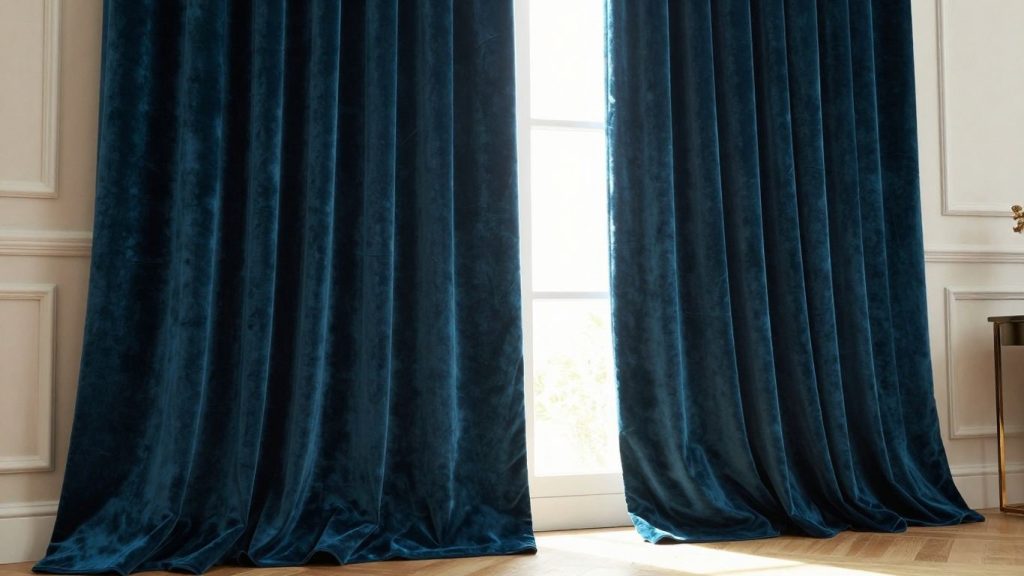
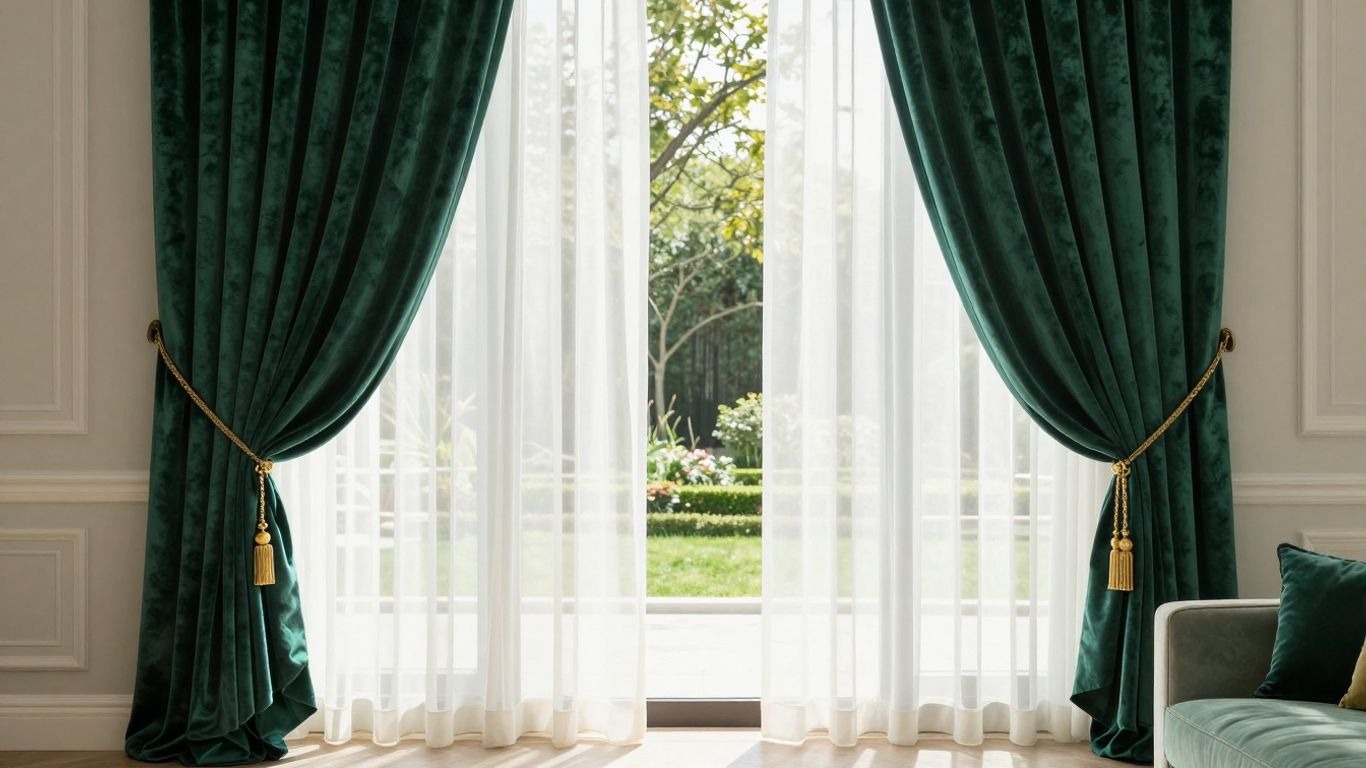
When I think about adding a touch of real luxury to a room, velvet drapes immediately come to mind. There’s just something about the way the fabric catches the light, creating these deep, rich shadows and highlights. It feels incredibly opulent, doesn’t it?
I’ve found that velvet is fantastic for creating a cozy atmosphere, especially during those colder months. It really helps to insulate the room, keeping the warmth in and the drafts out.
These drapes are a statement piece that brings unparalleled richness to any space. They are perfect for creating those stylish drapery for living rooms that guests will talk about. I’ve seen them used in so many elegant drapery styles, from classic to more contemporary settings. They just have this inherent grandeur that’s hard to replicate with other materials.
Here are a few reasons why I love velvet drapes:
- Visual Depth: The pile of the velvet creates a visual texture that adds dimension to your windows.
- Sound Dampening: The thick fabric can help absorb sound, making a room feel quieter and more serene.
- Light Control: While not always blackout, heavier velvets can significantly reduce light, contributing to a more intimate ambiance.
I remember installing some deep emerald green velvet curtains in a client’s historic home. They framed the large windows perfectly, almost like a piece of art. The way the light hit them in the afternoon was just stunning. It truly transformed the room into a luxurious retreat.
3. Linen Curtains: Natural Elegance and Versatility
When I’m looking for a window treatment that feels both relaxed and refined, linen curtains are almost always my first thought. There’s just something about the natural texture of linen that brings a sense of calm and organic beauty into a room.
It’s not overly fussy, you know? It drapes beautifully, and it has this lovely, slightly slubby texture that adds visual interest without being loud. I find it works in so many different styles, from a cozy farmhouse vibe to a more modern, minimalist space.
Linen curtains filter light in a way that feels incredibly soft and diffused. It’s not harsh like direct sunlight can be, but it still lets enough light in to keep the room feeling bright and airy. This makes them a fantastic choice for living rooms or dining areas where you want a pleasant ambiance. Plus, they offer a good amount of privacy without completely blocking out the outside world.
I’ve used linen in a few projects, and one thing I always appreciate is how breathable the fabric is. It really helps to create a comfortable atmosphere in the room. It’s a material that just feels good to be around.
Here are a few things I love about using linen:
- Timeless Appeal: Linen never really goes out of style. It has a classic look that adapts well to changing decor trends.
- Breathability: It helps regulate temperature, keeping a room feeling cooler in the summer and a bit warmer in the winter.
- Versatility: It pairs well with so many other materials and styles, making it easy to integrate into your existing decor.
One thing to keep in mind with linen is that it does tend to wrinkle. But honestly, I think that’s part of its charm. It gives the curtains a relaxed, lived-in look. If you prefer a crisper appearance, you might need to steam them regularly, or perhaps consider a linen blend that’s a bit more wrinkle-resistant. For a truly custom look that fits your space perfectly, exploring options from places like MariaSew.com can be a great idea.
Linen curtains bring a touch of understated luxury that feels both sophisticated and approachable. They’re a simple way to add warmth and texture to any room, making it feel more like a home.
4. Roman Shades: Sophisticated Simplicity
When I’m looking for window treatments that offer a clean, structured look without sacrificing style, Roman shades are usually my go-to. They just have this way of making a room feel put-together, you know?
They’re a fantastic way to get a polished appearance with a surprising amount of versatility. I love how they stack neatly at the top of the window when you raise them, creating a minimalist vibe that works with almost any decor. Whether you’re aiming for a modern kitchen or a more traditional sitting room, Roman shades can adapt.
They come in so many different fabrics, from light and airy linens to richer, more textured materials, which means you can really tailor them to your space. I’ve found that choosing shades in neutral tones really helps to create a serene atmosphere, making the whole room feel more open and calm. It’s a simple trick, but it makes a big difference.
Choosing the Right Fabric for Roman Shades
The fabric you pick for your Roman shades can totally change the feel of the window treatment. It’s not just about color; texture and weight play a huge role.
- Linen: For a natural, relaxed look, linen is hard to beat. It drapes beautifully and adds a soft texture. I find it works well in almost any room, from the dining room to a casual living area.
- Velvet: If you want to add a touch of luxury and warmth, velvet is the way to go. It’s heavier, so it can also help with insulation, which is a nice bonus.
- Cotton Blends: These are super versatile and come in a massive range of patterns and colors. They’re often a good middle-ground, offering durability and style.
- Woven Woods: For a more organic, earthy feel, woven wood shades, sometimes called bamboo shades, bring in natural textures and sophisticated hues. They’re a great way to bring a bit of the outdoors in.
I’ve learned that the right fabric can really make or break the look of a Roman shade. It’s worth taking the time to consider how it will interact with the light and the rest of your room’s decor. Sometimes, a simple printed Roman shade can add just the right pop of pattern without overwhelming the space.
5. Plantation Shutters: Timeless Architectural Appeal
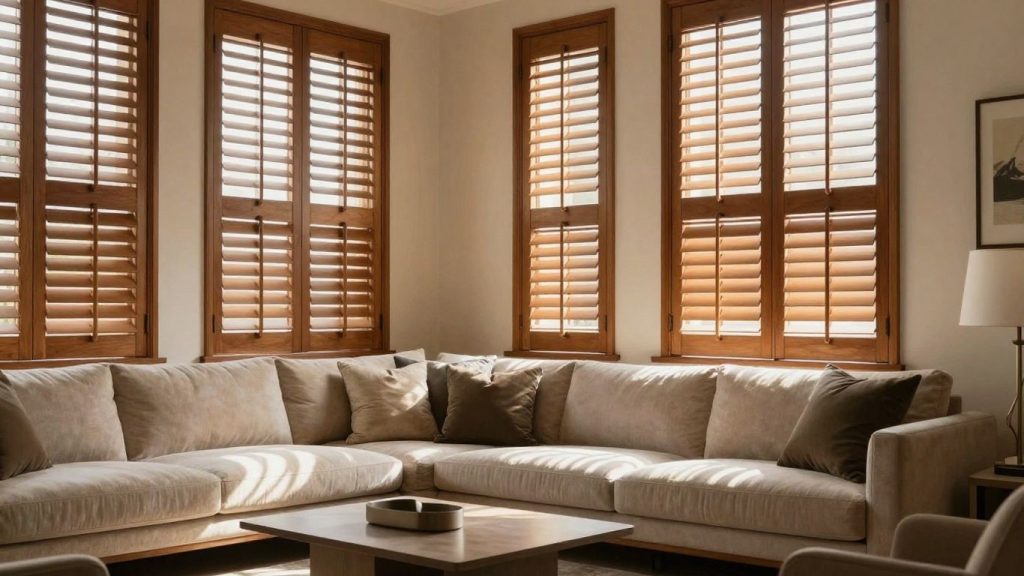
When I’m looking for a window treatment that feels both classic and substantial, plantation shutters are always at the top of my list. They have this architectural quality that just makes a room feel more finished, you know? The wide louvers, which are a hallmark of plantation shutters, give them a really elegant look, and they’re fantastic for controlling light.
You can tilt them to bounce sunlight up towards the ceiling, which really brightens things up without that harsh glare. They offer a level of control and a sophisticated aesthetic that’s hard to beat.
I find they work in so many different styles of homes, from traditional to more modern spaces. They add a sense of permanence and structure. Plus, they’re surprisingly good at insulation, which is a nice bonus, especially during those colder months. If you’re aiming for a look that’s both refined and functional, you really can’t go wrong with them. They’re a solid choice for interior shutters that bring a touch of timeless design.
Here’s why I often recommend them:
- Light Control: The adjustable louvers allow for precise management of natural light.
- Aesthetic Appeal: Their clean lines and substantial presence add architectural interest.
- Energy Efficiency: They can help insulate your windows, reducing heat transfer.
- Durability: Made from quality materials, they tend to last a very long time.
Plantation shutters bring a sense of order and refined beauty to any window. Their design allows for a great balance between privacy and light, making them a practical yet stylish option for many rooms in the house. I’ve seen them used to great effect in living rooms and bedrooms alike, always adding that touch of understated luxury.
6. Blackout Curtains: Luxury Meets Functionality
When I first started thinking about upgrading my window treatments, I honestly overlooked blackout curtains. I figured they were just for nurseries or movie rooms, you know? But I was so wrong. These aren’t just about blocking light; they’re a surprisingly stylish addition to any room, offering a level of comfort and control I hadn’t anticipated. They truly blend luxury with practical function.
I’ve found that blackout curtains are fantastic for creating a serene sleeping environment, especially if you live in a city where streetlights can be a real nuisance. But their benefits go way beyond the bedroom. In my living room, I used a pair of deep navy blackout curtains, and they made a huge difference in keeping the afternoon sun from overheating the space.
When choosing blackout curtains, don’t think you’re limited to plain, boring fabrics. There are so many options available now that fit right into stylish home decor curtains. I’ve seen them in rich velvets, textured linens, and even subtle patterns. The key is to pick a material and color that complements your existing decor.
Here’s what I’ve learned about making them work:
- Light Control: Obviously, they block light, but the degree of blockage can vary. Some are 100% blackout, while others offer significant dimming.
- Thermal Insulation: They help keep rooms cooler in the summer and warmer in the winter, which can actually save on energy bills.
- Noise Reduction: The thicker fabric can absorb sound, making your room feel more peaceful.
- Privacy: They offer complete privacy, no peeking allowed!
I’ve found that layering can be a game-changer. Pairing blackout curtains with a sheer panel on the same rod gives you the best of both worlds. You get the full light-blocking power when you need it, and soft, diffused light when you don’t. It adds a layer of visual interest too.
Honestly, I was surprised by how much of a difference good blackout curtains made. They’re not just functional; they’re a key element in creating a comfortable and chic atmosphere. If you’re looking for a way to improve your home’s comfort and style, definitely consider these elegant window treatments.
7. Motorized Blinds: The Pinnacle of Modern Convenience
I have to admit, when I first heard about motorized blinds, I thought it was a bit over the top. Like, who really needs their blinds to move on their own? But after experiencing them, I get it. They genuinely add a layer of ease and sophistication to a home that’s hard to beat.
Think about it: no more wrestling with cords or reaching for those awkward pull sticks. With motorized blinds, you can control the light and privacy in a room with just the touch of a button, or even with a voice command if you have them integrated with a smart home system. It’s one of those modern window blind options that feels like a luxury but quickly becomes a necessity.
Here’s why I’ve become a convert:
- Convenience: Adjusting blinds from the couch or even from another room? Yes, please.
- Energy Efficiency: Program them to close during the hottest part of the day to keep your home cooler, or open them up to let in natural light and warmth when it’s chilly.
- Safety: No dangling cords mean a safer environment for kids and pets.
- Aesthetics: They offer a clean, streamlined look without visible cords or mechanisms, which really contributes to a polished finish.
Motorized blinds aren’t just about fancy tech; they’re about making daily life a little bit simpler and a lot more comfortable. They really do feel like the future of window treatments, blending function with a touch of effortless style.
8. Valances and Cornices: Decorative Flourishes
Sometimes, the main window treatment needs a little something extra, a decorative flourish to really tie the room together. That’s where valances and cornices come in. I’ve found they’re fantastic for adding a layer of polish and personality, especially when I want to hide the hardware of curtains or blinds, or just add a bit of architectural interest.
A valance is typically a soft fabric treatment, often pleated or gathered, that sits at the very top of the window. Think of it as a decorative header. They can be simple and understated or quite elaborate, depending on the fabric and style. I’ve used them to add a pop of color or pattern without overwhelming the whole window.
A cornice, on the other hand, is usually a more rigid structure, often made of wood or upholstered fabric, that frames the top of the window. It gives a very clean, tailored look. Cornices are great for a more formal space or when I want a really defined edge.
Here’s a quick rundown of how I think about using them:
- Soft Valances: These are great for adding a touch of softness and can be made from almost any fabric. I like them with drapes or even Roman shades for an extra layer of style.
- Shaped Valances: Think of styles like a balloon valance or a jabot. These add a more dramatic, traditional feel.
- Box Cornices: These offer a clean, modern line and are perfect for hiding blinds or shades completely.
- Upholstered Cornices: These can be covered in fabric to match or complement the room’s decor, adding a luxurious, custom feel.
They’re not just for hiding things; they’re a design element in themselves. I’ve seen rooms completely transformed by the addition of a well-chosen valance or cornice. It’s that finishing touch that makes a window treatment look truly complete and intentional.
9. Drapery Hardware: The Finishing Touches
I’ve learned that even the most beautiful curtains can fall flat if they’re not hung with the right hardware. It’s like wearing a stunning outfit with mismatched shoes – it just doesn’t quite work. The rod, finials, rings, and brackets are more than just functional pieces; they’re the jewelry for your windows. Choosing hardware that complements your drapery style and the overall room decor is key.
For instance, a heavy velvet drape might need a sturdy, substantial rod, perhaps in a dark metal finish, to hold its weight and add to the opulent feel. On the other hand, lighter linen curtains could look lovely with a more delicate rod, maybe in a brushed nickel or even a natural wood finish.
Think about the details. Finials can range from simple, clean-lined designs for a modern look to ornate, decorative pieces for a more traditional space. Rings are not only for hanging but can also add a subtle decorative element. And don’t forget about the mounting hardware – the brackets need to be strong enough to support the weight of the fabric and the rod.
Here are a few things I always consider:
- Material: Metal (brass, iron, steel), wood, or acrylic. Each offers a different vibe.
- Finish: Brushed nickel, polished chrome, oil-rubbed bronze, matte black, gold tones, or natural wood stains.
- Style: Minimalist, classic, ornate, or rustic.
- Functionality: Will it be easy to open and close the drapes? Consider the diameter of the rod and the type of rings.
Sometimes, I find that the simplest hardware makes the biggest statement by letting the fabric shine. It’s all about balance and making sure every element works together harmoniously.
For a truly polished look, especially with heavier fabrics like velvet, I often opt for ceiling-mounted tracks. This approach creates a wonderfully clean line and can make a room feel taller, giving your dramatic drapes a more fluid appearance. It’s a subtle detail, but it makes a world of difference in the final presentation.
10. Custom Window Treatments: Bespoke Luxury
Sometimes, the most elegant solutions aren’t found on a shelf. When I’m looking for truly unique and luxurious window coverings, I always consider custom options. It’s like having a tailor for your windows. You get to pick the exact fabric, the perfect shade of color, and the precise style that fits your room like a glove. This is where you can really inject your personal taste into your home.
Custom window treatments mean you’re not limited by what’s available off-the-rack. You can achieve a look that’s completely your own, whether that’s a specific pleat on a drape or a unique combination of materials. It’s a way to ensure your windows are as stylish and well-dressed as the rest of your home. For those seeking designer window blinds that perfectly match a specific aesthetic, custom is the way to go.
Here’s what makes custom treatments so special:
- Material Selection: You can choose from an incredible range of fabrics, from silks and velvets to natural linens and performance materials, all tailored to your needs and style.
- Design Flexibility: Whether you want a specific pattern, a unique texture, or a color that perfectly matches your walls, custom allows for it.
- Perfect Fit: Custom treatments are measured and made for your exact window dimensions, eliminating awkward gaps or ill-fitting appearances.
- Hardware Integration: You can often select complementary hardware, like ornate rods or sleek tracks, that completes the look.
When I’ve gone the custom route, the process usually involves consulting with a specialist who understands the nuances of fabric, construction, and installation. They help translate my vision into a tangible reality, ensuring the final product is both beautiful and functional. It’s a collaborative effort that guarantees satisfaction.
For truly luxurious window coverings that reflect your individual style and enhance your home’s architecture, custom treatments are the ultimate choice. You can explore some of the possibilities and get inspired by visiting places like MariaSew.com for ideas on home styling and fabric choices.
Wrapping It Up
So, there you have it – ten ways to really make your windows pop. I know, picking out window treatments can feel like a lot, but honestly, it makes such a difference. It’s like putting the finishing touches on a room. Whether you’re going for something super simple like sheer curtains or something more dramatic like velvet drapes, there’s an option out there that just feels right.
I’ve found that even small changes can totally change the vibe of a space, and I hope these ideas have given you a good starting point for making your home feel a little more put-together and, well, luxe. Happy decorating!
Frequently Asked Questions
What makes window treatments ‘elegant’?
Elegant window treatments are all about adding a touch of style and sophistication to your home. I think of them as the jewelry for your windows. They can be made from nice fabrics, have interesting textures, or come in beautiful colors. Things like flowing drapes, fancy shades, or even well-chosen hardware can make a big difference.
How do I choose the right window treatments for my room?
For me, it starts with the room’s vibe and what you need. Do you want lots of natural light, or do you need to block it out for sleeping? Think about the room’s style too. For a cozy feel, I might suggest velvet drapes. For a light and airy look, sheer curtains are wonderful. It’s a balance of how it looks and how it works.
Can I mix and match different window treatments?
Absolutely! Layering is a fantastic way to add depth and style. I often suggest pairing sheer curtains with heavier drapes or using blinds underneath decorative curtains. This gives you control over light and privacy while looking super stylish.
Are expensive window treatments always better?
Not necessarily! While high-quality materials can certainly elevate the look, I’ve found that thoughtful choices can be budget-friendly too. Sometimes, simple linen curtains or well-designed roller shades can be just as elegant as something more elaborate. It’s more about the style and how it fits your home.
How important is the hardware, like curtain rods?
Oh, it’s super important! I see the hardware as the finishing touch that really ties everything together. A beautiful curtain rod, finials, or even tie-backs can make a plain curtain look much more polished and luxurious. It’s the little details that often make the biggest impact.
What’s the difference between curtains and drapes?
That’s a great question! While people often use the terms interchangeably, I think of drapes as being heavier, more lined, and usually floor-to-ceiling, designed to block light and provide insulation. Curtains can be lighter, come in various lengths, and are often more about style and filtering light. Both can be elegant, just in different ways.