How to Learn Sewing for Beginners (Step-by-Step Guide to Get Started)
I’ve always been curious about sewing, and if you’re like me, you’ve probably seen some amazing handmade items and thought, ‘I wish I could do that.’ Maybe you even have a sewing machine gathering dust. Well, I’m here to tell you that learning how to sew is totally doable!
It might seem a bit much at first with all the tools and terms, but I found that breaking it down step-by-step makes it much less scary. It’s a skill that’s really rewarding, and I’m excited to share my journey and guide you on yours.
Key Takeaways
- Gathering the right supplies is the first step in learning how to sew, with a sewing machine, needles, thread, fabric, scissors, and measuring tools being the most important.
- Understanding different fabric types, like cotton for beginners, is helpful before starting your first project.
- Practicing basic stitches, such as the straight stitch and zigzag stitch, on scrap fabric is a good way to get comfortable with your sewing machine.
- Starting with simple sewing projects like a drawstring bag or a pillowcase can build confidence and reinforce basic techniques.
- Don’t be afraid to make mistakes; they are part of the learning process, and a seam ripper is your best friend for fixing them.
Why Learn to Sew?
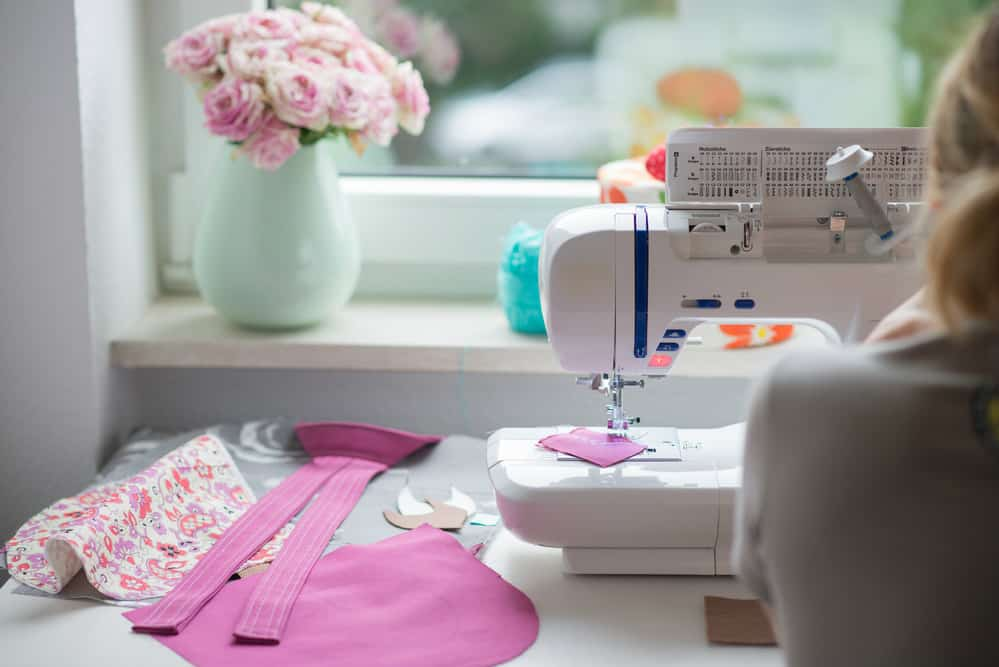
I’ve always been drawn to the idea of making things with my own hands. For me, learning to sew felt like a natural next step. It’s more than just a hobby; it’s a practical skill that opens up a whole new world of creativity and self-sufficiency.
Think about it: you can finally learn to sew clothes that actually fit you perfectly, or mend that favorite shirt instead of tossing it. It’s incredibly satisfying to take a flat piece of fabric and transform it into something functional and beautiful.
When I first started, I was a bit intimidated, honestly. There’s a lot to take in – different fabrics, stitches, and all the tools. But the more I practiced, the more I realized how accessible it is to learn to sew at home. It’s a fantastic way to express your personal style, too. You’re not limited by what’s in the stores; you can create exactly what you envision. Plus, the sense of accomplishment when you finish a project, no matter how small, is just wonderful.
Learning to sew is a journey that builds confidence with every stitch. It’s about more than just making things; it’s about problem-solving, patience, and the joy of creation.
Essential Sewing Supplies for Beginners
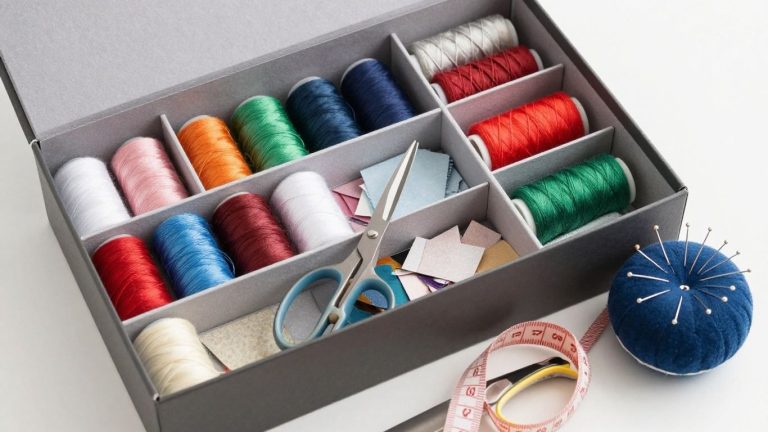
Getting started with sewing doesn’t have to be complicated or expensive. I remember when I first started, I felt a bit overwhelmed by all the tools out there. But honestly, you only need a few key items to begin your journey into sewing basics for new crafters. Think of this as your starter pack for getting your hands on some easy sewing projects for beginners.
Sewing Machine Basics
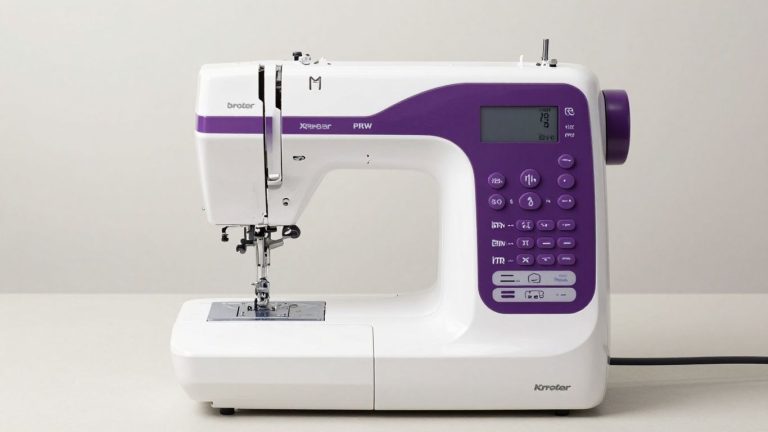
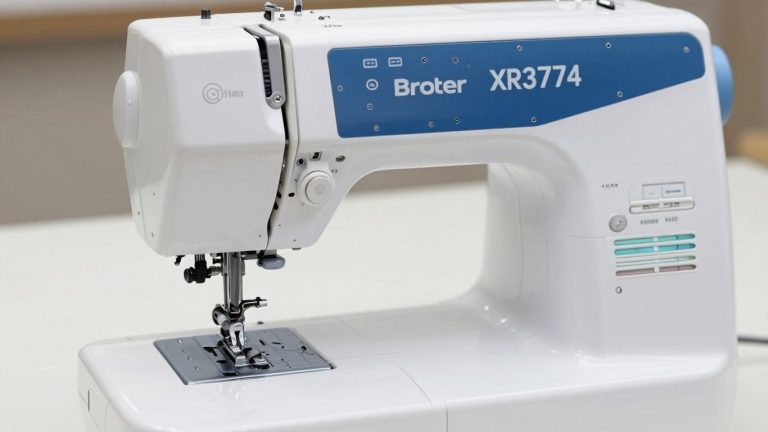
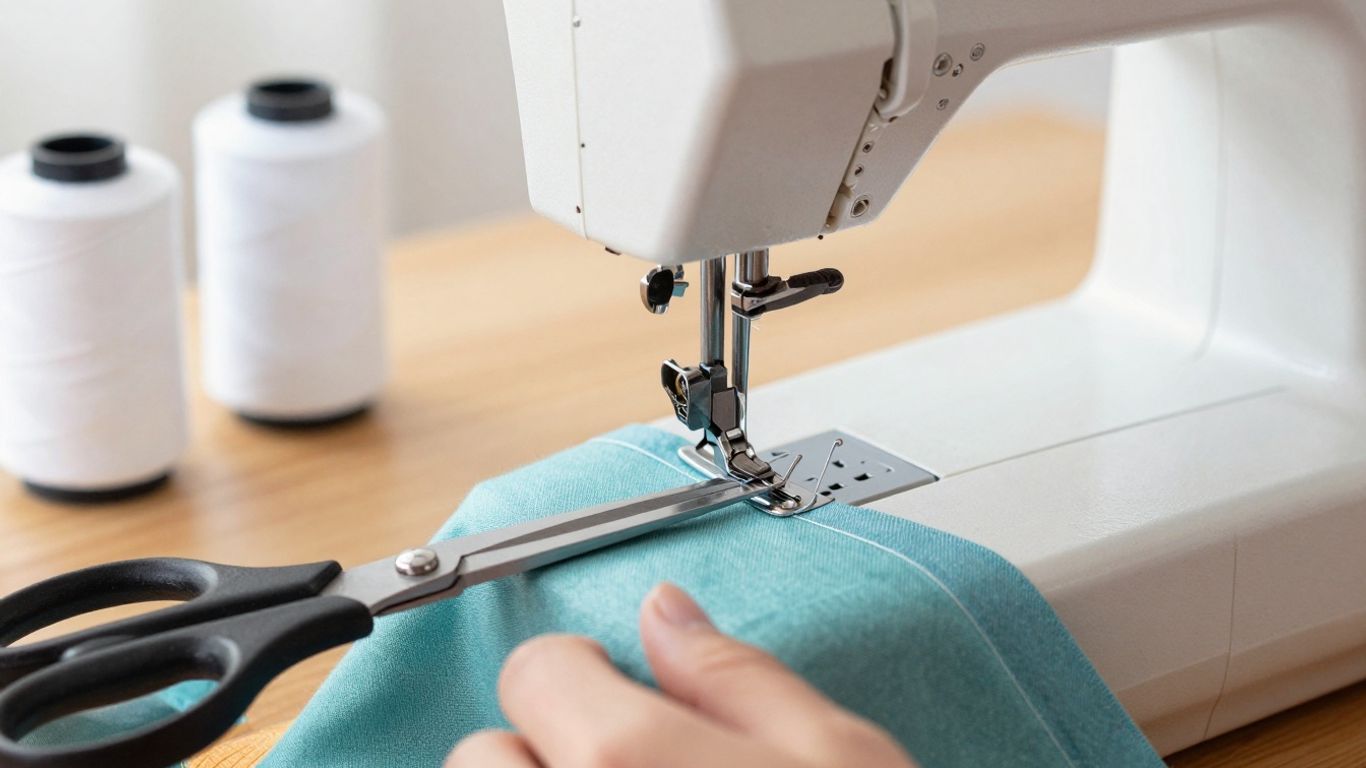
If you’re planning to do more than just a few stitches by hand, a sewing machine is going to be your best friend. Don’t feel like you need the fanciest model right away. Many great machines are available, and you can even find good deals on used ones. When choosing a machine, consider what kind of projects you might want to tackle down the line.
For instance, if you dream of making sturdy denim items, a heavy-duty machine might be worth looking into. However, for general use and learning the ropes, a reliable, user-friendly model is perfect. Getting familiar with your machine’s manual is key to understanding how to thread it, wind a bobbin, and adjust basic settings. This is a big part of getting started with a sewing machine.
Needles and Thread
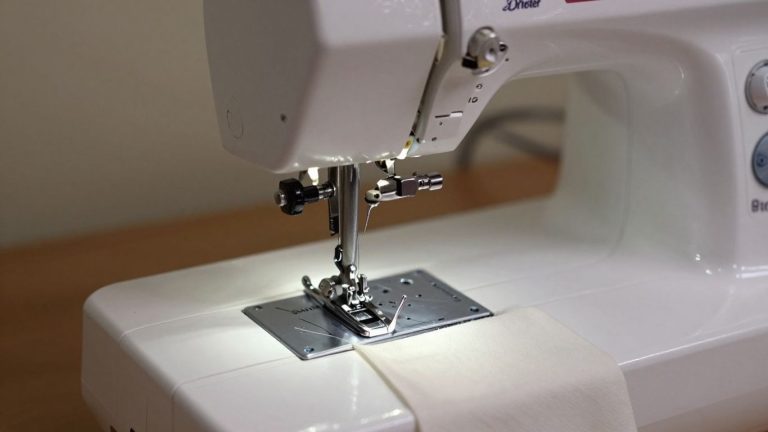
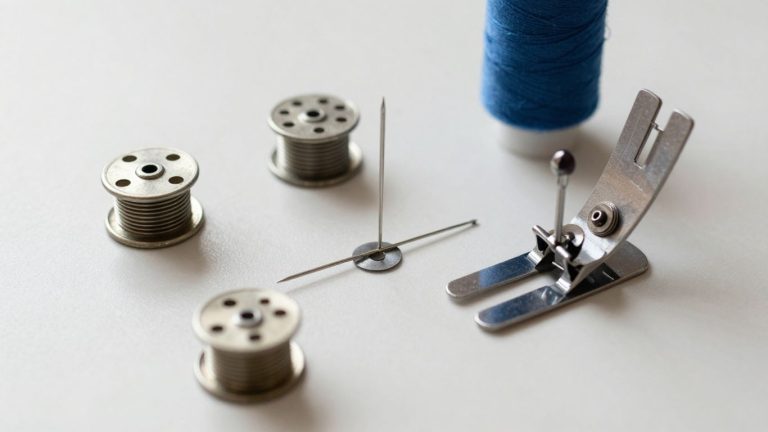
Needles and thread might seem simple, but having the right kind makes a difference. For general sewing, look for “sharps” needles. They’re good all-rounders. If you plan on doing embroidery or using thicker threads, you’ll want needles with larger eyes.
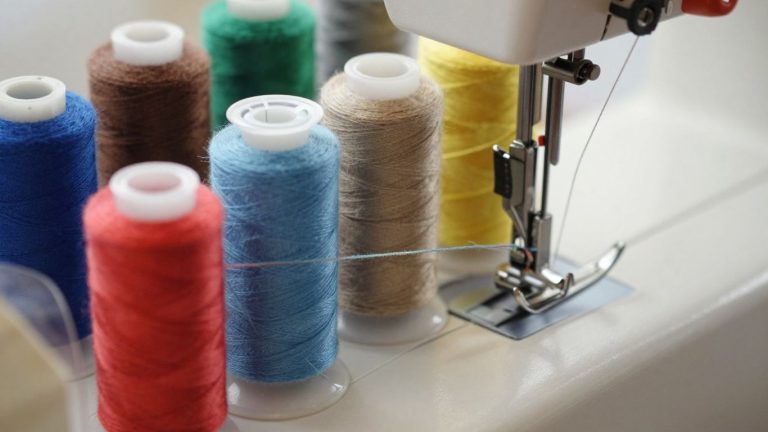
As for thread, a good quality all-purpose polyester thread is a safe bet for most fabrics. It comes in tons of colors, so you can match your fabric or go for a contrasting look. A small spool of neutral colors like white, black, and gray is a great starting point.
Fabric and Scissors
Cotton is often recommended for beginners because it’s stable and easy to work with. It doesn’t stretch too much, making it forgiving when you’re learning. You’ll also need a good pair of scissors. Invest in a decent pair of fabric shears; they’re different from your everyday scissors and will make cutting fabric much cleaner.
A small pair of embroidery scissors is also handy for snipping threads. For holding fabric pieces together before you sew, pins are a must. A pincushion is a cute and practical way to keep them organized.
Measuring Tools and Pins
Accuracy is important in sewing, even for simple projects. A tape measure is indispensable for measuring fabric and body measurements. You’ll also want a ruler for shorter, straight lines. And don’t forget a seam ripper! It sounds a bit dramatic, but it’s a lifesaver for undoing stitches when you make a mistake – and trust me, we all make them. It’s a tool that’s really helpful for sewing for absolute beginners.
Starting out with sewing doesn’t require a huge investment. Focus on getting a few quality basics that will serve you well as you learn. You can always add more specialized tools later as your skills and interests grow. Remember, the goal is to enjoy the process and create something you’re proud of.
If you’re looking for a convenient way to gather these initial supplies, consider looking into a beginner sewing kit. These often bundle together many of the necessary items to get you started without having to hunt for each piece individually.
Understanding Fabric Types
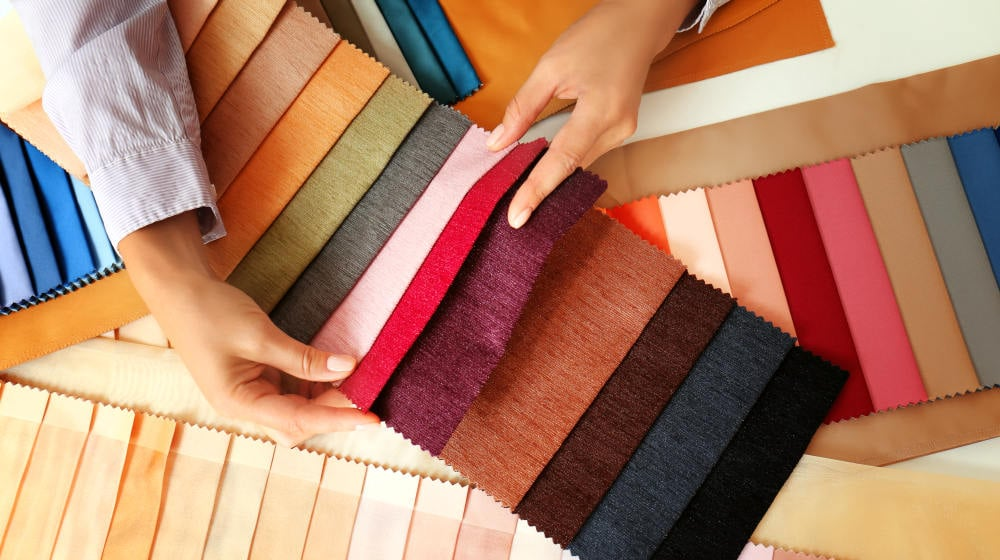
When I first started sewing, the sheer variety of fabrics felt overwhelming. It’s like walking into a candy store, but instead of sweets, it’s all textures and weights! But honestly, getting a handle on a few basic fabric types makes a huge difference in how your projects turn out. It’s not just about how pretty a fabric looks; its properties dictate how it behaves when you sew it and how the finished item will feel and wear.
Think about it: trying to make a flowy, drapey skirt out of stiff denim just won’t give you the result you’re imagining. You’ll end up with something structured, not soft and flowing. On the flip side, using something like chiffon or silk for a structured jacket might be a bit tricky. The key is matching the fabric to the project’s intended outcome.
There are two main categories of fabric construction: woven and knit. Woven fabrics, like cotton and linen, are made by interlacing threads at right angles, giving them stability and less stretch. Knit fabrics, like jersey or interlock, are made by interlocking loops of yarn, which gives them more stretch and drape.
For beginners, I found woven fabrics much easier to handle because they don’t tend to roll or stretch out of shape as much while I’m cutting and sewing.
Here’s a quick rundown of some common fabric types I often reach for:
- Cotton: This is a real workhorse. It comes in so many varieties, from quilting cotton (stable, great for bags and home decor) to lawn and voile (lighter, good for blouses and dresses). It’s breathable and generally easy to sew.
- Linen: I love linen for its natural elegance and breathability. It wrinkles easily, which is part of its charm, and it’s fantastic for summer clothing. It can be a bit slippery sometimes, but it’s still manageable for beginners.
- Polyester: This is a synthetic fabric that’s often blended with natural fibers. It’s durable, resists wrinkles, and can be quite versatile. Sometimes it can feel a bit slick or have a sheen, so pay attention to the specific type.
- Rayon (Viscose): This fabric is made from wood pulp and often mimics the feel of silk. It has a beautiful drape and is great for flowy garments, but it can be a bit more delicate to sew than cotton.
When I’m starting a new project, I usually check out resources like this guide on fabric choices to make sure I’m picking the right material. It really does set you up for success and makes the whole sewing process much more enjoyable.
Basic Sewing Stitches and Techniques
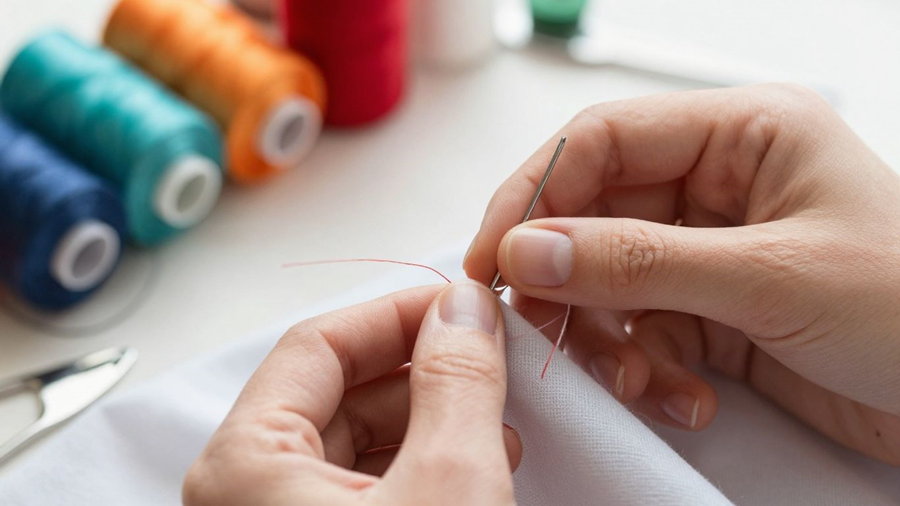
Alright, let’s get down to the nitty-gritty of actually sewing! Before you jump into making that cute tote bag or pillowcase, I think it’s super helpful to get a handle on a few basic stitches. This is where the magic really starts to happen, and honestly, it’s not as scary as it might seem.
Think of this as your introduction to fabric and stitches – the building blocks for all your future sewing projects. I’ve found that practicing these first makes tackling any DIY sewing tutorials so much easier.
The Straight Stitch
This is probably the most common stitch you’ll use. It’s exactly what it sounds like: a straight line of stitching. It’s great for seams, hemming, and general construction. When I first started, I spent a good chunk of time just practicing sewing straight lines on scrap fabric.
It might sound a bit boring, but getting a consistent straight stitch is key to making your projects look neat and professional. Aim for accuracy, and don’t worry if your first few attempts are a little wobbly. That’s totally normal!
- Practice Tip: Grab some scrap fabric and draw a few straight lines on it with a fabric marker. Then, just sew right on those lines. Try to keep your stitches an even length and your sewing line straight. Don’t worry too much about the exact measurement at first, just focus on control.
The Zigzag Stitch
The zigzag stitch is another workhorse in the sewing world. Unlike the straight stitch, this one moves back and forth, creating a V-shape. It’s super useful for a few things:
- Finishing Seam Edges: This helps prevent fabric from fraying, especially on fabrics that tend to unravel easily.
- Sewing Stretchy Fabrics: The give in the zigzag stitch allows the fabric to stretch without breaking the stitches.
- Decorative Purposes: You can use it for applique or even to create simple decorative patterns.
Most sewing machines have a zigzag stitch setting. You can usually adjust the width and length of the zigzag to suit your needs. For finishing seams, a medium width and short length usually works well. For stretchy fabrics, you might want a slightly wider and longer stitch.
Once you’ve got a feel for these two, you’ll be ready to explore more advanced sewing techniques and tackle some really fun, easy sewing tutorials. Happy stitching!
Your First Sewing Project: Simple Ideas
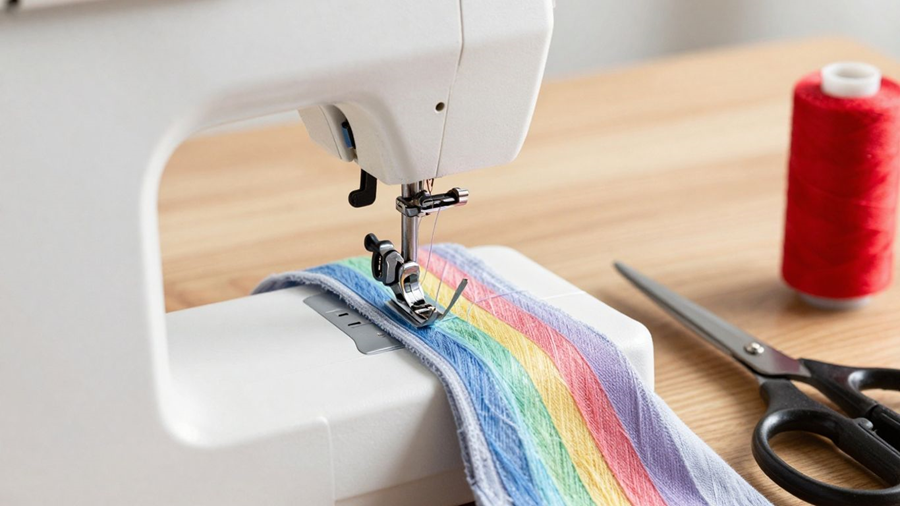
Alright, so you’ve got your supplies and you’ve practiced a bit. Now comes the fun part: actually making something! Picking your very first beginner sewing projects can feel a little daunting, but I promise, there are tons of simple ideas out there that won’t leave you feeling frustrated. The key is to start small and build your confidence.
When I first started, I looked for projects that had straight lines and didn’t involve too many fiddly bits. Things like simple tote bags or pillow covers were perfect. They let me get a feel for the machine and how the fabric behaved without the pressure of making something perfectly fitted.
Here are a few ideas that are great for getting started:
- Drawstring Bags: These are super quick and useful. You can make them for storing anything from snacks to small toys. They teach you how to create a simple casing for a drawstring, which is a handy skill.
- Scrunchies: A classic for a reason! They use minimal fabric, are fast to make, and you can whip up a whole bunch in an afternoon. Plus, who doesn’t love a good scrunchie?
- Simple Pillow Covers: A basic envelope-style pillow cover is a fantastic way to practice sewing straight lines and getting neat corners. You can even make a few to update your home decor.
- Pot Holders: These are practical and teach you how to work with layers of fabric and do some topstitching. Just make sure to use heat-resistant batting inside!
Don’t be afraid to choose a project with a simple pattern. Look for ones that have minimal pieces and straightforward instructions. This way, you can focus on learning the techniques rather than getting lost in complicated steps. It’s all about building those foundational skills and enjoying the process. Remember, your first few beginner sewing projects are all about learning and having fun, not perfection.
Tips for Continuing Your Sewing Journey
So, you’ve made it through your first few projects! That’s fantastic. The journey doesn’t stop here, though. To keep improving and enjoying sewing, I’ve found a few things really help.
First off, don’t be afraid to try new things. I know it’s tempting to stick with what you know, but that’s how you get stuck. Look for patterns that are just a little bit more challenging than what you’ve done before. Maybe it’s a new fabric type, a different stitch, or a more complex garment. Each new technique you learn opens up a whole new world of possibilities.
Here are some ideas to keep you motivated:
- Join a sewing group or online forum: Connecting with other sewers is incredibly helpful. You can share your successes, ask for advice when you get stuck, and get inspired by what others are making.
- Take a class: Whether it’s in person or online, a structured class can teach you specific skills or techniques you might not pick up on your own.
- Attend sewing events or workshops: These are great for meeting people and learning about new products or trends.
- Set small, achievable goals: Instead of aiming to make a whole suit right away, aim to finish one garment a month, or master a specific technique like setting in sleeves.
Remember to try on your projects as you go. It’s so much easier to fix something when it’s still in pieces. I learned this the hard way after finishing a dress only to realize a seam was too tight. Adjusting it later was a real pain! It’s always better to make those little tweaks as you’re working through the steps. You can even use a temporary stitch, like basting, to hold things in place while you check the fit.
Keep practicing, keep experimenting, and most importantly, keep having fun with it. That’s what sewing is all about for me.
Wrapping Up Your Sewing Journey
So, there you have it. Learning to sew might seem like a lot at first, with all the tools and steps, but I promise it gets easier. I remember feeling totally lost when I first started, but with a bit of practice and patience, I started making things I was actually proud of.
Don’t be afraid to make mistakes – that’s how I learned the most! Just keep at it, try out those simple projects, and before you know it, you’ll be creating all sorts of cool stuff with your own two hands. It’s a really satisfying hobby, and I hope you find as much joy in it as I do.
Frequently Asked Questions
What are the absolute must-have items for a beginner sewer?
When I first started, I thought I needed tons of fancy stuff, but honestly, you can begin with just a needle, thread, and some fabric. To make things a bit easier and more professional, I’d add a sewing machine (even a basic one works wonders!), sharp fabric scissors, pins to hold things in place, a measuring tape, and a seam ripper. Oh, and an iron is super helpful for making your seams look neat!
Is it better to sew by hand or use a machine when I’m starting out?
For most projects, especially clothes, a sewing machine is definitely the way to go. It makes things so much faster and helps you get nice, even stitches. Hand sewing is great for small details, like sewing on a button, but for the main construction, a machine is your best friend.
What kind of fabric should I use for my first project?
I always suggest starting with woven fabrics like cotton. They’re pretty stable, don’t stretch much, and are easy to cut and sew. Think of quilting cotton or poplin – they’re forgiving and make learning the basics much less frustrating.
My sewing machine seems really complicated. How do I learn to use it?
It can feel a bit overwhelming at first, I know! The best thing you can do is find your sewing machine’s manual. It’s like a secret map! Read through it, and focus on learning how to thread the machine, wind the bobbin, and adjust the stitch settings. Practicing sewing straight lines on scrap fabric is a great way to get comfortable.
What if I make a mistake? I’m worried about messing up my project.
Oh, mistakes are totally normal! Seriously, even experienced sewers make them. That’s why the seam ripper is your best friend. If you mess up a stitch or sew something in the wrong place, just carefully unpick it and try again. It’s all part of the learning process, and you’ll get better with practice.
Where can I find easy projects to start with?
There are tons of simple ideas out there! I’ve found that making things like simple tote bags, pillowcases, or even fabric coasters are great first projects. You could also try a very basic drawstring bag or a simple scarf. Look for patterns labeled ‘beginner’ or ‘easy’ – they’re designed to help you build confidence without too much fuss.