Brother HC1850 Review (2026): Is This Computerized Sewing Machine Worth It
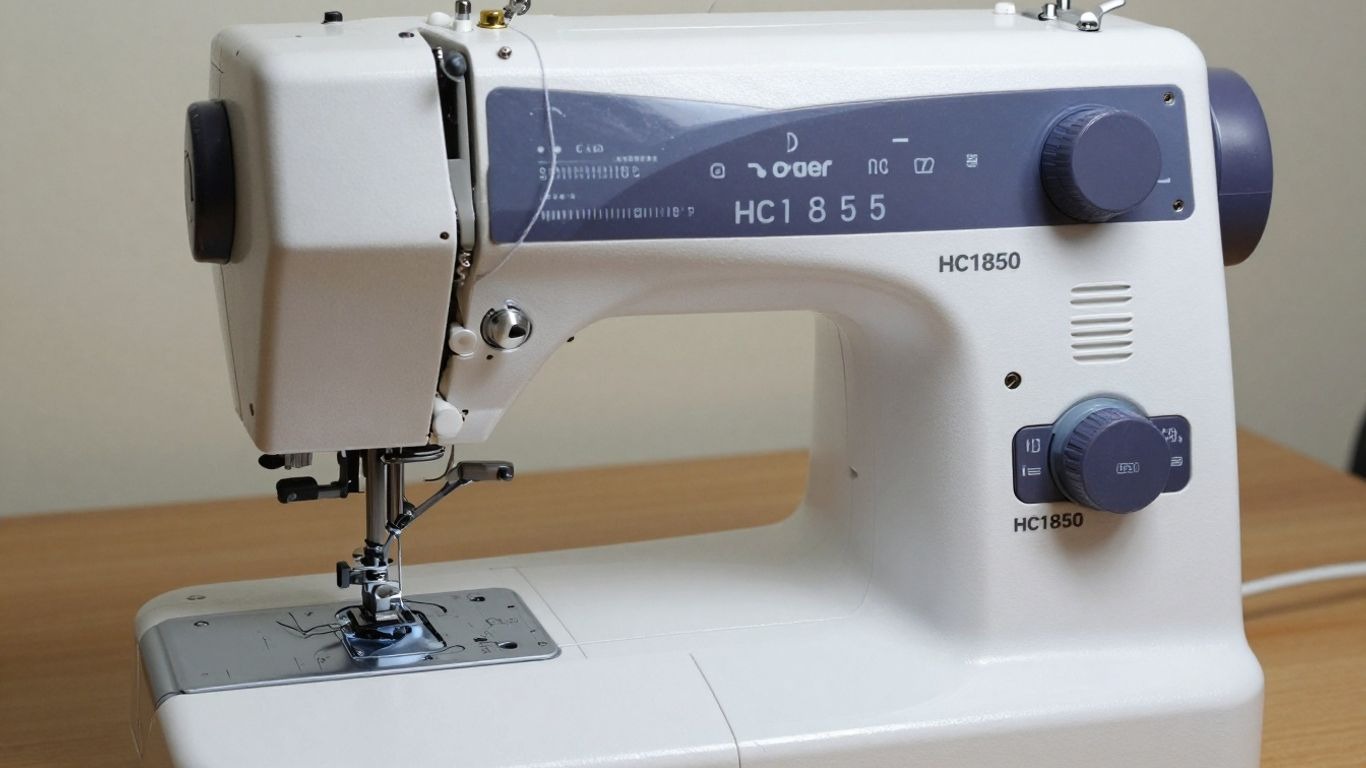
I recently got my hands on the Brother HC1850 computerised sewing machine, and I’ve been putting it through its paces. If you’re wondering whether this machine is the right fit for your sewing projects, stick around. I’ll share my thoughts on its features, how it performs, and if it’s really worth the money.
Key Takeaways
- The Brother HC1850 offers a wide array of 130 built-in stitches and 8 one-step buttonhole styles, making it quite versatile for various sewing tasks.
- Beginners will appreciate its user-friendly features like the automatic needle threader and top drop-in bobbin, which simplify the setup and sewing process.
- While it includes basic monogramming capabilities with 55 alphanumeric stitches, it’s not an embroidery machine and has limitations for advanced lettering.
- The machine is generally well-regarded for its ease of use and affordability, especially for those new to sewing or looking for a secondary machine.
- For serious quilters or those frequently working with very thick materials, dedicated machines or additional accessories might be necessary, as the HC1850 has some limitations in those areas.
Brother HC1850: An Overview
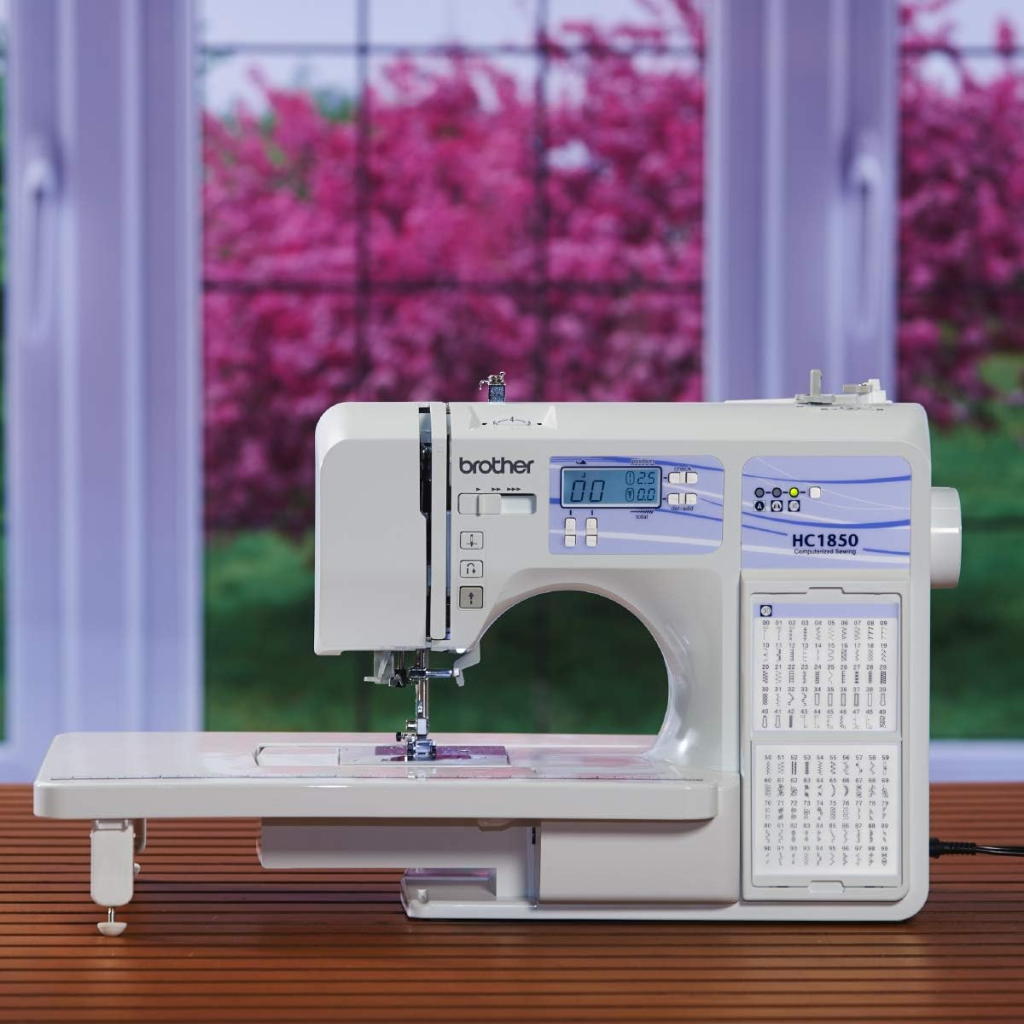
I’ve gotten a good bit of time with the Brother HC1850, and I have some real opinions about what it has to offer. While it’s not just a basic machine, it is a type of machine for the whole range of people, from complete novices learning to sew straight lines, all the way up to those who are further along and need something with a lot more options for flexibility.” Here’s what I noticed after trying it out.
I’ve gotten a good bit of time with the Brother HC1850, and I have some real opinions about what it has to offer. It’s a great middle-ground machine—more advanced than basic options like the Brother CS7205 review, but still beginner-friendly.
Key Features and Specifications
To give you a sense of what you’d get, here’s a simple breakdown:
| Feature | Details |
|---|---|
| Dimensions | 19.0” x 12.5” x 15.5” |
| Weight | 13.2 pounds |
| Built-in Stitches | 130 (including 8 buttonholes) |
| Alphanumeric Stitches | 55 (great for monogramming) |
| Presser Feet | 8 included |
| Max Sewing Speed | 850 stitches per minute |
| Stitch Dimensions | Up to 5 mm x 7 mm |
| Warranty | 25-year limited warranty |
A few things really jumped out at me:
- The 130 built-in stitches available on this machine give it a lot more flexibility than other mid-range machines.
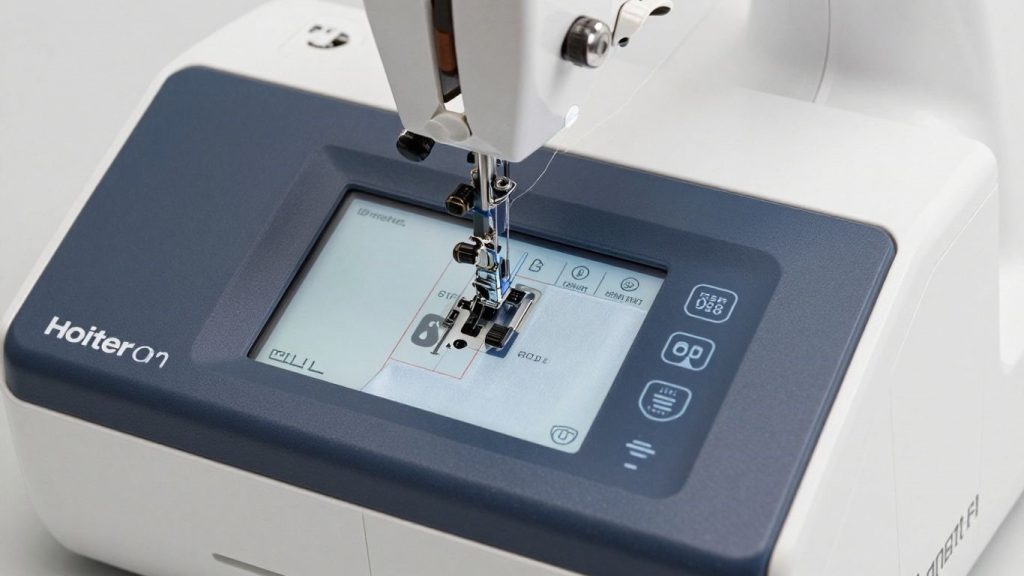
- When you have an LCD screen, you’re not wrestling with dials and estimates; it will tell you the stitch number, what length to set it to, what width, and which presser foot.
- There’s an automatic needle threader that is a lifesaver when your eyesight isn’t what it once was (or you simply hate threading needles, as I do).
- The bright LED light does come in handy for those late-evening projects or darker fabrics.
One thing to keep in mind, there’s no hard case included, so you may want to factor in a little extra if you plan on schlepping this thing around or keeping it dust-free.
The 130 built-in stitches give it more flexibility compared to simpler machines. If you’re comparing models, you might also want to check the Singer HD4411 Prisma review or the Singer 4452 heavy duty review for heavier fabrics.
Ease of Use for Beginners
I totally understand that, even just starting with any sewing machine, can be a little intimidating. What I liked most about the Brother HC1850, and its siblings, actually, was how welcoming it seemed:
- It has a super-fast, top drop-in bobbin system that makes threading so easy.
- However, the instructional DVD and bilingual manual communicated basic operation without being mired down in weird terminology.
- The foot pedal and variable speed slide are handy for nervous types (or working with someone new).
I stumbled a bit with the automatic needle threader at first (it’s a neat feature, but it takes a minute to figure out), and there was nothing visible on the machine that told me how to adjust my one stitch to be longer or shorter. Once you become accustomed to it, though, it’s faster than threading by hand.
Getting started is simple, especially if you already have basic tools like those listed in sewing kits for beginners you can buy online.
Advanced Features for Experienced Sewers
If you’re coming into this with a little experience, there are also great advanced touches here:
- There are 55 alphanumeric stitches for basic monogramming, useful for
labelling food gifts and quilting initials, although you can’t really resize the letters. - It contains a spring action quilting foot and supports free-motion quilting, meaning you can feel your way into more intricate quilting designs.
- The stitch variation, speed and good throat space allow you to attempt ambitious projects beyond what most entry-level machines are capable of.
If you’re the kind who likes to give your sewing machine a run for its money, Brother HC1850’s performance wasn’t half bad considering what you’d get at that cost.
- An adjustable stitch width and length are critical to sewing accurately, whether making clothing or working on piecework.
- The drop feed function allows for basic quilting and free-motion work, not a standard feature on all machines at this level.
- So eight presser feet in the box means you won’t have to scramble for extra accessories just to get going.
All in all, I think the Brother HC1850 is a great sweet spot: not so basic you feel limited after a few months of use, but not so complicated that you want to throw it into a closet out of frustration. For me, it strikes a happy balance that’s appropriate for most home sewers, and in this bonkers-emphasis market with so many options, that feels worth mentioning.
If quilting is your focus, you might also want to explore the best quilting sewing machine for more specialized options.
While this machine supports basic quilting, understanding the difference between machines can help—check out serger vs sewing machine for deeper insight.
Performance and Stitch Quality
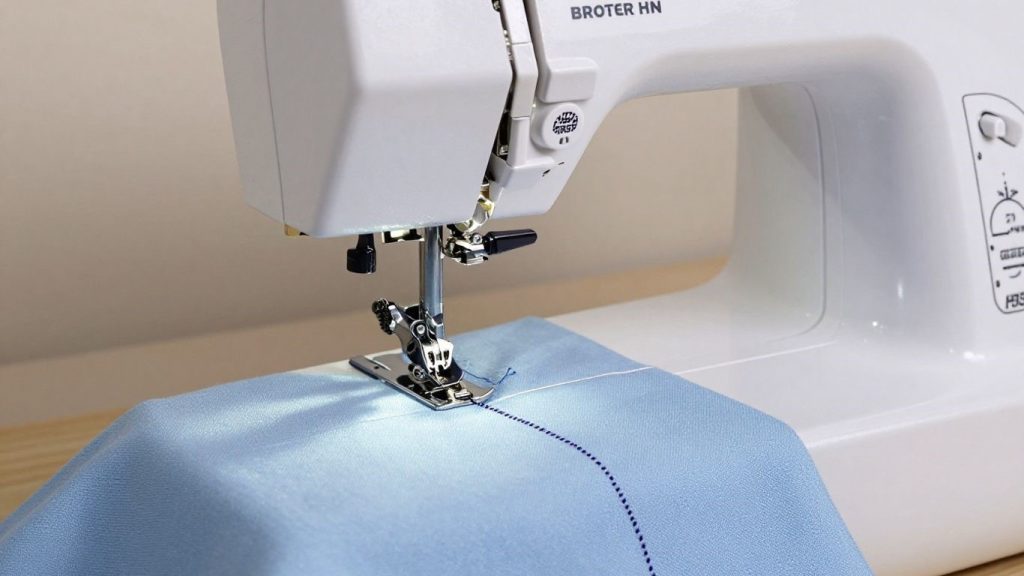
I wondered how the Brother HC1850 would perform on different fabrics and stitch types when I first sat down at it. Having put that to the test, I can honestly say it does a great job, especially when considering its cost. It’s certainly one of the better computerised sewing machines I’ve tried this year.
For heavy-duty work, machines like the Singer HD500 review or Janome MC6650 review may be better suited.
Testing the Brother HC1850: What We Found
I began with standard cotton, progressed to a little denim and even used some stretchy knit fabric. The machine dealt with all of them without much complaint. And the speed control is a godsend; I could slow it down for tricky corners, or crank things up when I was powering through longer seams.
The automatic needle threader is something I’ve grown to depend on; it saves me untold squinting and fumbling. It’s also easy to set up the bobbin with the drop-in top-loading system: just pop it in and you’re off. I did not get skipped stitches or broken thread on the cotton and denim, although I did have to pay a little more attention to the knit fabric, which is pretty standard for most machines.
BxG: One thing that jumped out to me was the consistency. Whether performing a simple straight or more elaborate decorative stitch, the stitching came out evenly and neatly. This degree of reliability is precisely what I want in a good home sewing machine.
If you’re into creative crafts, you can also explore ideas like macrame wall hanging patterns to expand your DIY skills.
Stitch Variety and Customisation
The HC1850 truly shines in this department. It offers an enormous amount of built-in stitches, 130 to be precise, along with a total of 170 stitch functions. This includes:
- Little Fixes: Garment Construction Stitches: Lots for mending and making everyday clothing.
- Quilting Stitches: This encompasses hand-look quilting and stippling, which are perfect for adding detail to quilts.
- Decorative stitches: Decorative stitches include all the decorative stitching that you can use to embellish your project (anything from a simple zigzag to elaborate heirloom suturing).
- Buttonholes: 8 styles of automatic one-step buttonholes so that you can produce consistent results every time.
Aside from the variety you will have at your disposal, customising stitch height and width is easy. You choose your stitch from the bright LCD screen and then adjust the settings with buttons. It even informs you of which presser foot to use for the stitch, which is super helpful if you’re still acclimating to all the different feet.
It doesn’t include a walking foot, though this is a popular accessory that can be bought separately if you intend to do much heavy quilting. If you are searching for the best beginner sewing machine on a budget without cutting corners, this is one of the better options in the 2026 sewing machine reviews.
Pros and Cons of the Brother HC1850
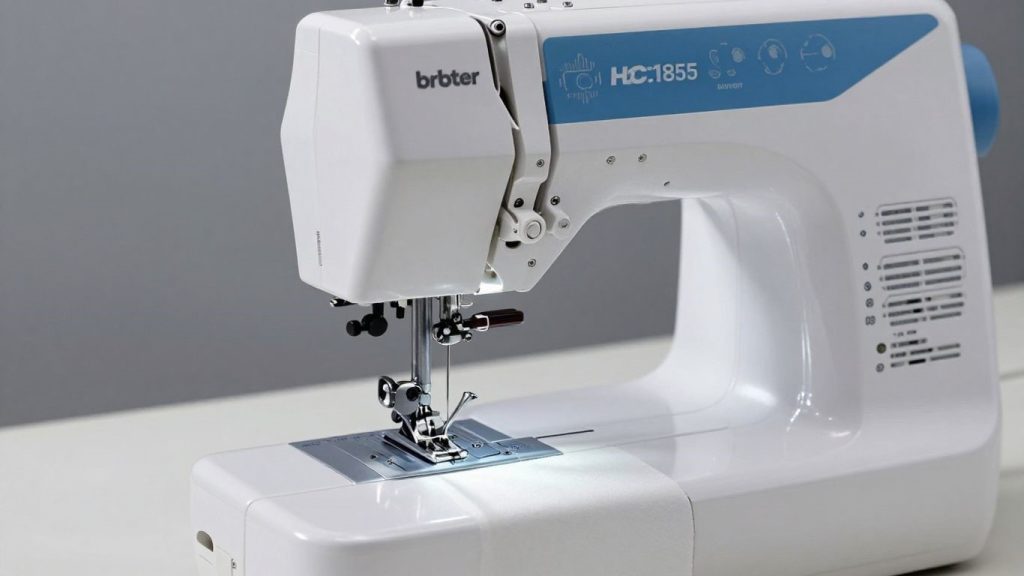
After spending some time with the Brother HC1850, I have a solid understanding of what it does well and where it stumbles a bit. It is definitely a machine that offers you a lot, especially if you are just getting started or looking for a solid workhorse without the fantastic price tag.
It’s a feature-rich machine at a reasonable price point, especially when compared to alternatives like the Janome JW8100 review.
However, for serious heavy-duty sewing, machines like the Singer 4452 heavy duty review may offer better durability.
Pros of the Brother HC1850
- Pounds of Stitch Choices: Seriously, it’s 130 built-in stitches here. That’s a lot! It addresses pretty much every fundamental sewing, quilting or decorative need you may have. I started playing with different stitches for fun.
- Beginner-Friendly Features: Automatic needle threaders are a lifesaver, and the quick-set bobbin system gets you started in no time. I like the well-labelled instructions right on the machine itself for threading and bobbin winding. It really removes the guesswork for me.
- Adjustable Speed Control: Whether you’re a complete novice or simply struggling on a challenging piece of fabric, the option to slow down the sewing speed is very useful. It allows you so much more control.
- Included Foot Pedal: Sometimes, I like to use the start/stop button instead of using the included pedal, but it is excellent that Van Gogh has added a foot pedal. It is a refreshing option, and it works well with limited jerkiness.
- Lightweight design: A pro for me. It’s lightweight enough to move around the room or even take to a sewing class. If you’re not constantly grappling with heavy fabrics, the lighter weight is a definite plus.
Cons of the Brother HC1850
- Monogramming Limitations: Sure, it offers monogramming, but it’s fairly limited. There is only one kind of font style, and you have limited control over the size. If you want serious custom lettering on a lot of projects, though, you’ll likely want something more specialised.
- No Auto Thread Cutter: This is something I had gotten used to on other machines. It seems a little old-fashioned to have to cut the threads by hand with the side cutter. It’s not a dealbreaker, but it is a convenience I miss.
- No Protective Case Included: As a machine that’s somewhat portable, it’s strange that a dust cover or carrying case isn’t included. You will want to buy one separately to keep it protected, which raises the total cost.
For the average home sewer, the pros do seem to outweigh the cons overall. There are plenty of features for the price, and well-implemented, too, for the Brother sewing machine. The Brother HC1850 pros and cons really depend on what you value in a sewing machine. This may not be your first pick for advanced monogramming or auto-cutting, but for general sewing and quilting, it’s a worthy contender.
Brother HC1850 vs. Competitors
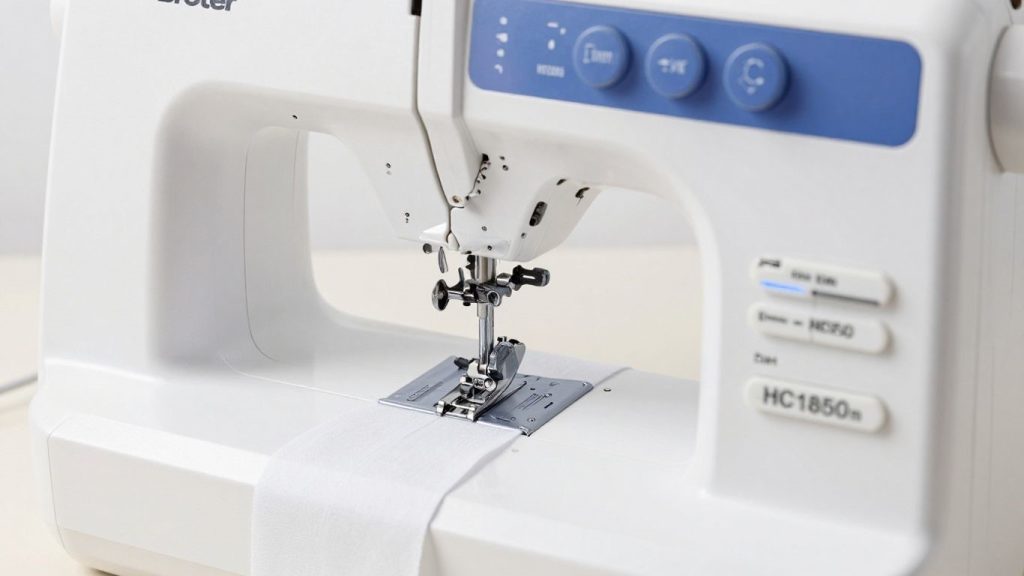
When I started looking at the Brother HC1850, I couldn’t help but compare it to other popular Brother sewing machine models like the CS6000i, CS7000i, and XR9500PRW. Each one comes with its own list of features, so here’s how the HC1850 stacks up.
Still, models like the Brother CS7000X review offer additional accessories like a hard case and walking foot.
Here are a few points that stood out while making these comparisons:
- Best wide sewing machine: Brother HC1850, $210You can get more stitch variety, and a simple monogramming option with the Brother HC1850, which has been helpful for little personalisation projects
- Some of its competitors, including the CS7000i and the CS6000i, include a protective case and another specialty foot (like a walking foot) in their package; these are sold separately for the HC1850.
- If you want the most stitch variety and flexibility for your buck, the HC1850 gives you more options than similarly priced models.
- The XR9500PRW has all the same features but fewer stitches and slightly fewer stitch functions.
- The HC1850 is lighter than some of these options, so it will be more portable, but its mostly plastic construction makes it feel a little less robust.
I’d take the extra stitches and monogramming font on the HC1850 over basic models even if it meant paying a little more and tracking down extras like a case myself. For versatility without overkill, it is definitely on the short list of Brother sewing machine models.
Is the Brother HC1850 Worth Your Investment? (Final Verdict)
So after spending some time with the Brother HC1850, I can say hands down: It’s a pretty good machine, particularly if you’re just starting out or if you’ve been sewing for a little while and want more variety of stitches without breaking the bank. It truly delivers on a lot in that frame. You do also get a ton of stitches, 130 in all, which is exponentially more than you would need for many home projects, from basic repairs to the more creative end. Having 8 different one-step buttonhole styles is a nice addition for the sewing-lover who wants their projects to look very professional.
The automatic needle threader and the quick-set bobbin were lifesavers for me! No, really, threading the needle used to be a real pain in the ass, but this makes it easy. It has a clear, easy-to-read LCD screen that tells you what stitch you have selected (and which presser foot to use). It’s little things like these that help make sewing feel less work and more fun.
But it’s not right for everyone. If you’re really into elaborate monogramming, the built-in font may feel a little constrained. I also saw it didn’t have an auto thread cutter, which is something you see on more high-end machines. And although it is lightweight, which aids in moving it from room to room, some users might prefer a heavier machine for stability. It also doesn’t include a dust cover, which is another purchase you may need to make.
When considering whether the HC1850 is for you, be honest about what you sew most frequently. If it’s mostly for basic mending, a simpler machine may save you money. But if you are anxious to get your hands on more stitch patterns and features, this machine really gives you a lot for the price.
The HC1850 has a good balance of features for the price point when comparing it to other machines, such as the SINGER SE9180. It may lack the wireless design transfer of some more expensive embroidery machines, but for general sewing and light quilting, it does just fine. For its price, typically beneath $200, it’s a superbly approachable choice for someone looking to graduate from a basic machine or embark on their sewing path with a capable instrument. For most people who want a feature-rich, easy-to-use computerised sewing machine, I think the Brother HC1850 is worth a look.
Conclusion
So there’s no doubt, after spending some quality time with the Brother HC1850, that it’s a great choice for just about anyone out there who needs an affordable sewing machine they can count on. It was easy to set up, and again, having the automatic features took a lot of the stress off to get started. The range of stitches is more than adequate to complete my projects, and while I’m not a quilting expert, the extra quilting choices were an added perk.
Sure, it’s not a perfect match. If you’re really into monogramming something or need something extremely heavy-duty, you might want to search somewhere else. But for general sewing, crafts and even some light quilting, it’s hard to beat for the price. If you’re a newbie or need a backup machine that won’t cost an arm and a leg, I’d say the HC1850 is absolutely worth checking out.
If you’re upgrading from a basic machine or just starting out, it offers great value, especially when paired with beginner resources like how to learn sewing.
Frequently Asked Questions
What makes the Brother HC1850 good for beginners?
Getting started with the Brother HC1850 is extremely simple, in my opinion. It has an automatic needle threader, so no more piercing my eye trying to get the thread through the needle! Even better, the top drop-in bobbin has a quick-set feature that makes it easy to use. There’s also a DVD that teaches you everything, so it is very easy to learn.
Can I do fancy stitching with this machine?
Absolutely! I love that this machine has 130 built-in stitches. You can perform all manner of decorative stitches, and it also offers 55 alphanumeric stitch options for basic monogramming purposes. It’s nice for customising projects.
Is the Brother HC1850 good for quilting?
Yes, I think it’s good for quilting, particularly for little things like table runs or placemats. It includes a quilting foot and has a drop feed option, useful for. It also has a wide table that provides additional room to work, though perhaps not enough for truly large quilts.
What are the main differences between the HC1850 and the CS6000i?
I did see that the HC1850 has more built-in stitches (130 vs 60) and a monogramming font, whereas the CS6000i does not. However, the CS6000i often includes a protective case and walking foot, which the HC1850 does not. The HC1850 is typically pricier.
Can this machine handle thick fabrics like denim?
I’ve found that fabrics like denim are manageable with the HC1850, especially with the right needle. It has a nice feed system that takes the fabric through well. For ultra-thick or double layers of denim, I would use a heavy-duty sewing machine needle so it won’t be as hard on your machine.
Does the Brother HC1850 have an automatic thread cutter?
No, I was just a little disappointed that this machine doesn’t have an automatic thread cutter. You don’t have a dedicated thread cutter on the machine, which is common on higher-end machines but missing here; you have to pick up your side cutter and drive it through your threads.