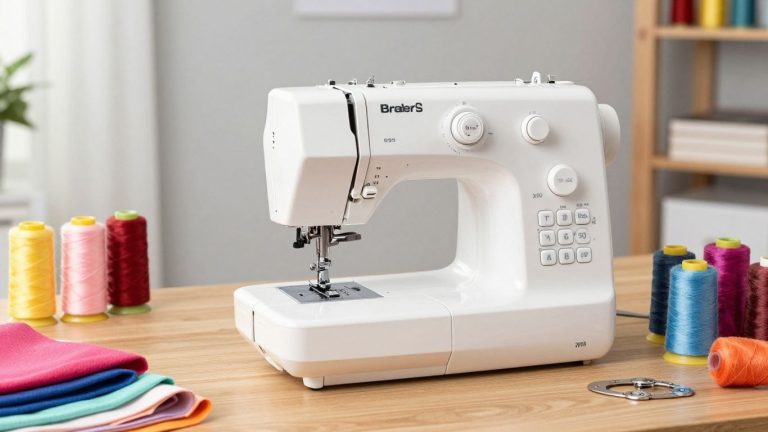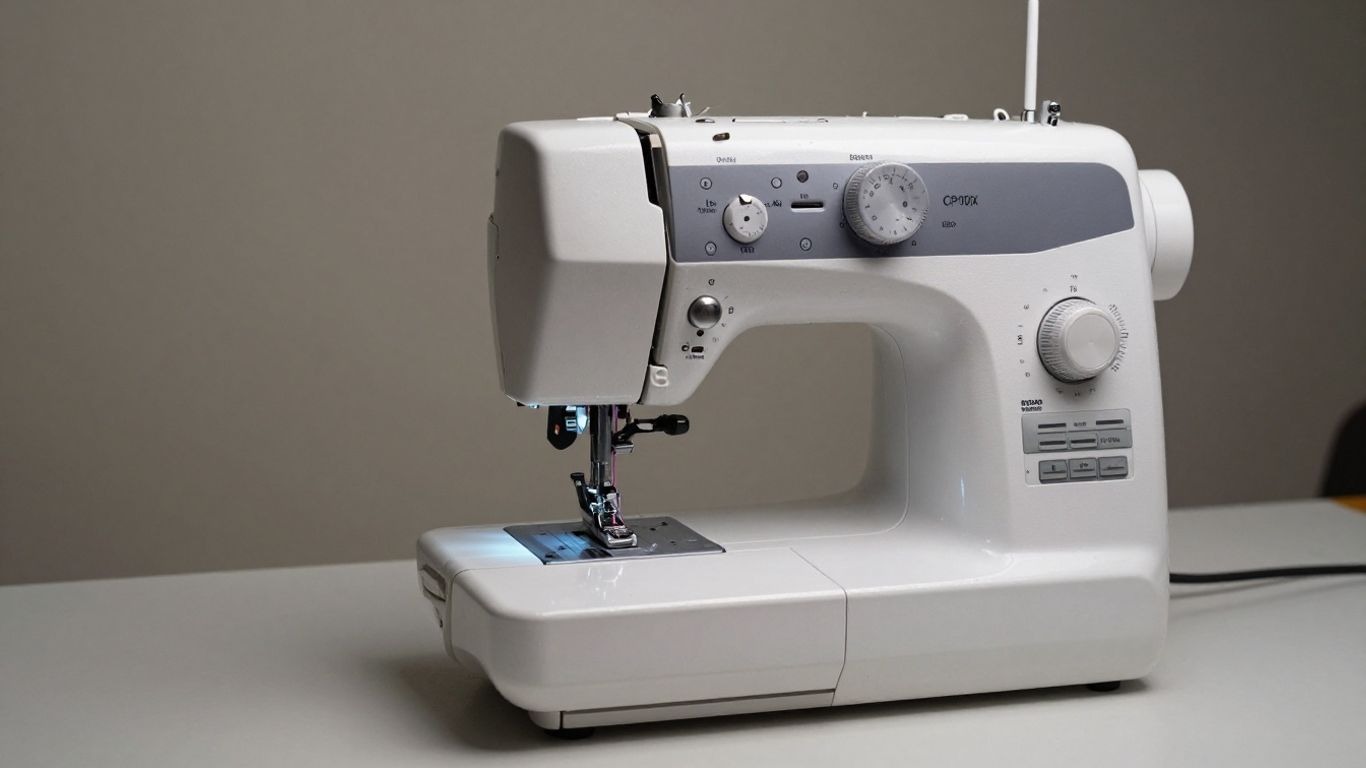
Brother CP100X Review: Sewing and Quilting Machine Breakdown
I recently got my hands on the Brother CP100X sewing and quilting machine, and I’ve been putting it through its paces. As someone who enjoys both everyday sewing tasks and the more intricate world of quilting, I was curious to see how this computerized model would hold up.
If you’re completely new to stitching, I’d actually suggest starting with How to Learn Sewing before diving into a computerized machine like this. It gives helpful foundation tips that make using the CP100X much smoother.
I’ll break down what I found, from its basic functions to its more specialized features, to help you decide if the Brother CP100X is the right fit for your sewing space.
Key Takeaways
- The Brother CP100X offers a good range of stitches, making it versatile for various sewing and quilting projects.
- Features like the automatic needle threader and clear LCD screen make it user-friendly, even for those newer to sewing.
- I found it handles a variety of fabrics well, from lighter materials to denim, which is a big plus for different kinds of work.
- While it’s a capable machine, some users might find the built-in light a bit dim, and the accessory storage could be more convenient.
- When compared to other models, the Brother CP100X often hits a sweet spot for features and price, especially for home sewers looking for a computerized option.
Introduction to the Brother CP100X
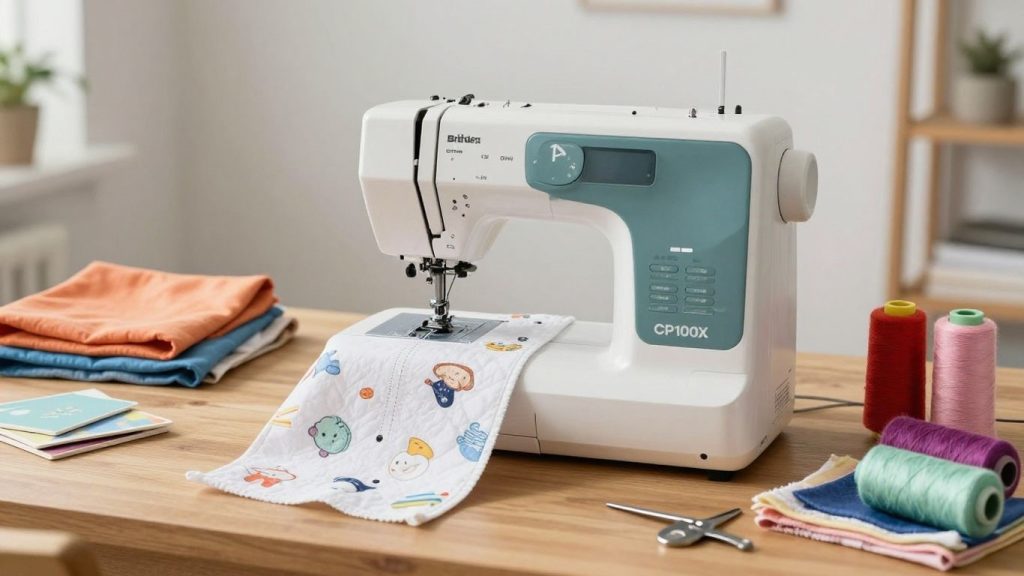
The Brother CP100X impressed me straight out of the box by striking such a balance between ease of use and just enough power under the hood. This is not just another sewing machine — this is designed for people who want good reliability at high marks for regular sewing, but also need features enough to experiment over time. The Brother CP100X’s features impressed right off the bat with a streamlined digital screen and enough built-in stitches to keep you on your toes, whether patching up jeans or piecing quilts.
- If you’re like me, splitting your time between basic repairs, easy crafts, and those rare quilting projects, the CP100X meets a lot of practical needs:
- If you’re like me, splitting your time between basic repairs, easy crafts, and those rare quilting projects, the CP100X meets a lot of practical needs:
- 100 built-in stitches (including decorative and quilting stitches)
- Automatic needle threader (saves time and some serious squinting)
- Drop-in bobbin system and clear bobbin cover
- Speed control and start/stop button for pedal-free operation
All these Brother CP100X features and benefits really offer a versatile solution for those everyday sewing tasks, as well as more inventive projects like home décor or quilt squares. I’m always in search of a machine that won’t have me feeling boxed in after a few months. The CP100X appears to fall under that category, particularly when it comes to working with thicker layers or even trying out different materials.
What really struck a chord was how easy it is to transition between projects, from basic hem repairs to beginning Brother CP100X sewing tasks or even learning how to use Brother CP100X for quilting.
The digital screen feels modern, similar in simplicity to what I liked in the Brother SE2000 Review, although that model leans more into embroidery. The CP100X stays focused on sewing and quilting without overwhelming you.
If you split your time between basic repairs and simple projects like How to Sew an Apron or even beginner-friendly items such as How to Make a Simple Tote Bag at Home, the CP100X covers those needs easily.
Key Features and Specifications
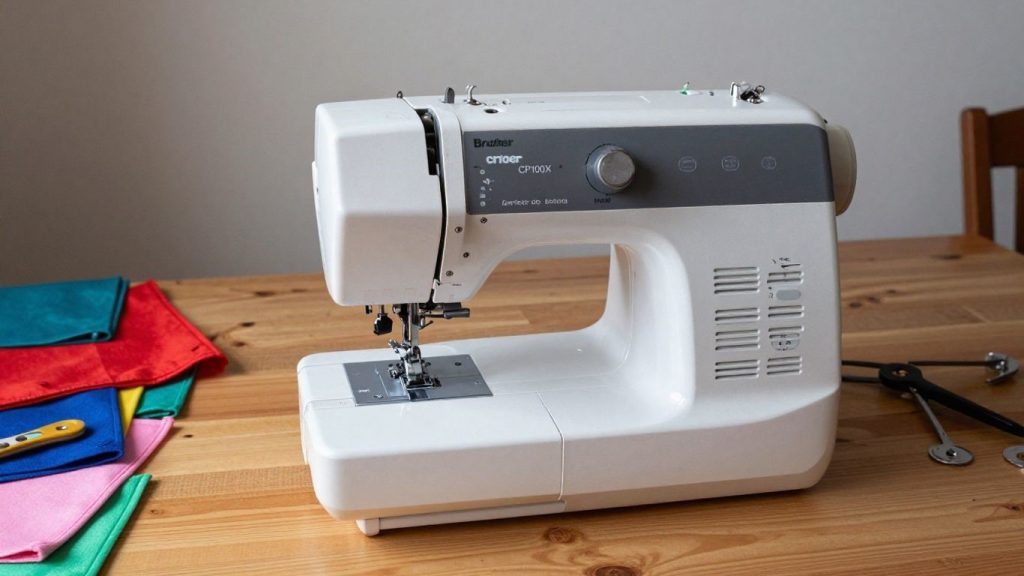
The Brother CP100X packs a lot under its hood for a mid-range sewing machine. It’s not overloaded with bells and whistles, but it still manages to feel quite modern for the price. Let me break down what stood out for me.
Stitch Selection and Capabilities
Scrolling through the CP100X’s built-in stitches is a bit of a thrill, and you’ll find a satisfying range here whether you’re piecing together a quilt or patching up a hem. It includes 100 built-in stitches, so it doesn’t feel like there are limits at all. These are decorative stitches, traditional straight, zigzag stitches, and even some stretch stitches.
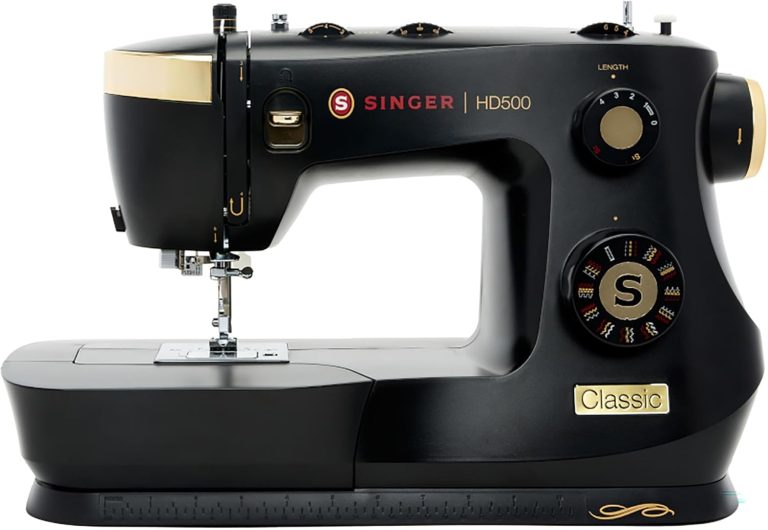
Selecting different stitch types is a matter of pressing a button and looking at the display. No janky dials or guesswork, a godsend if you hop back and forth as I do. If decorative work is your priority, you might also compare it to the Singer HD500 Review for a different approach to stitch variety.
| Feature | Value |
|---|---|
| Built-in Stitches | 100 |
| Buttonhole Styles | 8 One-Step |
| Maximum Stitch Width | 7mm |
| Maximum Stitch Length | 5mm |
- 8 styles of one-step buttonholes (not bad for shirts and dresses)
- Adjust stitch width and length using the front buttons
- LCD screen for simple settings checks
Automatic Needle Threader and Other Conveniences
I always hated threading the needle, but this machine’s automatic threader is a total time saver. It works most of the time; sometimes you need a steady hand, but it’s better than squinting and poking for minutes. There’s a drop-in bobbin system, which I find simpler and less finicky than the old side-loading variety. You can tell at a glance how much thread you have left.
- One-step automatic needle threader
- Drop-in, jam-resistant bobbin
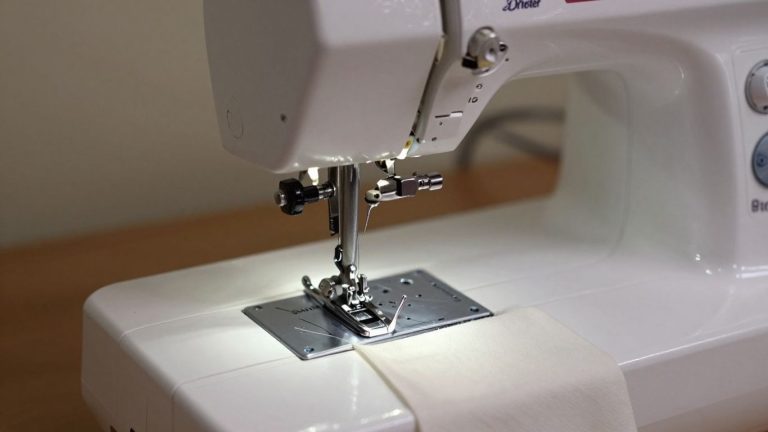
- LED-lit work area (good for sewing when it’s dark outside)
- Free arm for cuffs and sleeves
Personally, the bobbin system was probably my favorite. I’ve spent enough time untangling old bobbins on other machines that this one just feels more relaxed to use.
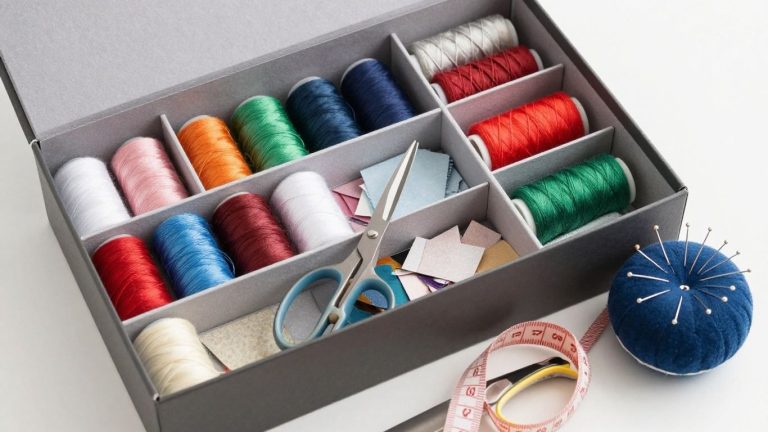
The drop-in bobbin is clear and easy to monitor. If you are building your beginner toolkit, pairing this machine with one of the options from Best Sewing Box makes organization easier.
Quilting Specific Features
If you’re a quilter, the Brother CP100X has a few nice extras thrown in. Accessories that are included include a quilting foot, a spring-action quilting foot, and even a walking foot. Feed a dog’s drop easily for free-motion quilting, offering more control than you might expect at this price point.
- Wide, detachable table for larger projects
- Adjustable feed dogs for free motion work
- Walking foot and quilting feet provided
For quilting, the included walking foot and extension table are practical additions. If you are debating between machine types, it is worth reading Serger vs Sewing Machine to avoid confusing quilting needs with overlocking tasks.
The detachable table helps with quilt blocks, table runners, and similar projects. It is not industrial sized, but it works for home scale quilting.
Ease of Use for Beginners and Experienced Sewers
When I first opened the Brother CP100X, I thought that this could be too advanced for someone like me, who isn’t a total pro. But in truth, it was remarkably easy to get started. It felt like a machine that would grow with me, whether I’m a beginner or have been sewing for years. That means it makes a great choice in any home sewing machine comparison.
Setting Up and Getting Started
The CP100X was fairly easy to set up. The manual is straightforward, and the diagrams helped. The machine was easier to thread than I thought, too — it features an automatic needle threader. That feature alone is a huge win if you, like me, sometimes have difficulty threading tiny needle eyes. It was also fairly easy to wind the bobbin, which is always a relief.
Here’s a quick rundown of my setup experience:
- Unboxing & Inspection: All components were well packaged. I verified that all accessories were included.
- Powering Up: Connecting it and switching it up was easy.
- Threading: The automatic needle threader did its job smoothly. I completed the steps in just a few seconds.
- Bobbin Winder: The bobbin winder is easily accessible and straightforward to use.
- 1st Stitch: I picked a simple stitch and, within minutes, made my first test stitch.
The LCD screen is bright and readable. Stitch selection is button based, which feels less intimidating than mechanical systems found in some older models like those discussed in Singer HD4411 Prisma Review.
Speed control with a slider is useful, especially when working on curved seams or precise quilting lines.
Navigating the Controls and Settings
And this is where the CP100X really excels for me. The LCD is bright and easy to read. Its dial-inspired display makes stitch selection simple rather than confusing. I didn’t have to guess or fumble around to find the stitch I wanted. If you need a new machine and are seeking something from the sewing machine for beginners, the Brother range is often a good bet, and in terms of price, it fits that profile.
- Stitch Selection: Ideal buttons that are clearly given, even showing you what you’ve chosen on the screen.
- Tension Control: It also has an automatic tension, but has options of adjusting to manual if need be, which is nice for different fabrics.
- Speed Control: A slider allows you to adjust the sewing speed, which helps control your work as you move around curves or tricky seams.
I discovered that the intuitive design led to less time figuring out how to use this machine and more time sewing. It’s a machine that doesn’t intimidate you, which is huge when all you want to do is finish your project.
On the whole, I was comfortable using the Brother CP100X straight out of the box. It strikes a good balance of having sufficient features to be versatile, without being too complicated for everyday use. It’s certainly a machine I could recommend if you’re eyeballing and want something user-friendly.
Performance: Sewing and Quilting in Action
On the Brother CP100X machine, I was eager to find out how this machine performed for everyday sewing and quilting. I also wondered if it wouldn’t be another face in the crowd, or could it really be the best brother sewing machine for quilting? What I need to see is where the rubber meets the road, handling different fabrics, consistent stitching, and an honest assessment of pros and cons.
If heavy-duty sewing is your priority, you might compare this to the power-focused build discussed in Singer 4452 Heavy Duty Sewing Machine Review.
Handling Different Fabrics
The true challenge for any quilting machine? What about cotton flimsy or thick canvas, and how does it perform with everything you feed it? With the CP100X:
- Lightweight materials (such as quilting cottons or maybe some sheers): Pushed through evenly without puckering/bird’s nest threads.
- Two-ply (batik or muslin): Stitch quality remained dependable, so I’m tempering those negative brother quilting machine reviews.
- Multiple layers: This thing pushed right on through layered batting and fabric with just a bit of noise and minor vibration while at its fastest speed, a given for most in its class.
| Fabric Type | Stitch Result |
|---|---|
| Cotton | Even, smooth |
| Batik | Consistent, strong |
| Canvas | Good, some effort |
| Quilt Layers | Reliable |
Stitch Quality and Consistency
I mentioned that it was a big deal to me when I was finding the best sewing machine for quilting. The CP100X gave me:
- Well-balanced tension straight off the bat
- Crisp-looking decorative stitches (not all machines manage this)
- No skipped stitches, including with heavy thread during a quilt sandwich test
I always fear the dreaded tangle or birds’ nests, especially on cheaper models. To be completely honest, I was pleasantly surprised by how steady and predictable this one is. Compared to mechanical heavy duty machines like those in Janome JW8100 Review or Janome MC6650 Review, the CP100X focuses more on user-friendly controls than raw strength.
Pros and Cons of the Brother CP100X
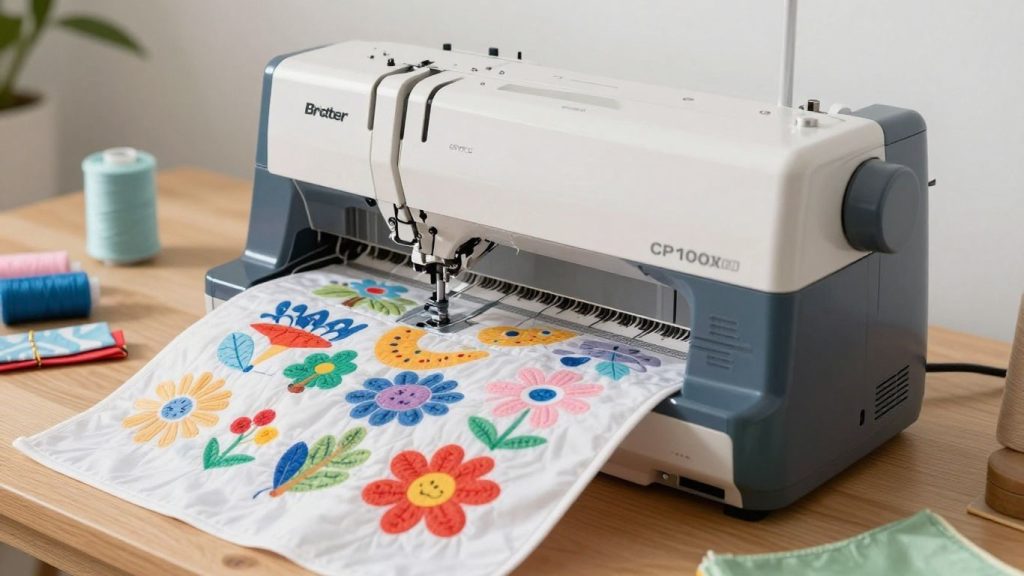
Here’s my list after a week of sewing and piecing together quilt tops:
Pros of the Brother CP100X:
- Handles different quilting fabrics without fussing over settings
- Quiet operation, even under load
- Straightforward controls for adjusting stitch width and length
- Feels solid; nothing rattles or shifts
- Includes quilting-specific feet (walking foot, 1/4” piecing foot)
Cons of the Brother CP100X
Of course, no machine is perfect — the best sewing machine for quilters still has its quirks:
- It doesn’t have a super-fast maximum stitch speed, so it may slow larger projects down.
- The throat space is pretty good, but larger quilts will be a tight fit.
- Automatic needle threader can take a try or two (annoying when you are making fast progress)
For shortlists of more serious beginners and casual quilt makers, overall, I poked through a bunch of quilting machine reviews, and I honestly feel like the CP100X deserves a spot. The balance of features and reliable stitching makes it a top pick, especially if you’re not interested in spending hours adjusting tension just to get an even seam.
Comparing the Brother CP100X with Other Machines
Whenever I am reviewing a new sewing machine, especially if I think it will get a lot of use, I always like to compare it against other choices available. It’s not a price-only thing, you know? It’s also about what you’re getting for the dollar and how it fits into my sewing life. The Brother CP100X has a lot going for it, but how does it stack up against some of its most popular competitors from the same brand?
If you are exploring other Brother options, reviewing Brother CS7000X Review and Brother CS7205 Review gives helpful contrast in stitch count and included accessories.
Brother CP100X vs Brother HC1850
This is an apples-to-apples comparison since both are popular options for Brother computerized sewing machine reviews. They’re both a decent number of stitches and computerized functions. The HC1850 often has a couple more built-in stitches, and typically in-box comes with a wider table. That larger table is a huge help if I’m working on bigger projects like quilting or sewing curtains.
The CS7000X, though still more than capable of handling this, may mean that I will have to purchase a larger table separately should my projects call for it. So my decision between the two would ultimately depend on whether I needed that extra range of stitches and accompanying wide table, or was perfectly fine with a more basic setup like the CP100X.
For heavy duty power instead of decorative variety, see Singer 4452 Heavy Duty Sewing Machine Review. The right choice depends less on brand loyalty and more on project type.
Brother CP100X vs Janome HD3000
This is a good comparison of design philosophies. For anyone looking for something a little more heavy-duty, the Janome HD3000 is designed with strength in mind: Its metallic frame seems up to the task, and it has a reputation for being able to tackle thick fabrics. It has fewer stitches than the CP100X and is more geared towards raw power than a varied array of stitch options.
Computerized models like the CP100X offer more stitch options, leading to greater versatility when it comes to sewing. The HD3000 is a much heavier-duty machine to tackle really rough and tough jobs, while the CP100X opened things up with its selection of stitches.
Brother CP100X vs Brother CS7000X
We were interested in comparing the CP100X to the CS7000X, but noticed they had slightly different target markets. The CP100X tends to be pitched more at crafters and those looking for decorative stitching and lettering. It often has more decorative stitches and even very basic embroidery options, which isn’t really where the CS7000X excels. If I wanted to personalize things with monograms or small designs, the CP100X might be a better fit for my needs.
But for more general sewing and garment making, the CS7000X is a solid, simpler choice. It’s really about aligning the machine’s strengths to the types of projects that I’m working on.” The CS7000X has 70 stitches to choose from, with customizable features that can help beginners learn easily.
Here’s a quick look at how some Brother sewing machine features compare:
| Feature | Brother CP100X | Brother HC1850 | Brother CS7000X |
|---|---|---|---|
| Stitches | ~100 | ~180 | 70 |
| Included Wide Table | Optional | Usually Included | Optional |
| Decorative / Lettering Stitches | More | Moderate | Basic |
| Primary Focus | Crafting, Decorative | General Sewing, Quilting | Beginner, General Sewing |
When I’m evaluating these Brother sewing machine models, I always think about the specific projects I have in mind. A machine that’s great for intricate decorative work might not be the best for heavy-duty denim, and vice versa. It’s all about finding the right tool for the job.
Who’s the Brother CP100X Suitable for?
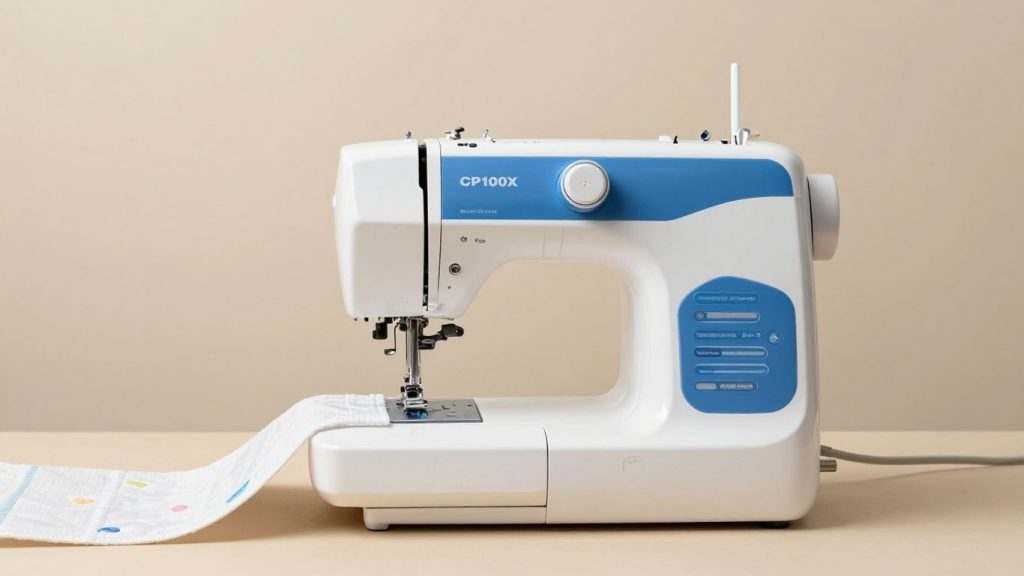
When I think about the Brother CP100X, it strikes me as a machine that really aims to keep things balanced for all sorts of sewists. This model is a great match for anyone wanting that sweet spot between user-friendly controls and the ability to play with bigger projects.
Here’s who I’d say will get the most out of the CP100X:
- Complete novices, as the setup is simple and does not feel overwhelming. If you’re the sort of person who gets turned off by a tangle of dials and switches, the easy labeling and simple screen are a relief.
- Hobbyists and casual crafters who enjoy experimenting with regular sewing as well as quilting, the extension table is a boon, allowing for extra ease on larger pieces.
- Budget-conscious buyers who want decent features for an affordable price. You get a computerized machine, convenient features such as an automatic needle threader, and a decent range of stitches.
- Quilters doing home-size pieces, there’s ample working space and stitch variation for making table runners, baby quilts, and basic garment mending and hemming.”
And frankly, I wouldn’t exclude intermediate users. People who need a backup for their heavy-duty machine or want something portable for classes might also find that it ticks all the boxes. If, on the other hand, your primary focus is thick denim and leather or if you’re a heavy-use machine, then this isn’t going to be your forever machine; look a bit more toward heavy-duty models there.
If your projects are mostly beginner friendly like aprons or tote bags, again, How to Sew an Apron and How to Make a Simple Tote Bag at Home pair perfectly with this machine.
If you primarily sew thick upholstery or leather, I would not position this as your forever machine.
The CP100X is an appealing all-rounder for everyday sewing and any quilting projects, with useful touches, computerized options, and reliability.
Conclusion
Having spent some actual time with the Brother CP100X, I can confidently say it’s a great choice for someone who wants an easy-to-use sewing and quilting machine that will still provide enough features to keep things reasonably exciting. I liked that it dealt well with various fabrics, from elementary cotton to a couple layers of denim, without much fuss. The wider table is nice for larger projects, and the stitches came out even and neat, which is all I really ask.
Yes, the built-in light could be brighter, and the accessory storage is not large, but these are minor issues in the grand scheme. For that price point, I feel like you get so much, especially if you’re not trying to break the bank. If you’re a newcomer or want a machine that can tackle most home projects without being intimidating, the CP100X merits consideration. It’s not perfect, but it is reliable, and that matters most to me.
It is not the strongest heavy-duty machine available, and the built-in light could be brighter. Still, for the price range and feature set, it competes well against similarly positioned models like those covered in Brother CS7000X Review.
Frequently Asked Questions
Can the Brother CP100X sew through thick fabrics like denim?
Yes, I have sewn through light to medium fabrics (cotton) with the Brother CP100X, even a couple layers of denim! It does these pretty well, but for really thick or heavy-duty fabric, I go slow and use the needle appropriate to it, then no trouble.
Is the Brother CP100X a good sewing machine for beginners?
Overall, I do think the Brother CP100X is an excellent beginner’s model. It also has an easy-to-read LCD screen and simple buttons, so picking stitches and changing settings isn’t confounding. In addition, the instructions are pretty straightforward, which is a big help when you’re just starting.
Does the Brother CP100X come with a table for quilting?
And yes, it has a huge table attached that I find extremely useful when quilting or with larger projects like curtains. The additional space allows the fabric to shift around more without bunching.
How does the automatic needle threader work on the Brother CP100X?
The automatic needle threader is a great time-saver for me, but it gets tricky if the needle isn’t lined up precisely. Once I got the hang of it, though, it sped up threading considerably and spared my eyes from straining.
Is it easy to switch between different stitches on the Brother CP100X?
Yes, switching stitches is simple. All I do is choose the stitch number I desire using the buttons next to the LCD screen; the machine even tells me which presser foot to use. It is the perfect way to explore new stitches without guessing.
What are some downsides to the Brother CP100X?
A few things I’ve noticed: The built-in light is not particularly bright, so when working with dark fabrics, I need to keep an additional lamp on. Plus, the accessory storage is kind of tiny, and you have to hang it up separately to free up that arm. The needle threader can be a fussy sometimes, but all in all, they are small whines on my part.