5 Best Automatic Needle Threaders for All Sewing Machines 2026 Guide
Let’s be honest, threading a needle can be a real pain. I’ve spent way too much time squinting and fumbling with thread, especially when I’m in the middle of a project and just want to get sewing. It’s one of those small frustrations that can really slow you down. That’s why I’ve been looking into Automatic Needle Threaders, and I’m excited to share what I’ve found.
They really can make a big difference, whether you’re just starting or you’ve been sewing for years. This guide is all about finding the best Automatic Needle Threaders for your sewing machine in 2026.
Key Takeaways
- Automatic Needle Threaders are designed to make the often-frustrating task of threading a needle much quicker and easier, saving you time and reducing eye strain.
- There are generally two main types: semi-automatic, which requires some user action like guiding the thread, and fully-automatic, which often works with just a button press.
- When choosing an Automatic Needle Threader, consider its compatibility with your specific sewing machine model, how easy it is to use, and its overall build quality for long-term reliability.
- Manual needle threading devices, often sold as separate tools, can be a good option if your sewing machine doesn’t have a built-in threader or if you need a solution for hand sewing.
- Regular cleaning and a little bit of care can help keep your Automatic Needle Threader working smoothly, preventing lint buildup and ensuring it functions correctly for all your sewing projects.
Why Use an Automatic Needle Threader?
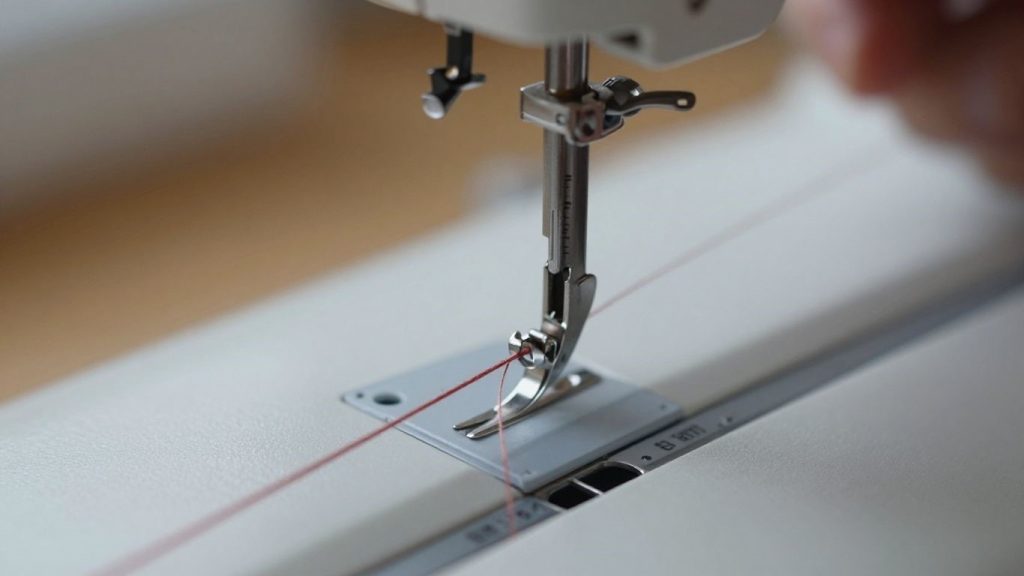
To be honest, threading a needle can become the bane of your life. I can’t remember how many times I’ve sat there squinting, attempting to get that flimsy thread through the teeny-tiny eye of the needle. It’s a universal sewing irritation that can stymie any project before it even gets out of the gates. And this is exactly why the automatic needle threader has become an absolute game-changer on sewing machines.
An auto-threader is your own personal sewing assistant. It’s intended to take care of the dreariest part of setup so you can get sewing more quickly. A tiny hook grabs your thread and pulls a loop through the needle’s eye in seconds with just a simple lever or button press. What once took years of fumbling is now achieved in seconds. It works for everyone:
If you’re still learning the basics of machine setup, it also helps to understand sewing machine parts so you know exactly how the needle and threading system works.
- For Novices: It eliminates a daunting step, making sewing less intimidating. You can launch your first project, a simple tote bag, say, and be sewing in moments.
- For Quilters and Embroiderers: Whenever you have to change thread colors for complicated patterns, it takes valuable minutes, cumulatively making your work much less efficient.
- For Addressing Vision or Dexterity Impairments. Rather than changing the process of sewing, it facilitates and makes sewing more accessible and enjoyable for a larger pool of people.
An auto needle threader takes the sewing experience from a common to at least an uncommon source of frustration. It means your precious time is spent creating rather than struggling. This is the simplest way to learn how to thread a needle easily and how to be able to thread a needle fast. If you’re in the market for a new machine, I would definitely look for one that has this feature, like the sewing machine I saw recently. It really makes a difference.
If you’re in the market for a new machine, I would definitely look for one that has this feature. Many heavy-duty models like the SINGER 4452 Heavy Duty Sewing Machine include reliable automatic threading systems that make everyday sewing much easier.
Types of Automatic Needle Threaders
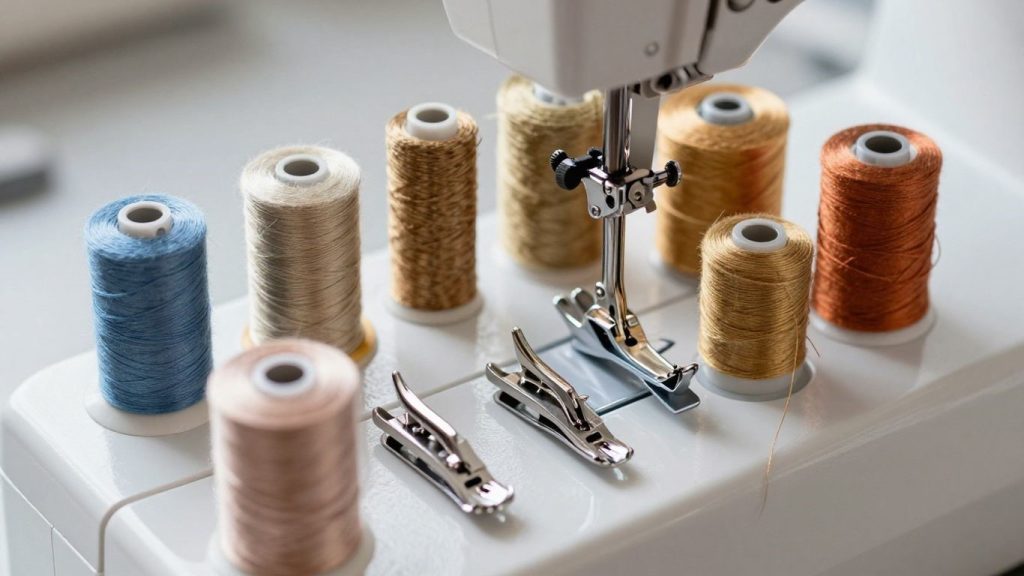
THREADING THE NEEDLE: A daily battle when I first learned to sew. You know, I’d be squinting and fumbling with your writing, and honestly, the frustration made me want to quit. Fortunately, there are a ton of automatic needle threaders available nowadays that simplify this entire process.
They’ve begun trickling down from the fancy, high-end machines to more affordable options and are truly revolutionary for all sewing enthusiasts.
Built-in Needle Threaders
All but the most basic modern sewing machines come with some sort of built-in needle threader. These are typically built directly into the machine. The two you’ll usually see are semi-automatic and fully-automatic. Semi-automatic ones are really common.
(Most of the time, you have to pull a lever and get the thread into a little hook, after that, the machine does all this for you, pushing a loop of thread through the eye of the needle.) This is a tremendous time saver when you are doing frequent color changes for the thread on projects such as an appliqué. These are the workhorses that have made sewing machine threaders so common.
Fully-automatic (a little more advanced than the previous type) threaders. On these machines, you may only need to bring the thread up close to the needle and press a button. The machine does the entire threading process. You generally find these on more computerized or embroidery machines, and they are great for fine work where you will likely change threads dozens of times. They truly are the sewing machine operators in your life.
Many beginner-friendly machines include this feature, such as those reviewed in Brother CS7000X review and Brother CS7205 review.
Manual Needle Threading Devices
In addition to what’s integrated into your machine, there are also standalone manual needle threading devices. All of these are separate tools you can purchase, and they are really handy if your sewing machine doesn’t come with a built-in threader or you do a lot of hand-sewing. They all come in different shapes and sizes. Some are simple little gizmos with a hook through which you thread some threading material, and others may have a bit of a base to help stabilize the needle while using.
Many of these also feature other handy features, such as built-in thread cutters or needle holders, making them fairly versatile. I’ve found these to be truly lifesavers for hand sewing projects and are definitely among the best easy needle threading devices out there.
These little devices are meant to make threading something, be it a sewing machine or even just a hand-sewing needle, easier and less annoying. These products hold a tiny hook or loop, which uses the thread and pulls it through the needle’s eye. Simple idea, but it has a tremendous impact.
These are great if your sewing machine doesn’t include a built-in threader or if you often do hand sewing. Many beginners purchase them as part of starter kits like those featured in sewing kits for beginners you can buy online.
Electronic Needle Threaders
Electronic needle threaders, while often overlapping with the built-in ‘fully-automatic’ type, are perhaps the most convenient of all. These are usually only available on higher-end computerized sewing and embroidery machines. It’s a very simple operation, usually: you guide the thread somewhat, and then with the press of a button, the machine’s electronics take over.
It’s so fast and needs so little from the user. For anyone who sews or embroiders a lot, these electronic systems are an invaluable needle threading aid. They do a really good job making it so that you can get started quickly and feel like everything is set up coasting, instead of worrying about setup.
Here’s an absolutely foolproof method to start threading a needle. Not these, look for machines with features like an automatic needle threader for easy handling of everything from patches to fabrics, such as this one, the Singer C5980Q Patchwork Plus.
Premium machines like the one reviewed in Janome MC6650 review often include these advanced threading systems.
Here’s a quick look at how they generally compare:
| Feature | Semi-Automatic Threader | Fully-Automatic/Electronic Threader |
|---|---|---|
| User Action | Lever operation, guide thread | Button press, guide thread nearby |
| Effort Level | Low, requires some coordination | Nearly effortless |
| Speed | Fast (seconds) | Instantaneous |
| Common On | Mid-range machines | High-end/Computerized machines |
Top Automatic Needle Threaders for 2026 (Reviews)
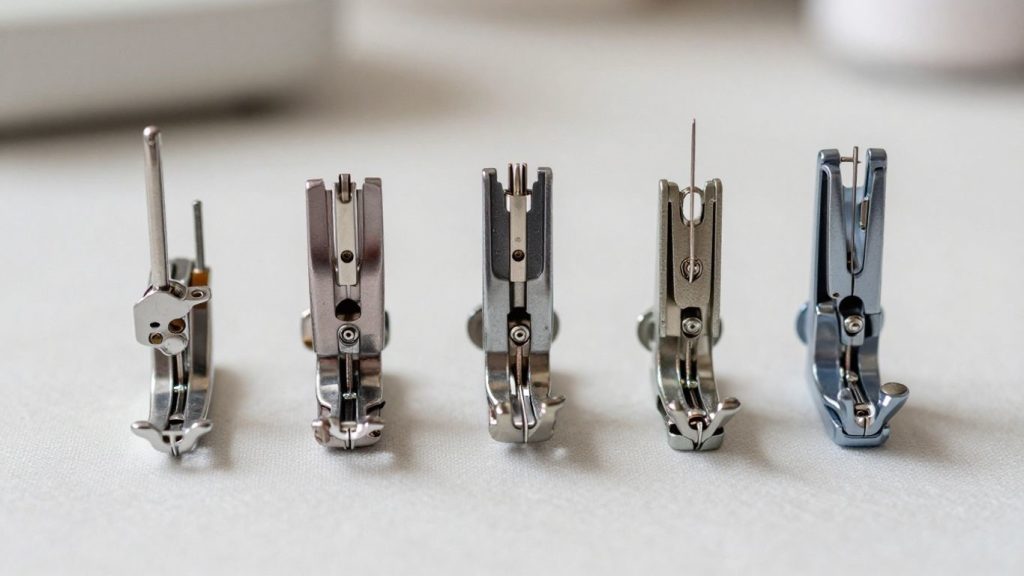
According to my experiences so far this past year, trying out various automatic needle threaders, wow, a good one really makes all the difference! Threading a needle doesn’t have to be stressful. I’ve even started to like changing out threads on the most chaotic sewing projects.
This is my honest take on the best models available to find in 2026. This isn’t just a list; it’s exactly what I’d suggest to friends (and have, based on trial and error, and real use on multiple sewing machines).
Fedmut 20pcs Needle Threaders for Hand Sewing & Embroidery
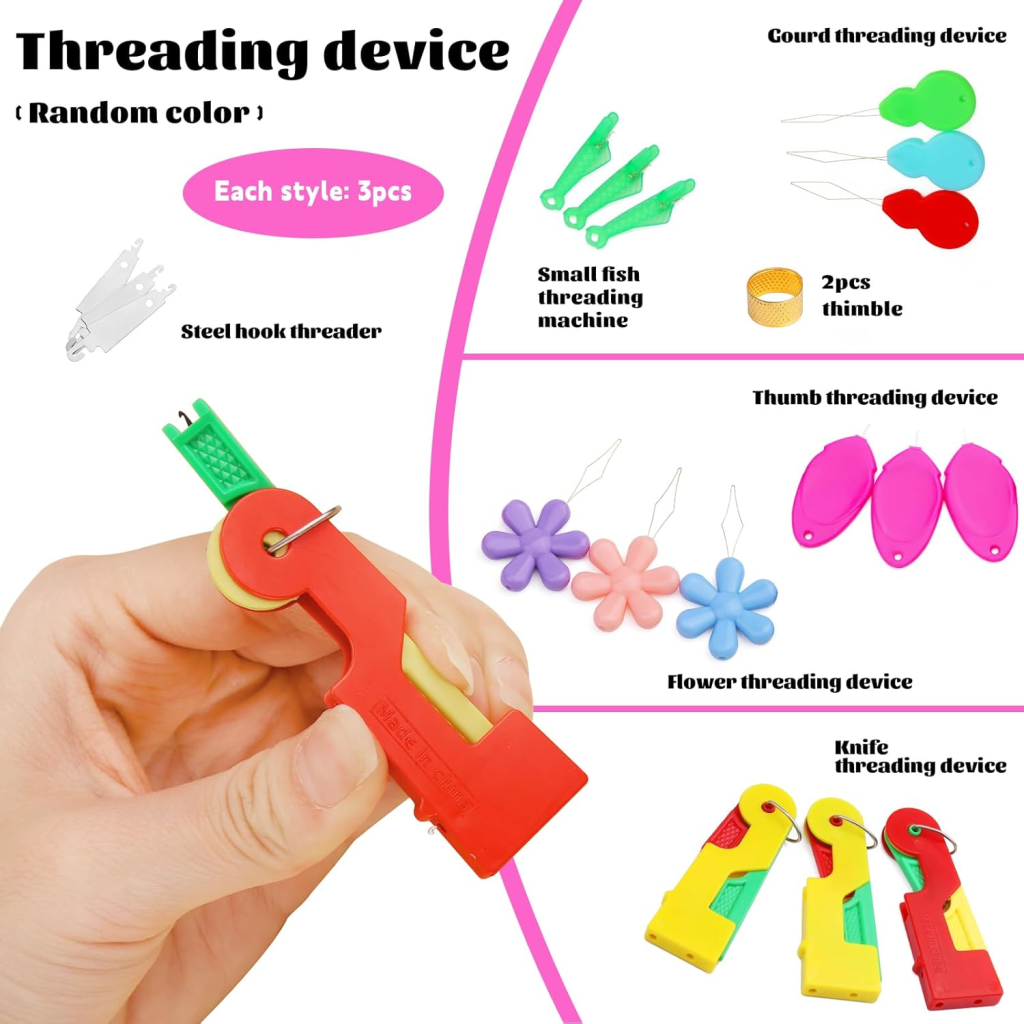
Fedmut’s set of 20 needle threaders is my favorite when I do lots of hand sewing, but they can also be used with most sewing machines. Versatility is what stands out about them, particularly when I’m switching between different needles and threads. Here’s what makes them solid:
- The thin, pliable wire will fit through just about any needle eye.
- They’re cheap and come in bulk, so no more searching around your toolbox halfway through a project.
- They are good for embroidery, regular sewing, and even some jobs on the machine that deal with threading (especially an older model).
If you’re new to it or blow through threaders quickly, they are a major lifesaver. I thought they were basic, but oddly reliable.
Runsgo 3-in-1 & 2-in-1 Automatic Needle Threaders with Seam Ripper
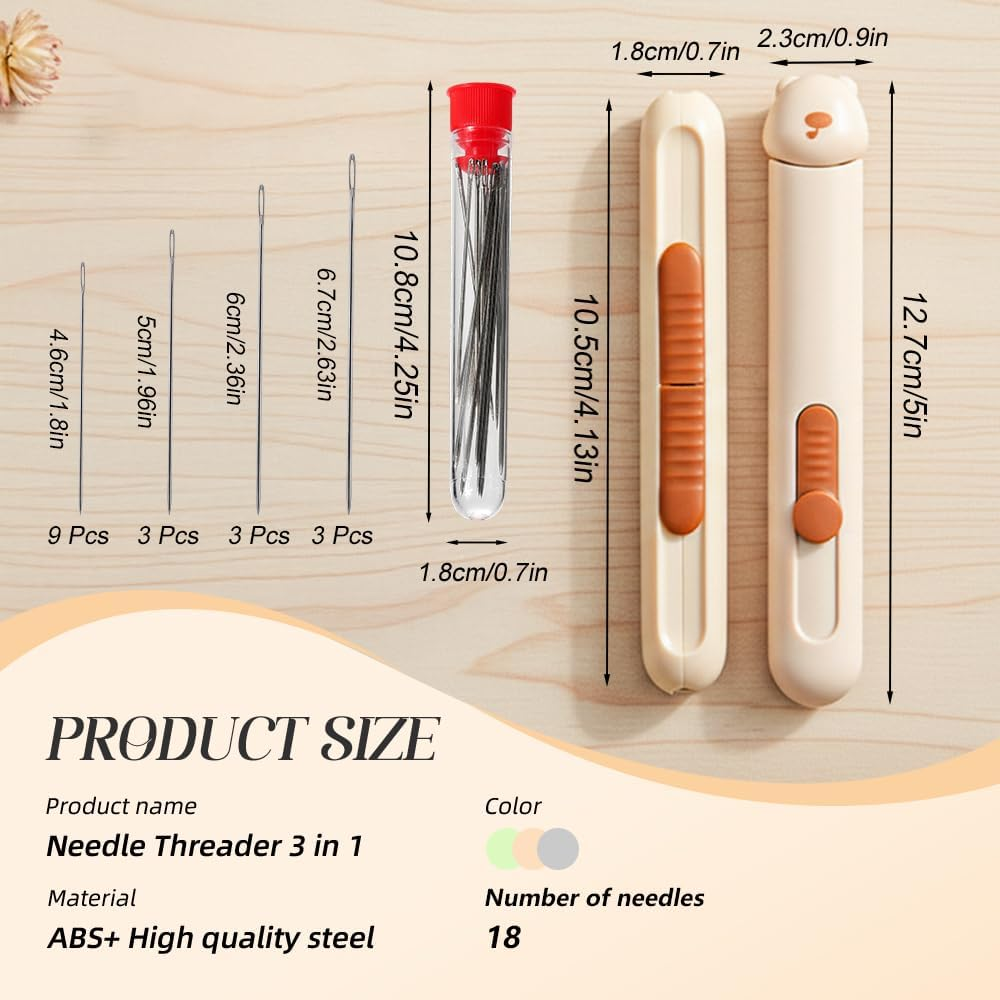
I chose this Runsgo set because they claim to be an all-in-one solution, and ya know what→ they are. This kit is packed:
- 3-in-1 and 2-in-1 threader/ seam ripper combos, hidden needle storage
- Contains a large range of needles in common sizes
- The automatic threader is solid feeling, and the command usage is intuitive enough for a still learning operator.
I was a bit skeptical at first, but I found myself grabbing this set every time I’m toggling between hand sewing and machine work. The best value for anyone who wants a full-on, full-featured kit.
3-in-1 Automatic Needle Threader & Seam Ripper with Storage – 2-Pack Grey
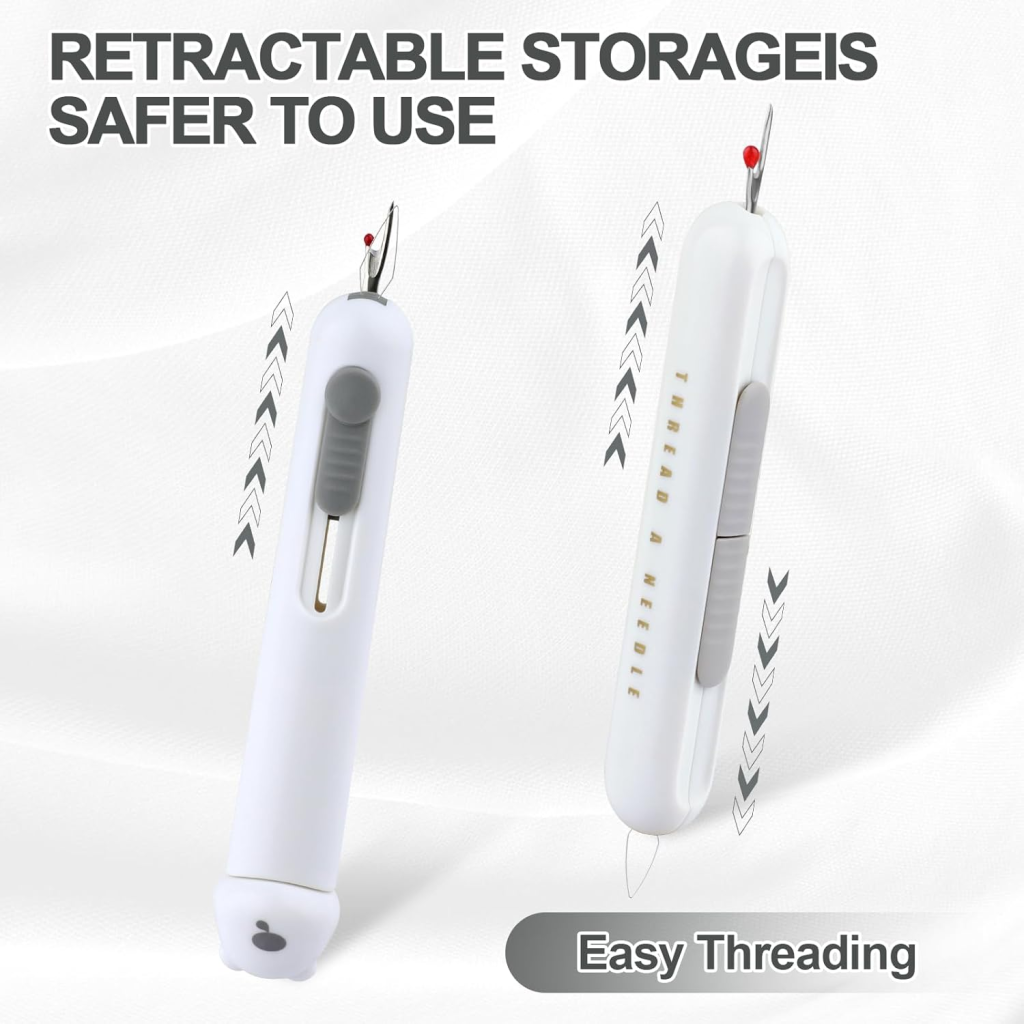
This one is kind of slick. The stretchy seam ripper feature is handy when you need a little extra reach to tackle those tricky seams. I appreciated having:
- 2 ergonomic threaders/seam rippers with soft-grip handles
- Needle Storage That Clicks Open for Quick Access
- Reliable performance even with thicker threads that defeat many other threaders
The gray finish looks modern. I’ve employed these on quilting tasks, particularly when rip-upping small stitching, and the device didn’t budge or snap beneath stress.
BIDEX 2-in-1 Automatic Needle Threader & Seam Ripper for Hand Sewing
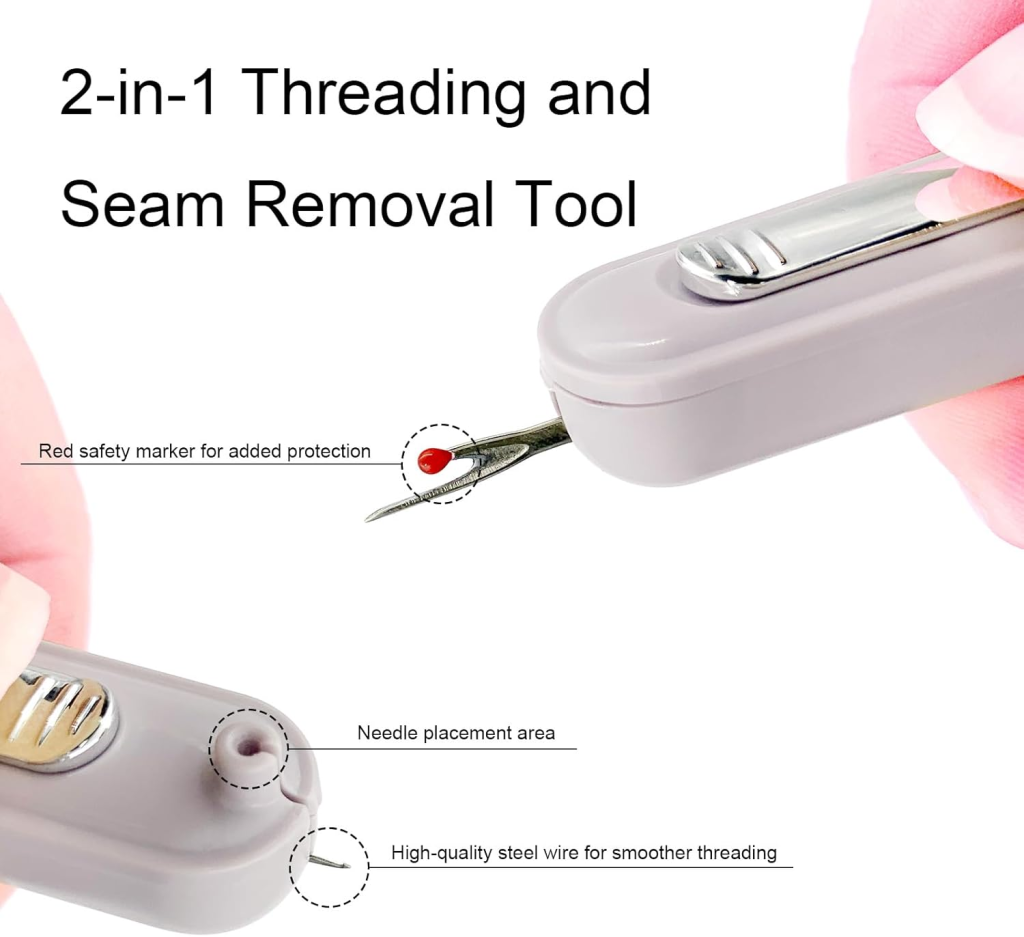
This BIDEX model is a workhorse. It is less about bells and whistles than it is about steady reliability. Key things I’ve noticed:
- Threading is pretty much the same, no missing eye, etc., even with daily use
- Integrated seam ripper works for hand and machine sewing, that’s one less tool to carry around
- It holds up over time. Still eight months into my travel sewing kit, and still working just like new
For no-fuss thinking and a tool that just works and continues to work, BIDEX is an S-tier choice.
Lechchy Sewing Kit with Automatic Needle Threaders, Seam Rippers & Accessories
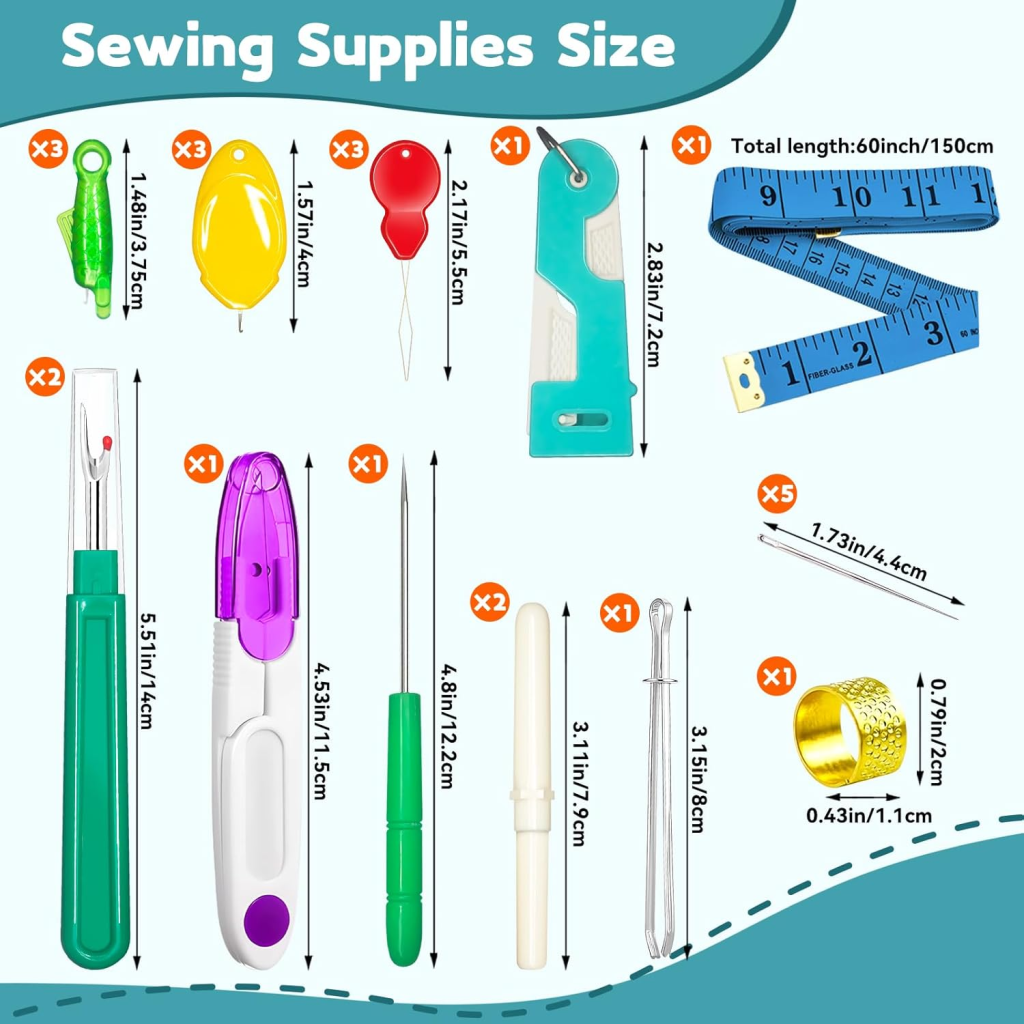
This is, by far, the most comprehensive kit. As a gift, or to completely restock your sewing station, Lechchy has included everything:
- Various seam rippers and threaders (fish mouth, gourd, thumb-shaped)
- Handy thread snips, tape measure, drawstring threader, awl, thimble, and extra needles
- Ideal for any maker and includes detailed instructions to keep a new sewist feeling confident
If you work on lots of craft projects or share your tools with other people, the myriad styles and backups really come in handy. It’s the Swiss army knife of sewing supplies.
If you are planning to upgrade or buy a new device, then the latest embroidery machine reviews for 2026 should be checked, as they also have built-in automatic threaders that beautifully combine these two. Whatever the tools you decide on ultimately, don’t settle for something that makes you bitter; find something that helps sewing go more smoothly and brings a little joy.
If you’re just getting started, pairing tools like these with beginner sewing projects such as how to sew an apron is a great way to practice.
How to Choose the Best Automatic Needle Threader
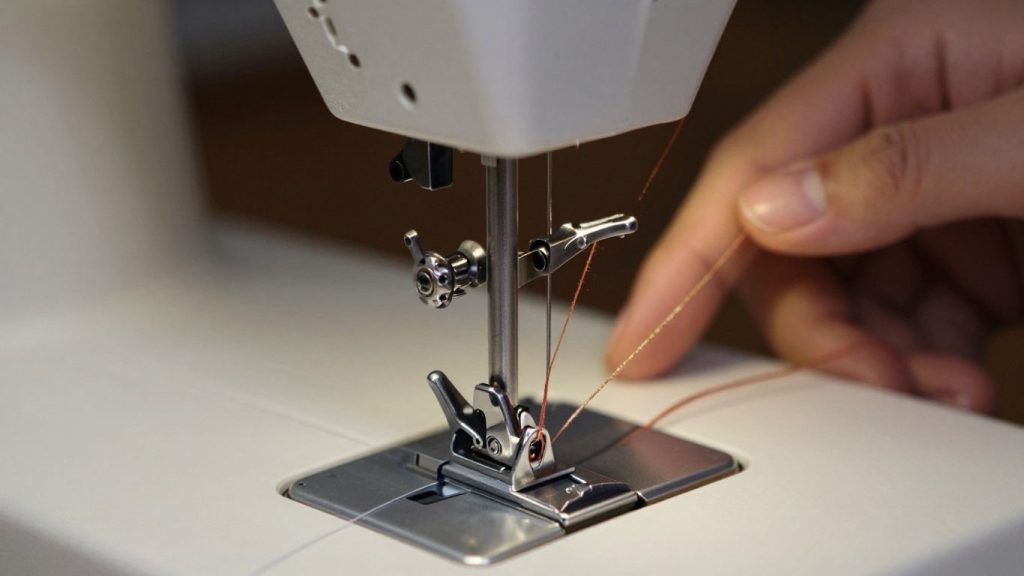
So, you’ve decided to treat yourself to one of these automatic needle threaders. Smart move! It does make a difference when you’re right in the midst of a project and really want to get started. But with so many out there, how do you choose the right one? Been there, done that, and I want to tell you: it’s not a matter of throwing a colander of shiny objects in your head.
Compatibility with Your Sewing Machine
So the first thing I do is verify that this threader is indeed going to work with my machine. It sounds obvious enough, but you’d be surprised. Note: some threaders are specific to brands or types of machines, while others are more universal. If your machine has a built-in threader, you’ll want to ensure that any manual device you purchase will work with the needle size and type used in your machine.
All the gadgetry in the world to thread needles doesn’t help if it won’t fit. I often check both the packaging and listing for compatible machine models or needle types. I will even contact the manufacturer or look on online forums if I’m in doubt.” It prevents a ton of headaches later.
Some threaders are designed for specific brands, while others are universal. For example, machines like the one covered in Singer HD500 review or Janome JW8100 review include threading systems that work best with certain needle sizes.
Ease of Use and Ergonomics
This is a big one for me. I want something that makes threading a needle lickety-split, not that requires an engineering degree. When I’m in front of a threader, I think about the body feel. Is it comfortable to grip? Simple to press buttons or levers? For manual devices, I’m tuned in to the mechanism. Is it smooth feeling or clunky and stiff?
In general, I find threaders with a more minimal design to be easier to manage. A few have tiny storage spaces for spare needles or a built-in seam ripper, which is pleasant because I do not let anything distract me from the main purpose: threading the needle. If it’s a hassle to keep or use, I know that no matter how fancy it is, I’ll end up avoiding it.
Many beginner-friendly machines focus on usability, like the ones highlighted in Singer HD4411 Prisma review.
Durability and Build Quality
Let’s be real, sewing is sometimes like wrestling with fabric and thread. That means the tool must be able to take a little use. The threaders I gravitate towards are made from durable materials. Plastic’s OK, but I like it to feel solid and not like it’ll break after a few uses. The metal bits, wherever they are, should feel solid.
I also check reviews from other users to make sure people aren’t saying the products break or wear out quickly. It costs a bit more at the outset to get a well-made threader, but it will save you money and frustration down the line. It is all about getting the best sewing gadgets that will last you.
When I’m considering a needle threader, I stop and consider how it integrates into my overall sewing workflow. Is it actually saving me time or effort, or is it just an extra step that’s more hassle than I want to deal with? The aim is to help you spend more time creating and less time dealing with tiny fiddly components. To me, a good threader should be an instinctive extension of my sewing process, not an obstacle.
You can also organize your tools better using guides like best sewing box to keep threaders, needles, and accessories neatly stored.
Here are a few things I consider when comparing different models:
- Material: Is it plastic, metal, or a combination? How thick and sturdy does it feel?
- Mechanism: Does the threading action seem smooth and reliable? Are there any sharp edges or parts that look like they could snag?
- Added Features: Does it have a thread cutter, needle storage, or other functions? Are these useful, or just clutter?
- User Feedback: What are other sewers saying about its longevity and performance?
Wrapping Up: Your New Sewing Buddy
So, having seen all these different types of automatic needle threaders, I have to say that they’re a lifesaver. It doesn’t matter if you’re just starting out or if you’ve been punching the sewing machine for years; that little bit of help is huge. It means less squinting and fumbling and more time actually creating.
No idea if it helps you, but for me, time and frustration saved is a win. How could something so small have such an impact on enjoying my sewing projects? I honestly believe everyone should think about one for their next machine.
Frequently Asked Questions
Why should I use an automatic needle threader?
I find that automatic needle threaders are a total lifesaver! They make threading my needle super fast, which means I spend less time fiddling and more time actually sewing. It’s especially helpful when I’m working on projects that need a lot of color changes, or if my eyesight isn’t what it used to be. It really takes away a common frustration for me.
Are automatic needle threaders hard to use?
For me, most automatic needle threaders are pretty simple. The semi-automatic ones usually involve pulling a lever and guiding the thread, while the fully-automatic ones often just need a button push. Once I get the hang of the motion, it’s way quicker than trying to thread it myself.
Can I use an automatic needle threader with any needle or thread?
Generally, they work great with standard needles and threads. However, I’ve noticed that really tiny needles, like size 70 or smaller, can be too small for the threader’s hook. Also, very thick or fuzzy specialty threads might not work as well. It’s always a good idea to check my machine’s manual to see what it recommends.
Do I need a special sewing machine for an automatic needle threader?
Not at all! While the fanciest, one-touch threaders are usually on high-end machines, I’ve found that many great entry-level and mid-range sewing machines come with a semi-automatic threader. It’s become a pretty common feature, and it’s definitely worth looking for.
How do I clean my automatic needle threader?
Keeping my auto threader clean is pretty easy. I just use a small, soft brush to gently sweep away any lint or dust around the needle area and the threader mechanism. Sometimes a puff of air from a can helps too. I make sure never to oil it unless the manual says it’s okay, because oil can attract more lint.
Are there different kinds of automatic needle threaders?
Yes, I’ve seen two main types. There are semi-automatic ones, where I still have to do a few steps, like guiding the thread and pulling a lever. Then there are fully-automatic ones, which are super convenient because I just have to push a button, and the machine does almost all the work. It really depends on the machine I’m using.



One Comment